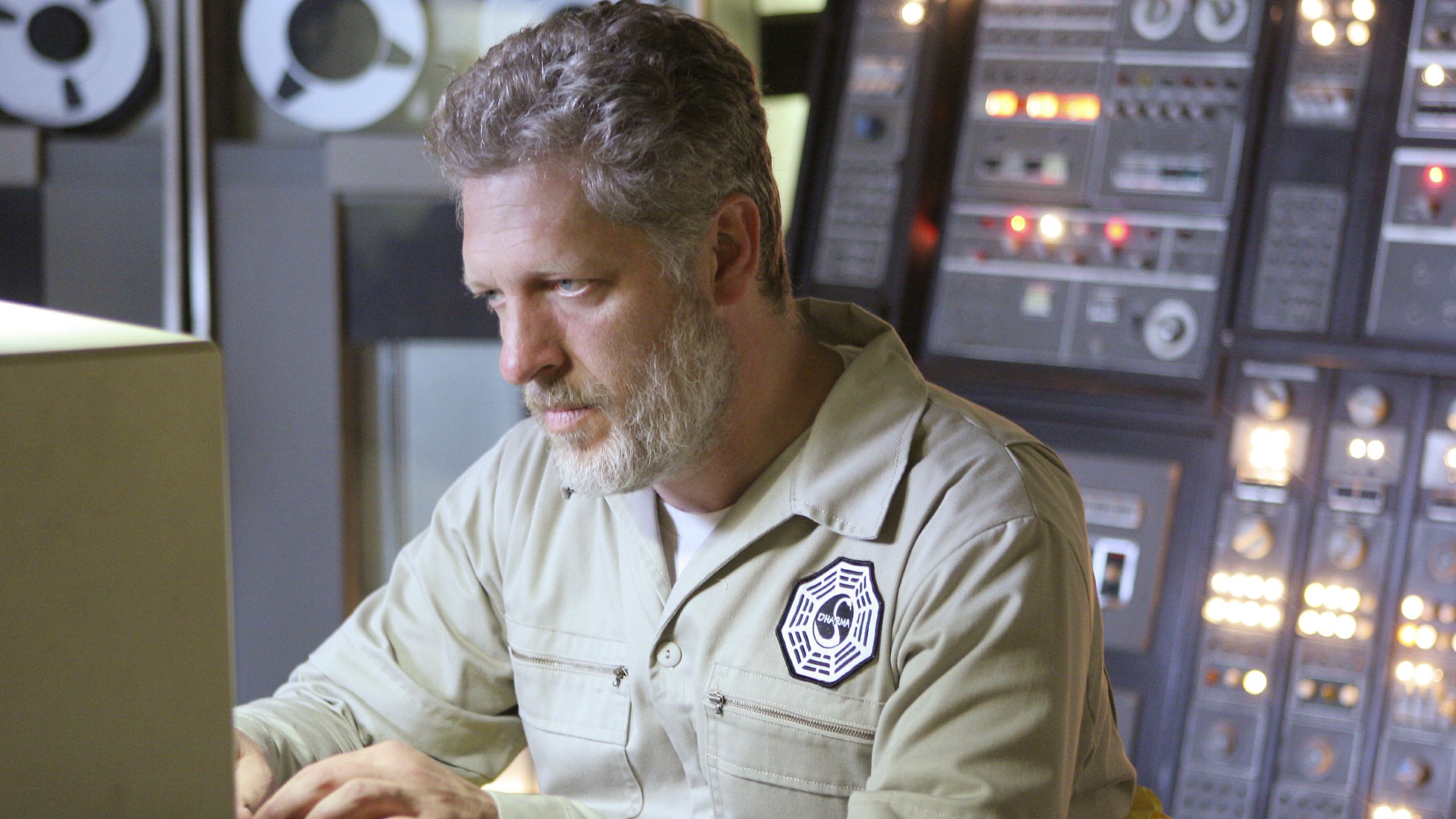
While Lost is probably J.J. Abrams’ most well-known TV series from the 2000s, it wasn’t necessarily his best. Despite the huge popularity of Lost‘s island mystery, his other science fiction show, Fringe, was actually more successful. Fringe surpassed Lost in terms of its scope, how well it was made, and how satisfying the ending was – it even excelled at the same kind of storytelling Lost was known for.
Created with Alex Kurtzman and Roberto Orci, Fringe was a sci-fi series that ran for five seasons on Fox, from 2008 to 2013. The show cleverly combined case-of-the-week investigations with a complex, overarching story, focusing on a government team that looked into bizarre and unexplainable scientific events. It featured elements like alternate realities, cutting-edge (and often strange) science, and compelling character development, all woven together into a well-crafted plot.
While Fringe was a fantastic show, it didn’t achieve the same widespread cultural impact as Lost. It didn’t generate the same level of intense weekly discussion or consistently high ratings. However, Fringe has gained a strong following over time, thanks to streaming services and renewed critical appreciation. Though Lost was a massive hit, many now consider Fringe to be J.J. Abrams’ best work for television.
Fringe Handled Its Big Mysteries Better Than Lost
Fringe Delivered Answers Without Sacrificing Suspense Or Momentum
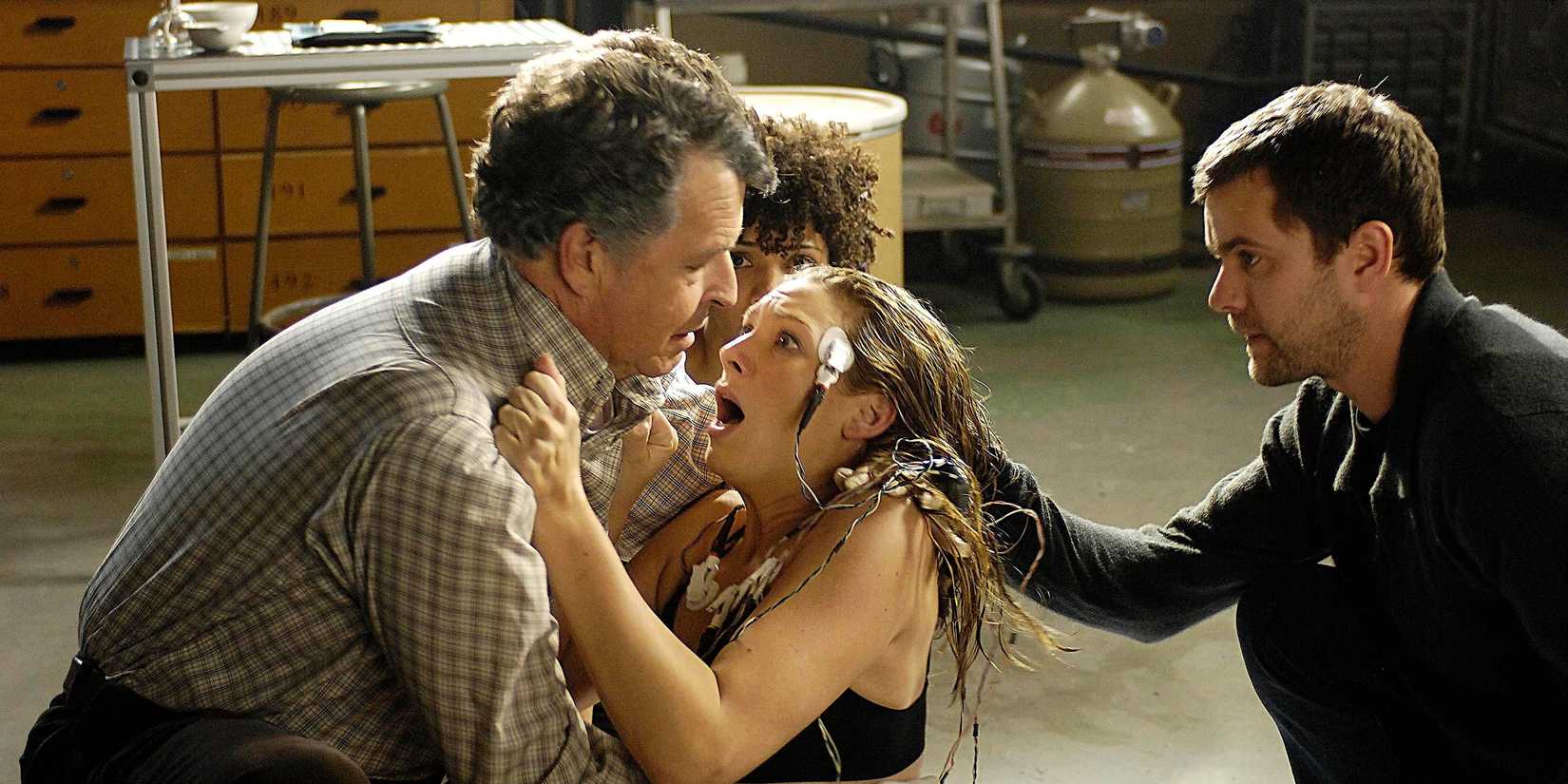
Both Fringe and Lost thrived on suspense and unanswered questions. Each show used puzzling symbols, strange events, and surprising plot twists to keep audiences guessing. Dramatic cliffhangers weren’t just for show – they were essential to the way the stories unfolded. However, the two shows differed in how well they balanced creating mystery and ultimately providing satisfying answers.
Okay, let me tell you about Lost. It was a masterclass in keeping you hooked, constantly throwing out new mysteries just as old ones started to resolve. The show built this incredibly complex mythology, but honestly, it sometimes felt like it was growing in all directions without a clear center. And while that definitely kept everyone talking, it also became… frustrating. Answers were always just out of reach, or when they did arrive, they felt incomplete. A lot of viewers, myself included, ended up feeling a little let down by that.
Unlike some shows, Fringe maintained a focused storyline. Each individual episode contributed directly to the overall mysteries, building momentum instead of feeling disconnected. The show’s revelations felt meaningful and well-planned, with major twists that clarified past events rather than adding confusion. The writers carefully built long-term mysteries, ensuring everything connected in a satisfying way.
Beyond the intriguing mysteries, the characters in Fringe made the show relatable. Olivia Dunham, Peter Bishop, and Walter Bishop weren’t simply investigators; they had deep emotional connections to the strange events unfolding. Because they had personal reasons to care, every discovery felt meaningful and helped us understand them better as people.
While Lost posed intriguing mysteries, the solutions were often disappointing. Fringe, however, delivered compelling stories that ultimately led to rewarding conclusions.
Fringe’s Ending Was More Satisfying Than Lost’s Finale
Fringe Concluded Its Story With Emotional Closure And Narrative Clarity

How a TV show ends often shapes how people remember it, and the finale of Lost sparked a lot of discussion. After six seasons of building up mysteries, expectations were incredibly high. The finale focused on wrapping up the characters’ emotional journeys and bringing them together, but it left many of the show’s larger puzzles unanswered. While some viewers found the emotional payoff satisfying, others wished for more concrete explanations.
The TV show Lost was known for being mysterious, and viewers generally expected those mysteries to eventually be resolved. After years of speculation, fans wanted clear answers. However, the show’s focus on philosophical ideas left some feeling alienated from the science fiction elements that initially attracted them.
Like many shows heading into their last season, Fringe also felt the pressure to deliver. It introduced a dramatic dystopian future controlled by the Observers, which intensified the plot but kept the story tightly focused. Instead of adding more mysteries and leaving viewers with unanswered questions, the final episodes of Fringe centered on the important connections between characters and a clear resolution.
Walter Bishop became the heart of the show. His struggle to make amends drove the last part of Fringe, transforming it from a complex sci-fi series into a story about relationships and personal growth. His connection with Peter, as a father and son, influenced every important choice he made.
As a huge fan of Fringe, I thought the finale, “An Enemy of Fate,” really nailed the landing. It wasn’t just big explosions and effects; it had genuine heart. Everything felt clear – what was at stake, and how it all wrapped up. Most importantly, the ending felt earned, especially the sacrifice, which was truly moving. It was so satisfying to see storylines from way back in the early seasons finally come together in a way that felt planned and purposeful.
Unlike the ending of Lost, which centered on Jack but left viewers with many unanswered questions, Fringe provided a sense of closure. This difference in approach has significantly impacted how both shows are remembered. While Lost‘s finale sparked debate and further mystery, Fringe chose to wrap things up neatly, and that’s made all the difference in their lasting legacies.
Fringe’s Quality Was Consistent Across All Seasons (Unlike Lost)
Fringe Maintained Creative Focus While Lost Struggled With Narrative Drift
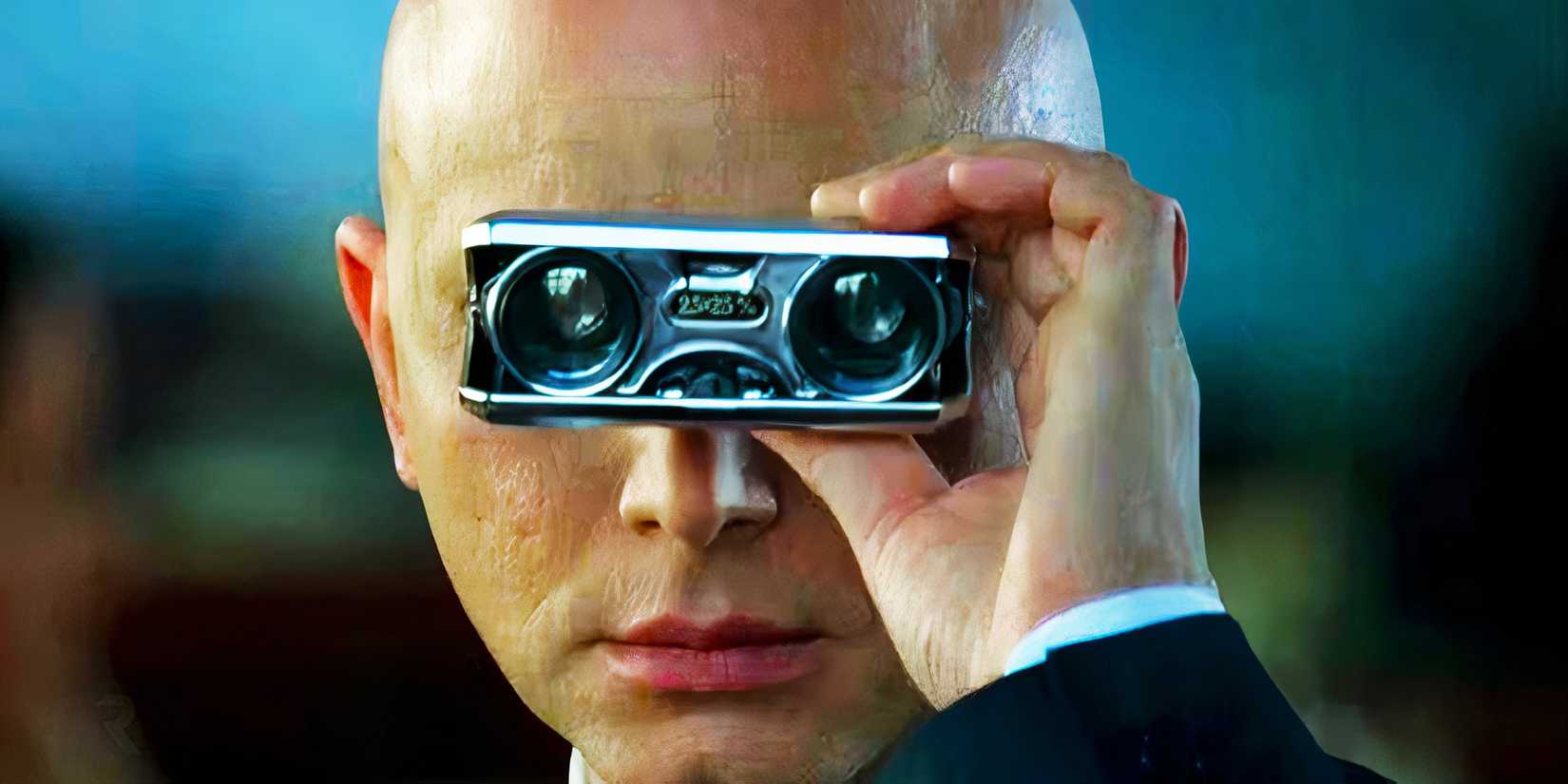
It’s incredibly difficult for TV shows to stay good over many seasons. Lost started strong, with some of the most exciting episodes of the 2000s. But as the show added more and more layers to its island mystery and the characters’ backstories, the overall story became less focused. The plot became too complex for its structure, resulting in a sometimes slow pace and changes in the show’s mood.
The middle seasons of Lost often struggled to balance compelling character stories with its complex mythology. While flashbacks were initially great for building emotional connections, they sometimes felt like they were repeating themselves. The show introduced new questions before answering old ones, which added a lot of weight to the plot but also slowed things down. Although many episodes were still strong, it became difficult to maintain a consistent quality throughout each season.
Unlike some shows that struggle with consistency, Fringe maintained a clear direction each season. Its development felt planned, not random. The first season laid out the show’s basic formula, the second expanded on the overarching mystery, and the third fully embraced the conflict between universes, raising the tension and exploring what it means to be ‘us’.
The show didn’t fall into predictable patterns, even as it went on. Later seasons of Fringe continued to take risks, and a clever reset of the timeline allowed relationships to evolve without erasing what had happened before. The final season, with its story of a rebellion in a dark future, moved the plot forward and built toward a satisfying ending. These changes felt like natural development, not like the show was simply trying to fix things.
Strong, believable characters were the heart of the show, especially when compared to Lost. Olivia Dunham developed naturally from a focused agent into a complex and relatable hero. Peter Bishop grew from a doubting skeptic into a dedicated teammate and father. And Walter Bishop consistently provided both the show’s humor and its emotional depth, balancing quirky comedy with genuinely moving drama.
The characters in Fringe developed naturally alongside the show’s science fiction plot, creating a consistent emotional core. The complex sci-fi ideas actually deepened the personal stories instead of overshadowing them. Even the individual cases contributed to the show’s overall themes of loss, self-discovery, and the impact of choices.
As a critic, I’ve always admired how Fringe managed to stay so focused over its five seasons. Unlike Lost, which occasionally felt lost itself, Fringe had a really clear vision and stuck to it. It was consistently confident, well-structured, and always felt like it knew exactly where it was headed, which is a rare feat for a show running that long.
Read More
- ‘YouTube Customers Are Suffering.’ Disney CFO Says Company Isn’t Backing Down As Cable Outage Continues
- Доллар обгонит рубль? Эксперты раскрыли неожиданный сценарий
- Jonathan Jackson’s Lucky Spencer Return: Fixing General Hospital’s Storyline Issues
- Eleven’s Kryptonite In Stranger Things Explained
- Евро обгонит тайский бат? Эксперты раскрыли неожиданный сценарий
- Хэдхантер акции прогноз. Цена акций HEAD
- The Flash’s Danielle Panabaker Opens Up About Low-Paying Arrowverse Crossovers And ‘Bad Behavior’ Being Rewarded On The Set
- Daniel Craig Reacts to ‘Knives Out’ Parody With Muppets Ahead of ‘Wake Up Dead Man’ Netflix Streaming Release
- Hans Zimmer to Score Warner Bros.’ ‘Harry Potter’ TV Series
- 2025’s Best Vampire Movie Getting Theatrical Rerelease for Halloween
2026-03-15 00:00