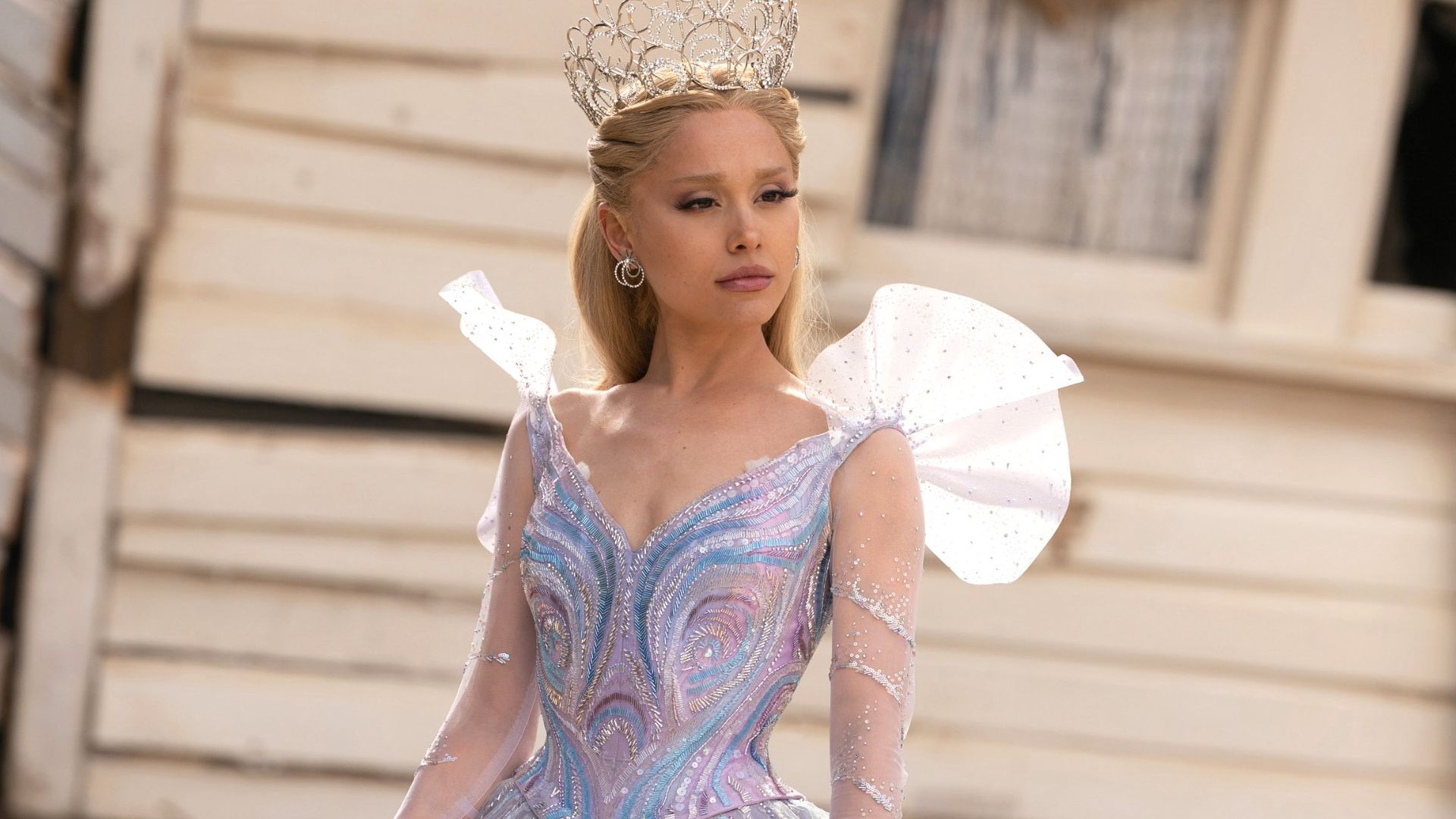
Just a year after its release, the movie Wicked: For Good is proving to be a huge success in theaters. The film, based on the second part of the popular Broadway musical, features Cynthia Erivo and Ariana Grande as the witches Elphaba and Glinda. The cast also includes stars like Jonathan Bailey, Michelle Yeoh, Marissa Bode, Ethan Slater, Bowen Yang, and Jeff Goldblum.
At the heart of For Good is Elphaba’s struggle against the Wizard of Oz (Goldblum) to end the mistreatment of Animals. Glinda becomes conflicted when the Wizard gives her a powerful and popular position, but only if she ignores his wrongdoing. This drives a wedge between the two former friends throughout much of the movie, and the situation is made even worse when Glinda’s fiancé, Fiyero, falls in love with Elphaba.
Similar to the stage production, Glinda ultimately helps Elphaba by warning her about a dangerous mob. This act of kindness is now shown through a new song called “The Girl in the Bubble,” which delves deeper into Glinda’s motivations. Producer Marc Platt, who worked on both the musical and the movies, explained that the team always intended to develop Glinda’s story further.
Stephen Schwartz and Winnie Holzman, the creators of the original musical, had to make some cuts and simplify parts of the story due to the limitations of a stage production’s length. We always hoped that a movie adaptation would allow us to expand on those ideas naturally, and we’ve focused on doing that, particularly in the second half of the film.
As a huge fan, I found Platt’s explanation of the two Wicked films really insightful. He said the first movie is primarily about Elphaba’s transformation, charting her growth as a character. But For Good? That’s Glinda’s story, and how she evolves throughout the film. Once you realize that core difference, it makes perfect sense why they felt like two separate, yet connected, movies. The second film, he explained, finally gave them the space to really delve into Glinda’s backstory – what made her so driven to be magical in the first place, and what shaped her as a child.
He wondered how she could pretend to be someone she wasn’t, and present herself as having qualities she didn’t actually possess. Understanding what her mother would have said to her growing up, and how that shaped her, was crucial. As For Good is a musical, he wanted to give her a defining moment, similar to the song “Defying Gravity,” that showed a clear shift in her motivations.
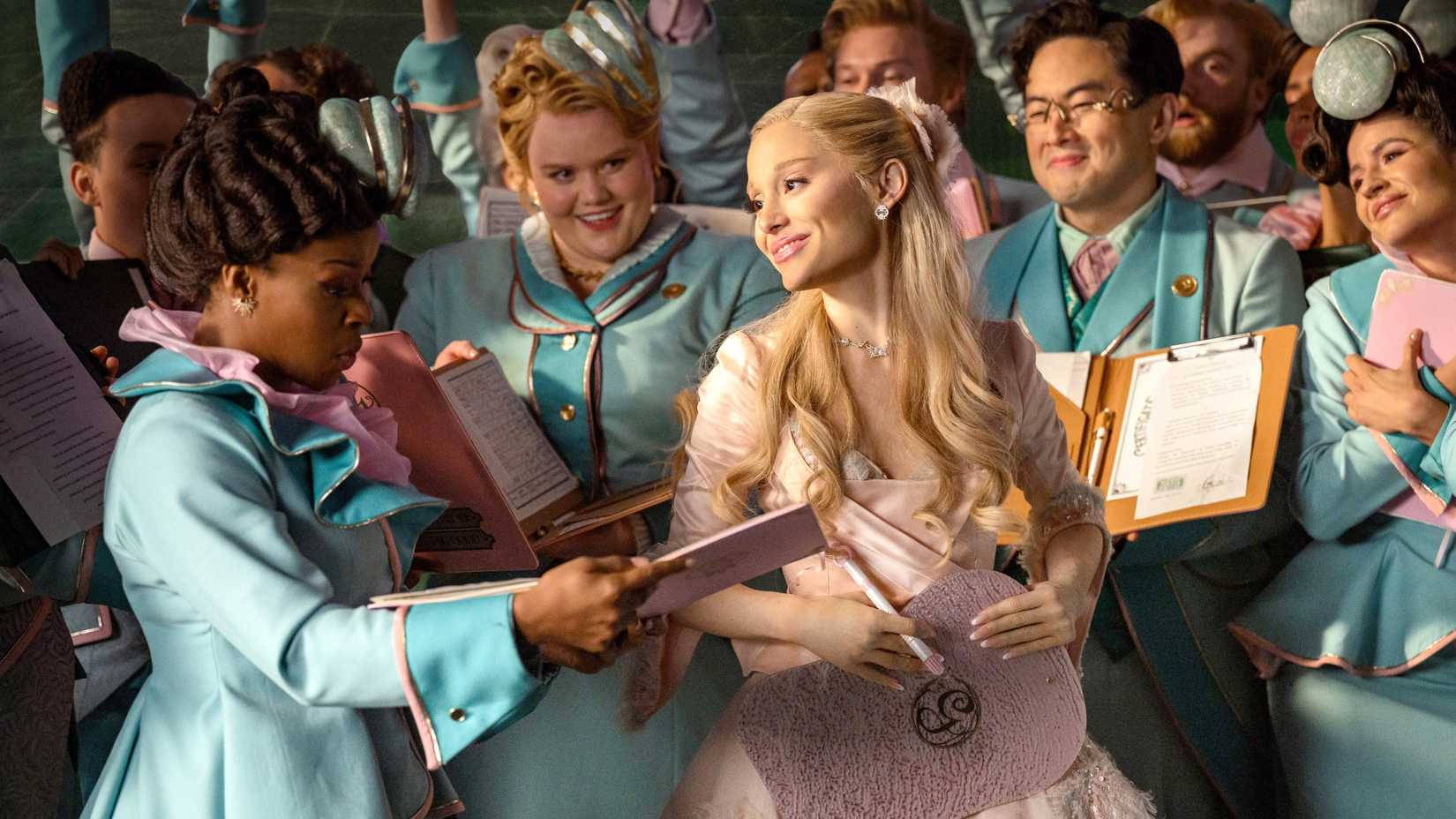
Platt explained that Glinda didn’t originally have a song in the second act of the musical, which created an opportunity for a powerful moment. It allowed her character to look in the mirror and question her identity – ‘Who do I want to be?’ – and to grapple with a deeper conflict: ‘Do I have the courage to be myself, or should I try to be what others expect?’ He added that developing her backstory and giving her a song helped to enrich the overall narrative.
Adding extra songs to the movie For Good has received a varied response from both fans and critics. While “The Girl in the Bubble” and Elphaba’s new song, “There’s No Place Like Home,” really highlight the singers’ impressive voices, some feel they slow down the film’s overall flow.
Beyond the added songs, the film gives Glinda a more active role, showing her continuing Elphaba’s work to protect the Animals of Oz, rather than just suggesting she would. Despite the differences between the stage and movie versions, Wicked: For Good delivers on its core idea: that pretending to be good can harm society and cause heartbreak.
Read More
- Доллар обгонит лев? Эксперты раскрыли неожиданный сценарий
- Daredevil Born Again Reveals Full Look At Bullseye’s Comic-Accurate Costume In Season 2
- Hogwarts Sure Does Look Familiar In The New Harry Potter Trailer (But Not From The Movies)
- Supergirl Gets a Big Change Ahead of Release — Report
- The Closest We’re Getting To The Walking Dead Season 12 Is This 2-Year-Old Miniseries
- Gwyneth Paltrow on Avengers: Doomsday Return: ‘What’s That?’
- Уфргсинтез префы прогноз. Цена префов UFOSP
- Ready Or Not 2 Box Office Slammed With Week 2 Drop That’s Twice As Large As The OG Movie’s
- New Yellowstone Report Reveals The Real Reason Why Monica Dutton Was Killed In Marshals
- Netflix’s 8-Part Psychological Thriller Is Its Best New Show To Binge This Weekend
2025-11-23 04:38