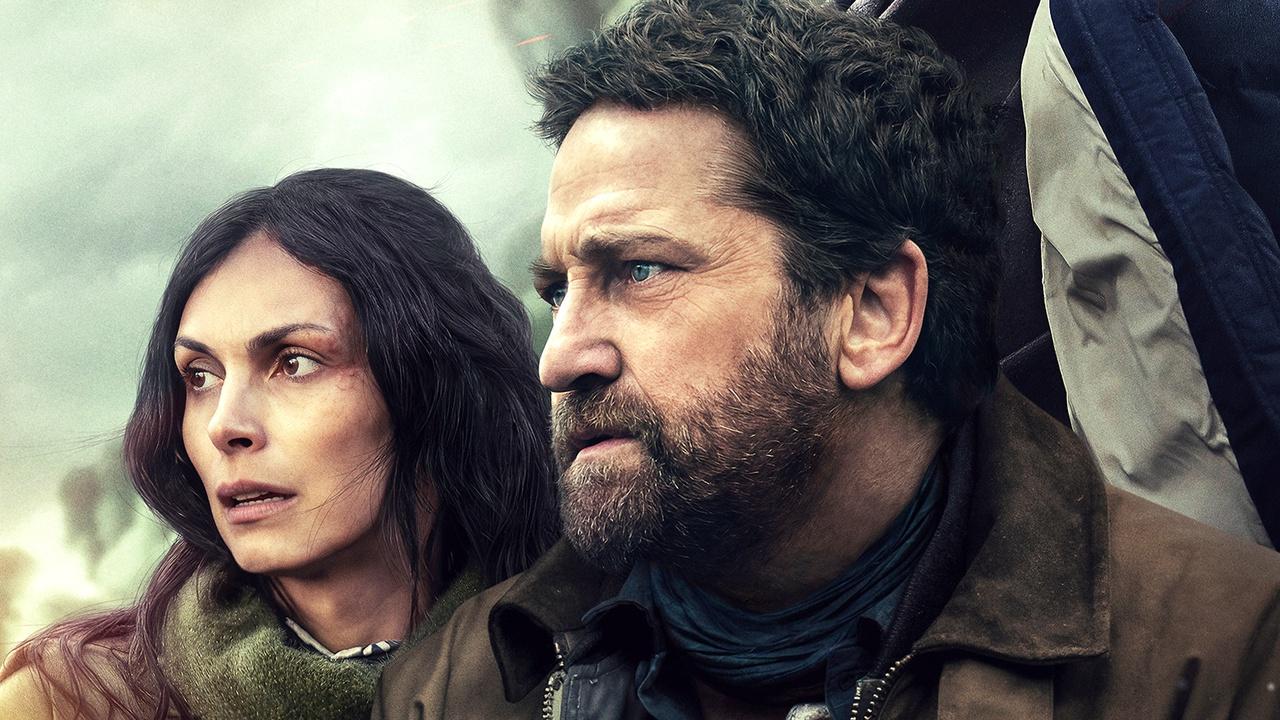
Liongate’s initial Greenland movie delivered on its promise: a massive comet, Clarke, struck Earth, causing a global extinction event. The only place of safety was Greenland, where a group of people found refuge in a secure underground bunker.
Five years after the first movie, Greenland 2: Migration is here. The film brings back the original stars, including Gerard Butler, Morena Baccarin, and Roman Griffin Davis. Ric Roman Waugh, who directed the first film, is back as director for the sequel.
In the new movie, Greenland 2: Migration, the Garrity family’s bunker is compromised, forcing them to search for a new safe place. Their research leads them to Impact Crater Clarke in Southern France, which their data suggests is the last haven on Earth from the coming apocalypse.
TopMob’s Russ Milheim interviewed director Ric Roman Waugh about the scientific plausibility of the events in his film, Greenland 2: Migration.
Waugh explained the concept stems from a well-known scientific theory about what happened after the dinosaurs went extinct. This theory suggests that the area around the Yucatan crater was one of the first places to recover after the disaster.
The director shared that the team conducted extensive research into the effects of a comet impact on Earth, considering factors like the presence of nuclear power. Waugh added that they combined current scientific understanding with historical data from the first mass extinction event to make the scenario as realistic as possible.
You can find more from Ric Roman Waugh’s interview with Russ Milheim from TopMob below. The movie Greenland 2: Migration will be released in theaters on January 9, 2026.
If you’re into post-apocalyptic stories like I am, you absolutely have to check out Fallout on Amazon Studios – they’re currently airing a really gripping Season 2!
The Research Behind Greenland 2: Migration and Its New Safe Haven
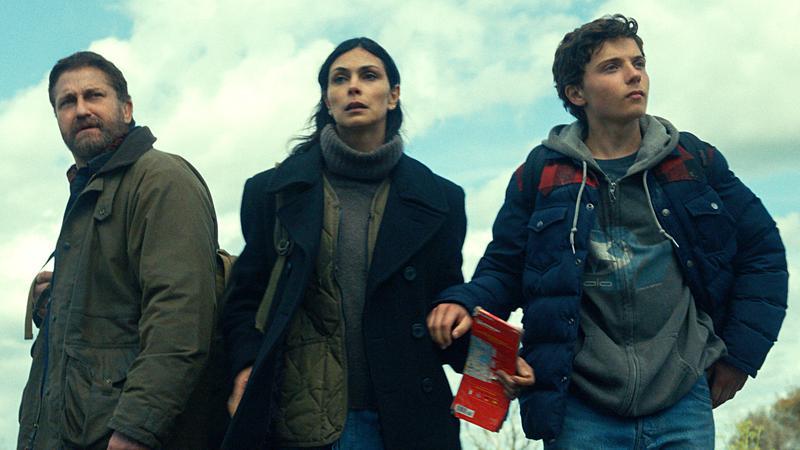
The New Safe Haven Has a Direct Connection to the Dinosaurs.
- TopMob: “They’re looking to move to a new location, an impact crater that is supposedly a paradise, in a sense, a safe haven. Within your research, could that actually exist in a situation like this? Are those impact areas potentially safe zones?”
Director Ric Roman Waugh explains a scientific theory suggesting that the area around the Yucatan crater – formed by the asteroid impact that wiped out the dinosaurs – was one of the first places on Earth to recover. The impact created a unique environment with sediment that allowed life to rebound relatively quickly, making it a potential early cradle of recovery for the planet.
- TopMob: “How much research was there, at least on your end, in terms of what an actual impact event like this would do to the world?”
We conducted extensive research, looking into details like how long it took for the atmosphere to recover after the first mass extinction event – enough for life to even exist on the surface. We also investigated the impact humans have had on the planet, separate from what happened with the dinosaurs.
Currently, we depend on nuclear power, which involves a lot of existing infrastructure and the use of valuable materials. While I’m not necessarily opposed to nuclear energy, I’m concerned about the practical implications of radioactive materials potentially entering the atmosphere, especially considering the safeguards we have in place for radiation in hospitals, weaponry, and other applications. What happens when those systems fail and these materials are released?
We researched current scientific understanding and the history of the first mass extinction event, observing examples of devastation around the world. It’s a bit unsettling to study, but it helped us understand how quickly nature recovers – or doesn’t – in different situations. This research heavily influenced how we designed the landscape and the challenges our characters would face.
Keeping This Sequel Fresh From the First Greenland
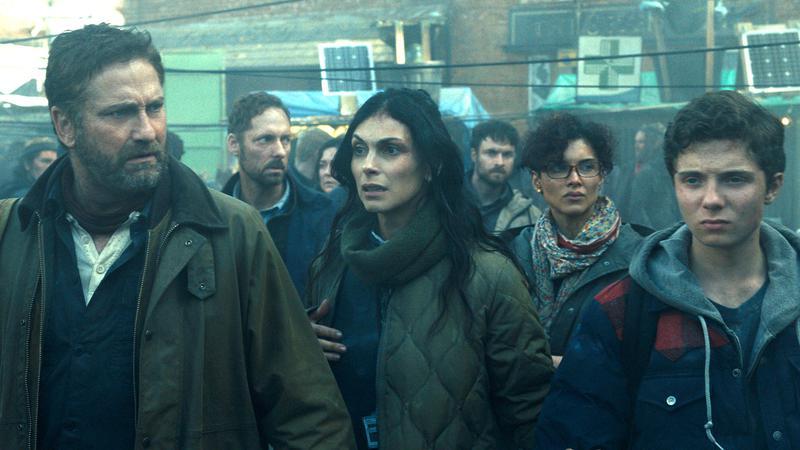
“We Never Treat It As a Sequel.”
- TopMob: “Coming into this sequel, I’m curious, because you obviously did the first movie as well, how did you specifically want this movie to carry itself in different ways from the first?”
Ric Roman Waugh explained they didn’t initially plan a sequel. In fact, they hadn’t even considered making another movie. But when they discovered the right story, they decided to create a second chapter that would flow seamlessly with the first, allowing viewers to watch both films together as one complete story. This sequel focuses on a family struggling to stay connected and ultimately defining what they want to leave behind as their legacy.
The story really focused on the family’s experiences, and we wanted to present that honestly to the audience. We didn’t shy away from difficult moments, aiming for a sense of realism even within the fantastical setting. We made the family’s journey as authentic and believable as possible.
- TopMob: “Both movies do kind of feature a journey across the world in very different ways. Was it ever challenging for you to make sure that it never felt like the film was repeating itself?”
We began by thinking about the characters’ journeys and the family dynamic from the first movie, and how that would continue in the second. Once we had a solid story, and knew people would want to see a sequel, it was crucial to us that the core message remained positive – focusing on love, kindness, and hope, even within a dark and challenging world. That’s what we really wanted to capture at the heart of the story.
From the beginning, we planned for the movie to take place five years after the initial event. This meant aging the character Nathan and establishing that he and the others had been living in the bunker for those five years. The story suggests the atmosphere needed that long to clear enough for people to see the sun again, and we wanted to build that sense of realism into the timeline.
I started thinking about what all living things have always done to stay alive, and it came down to migration. So, I wondered, if the safety of a shelter was lost, where would people go – not just to survive, but to actually live? And how would they get there without planes or modern technology, forced to rely on things like maps, compasses, and whatever else they could find?
One of the best things about the second movie, for me, was the idea that if you cause a massive global event – like shifting tectonic plates – you essentially get to redesign the world, changing its landscape and how it’s formed.
Read More
- Everything We Know About Georgie & Mandy’s First Marriage Season 3
- 2026’s Biggest Sleeper Hit With 89% RT Proves Hollywood Is Dangerously Out of Touch
- Золото прогноз
- Only Pierce Brosnan Didn’t Follow A 62-Year James Bond Movie Trend
- Прогноз нефти
- 2025 Batman Movie Releases Its Gorgeous First Poster
- 10 K-Drama Masterpieces That You Can Binge In 1 Day
- ‘Lucky Luke’ Trailer Brings Iconic Gunslinger Back on Disney+
- Nintendo Releases First Official Zelda Movie Photos, Revealing Link and Zelda in Costume
- ‘I’d Rather Stick A Gun Up My A–‘ Mickey Rourke Disputes Manager’s Claims About GoFundMe Campaign To Avoid Eviction
2026-01-08 22:37