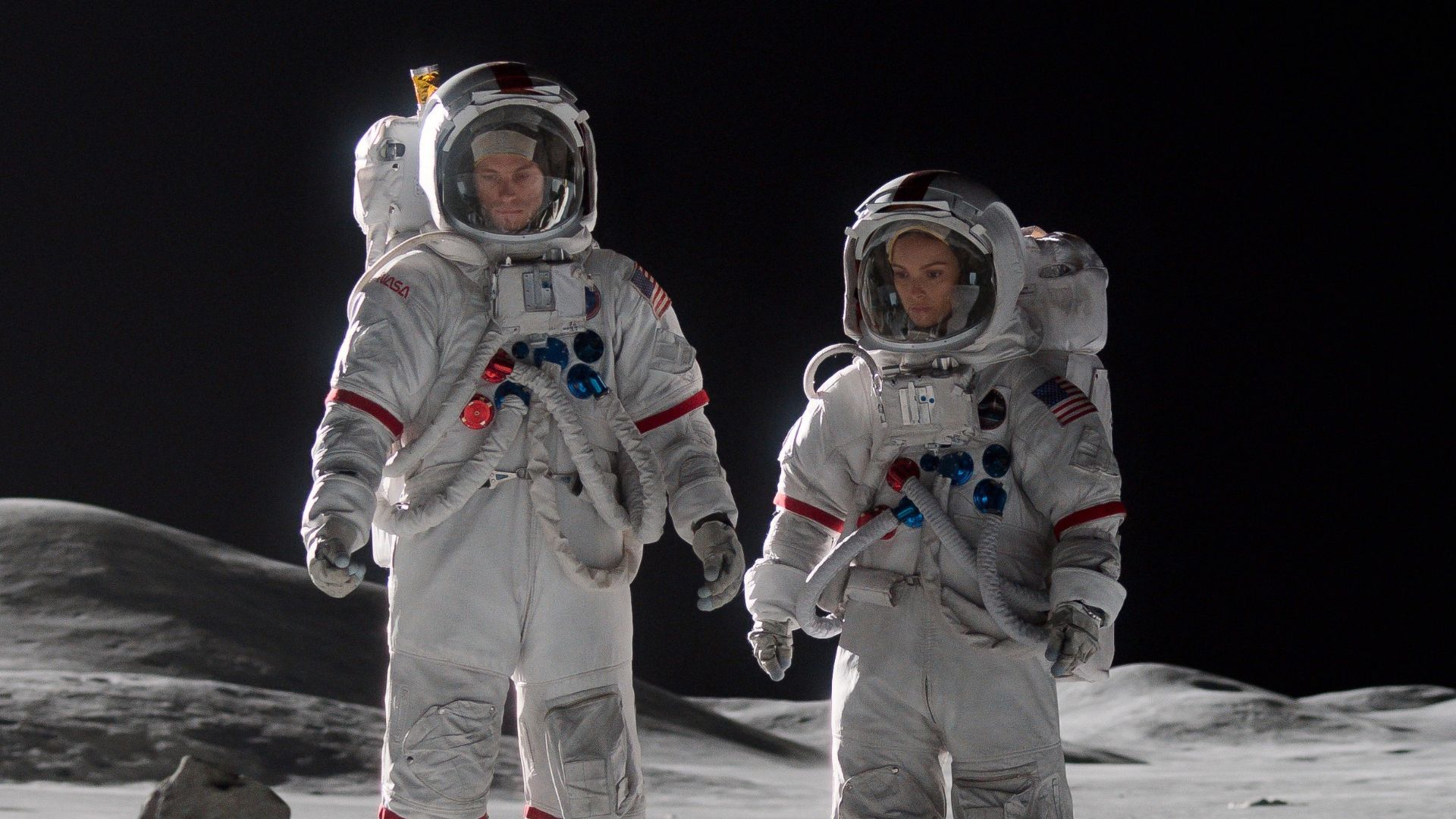
It’s hard to say exactly what makes an alternative history series truly stand out, and many shows have fallen short when trying something new. But Apple TV+’s For All Mankind tackles a historical period rarely explored in fictional ‘what if?’ scenarios.
Blending science fiction with bold storytelling, For All Mankind is a strong contender for the best alternate history show currently available. Even if it wasn’t the best, it’s significantly impacted the genre and demonstrated its incredible potential.
For All Mankind Establishes a Different Space Race
Developed by Ronald D. Moore, Matt Wolpert, and Ben Nedivi, the show quickly gained viewers and has continued to improve with each new season.
The show For All Mankind reimagines the Space Race, starting in 1969, by asking what if the Soviet Union had been the first to land on the moon. This alternate history explores themes of social justice, including class, race, and equality, as the US strives to catch up by recruiting a more diverse group of astronauts. The series also depicts a significantly different evolution of the Soviet Union and a much faster pace of technological advancement.
I’m really captivated by this story! It imagines a world where things unfolded differently – environmental issues hit us sooner, the fight for civil rights started earlier, and we began focusing on clean energy much faster. It’s fascinating to see how one big change could ripple through history. And honestly, the actors really bring it to life. Joel Kinnaman, Sarah Jones, Michael Dorman, Shantel VanSanten, and Wrenn Schmidt are just fantastic, and the whole cast is incredibly strong.
With four seasons and forty episodes already available, For All Mankind has become a popular and important show for Apple TV+. It’s one of the platform’s longest-running series, and viewers consistently return because of its compelling central idea.
For All Mankind Doesn’t Treat the Genre as a Gimmick
To understand what makes For All Mankind a compelling alternate history, it helps to compare it to other shows in the genre – those that have succeeded, and those that haven’t quite lived up to expectations. Many people immediately think of The Man in the High Castle, the Amazon series based on the novel exploring a world where the Nazis won World War II. It’s a well-known premise that allows for exploring the typical tropes of a Nazi-controlled government.
Initially, The Man in the High Castle brilliantly explores its core idea—what if the Axis powers had won World War II. However, the show loses focus when it introduces a multiverse concept, shifting away from a realistic alternate history to a broader, more abstract discussion about parallel universes. This is a stark contrast to For All Mankind, which stays firmly rooted in a plausible, grounded alternate reality without resorting to multiverse tropes.
Some shows explore ‘what if?’ scenarios by changing established historical events, like Marvel’s What If…?, though their impact often relies on this single idea. Other shows offer a modern take on historical periods, such as Bridgerton, which presents a reimagined Britain. While these shows include historical differences, those differences aren’t always the central focus of the story.
While some shows play with the idea, few fully explore the possibilities of alternate history. Watchmen, for example, considers what the world would be like if superheroes existed, and Timeless focuses heavily on time travel and preventing changes to the past. Often, these shows feel like they’ll ultimately reset to the original timeline or shift focus to something else entirely. This show stands out by consistently centering its story around the consequences of altered history.
For All Mankind Is Able to Fully Realize the Concept
What makes For All Mankind special is its exploration of an alternate history – a world where events unfolded differently than they did in reality. The show brilliantly demonstrates how a single change can ripple outwards, dramatically altering the course of everything. It not only reflects on our own world, highlighting past mistakes, but also examines the far-reaching consequences of even small decisions. While the concept of alternate history isn’t new, For All Mankind executes it with exceptional skill and impact.
The show’s use of time jumps suggests a carefully considered, long-term vision for how it will depict history. It avoids easy explanations like alternate universes or connections to other shows. Instead, For All Mankind aims for a realistic and grounded approach to the space race genre, prioritizing in-depth character development and storylines that evolve naturally from its altered historical timeline. It’s not relying on twists or gimmicks; it’s a genuine exploration of ‘what if?’
For All Mankind is a show that fully embraces its premise and avoids superficiality. It prioritizes realistic and compelling character development, allowing the audience to genuinely understand the consequences of this altered history. This creates a fascinating, almost dreamlike experience, offering a glimpse into a world of possibilities that diverges significantly from our own.
It’s hard to imagine another show like For All Mankind. Each season boldly expands its universe, taking the story in unexpected directions. This willingness to embrace change is rare; most shows prefer to eventually revert to their original settings. It’s unlikely any series will take such big risks again.
Found an error? Send it so it can be corrected.
Read More
- Everything We Know About Georgie & Mandy’s First Marriage Season 3
- Золото прогноз
- Original Harry Potter Star Is ‘Sick of Talking About’ Potential Reboot Return
- Star Of 5 Taylor Sheridan TV Shows Addresses Potential Role In 2026 Western Series
- ‘Lucky Luke’ Trailer Brings Iconic Gunslinger Back on Disney+
- Прогноз нефти
- 10 K-Drama Masterpieces That You Can Binge In 1 Day
- 2026’s Biggest Sleeper Hit With 89% RT Proves Hollywood Is Dangerously Out of Touch
- 2025 Batman Movie Releases Its Gorgeous First Poster
- Anthony Hopkins & Ryan Gosling Stole the Show in This Overlooked Mystery Gem
2026-02-25 08:11