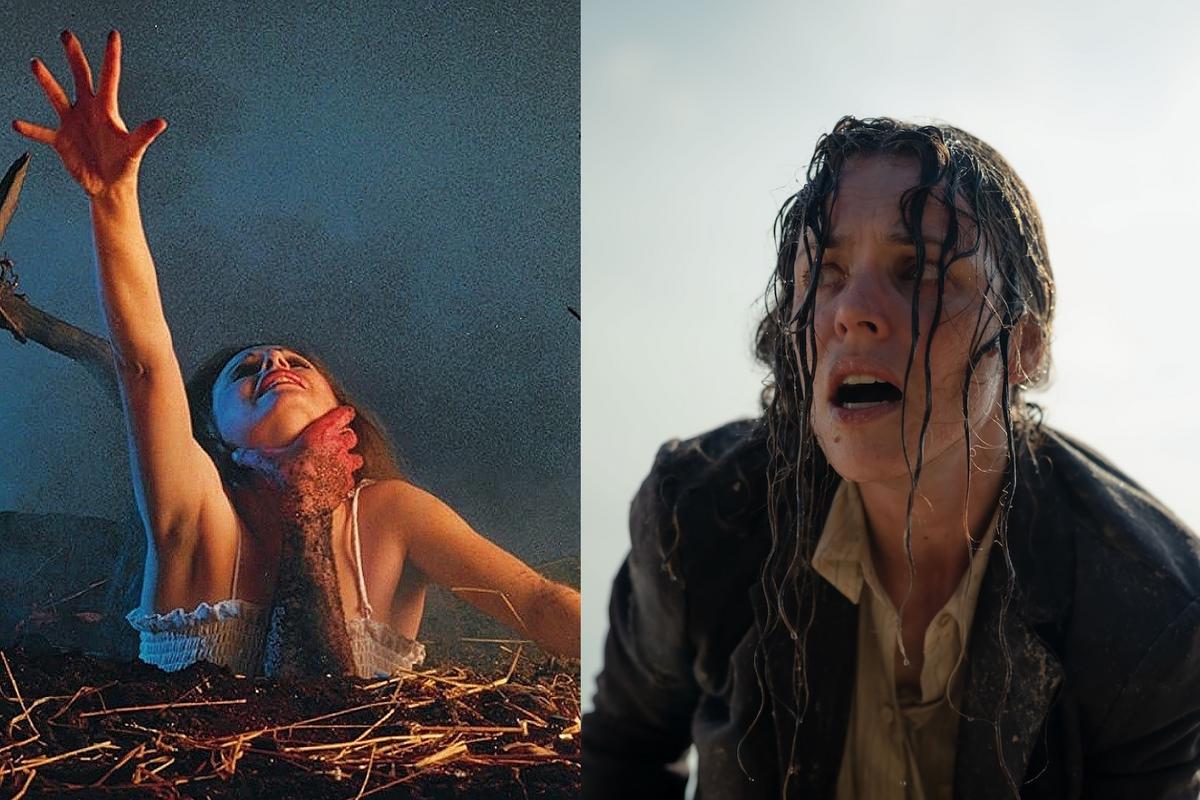
Sam Raimi isn’t a prolific filmmaker. Over the past 15 years, he’s directed just three movies: the fantasy adventure Oz the Great and Powerful, the Marvel sequel Doctor Strange in the Multiverse of Madness, and his newest film, Send Help, released in 2026. Although he’s been involved in other projects as a producer, Raimi has directed only 16 feature films throughout his career of more than 40 years.
Sam Raimi has directed 16 films, and most of them are either very good or truly exceptional, making it a pleasure to compare and rank them. Though he’s famous for horror and superhero movies, he’s also explored other genres like sports, crime, and westerns. While not every film is a perfect success, Raimi has consistently delivered high-quality work over his forty-year career – sometimes even while creating famously low-budget, inventive shots.
Okay, so as a huge Sam Raimi fan, I’ve finally ranked all of his movies, right up to his latest, Send Help. I get asked all the time which Spider-Man film is the best, or which Evil Dead movie is the ultimate champion. My personal picks? Well, they might not be what you expect…
Every Sam Raimi Movie, Ranked From Worst to Best

16. For Love of the Game (1999)
For Love of the Game stands out as an unusual film in Sam Raimi’s filmography. It’s his only sports movie, and one of the few without any science fiction or supernatural elements. Unfortunately, it’s not very good. Kevin Costner plays an older baseball pitcher who’s potentially pitching his last game, and happens to be throwing a perfect game. The movie’s biggest problem is its slow pace. Raimi cuts between the game itself – and Costner’s internal struggles as he tries to outsmart each batter (some of which is well-done) – and flashbacks to his difficult relationship with his girlfriend (which isn’t always successful). Instead of a thrilling, high-stakes contest, For Love of the Game feels overly long and drawn out. As a minor point, and I know the phrase is used in the film, shouldn’t the title be For the Love of the Game? It sounds strange to say “for love of the game” without the word ‘the’.

15. Crimewave (1985)
After the success of The Evil Dead, Sam Raimi directed Crimewave, a silly comedy about a man wrongly accused of murder. While the story seemed perfect for Raimi’s style, the studio interfered heavily. They wouldn’t let him cast Bruce Campbell as the lead, giving him a smaller role instead, and replaced both his chosen composer and editor. This meddling is obvious in the final cut, which is confusing and difficult to follow. Crimewave does show glimpses of Raimi’s talent, but it ultimately feels like a film that was heavily compromised.

14. Oz: The Great and Powerful (2013)
Sam Raimi’s Oz the Great and Powerful is a vibrant prequel to The Wizard of Oz. It follows Oscar (James Franco), a carnival magician who finds himself in a magical land where people believe he’s their hero. He’s tempted by the idea of becoming a savior. The film blends Raimi’s signature dark humor and mild thrills with visually stunning special effects. While not a masterpiece, it’s a solid and enjoyable film – and, as the film suggests, that’s perfectly okay.

13. Spider-Man 3 (2007)
Sam Raimi’s Spider-Man 3 has often been criticized – even by Raimi himself, who once felt it didn’t quite succeed. While it’s true the movie isn’t perfect, it contains some of the best action scenes from the Tobey Maguire Spider-Man films, such as the thrilling rescue of Gwen Stacy. Many viewers have struggled with the portrayal of Venom, especially the way the black suit is used for comedic effect, like when Peter Parker, influenced by the suit, starts dancing in the streets.
This approach felt out of step with the trend toward darker, more serious superhero movies at the time. However, if you see Spider-Man 3 as Raimi intentionally poking fun at the idea of a “dark” comic book movie with Venom, the film becomes much more enjoyable.

12. The Gift (2000)
Before Sam Raimi directed the first Spider-Man film, he made this smaller, suspenseful thriller. It centers on a fortune teller, played by Cate Blanchett, who becomes involved in a murder investigation in a small town. Personally, I don’t enjoy movies where the main characters aren’t very bright, and this film falls into that category. Blanchett’s character is supposed to be psychic, but she consistently misreads situations, wrongly accuses people, and puts herself in danger. She’s simply not a very good psychic, friend, or detective – the audience figures out who the killer is long before she does. Despite this, The Gift boasts a strong cast, featuring Katie Holmes, Hilary Swank, Greg Kinnear, Giovanni Ribisi, Michael Jeter, and future Spider-Man actors J.K. Simmons and Rosemary Harris, along with a surprisingly believable Keanu Reeves playing a prejudiced rural character.

11. Dr. Strange in the Multiverse of Madness (2022)
Sam Raimi, the director, returned to Marvel after a 15-year break with this fun and chaotic movie about a fight to save the multiverse. Similar to his earlier Spider-Man films, Raimi brought his unique style—including silly humor, scary zombies, and sudden surprises—to the typical superhero story. Though it’s not his best work, the movie sometimes feels like a bigger, more expensive version of his classic Army of Darkness, and that’s a good thing.

10. The Evil Dead (1981)
Following some early student films, Sam Raimi, producer Robert Tapert, and actor Bruce Campbell pooled together $90,000 to create their own low-budget horror movie. They developed clever, inexpensive filmmaking tricks—like attaching a camera to a piece of wood or a bicycle—to create a unique perspective, making the film’s limitations work for it creatively. While the special effects and camera work were impressive for the time and budget, Raimi was still developing his sense of pacing and atmosphere, and Campbell was still growing into his role as a lead actor. The Evil Dead showed a lot of potential from Raimi, but his best work was still ahead of him.

9. A Simple Plan (1998)
Like Sam Raimi’s earlier film, The Gift, A Simple Plan is a dark story about betrayal and murder in a small town, focusing on everyday people who make disastrous choices. The plot centers around brothers Hank and Jacob, and their friend Lou, who discover $4 million in a crashed plane. What unfolds is a compelling warning about how greed can destroy people. A Simple Plan marked a turning point in Raimi’s career, moving him into mainstream studio filmmaking and earning Academy Award nominations for Billy Bob Thornton and the film’s writer, Scott B. Smith. The movie is expertly crafted with a powerfully emotional ending, though it’s surprisingly subdued – almost as if it’s a Sam Raimi film designed for viewers who don’t typically enjoy his work.

8. The Quick and the Dead (1995)
Looking back at ’90s movies, I think critics really missed the mark on this one – it might be their biggest mistake! I was hesitant to watch it for a long time, honestly. Everyone told me it was a cheesy, over-the-top Western, and even though I became a huge Sam Raimi fan, that reputation stuck. But wow, was I wrong! It has an incredible cast – Gene Hackman, Leonardo DiCaprio, Tobin Bell, Lance Henriksen, Keith David, Gary Sinise, Woody Strode, Pat Hingle, Mark Boone Junior, and even a young Russell Crowe before he blew up with L.A. Confidential. Plus, the writing is fantastic – really smart, gritty dialogue for a Western – and Raimi brings all his signature visual flair to the gunfights. Seriously, what’s not to love about this movie?

7. Send Help (2026)
Sam Raimi is back to his roots with Send Help, a wildly entertaining and gruesome survival story. After a plane crash leaves them stranded on a desert island, a spoiled and arrogant man (Dylan O’Brien) must rely on the help of his mistreated, but resourceful, colleague (Rachel McAdams). While it’s Raimi’s first film in over two decades without supernatural elements, he doesn’t pull any punches – expect dark humor, plenty of blood, and his signature frantic camera work. Many are calling it his most purely ‘Sam Raimi’ film of the 21st century.

6. Darkman (1990)
You know, whenever people talk about the greatest superhero movies, Darkman always seems to get left out. I guess because Sam Raimi created the character specifically for the film – it wasn’t a comic book adaptation. And let’s be honest, having a hero who basically calls himself a monster and looks pretty terrifying probably doesn’t help! But honestly, Raimi’s first superhero film was a brilliant mix of horror, action, and comedy – a really fun and unique take on the genre.
5. Spider-Man (2002)
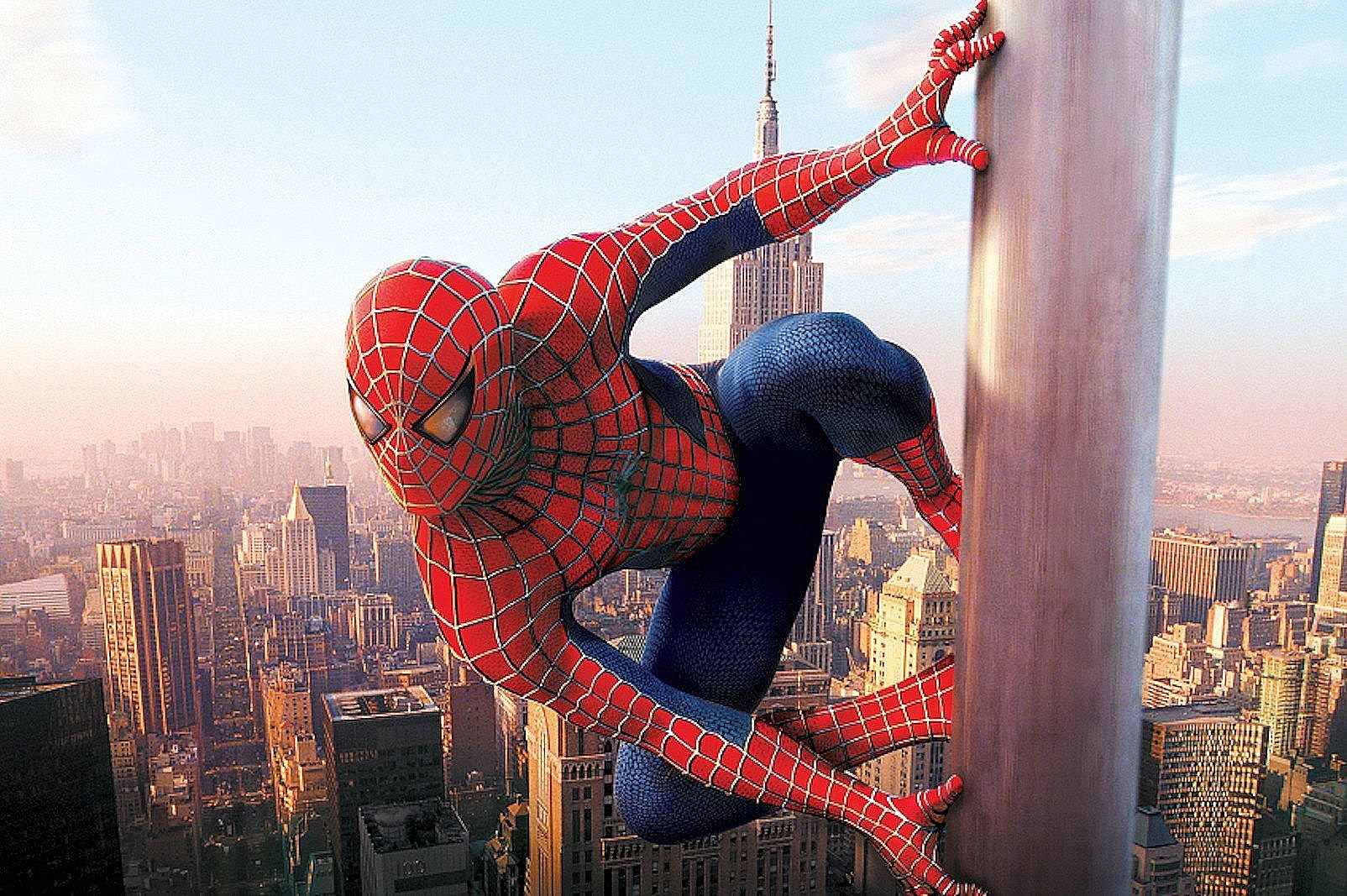
With so many Spider-Man movies being released now, it’s easy to forget how groundbreaking Sam Raimi’s first film was. At a time when most comic book movies tried to distance themselves from the original stories – even good ones like X-Men – Raimi’s Spider-Man nailed everything: the suit, the action, the special effects, Uncle Ben’s death, and Peter Parker’s relationships with Norman and Harry Osborn. The film’s record-breaking opening weekend changed how audiences and studios viewed comic books, essentially launching the era of cinematic universes we know today. And, let’s not forget, Macho Man Randy Savage is fantastic as Bonesaw, Peter Parker’s wrestling opponent!
4. Evil Dead II (1987)
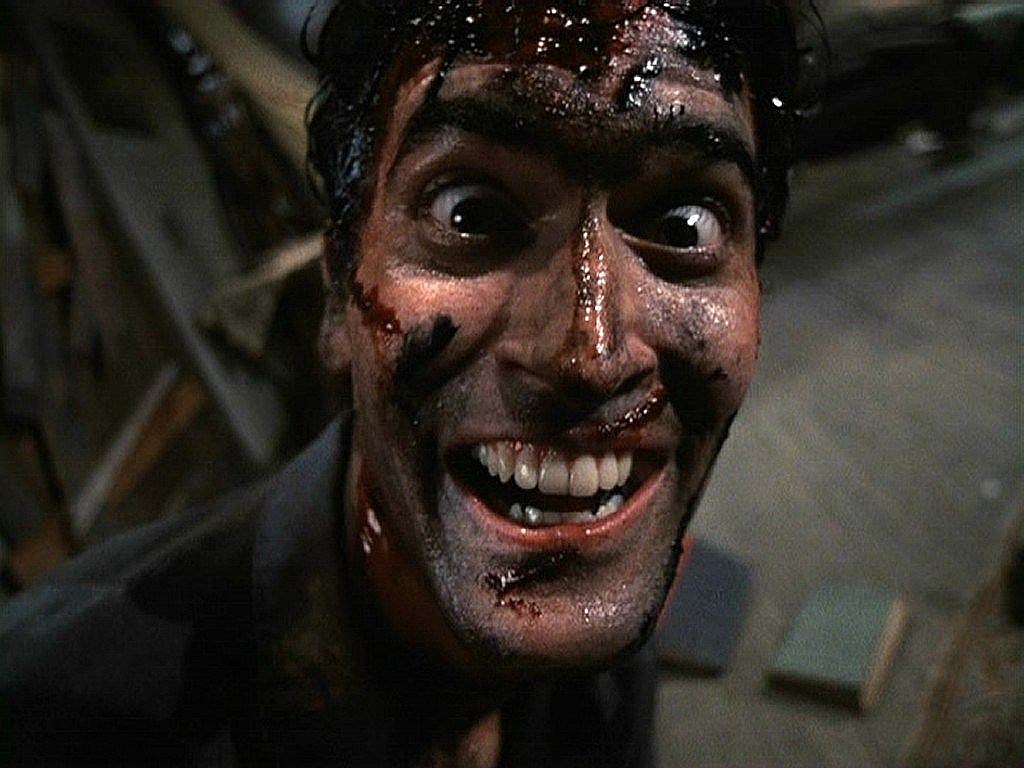
A mix of sequel and remake, Evil Dead II improved upon the original Evil Dead in every way – it was scarier, more over-the-top, and much funnier. Director Sam Raimi and Bruce Campbell combined gruesome horror with slapstick comedy, and in the process, created a unique and memorable place for themselves in the horror genre. While a bit rough around the edges, Evil Dead II remains incredibly influential.

3. Drag Me to Hell (2009)
After experimenting with different types of films like westerns, crime stories, and superhero movies for many years, Sam Raimi powerfully returned to his horror roots with the excellent Drag Me to Hell. The film is a classic horror story about a bank employee who is cursed and haunted by a demon because of her ambition. Raimi’s Spider-Man films show his belief in heroism and selflessness, but he also clearly enjoys creating truly frightening and disturbing scenes, as seen in his Evil Dead movies and again here. Drag Me to Hell is a prime example of this, putting the character played by Alison Lohman through a terrifying ordeal that showcases Raimi’s playfully wicked side – and his most creatively cruel ideas.
2. Spider-Man 2 (2004)
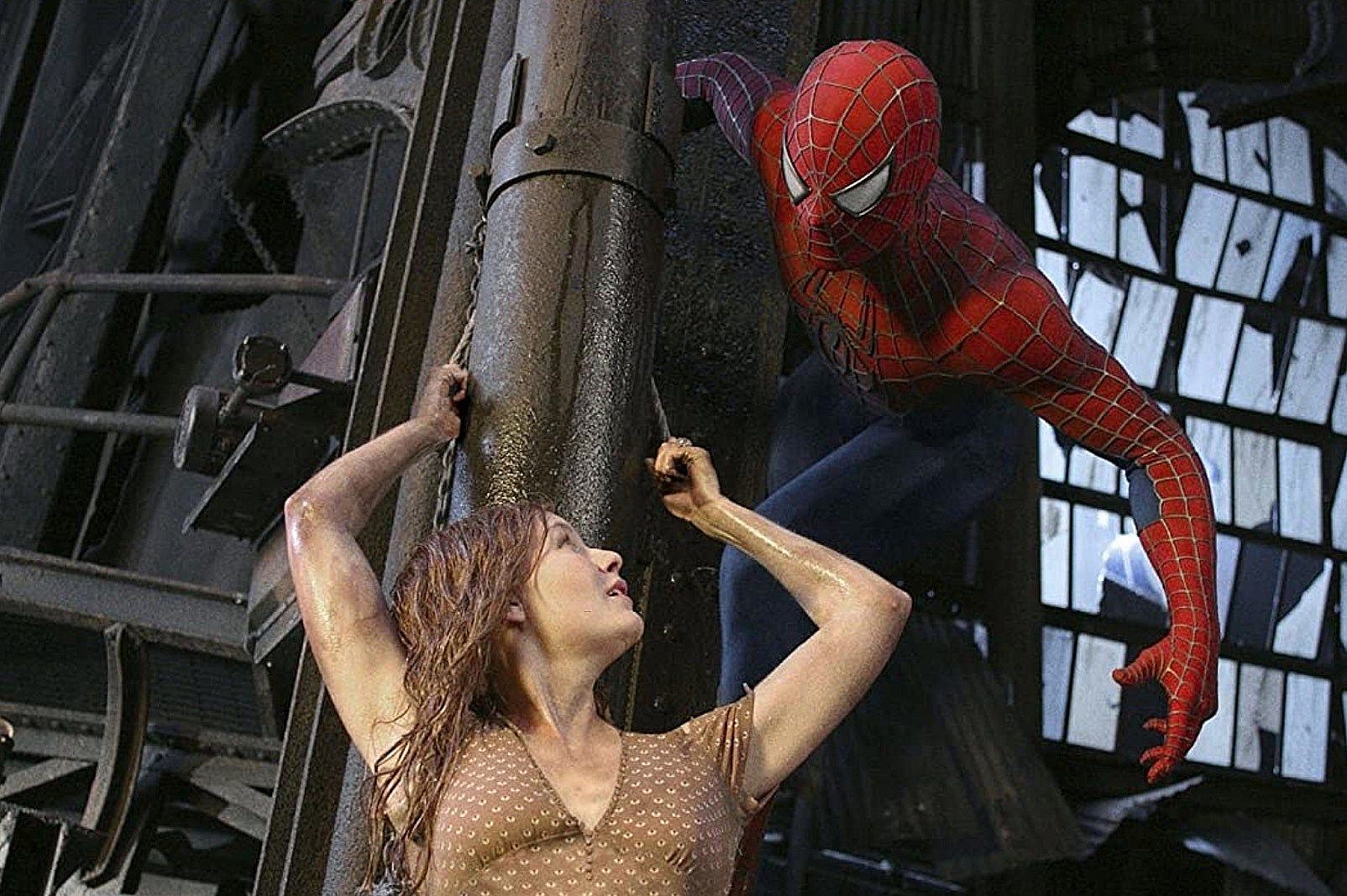
As a huge Spider-Man fan, I always thought what really made Spider-Man 2 special was that it didn’t have to bother with an origin story and a whole new adventure all at once. Sam Raimi used that freedom to create a really deep story about Peter Parker and this brilliant, but ultimately flawed, scientist, Doc Ock. The effects still hold up amazingly well – that train sequence is still one of the best Spider-Man moments ever filmed! And honestly, the way the movie just keeps throwing problem after problem at Peter is almost painful to watch, which makes the ending – even though it’s a little sad – feel so earned and satisfying.

1. Army of Darkness (1992)
The way Sam Raimi directed in the 1990s was truly unique. You could practically build a film school lesson around the first 20 minutes of Army of Darkness. His use of camera movements – pans, zooms, and tracking shots – was energetic and fast-paced, but always served to tell the story and amplify the humor and horror. He seamlessly blended terrifying moments with slapstick comedy like no other director. And with Bruce Campbell giving a hilariously over-the-top performance, the film is a genuine classic of comedic horror.
Every Steven Spielberg Movie, Ranked

36. 1941 (1979)
After the huge successes of Jaws and Close Encounters of the Third Kind, Spielberg tried his hand at comedy with 1941. However, the film ended up being a chaotic and overlong mess. It’s a spoof of the widespread panic in Southern California following the attack on Pearl Harbor in December 1941. Despite featuring a fantastic cast – including Dan Aykroyd, John Belushi, John Candy, and even Toshiro Mifune – the movie lacks any truly compelling characters. The humor becomes increasingly frantic as Spielberg tries too hard to get laughs. A director’s cut actually adds over 30 minutes to the runtime, when the film really needs to be much shorter. Ultimately, 1941 serves as a reminder that even talented filmmakers can create a flop.

35. Something Evil (1972)
This early horror film directed by Spielberg may have foreshadowed elements of his later hit, Poltergeist. It tells the story of a family who moves to the countryside and discovers their new home might be haunted by Satan. While it followed his successful film Duel, it doesn’t quite live up to that standard. Aside from a few well-edited scenes, it feels like a typical made-for-TV movie. However, it does showcase some of Spielberg’s recurring ideas – like the loss of innocence and families dealing with frightening, otherworldly experiences – in their early stages.

34. The BFG (2016)
The BFG, a kind and gentle giant, lives in Giant Country where he gathers dreams from a special tree and shares them with people all over the world. This imaginative character naturally appealed to director Steven Spielberg, a filmmaking legend known for captivating audiences. However, despite a connection to the story and impressive visuals, the movie lacks a sense of excitement or urgency. While the idea of inspiring dreams is lovely, the film unfortunately isn’t very engaging and may even lull viewers to sleep.

33. Savage (1973)
I remember watching this TV movie – it starred Martin Landau as a reporter digging into the death of a woman connected to a Supreme Court nominee. It was one of the last things Steven Spielberg did for television before he really took off making films. Looking back, the story feels pretty simple, and maybe a bit innocent considering it came out during the Watergate scandal. But even then, Spielberg showed his talent with some great visuals – I especially remember this really striking scene of a hitman creeping after someone in the shadows of a dark TV studio.

32. Hook (1991)
Spielberg’s Hook is a flawed film, but it’s worth considering alongside his other work. Like many of his best movies, it explores themes of childhood, parenthood, and lost innocence – and Spielberg himself seems to embody a similar ‘Peter Pan’ figure. However, Hook feels convoluted and overly long. While it seems to be aiming for a deeper message, it doesn’t quite land. The idea of Robin Williams’ Peter Pan rediscovering himself through fatherhood is appealing, but the way his transformation happens is confusing. Still, Dustin Hoffman delivers a delightfully over-the-top performance as Captain Hook, which is a highlight amidst the film’s issues.

31. Always (1989)
Steven Spielberg usually does well with remakes, though several others rank higher on most lists. His least successful is Always, a remake of the classic A Guy Named Joe. It stars Richard Dreyfuss as a daring firefighter pilot who dies and becomes a guardian angel to his girlfriend as she begins a relationship with someone new. Dreyfuss and Spielberg both loved the original film, going back to their time working on Jaws, and that fondness is visible. However, the source material focuses on themes—spirituality and romance—that aren’t Spielberg’s strongest suits. While Always features a lot of forest fires, the movie itself is very slow-paced and a rare instance of Spielberg focusing on his weaknesses instead of his talents.

30. Ready Player One (2018)
Spielberg’s Ready Player One is a wildly uneven film – a mix of loving tribute, sharp criticism, a nostalgic embrace of 80s pop culture, and a warning about its most devoted fans. It shouldn’t work, and it’s often a chaotic mess, but it’s strangely captivating. Few other directors could make it consistently entertaining, and at times, visually stunning – the Shining sequence is a standout moment in Spielberg’s recent work. On a separate note, a lesson for future evil geniuses: never, ever write your password on a sticky note where anyone can see it! It’s a recipe for disaster.

29. The Lost World: Jurassic Park (1997)
Spielberg’s only sequel that isn’t part of the Indiana Jones series is The Lost World, and it feels largely motivated by financial gain rather than artistic purpose. Jeff Goldblum reprises his role as Ian Malcolm, but he’s the only major character from the original Jurassic Park to return (with a few minor cameos). The film strains believability by having Malcolm, portrayed as a brilliant mathematician in the first movie, willingly go back to an island full of dangerous dinosaurs – a recurring problem in the Jurassic Park/World sequels where intelligent characters make incredibly poor choices. It’s no surprise Spielberg didn’t direct Jurassic Park III or any of the later films. While the addition of dinosaur-based martial arts is a fun idea, the rest of the movie feels chaotic and poorly constructed.
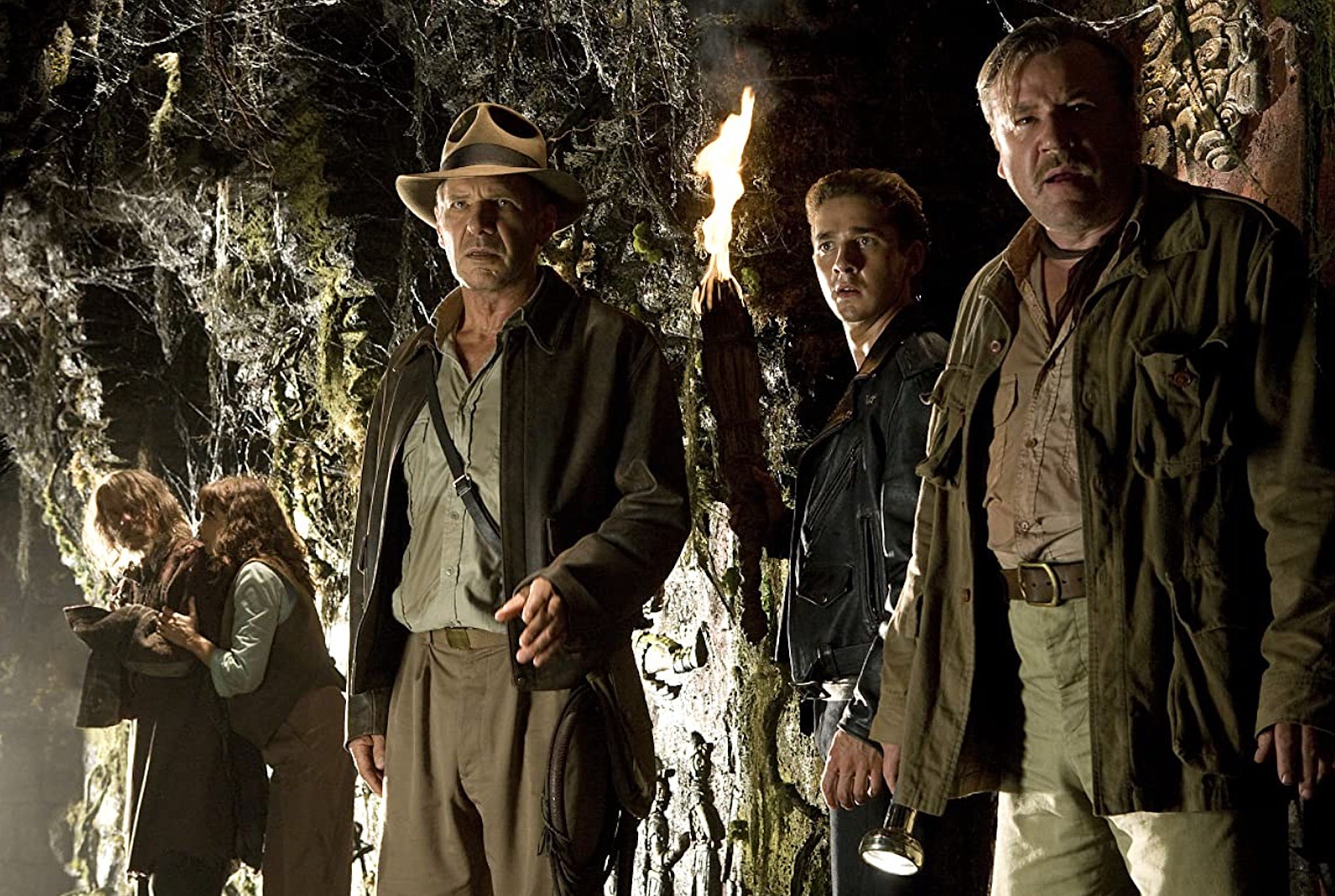
28. Indiana Jones and the Kingdom of the Crystal Skull (2008)
Harrison Ford clearly enjoys revisiting the role of Indiana Jones, and the film has some genuinely exciting moments – like a fantastic motorcycle and car chase through a university. While it’s better than many remember, it doesn’t completely escape its reputation as a disappointment. The final act, unfortunately, is a mess, featuring Shia LaBeouf’s overconfident character, Mutt Williams (a terrible name choice!), awkwardly swinging through the jungle while Cate Blanchett battles unconvincing CGI ants. Most notably, the film looks surprisingly cheap and artificial, which is unusual for a Spielberg movie.

27. War Horse (2011)
Steven Spielberg is renowned for his films and TV shows about World War II, but his exploration of World War I in War Horse wasn’t as successful. The movie, adapted from a popular novel and stage play, tells the story of a horse named Joey as he changes owners throughout the war. It’s structured like a series of connected stories, showing Joey being sold from his owner, Albert (played by Jeremy Irvine), to the British army and then captured by the Germans. While visually beautiful, the film feels somewhat distant, never quite fully connecting us with the horse at its center.

26. Amistad (1997)
This film is definitely a product of its era. Now, Amistad is best viewed as a showcase for a remarkably talented cast. Djimon Hounsou shines as the leader of a slave rebellion, and the supporting actors – Matthew McConaughey, Chiwetel Ejiofor, Morgan Freeman, Stellan Skarsgard, and especially Anthony Hopkins with his memorable performance as John Quincy Adams – all deliver strong work. The one exception might be Anna Paquin, whose pivotal scene as the Queen of Spain thankfully hasn’t circulated online.

25. The Terminal (2004)
Over the past two decades, Steven Spielberg has explored a wide range of filmmaking styles and genres. The Terminal is his effort to blend the heartwarming stories of Frank Capra with the quirky, physical comedy of Jacques Tati, and the result is surprisingly effective, even if it’s not one of his most memorable films. Casting Tom Hanks – known for playing optimistic, all-American characters – as a clumsy Eastern European man stuck at JFK Airport after his country falls apart initially seems like a strange choice. However, Spielberg cleverly uses Hanks’ familiar image to make a point about America being a nation built by immigrants, and that core American values aren’t tied to where someone is born.

24. The Color Purple (1985)
While Steven Spielberg might not have seemed like the obvious director for Alice Walker’s powerful novel about the lives of African American women in the early 1900s, his film adaptation does a beautiful job of bringing the story and its characters to life. Whoopi Goldberg and Oprah Winfrey deliver especially touching performances. The movie also proved Spielberg could handle more complex and important stories, paving the way for even more ambitious projects later in his career.

23. Munich (2005)
Unlike Steven Spielberg’s earlier films with clear heroes and villains, Munich is a complex story about the aftermath of tragedy. Eric Bana plays a Mossad agent tasked with tracking down and killing the men responsible for the 1973 Munich Olympics massacre. However, the mission doesn’t bring peace, and the agent and his team start to grapple with the ethics of their actions and whether revenge is truly justified. The film explores the futility of war and blurs the lines between justice and vengeance. While it ends with a surprisingly awkward sex scene, Munich is otherwise a gripping and thought-provoking historical drama.

22. The Sugarland Express (1974)
As a movie fan, I always find it fascinating to revisit Spielberg’s earlier work. His first major film really feels like a continuation of what he did with Duel – he was clearly a master of suspenseful action, especially involving vehicles. This one’s about a woman who breaks her husband out of prison to get their son back, and what follows is a wild, slow-motion chase across Texas. It’s genuinely funny in parts, and the ending really packs a punch. You can tell even then that Spielberg was destined for greatness – it’s a bit rough around the edges, sure, but the talent is undeniable.

21. Duel (1971)
Spielberg’s early film Duel is a tightly-paced thriller. It stars Dennis Weaver as an ordinary man terrorized by a truck driver in the Mojave Desert, all because he attempted to pass him on an empty highway. (The takeaway? Don’t mess with erratic tanker truck drivers!) Featuring a minimal cast, the movie relies entirely on building and maintaining suspense—and it does so brilliantly. Remarkably, Spielberg proved himself a master of action filmmaking with Duel at just 25 years old—and this was only the beginning of his career.

20. Empire of the Sun (1987)
You know, there’s something really strange about the second half of Empire of the Sun. It’s set in a Japanese prison camp, and it just feels…off. It doesn’t quite mesh with the harshness of the beginning or the overall story. But honestly, the stuff before that – especially those scenes in Shanghai, and little Jamie wandering around after the war starts – some of Spielberg’s most beautiful and unsettling images are in there. That scene where Jamie figures out what happened to his parents from the makeup footprints? Seriously incredible. And Christian Bale, who played Jamie, gives what I think is the best performance by a child actor, ever. It’s an imperfect movie, for sure, but it’s so underrated. I always wondered what happened to that kid – Christian Bale, right? He seemed like he had a really bright future!

19. Lincoln (2012)
Considering Steven Spielberg’s history of big, exciting movies, some viewers might anticipate a more dramatic take on the Civil War. However, Lincoln presents the 16th President as a practical politician, skillfully navigating the complex world of Washington to get the 13th Amendment passed and finally end slavery. The film is not only a fascinating look at history, but also features a brilliant, Academy Award-winning performance by Daniel Day-Lewis as Lincoln.

18. The Post (2017)
With films like Lincoln and Bridge of Spies (both also starring Tom Hanks), The Post completes a series where Spielberg explores American ideals through historical events. It’s a captivating thriller centered around journalism, and it addresses the important issue of how women are often overlooked in the workplace. While movies about writing and business can be slow and visually uninteresting, Spielberg consistently delivers dynamic films. He keeps The Post engaging with striking camera work and a fast pace. His use of sound is particularly impressive – for example, he seamlessly transitions from the sounds of a Vietnam battlefield to a helicopter and then to the clicking of a typewriter. He transforms what could have been a static, dialogue-heavy film into something lively and exciting.

17. Indiana Jones and the Temple of Doom (1984)
While not a direct continuation of Raiders of the Lost Ark, Temple of Doom deserves praise for taking a different, more daring approach. It’s significantly darker than the first film, featuring genuinely frightening villains and a disturbing sequence where Indiana Jones is brainwashed. In fact, its intensity contributed to the creation of the PG-13 rating. Though some of the film’s humor hasn’t aged well, the action sequences and special effects still hold up. The elaborate opening musical number hints at director Steven Spielberg’s long-held desire to create a movie musical.

16. Close Encounters of the Third Kind (1977)
Spielberg’s Close Encounters includes some of his most impressive filmmaking moments, particularly the scenes at Devil’s Tower. However, while visually stunning, the film doesn’t quite reach the level of his very best work because the characters aren’t as fully developed. The story centers on an electrician, Richard Dreyfuss, who becomes consumed by UFOs after an encounter. His obsession strains his family relationships to the breaking point, and once he begins his search for the aliens, the film largely ignores his wife and children. A later, more experienced Spielberg could have created a deeper and more impactful Close Encounters, and he seems to agree, having revisited and revised the film twice with special and director’s cuts released in 1980 and 1998, respectively.
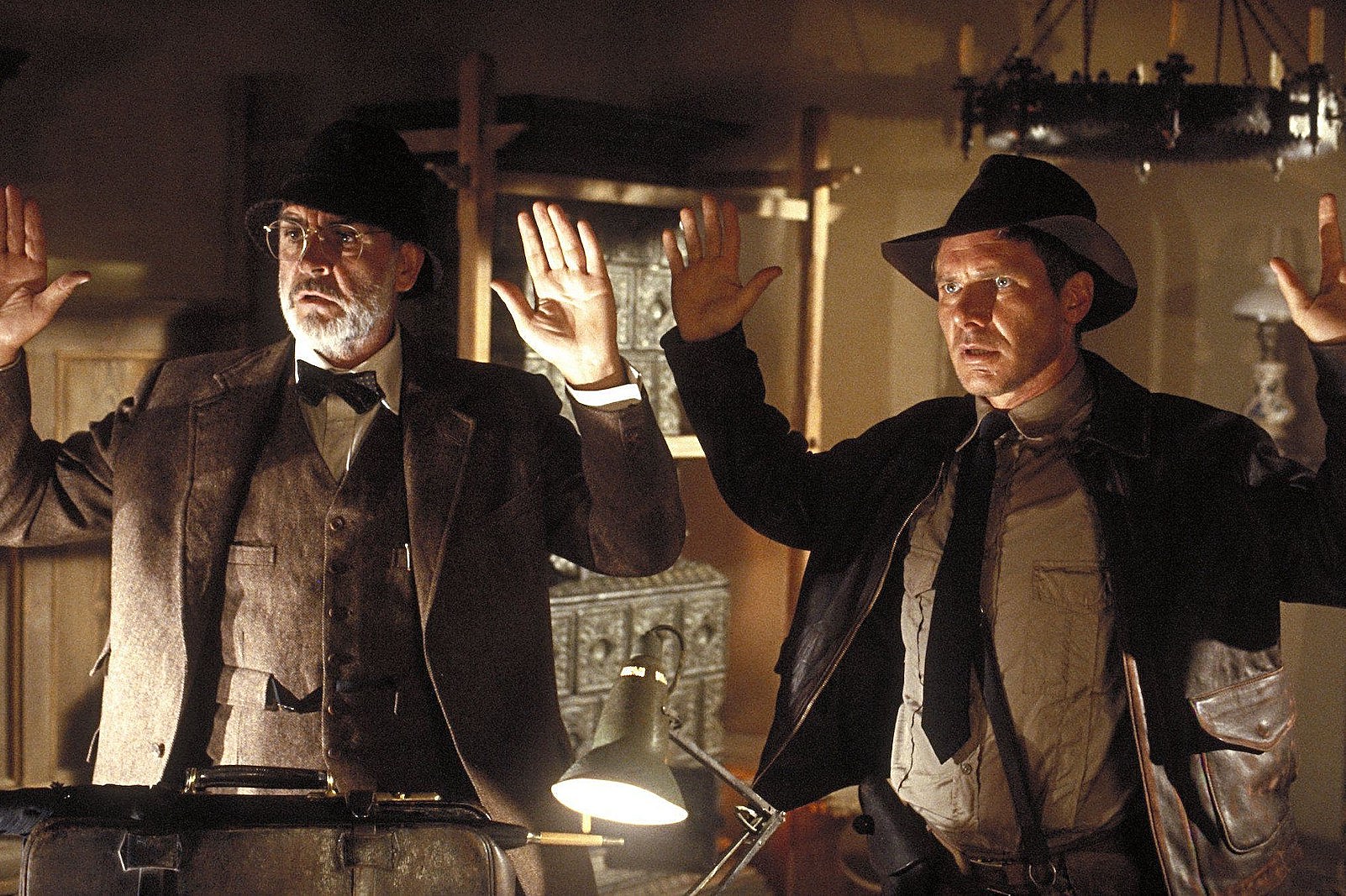
15. Indiana Jones and the Last Crusade (1989)
Despite being only twelve years apart in age, casting Sean Connery as Indiana Jones’ father was a brilliant move, and the two actors had fantastic chemistry together. The Last Crusade feels surprisingly like a buddy cop film directed by Spielberg. While it’s the most comedic of the Indiana Jones movies, The Last Crusade is also the most heartfelt and deeply personal, exploring themes of strained father-son relationships and the passage of time in a surprisingly touching way.

14. West Side Story (2021)
The 1961 film West Side Story is a beloved classic, having won 10 Academy Awards, including Best Picture. Steven Spielberg’s remake is a significant improvement, with stronger acting, better casting choices, a more polished script, and more impactful social themes. This new version feels remarkably relevant to today’s world, rather than being rooted in 1950s New York or the original Shakespearean Verona.

13. A.I. Artificial Intelligence (2001)
As a movie fan, I’ve always been fascinated by this film’s backstory. It’s a really unique project – Stanley Kubrick worked on it for years, but sadly passed away in 1999. Steven Spielberg then took over, writing the script based on Kubrick’s original ideas. Apparently, Spielberg really tried to stay true to Kubrick’s vision, and it shows. It’s a much more somber and thought-provoking movie than a lot of blockbusters, and that’s what I love about it. You can feel Kubrick’s very precise, almost detached look at artificial intelligence, but Spielberg also brings a bit of heart to the story, creating a really compelling blend.

12. War of the Worlds (2005)
The first two-thirds of the film are some of Steven Spielberg’s best and genuinely terrifying work – it’s been a long time since a movie has been this scary! It perfectly captures my fears in just 70 minutes. The intense, frightening imagery is relentless, but the final act feels like a different, much less frightening, and less depressing movie. While inspired by H.G. Wells’ story, this part doesn’t quite fit with the rest of the film. Tom Cruise isn’t necessarily playing against type – he still does plenty of running and heroic deeds, even as a working-class dock worker. However, he doesn’t usually play a divorced, low-status character and a flawed father, but he pulls it off convincingly. And, of course, he runs very well!

11. The Adventures of Tintin (2011)
Despite initially disappointing audiences and critics, The Adventures of Tintin now feels like Steven Spielberg’s final, fantastic Indiana Jones film. It’s a fast-paced, exciting adventure that takes you around the world, filled with impressive scenes and plenty of humor – a thrilling ride from start to finish. Spielberg embraced motion capture technology for the first time, directing with a newfound freedom, as if finally able to explore a full spectrum of creative possibilities after years of working within limitations.
When the film was released, some critics unfairly dismissed the incredible action and sweeping camera work simply because they were created digitally, assuming it made them easy. What they failed to recognize was Spielberg’s mastery of visual storytelling – his ability to make even the most complex feats appear effortless.

10. Bridge of Spies (2015)
Some might call Bridge of Spies old-fashioned, and they wouldn’t be wrong. It’s a lengthy film with a slow pace and a subtle visual style. But that classic approach actually suits the story, which focuses on timeless values. Like he did with Lincoln, Spielberg uses a historical setting to explore his idea of American heroism. He again stars Tom Hanks, who perfectly embodies ordinary decency, this time as an unassuming lawyer tasked with defending a Soviet spy (Mark Rylance). While set during the Cold War, Bridge of Spies feels surprisingly relevant to today’s political climate. It’s also filled with memorable, quirky characters reminiscent of a Coen brothers film – and, interestingly, the Coen brothers actually co-wrote the screenplay with Matt Charman.

9. Minority Report (2002)
Okay, so I just rewatched Minority Report and it still blows my mind! It’s classic Spielberg – a super fun action movie with a really smart idea at its core. Tom Cruise plays a cop in a future where they can arrest people before they commit crimes. But it makes you think – can you actually be accused of something you haven’t done yet? That’s the whole puzzle of the movie, and Cruise is amazing as he tries to prove his innocence before a future crime supposedly happens. It’s also kind of scary how much of Spielberg’s tech predictions have come true – especially the part about ads following you around! He predicted that stuff like 30 years ago!

8. Schindler’s List (1993)
Steven Spielberg won his only Best Picture Academy Award (and one of his two Best Director awards) for this powerful historical drama. The film portrays World War II and the Holocaust through the story of Oskar Schindler, a German businessman who risked his wealth and life to save hundreds of Jewish people by employing them in his factories.
Schindler’s List is widely considered one of the greatest biographical films ever made, skillfully telling Schindler’s story while also depicting the immense suffering of Jews during the Holocaust. Remarkably, despite its impact, some believe it might not even be Spielberg’s best film from 1993.

7. Jurassic Park (1993)
Seriously, do I even need to explain why Jurassic Park is so good? I could just as easily rave about The Godfather – it’s simply a fantastic film!

6. E.T. The Extra-Terrestrial (1982)
People used to criticize Steven Spielberg for being too emotional in his films—as if connecting with audiences’ feelings was a flaw. While some might say the emotion in E.T. is over the top, that’s likely because it’s a famously moving movie. It’s also a powerful story about feeling lost and finding your place, told through the connection between E.T. and his friend Elliott (Henry Thomas) in a sometimes harsh world. Is it overly sentimental? Perhaps. But even now, the smell of Reese’s Pieces makes me tear up, remembering the film.

5. Saving Private Ryan (1998)
I don’t usually agree with critics who only watch a movie once. In fact, I’ve seen many of the films on this list several times. Part of that is because I rely on repeated viewings to really remember things.
However, I’ve only seen Saving Private Ryan once – when it came out in theaters in 1998 at the Strathmore Cinemas in Matawan, New Jersey. Even so, I still have incredibly clear memories of many scenes: the intense Normandy invasion, the sad death of Adam Goldberg’s character, and Tom Hanks quietly saying, “earn this,” as if anyone could live up to that. I left the theater feeling physically shaken, and I never needed to see it again. It’s stayed with me vividly all these years.

4. The Fabelmans
Early in his career, Steven Spielberg was often criticized for prioritizing visual flair over meaningful content – he was seen as a master of camera work and editing, but lacking in depth of story and character. The Fabelmans demonstrates how much he’s grown as a filmmaker, and it also reveals the personal experiences that likely fueled the emotional core of his earlier films, which often featured fractured families and isolated children. This remarkable and honest film is Spielberg’s origin story, and it’s also a compassionate portrayal of his parents, brought to life by outstanding performances from Michelle Williams and Paul Dano.

3. Catch Me If You Can (2002)
Despite being a fun and lighthearted film, Catch Me If You Can is also a surprisingly moving story about loneliness and the search for family. The movie boasts an incredible cast, including Leonardo DiCaprio as the charming con artist Frank Abagnale Jr., Christopher Walken as his struggling father, and Jennifer Garner and Amy Adams as his love interests. Tom Hanks delivers a memorable performance as the determined, but somewhat somber, FBI agent Carl Hanratty.
The chase between Hanratty and Frank is both exciting and heartbreaking. Both characters are deeply isolated, and their relentless pursuit of each other becomes the central focus of their lives, highlighted by their annual Christmas phone calls. In fact, Catch Me If You Can might be one of the most beautifully melancholy Christmas movies ever made, rivaling even It’s a Wonderful Life. If you don’t enjoy this film, I’m ready with a knock-knock joke for you…
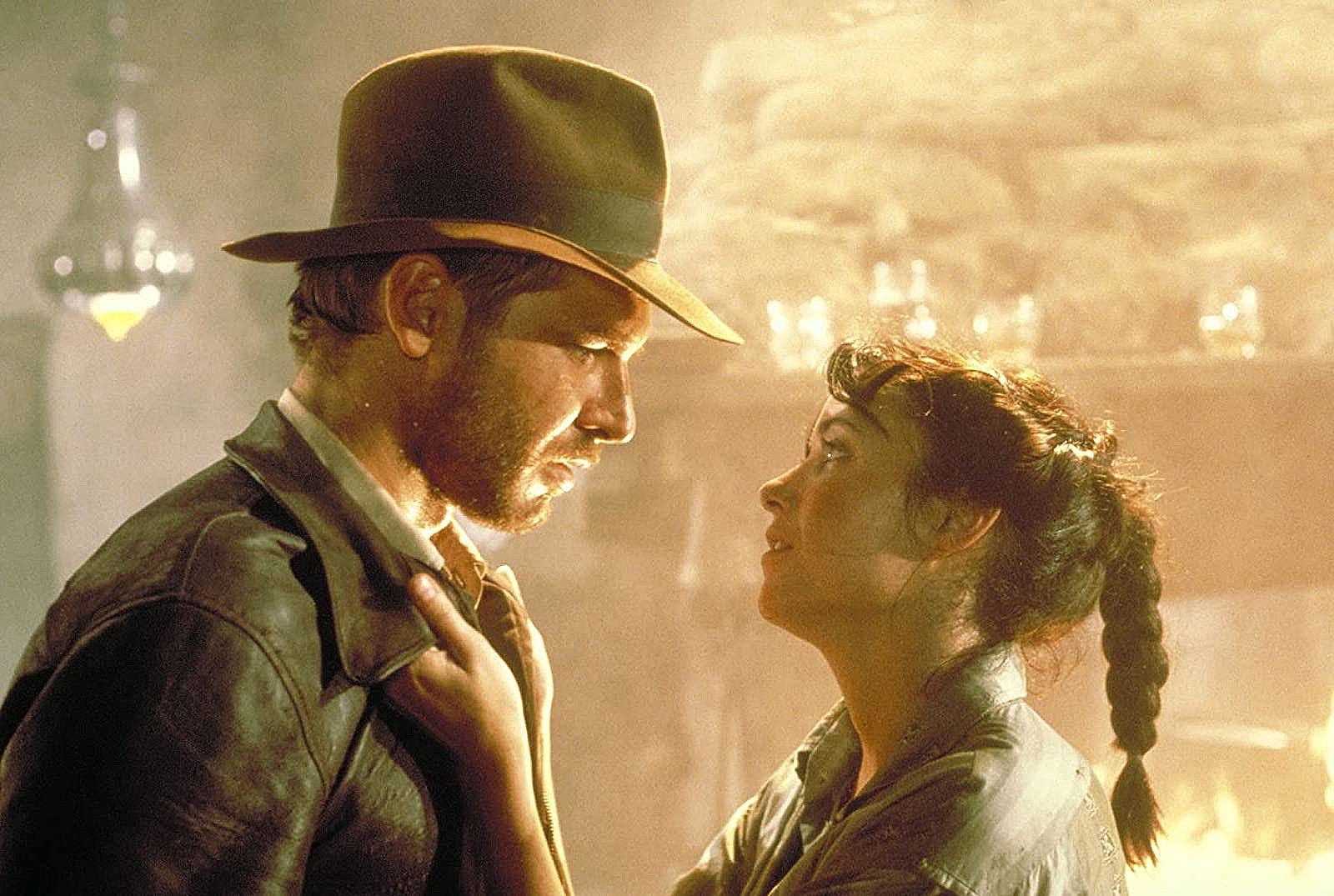
2. Raiders of the Lost Ark (1981)
The Indiana Jones movies perfectly combined the creative strengths of George Lucas and Steven Spielberg. Lucas loved creating fun, nostalgic adventures, while Spielberg was a master of exciting action and chases. This combination led to three sequels and a television series, but the original, Raiders of the Lost Ark, remains the best. It’s a classic adventure film packed with unforgettable scenes. While it might not be Spielberg’s most emotionally deep movie, it’s arguably the one you’d want to watch again and again, making it a perfect choice to preserve for future generations.

1. Jaws (1975)
The movie Jaws was a massive success, fundamentally changing how Hollywood makes and releases films – much like Star Wars did. Don’t let that bother you, though, because Jaws is far more compelling, frightening, and intelligent than most of the shark movies that followed. At its heart, it’s a surprisingly tragic story about people with addiction issues who kill a shark simply because it was trying to find food. While Spielberg directed many larger and more visually complex films later in his career, he never quite achieved the same level of perfection as he did with Jaws. Every single element – the camera angles, editing, music, dialogue, and even the close-ups of Roy Scheider’s fear – all come together flawlessly.
Read More
- ‘YouTube Customers Are Suffering.’ Disney CFO Says Company Isn’t Backing Down As Cable Outage Continues
- ‘It: Welcome to Derry’ – 2025’s Stephen King Resurgence Just Added Its Crowning Achievement
- With Frank Grillo Confirmed For Man Of Tomorrow, I Hope It Means The Next Superman Movie Will Include A Specific Peacemaker Crossover
- Hamnet’s Jessie Buckley Reacted To Paul Mescal’s Oscars Snub
- Vision Quest: MCU Rumor Is Good News for WandaVision Fans
- 3 Top Movies To Stream On Netflix This Week (October 20-24)
- I Didn’t Think The Mighty Nein Would Spoil The Legend Of Vox Machina, But Episode 4 Dropped An Interesting Reveal
- Star Trek Timeline Eras Ranked: From Worst To Best
- Daniel Craig Reacts to ‘Knives Out’ Parody With Muppets Ahead of ‘Wake Up Dead Man’ Netflix Streaming Release
- Why Giancarlo Esposito Initially Turned Down Playing Gus Fring In Breaking Bad
2026-01-27 01:09