A largely overlooked Marvel comic from the last quarter-century is “The Last Shoot,” a story co-written by Brian Azarrello and professional wrestler Raven (also known as Scott Levy), with artwork by Giuseppe Camuncoli. It tells the backstory of the famous scene in Amazing Fantasy #15 where Spider-Man first uses his powers against a wrestler.
The story transforms Crusher Hogan’s tale into a genuine tragedy. We see Hogan, a heroic wrestler, desperately trying to save the organization with one final, bold plan. He risks everything – his career and well-being – to secure everyone’s jobs by challenging any opponent. This strategy is incredibly successful, so they decide to take it on tour, hoping it will solve all their problems. However, the story ends with a shocking reveal: his next opponent is a small, seemingly insignificant kid covered in webbing.
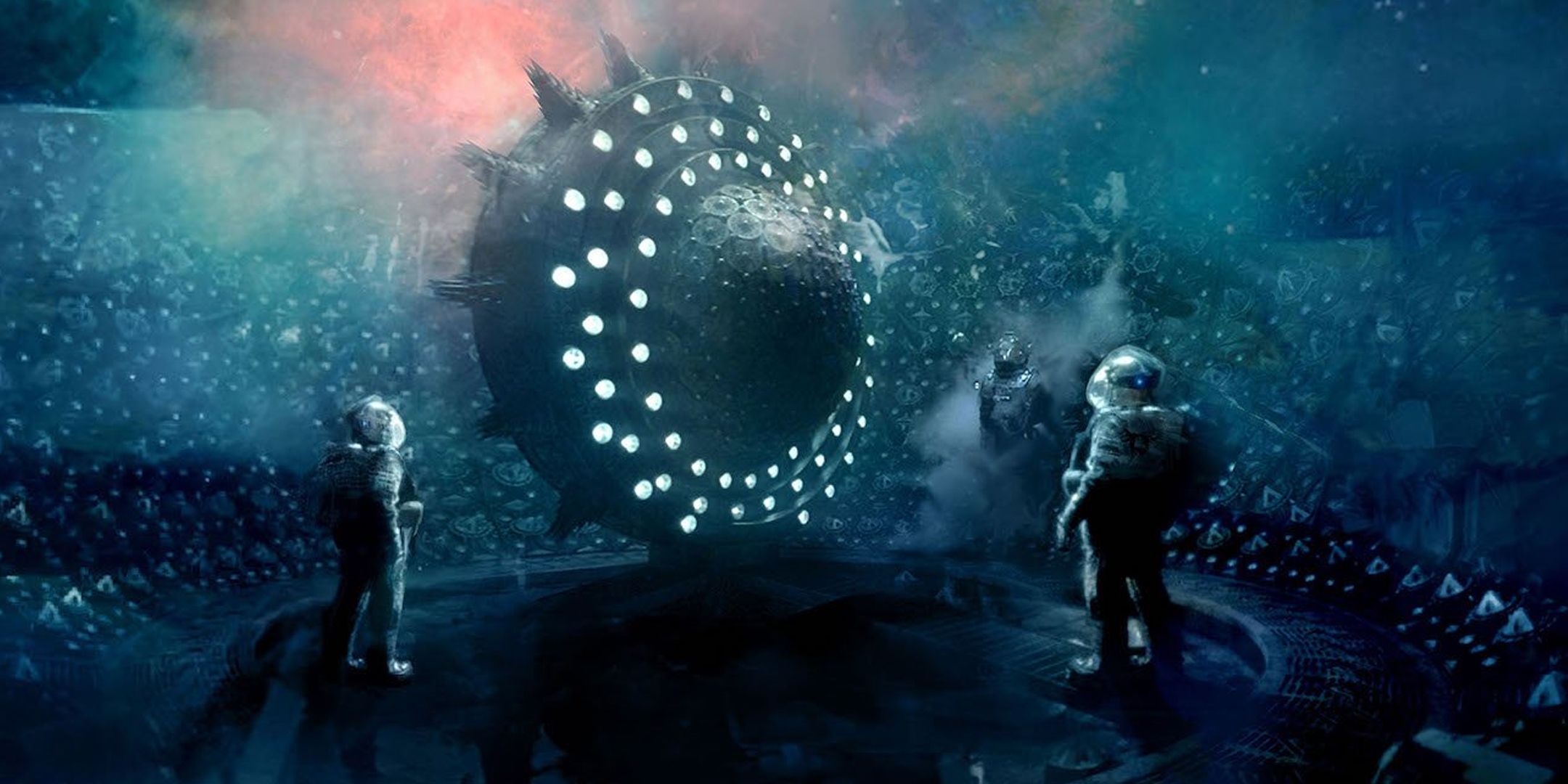
That particular example highlights how prequels can unexpectedly reshape our understanding of well-known stories. Even if a prequel doesn’t completely alter the original narrative, it can still offer a new perspective. The ending of Event Horizon: Dark Descent demonstrates this, showing that even in the bleakest situations, there’s a glimmer of hope.
Okay, so I just finished reading Event Horizon: Dark Descent #5, and wow! This issue wraps up the backstory of the Event Horizon – everything that happened before it disappeared for all those years. Christian Ward wrote it (and even did an epilogue drawing!), with art by Tristan Jones, colors by Pip Martin, and lettering by Alex Ray. Just a heads-up, I got an early look – it doesn’t actually come out until next month!
Who are the central figures of this final issue?
As I’ve mentioned previously, Christian Ward is building a strong foundation for the story. The premise relies on a demon manipulating characters through personalized visions, and to make those visions truly resonate with readers, we need to understand the backgrounds and lives of the people experiencing them.
This is the final installment, focusing on the last two crew members still holding on. Most of the crew have been driven mad by the demon Paimon, but Jennifer Kwon, a quantum physicist grieving the recent death of her twin sister, and Sara Tsang, who is dealing with an abusive husband by fighting off hallucinatory versions of him, remain.
As I mentioned before, what really makes this series effective is that the crew consistently prioritizes saving others. They aren’t focused on their own survival, but on rescuing as many people as they can.
Even though they’re trapped in a truly awful situation – essentially in Hell – these characters are showing incredible bravery. Most of them are scientists, with a few being standard crew members, and they’re working tirelessly to prevent a dangerous being named Paimon from harming our world.
So, everyone tries to stop the Event Horizon, but it totally comes back after seven years. A new rescue crew goes to check it out, and almost gets stuck too! But the really cool thing is, the story isn’t about that happening again, it’s about what the ship was up to during those seven years. That’s what’s driving the whole mystery, and it’s seriously messed up.
Is there some light to be seen amidst the darkness?
So, that’s what I mean by “light” in this discussion. As I’ve mentioned before, when things are really difficult and discouraging, even a little bit of hope can seem significant. However, realistically, a small amount of hope won’t go very far when facing overwhelming challenges.
A little bit of hope can only help when things aren’t completely hopeless. The real issue is whether that small amount of hope is enough to stop Paimon from entering our world immediately.
A central theme of this series is how people are burdened by their past experiences. This is powerfully combined with the terrifying visions inflicted upon them by Paimon. Tristan Jones and Pip Martin brilliantly bring these disturbing images to life through their artwork – the sheer amount of unsettling content they depict is remarkable. I particularly appreciate Pip Martin’s use of red, which effectively emphasizes the series’ core themes. The prevalence of red – symbolizing blood, danger, and anger – feels incredibly fitting and impactful.
Many people on the ship are burdened by their pasts, as we’ve discussed. But could those same pasts also be a source of strength? While past traumas weigh heavily on the crew and contribute to their despair, what about the positive memories and experiences? If the bad parts of their histories pull them under, perhaps the good parts could offer a way to rise above it.
Ward skillfully explains what happened to the Event Horizon during the years it was missing, finally resolving the long-standing mystery of its disappearance.
Once the mystery is solved, a beautifully spooky epilogue by the incredibly talented Ward wraps things up and perfectly sets the stage for the film, leaving a lasting, haunting impression.
I’m really excited for the next book in the Ward series, but don’t miss the final installment coming out in just a few weeks!
Read More
- Heated Rivalry Star Christina Chang Discusses Season 2 and Handling Fame
- Darth Maul Theory Teases The Return Of A Surprising Star Wars Villain In Shadow Lord
- New Chris Pratt Sci-Fi Flop Already Out on Streaming
- TT Games Issues Official Response to Divisive ‘LEGO Batman: Legacy of the Dark Knight’ Release Specs Report
- People We Meet On Vacation Star’s Rom Com Series With A 95% RT Score Is The Perfect Binge Watch This Weekend
- ‘Avatar: Fire and Ash’ Conquers Disney’s $14B Crown-Jewel Franchise Sequel at the Box Office
- ‘Hamlet’ Trailer Reveals Modern Remake Starring Riz Ahmed
- Доллар обгонит пакистанскую рупию? Эксперты раскрыли неожиданный сценарий
- Доллар обгонит колумбийское песо? Эксперты раскрыли неожиданный сценарий
- Disney’s Virtual Queue Returns: Fans Divided Over ‘Walt Disney – A Magical Life’
2026-01-21 01:43