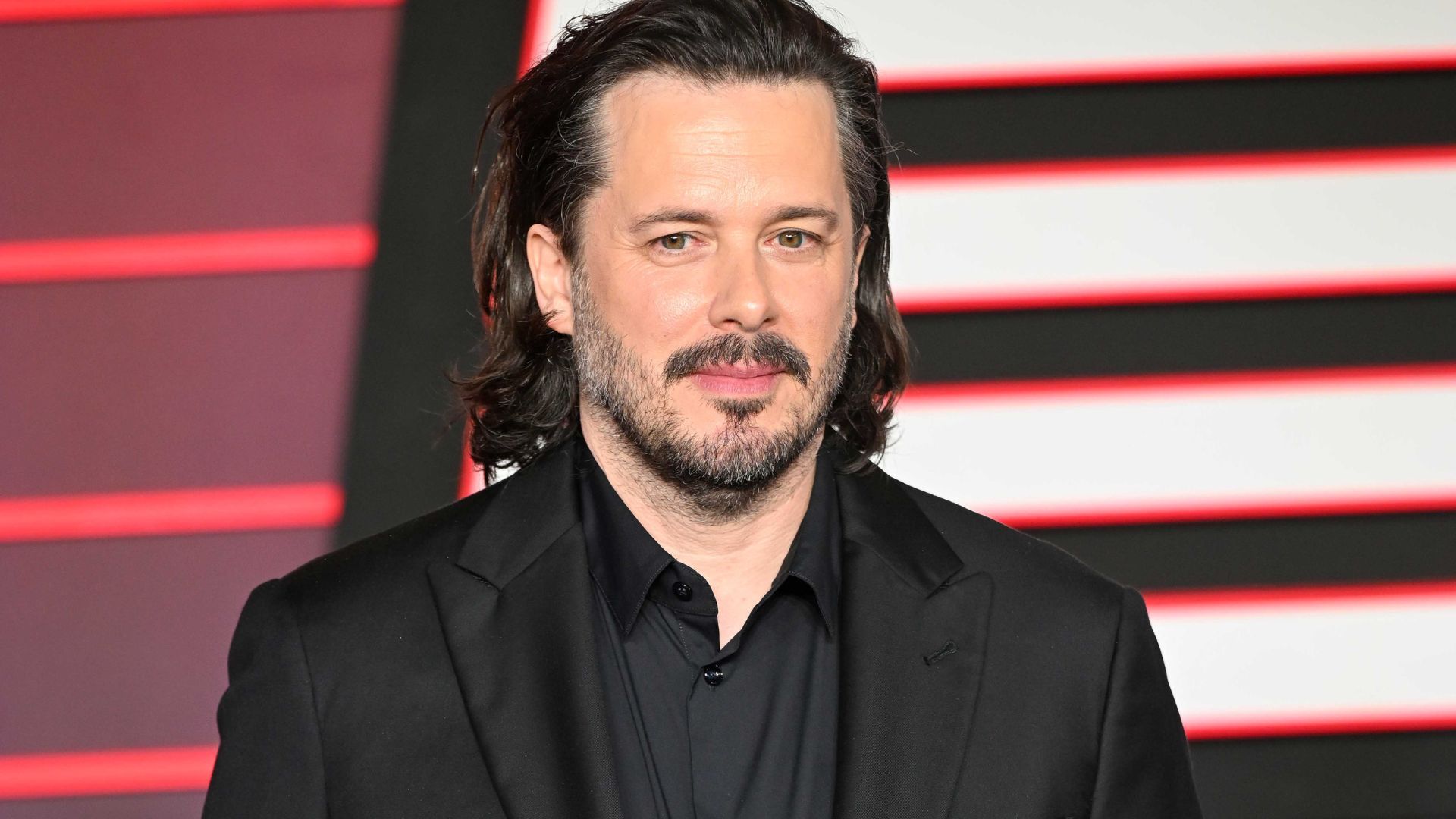
Edgar Wright is a remarkably creative and innovative filmmaker. His impressive filmography, including hits like Shaun of the Dead, Baby Driver, and Scott Pilgrim vs. the World, demonstrates the influence of his favorite movies. Wright’s distinctive comedic style sets him apart as a leading figure in modern cinema.
What really sets Edgar Wright apart for me is how effortlessly he mixes different genres. It’s clear he gets film, truly understands all its little pieces and possibilities. Like a lot of directors I admire, he’s always been open about the movies that shaped him, the ones that fuel his own creativity. Even if a particular film didn’t have a direct impact on one of his projects, it clearly played a part in igniting his passion for cinema in the first place.
Edgar Wright was asked to share his top 10 films as part of the BFI’s 2022 list of the greatest movies ever made. While many contributors chose well-known classics, Wright’s selections were surprisingly varied, spanning different time periods and types of films. He included some unexpected titles that you wouldn’t typically find on a ‘greatest films’ list.
Edgar Wright’s favorite movies are a surprising mix – some are quite different from his usual style, while others clearly influenced his filmmaking. It’s interesting to note that many aren’t straight comedies, and some are actually quite sad. He didn’t rank them, so here’s a look at how these films compare to each other.
10. Madame De… (1953)
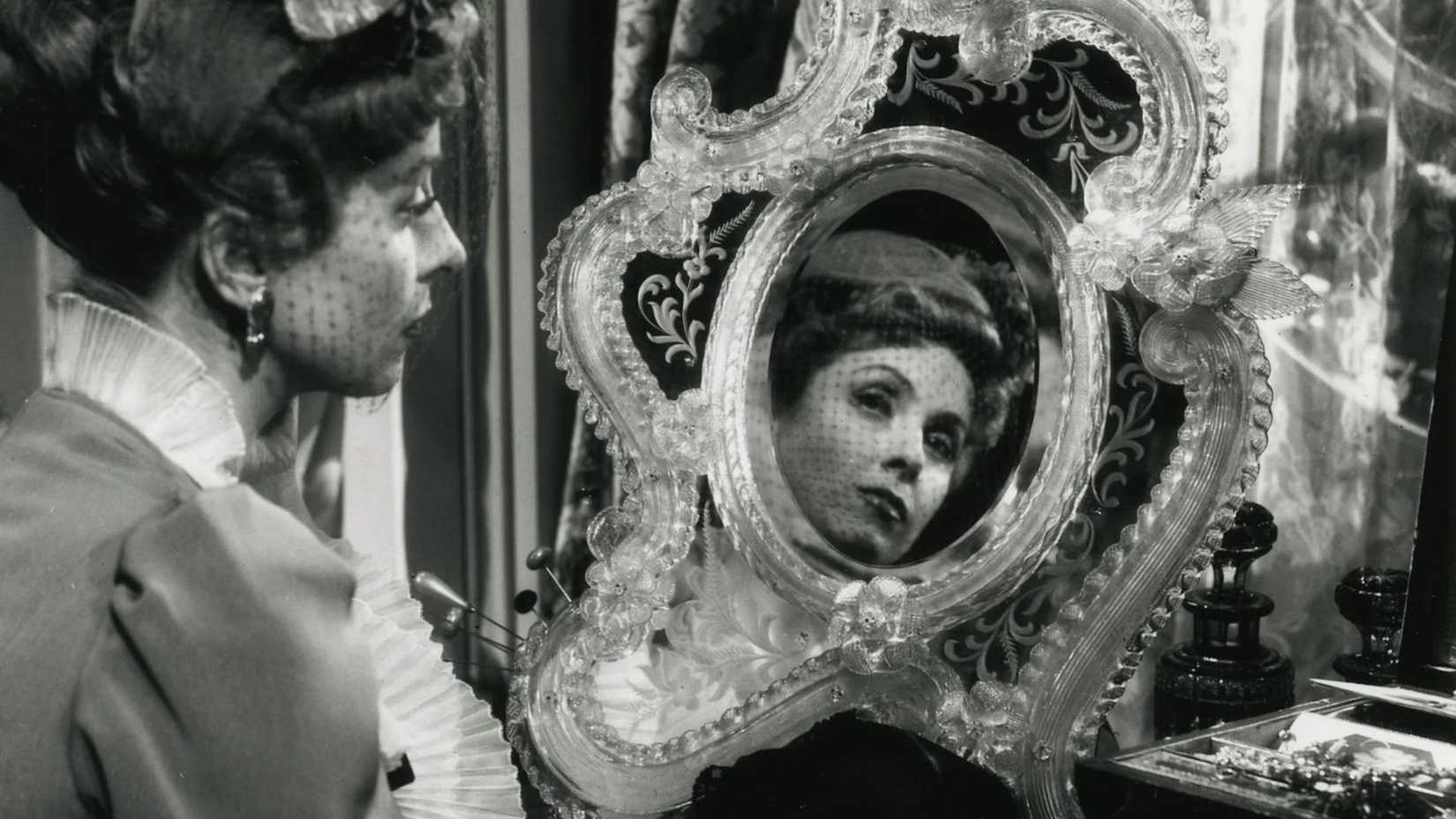
Max Ophüls’ Madame de… (also called The Earrings of Madame de…) is a truly captivating historical drama. The story follows a woman of wealth in France who must sell her prized earrings, and the film traces the earrings’ journey through the upper class of 19th-century society. The movie is visually stunning, and its beautiful imagery complements a compelling narrative.
Edgar Wright, the director, included the film on his list and described it as “astonishingly detailed.” The movie seamlessly combines elements of romance, humor, and sadness, all while maintaining the strong artistic direction of its director, Max Ophüls. Despite being very different from Wright’s own films, its skillful construction and beautiful visuals clearly influenced him.
9. Raising Arizona (1987)
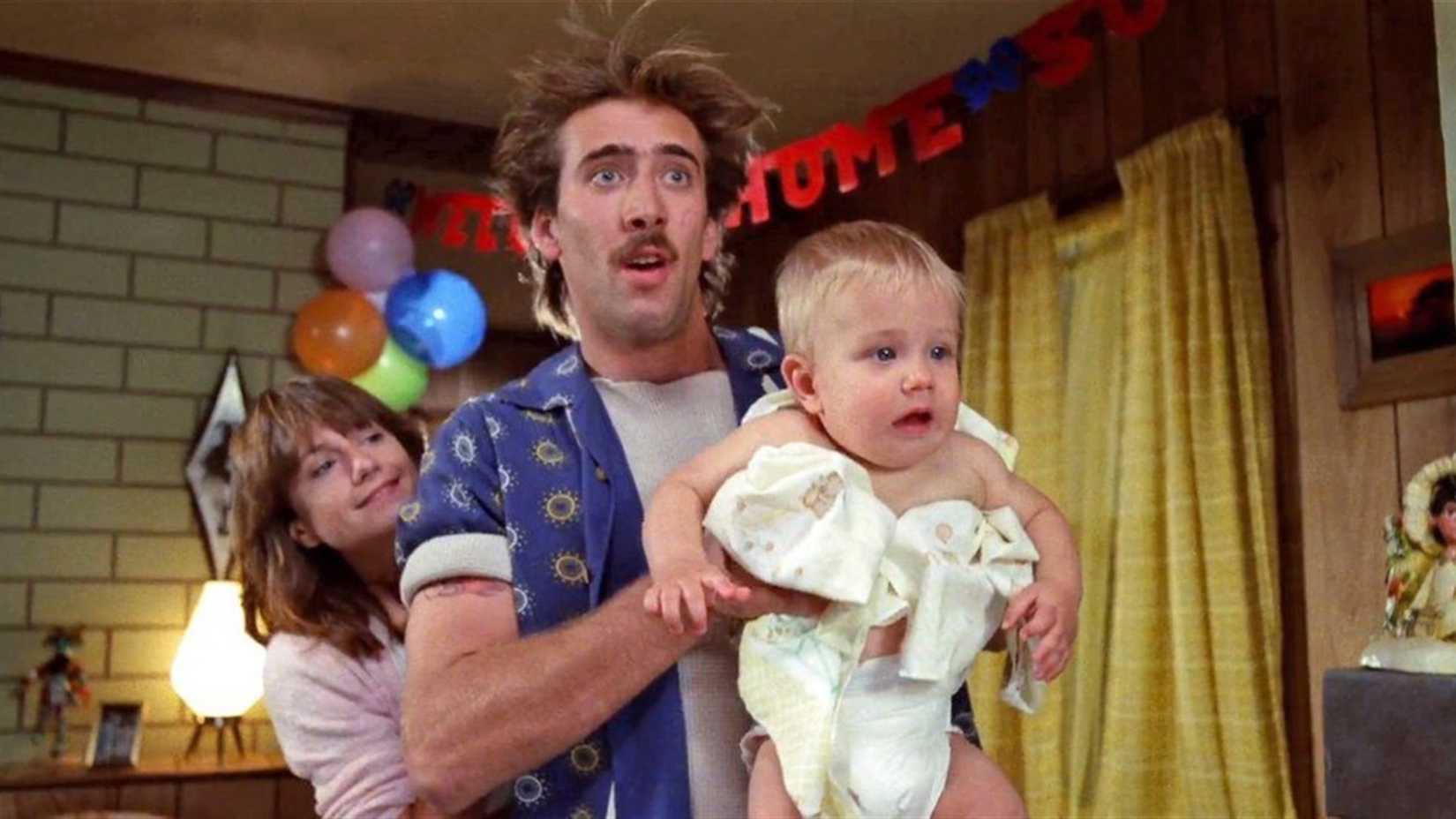
The Coen brothers are known for their influential films, but their 1987 comedy, Raising Arizona, doesn’t always get the attention it deserves. The movie follows a hapless criminal who steals a baby hoping to make his wife happy, which leads to a wildly funny series of mishaps. Nicolas Cage delivers a standout performance, and Raising Arizona really showcases the Coen brothers’ distinctive style of comedic filmmaking.
It’s easy to see why Frank Lloyd Wright admired Raising Arizona; the film is crafted with the same attention to detail as his own work. The characters are well-developed and engaging, all while maintaining a playful, almost cartoon-like energy. While the Coen brothers have created many beloved films, Raising Arizona sometimes gets overlooked, but it’s definitely one of their most hilarious movies.
8. Mad Max: Fury Road (2015)
Edgar Wright recently added Mad Max: Fury Road to his list of favorite films, and it truly deserves to be considered a classic. This fourth installment in the Mad Max series follows Max as he joins forces with Furiosa, a determined warrior escaping a cruel ruler. Director George Miller consistently revitalizes the series with each new film, and Fury Road is perhaps his most impressive reinvention yet.
As a huge film fan, I was absolutely blown away by the sheer energy of Fury Road. A massive chunk of the movie is this incredible, relentless chase through the desert, and what really struck me was how much of the action felt real – it was all done with practical effects, which is something I always appreciate. Director George Miller has a history with action, and it definitely shows here. Honestly, Fury Road reminded me that sometimes the simplest approach is the best, and that at its heart, cinema is about what you see – a truly visual experience.
7. An American Werewolf In London (1981)
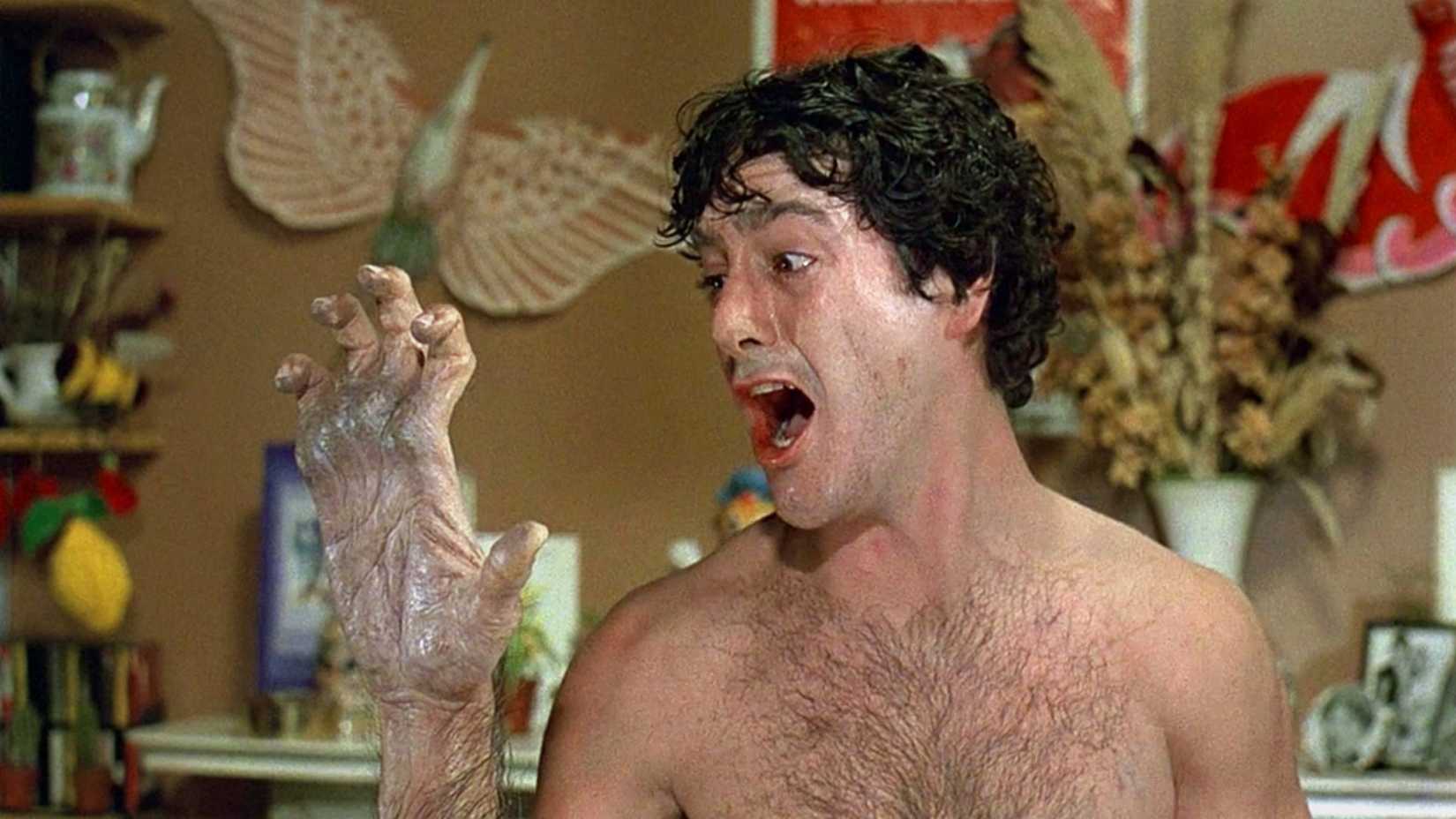
Director John Landis acknowledges that An American Werewolf in London might not typically appear on lists of the greatest films, but he considers that a strength, not a weakness. The movie tells the story of two American travelers who are attacked by a werewolf while backpacking in England, and one of them starts a terrifying transformation. Beyond its groundbreaking special effects, the film pioneered a fresh and innovative style of horror.
Similar to other films by Edgar Wright, An American Werewolf in London successfully blends several elements. It’s both scary and original, but also surprisingly funny, which makes its ending particularly heartbreaking. It truly deserves its place among the greatest films ever made, especially considering how much it has inspired other filmmakers over the years.
6. Don’t Look Now (1973)
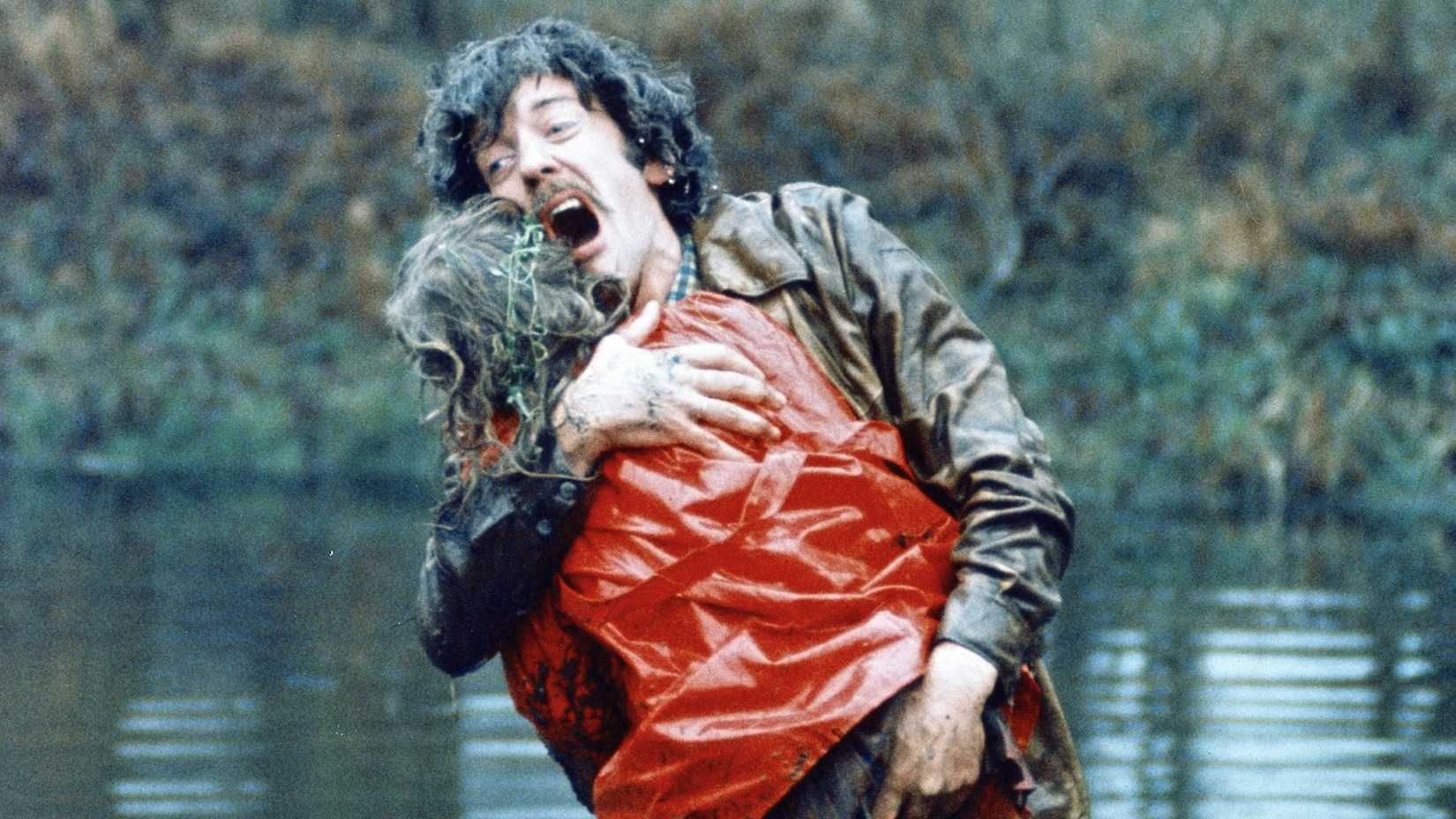
Nicolas Roeg’s Don’t Look Now is a captivating film that blends horror and tragedy, inspiring filmmakers for decades. The story follows a couple grieving the loss of their daughter who move to Italy, only to be shaken by a series of increasingly personal murders. The film is a deeply moving and unsettling exploration of grief.
Unlike the fast-paced style of Edgar Wright films, Don’t Look Now builds suspense gradually and culminates in a truly surprising ending. But beyond its ability to frighten audiences, the film offers valuable lessons in storytelling and showcases powerful acting – making it a great study resource for anyone hoping to become a filmmaker.
5. Taxi Driver (1976)
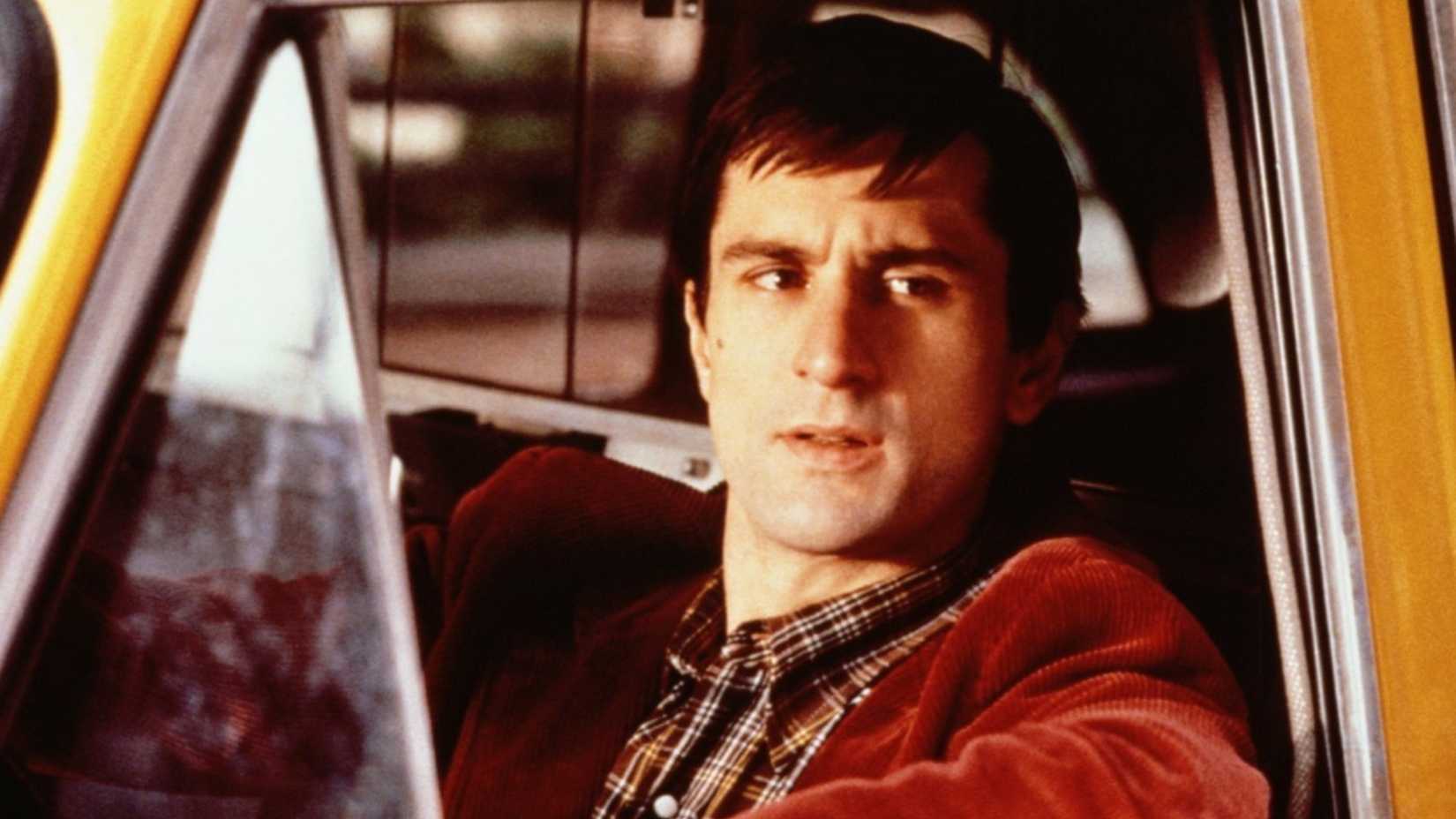
Martin Scorsese’s Taxi Driver is a landmark film that brilliantly reflects a specific time in history. It tells the story of a solitary cab driver who spirals into insanity, becoming fixated on a woman working on a political campaign and ultimately planning to kill a politician. The film’s dark and realistic visuals pull viewers into the troubled life of its main character.
Robert De Niro delivers a truly unforgettable performance, blurring the lines between reality and acting. While Edgar Wright’s movies are known for being fun and lighthearted, Taxi Driver is a very different experience. However, the film’s strong and consistent style is incredibly inspiring for any artist with a clear vision. It’s a timeless classic that continues to resonate and gain power with each passing year.
4. The Good, The Bad And The Ugly (1966)
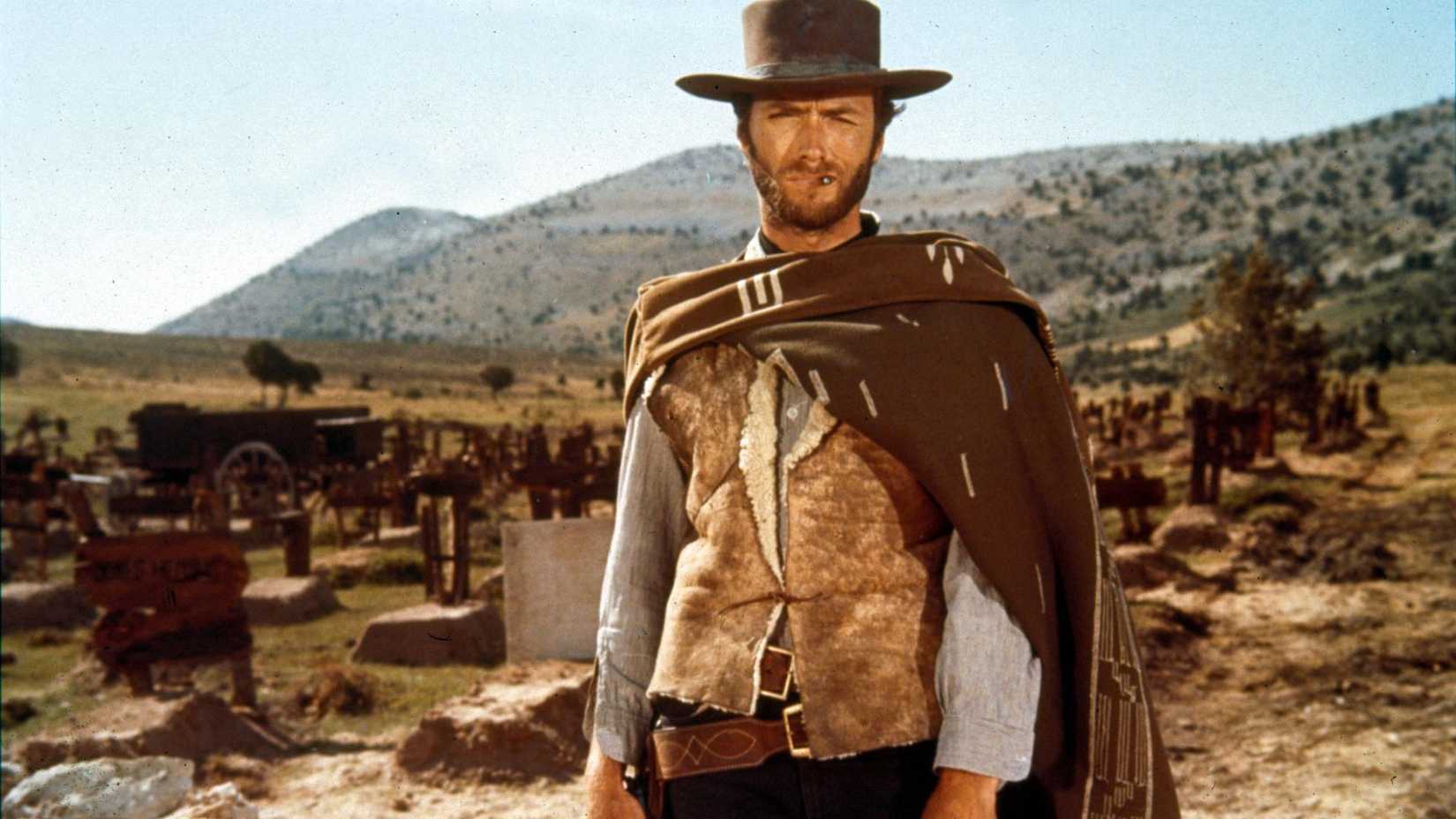
Westerns aren’t for everyone, but The Good, the Bad and the Ugly is a classic that most people enjoy. The story follows three outlaws in the Old West who reluctantly join forces to search for $20,000 in hidden gold. Director Sergio Leone’s film revitalized the western genre, taking familiar elements and exaggerating them for a bigger, more dramatic effect.
Edgar Wright’s films, like Baby Driver, clearly show the impact of Leone’s dynamic camerawork and strong visual approach. Baby Driver is a standout film because it brilliantly balances entertainment with artistic quality – neither one overshadows the other. While the Dollars Trilogy is excellent, The Good, the Bad and the Ugly is the true gem of the series.
3. Psycho (1960)
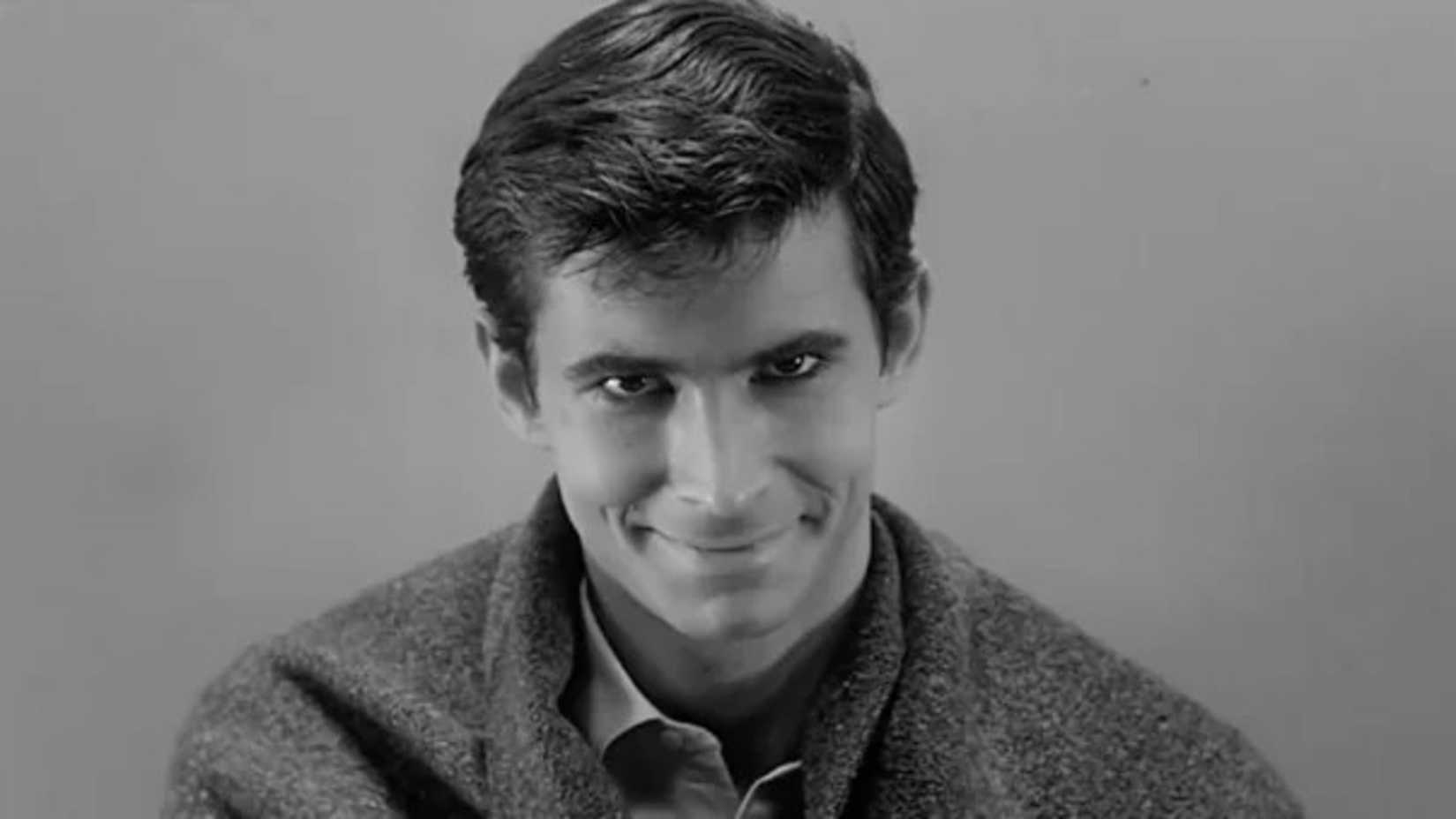
Alfred Hitchcock didn’t want to be forgotten as Hollywood changed, and he cemented his place in film history with Psycho. The movie tells the story of a young woman who, after stealing money, checks into a motel and is tragically killed. Psycho stands out from other horror films of the time, most famously for its shocking shower scene and unexpected ending.
Even though it’s an older film, Hitchcock’s Psycho continues to captivate audiences today. This is largely thanks to its classic film noir style, striking visuals, and unsettling atmosphere. The film masterfully balances suspense and shock, connecting early and modern horror techniques. Over 60 years after its release, Psycho remains powerfully effective because it broke filmmaking rules that still influence movies today.
2. 2001: A Space Odyssey (1968)
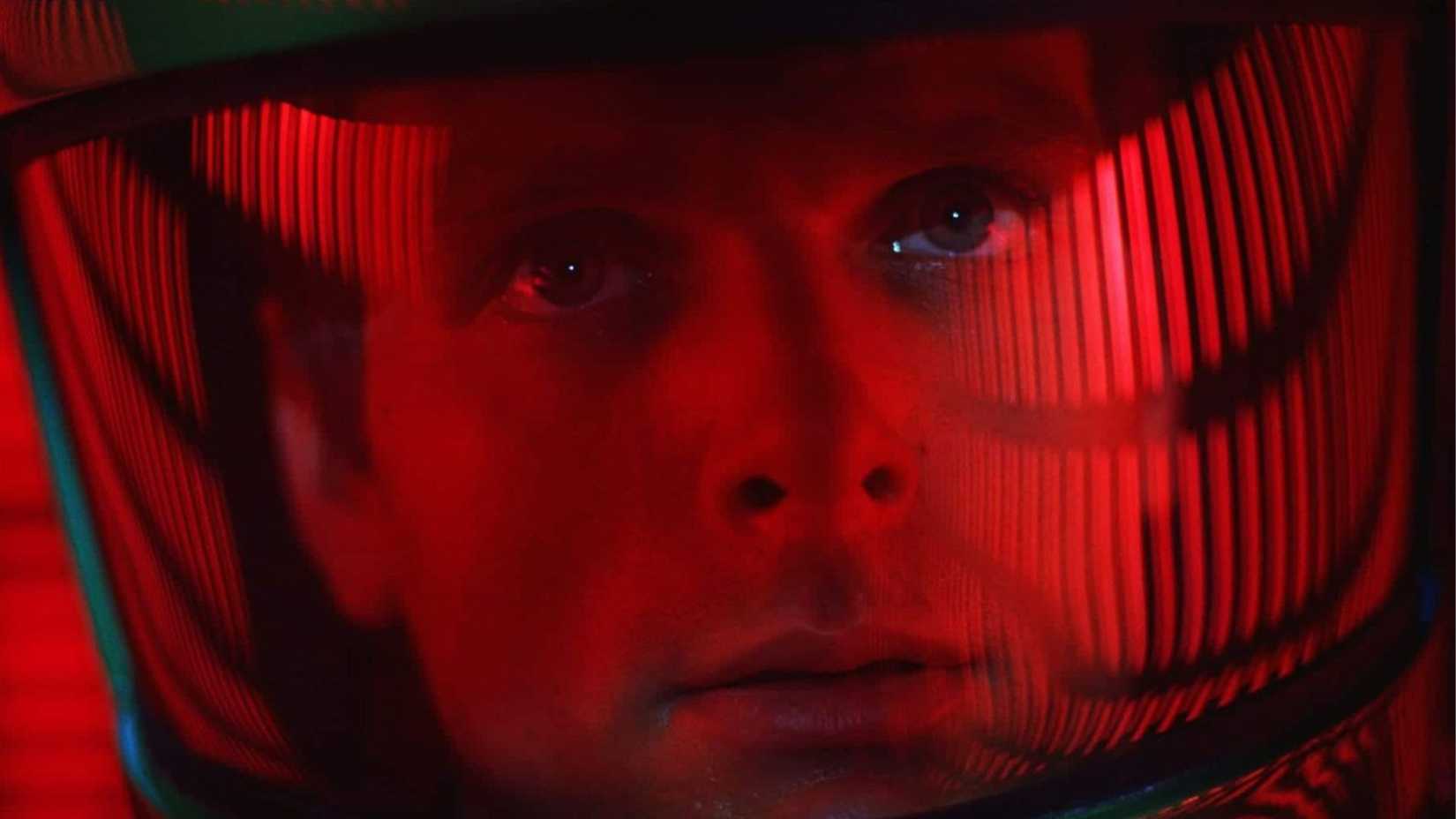
2001: A Space Odyssey successfully combines artistic filmmaking with broad appeal, and it often introduces newcomers to the world of cinema in a powerful way. Throughout human history, strange, towering monuments appear, seemingly triggering the next stage in our evolution. It’s a film that’s both a thought-provoking exploration of ideas and a classic science fiction story, and it can truly change how you think about movies.
Wright points out that the film’s sheer ambition is remarkable for a big-budget release, and that really captures what makes Stanley Kubrick’s 2001: A Space Odyssey so special. It’s boldly original, unconventional, and completely dedicated to its own vision – a rare quality in filmmaking. Since science fiction is about pushing the boundaries of what we imagine, this film may have reached the peak of human imagination.
1. Singin’ In The Rain (1951)
It’s no surprise that Singin’ in the Rain is considered a flawless movie. The film follows three ambitious actors as they navigate the exciting but challenging transition to sound in Hollywood. Filled with memorable music, energetic dancing, and the glamorous style of the 1950s, it’s a truly enchanting classic.
Each film in this series is an improvement on the last, successfully balancing epic scope with intimate details. Like many filmmakers, Edgar Wright admires Singin’ in the Rain, considering it a perfect example of what makes cinema great. The film offers valuable lessons for any aspiring director, no matter their style or the time period, particularly in its ability to genuinely entertain audiences.
2026-05-17 21:14