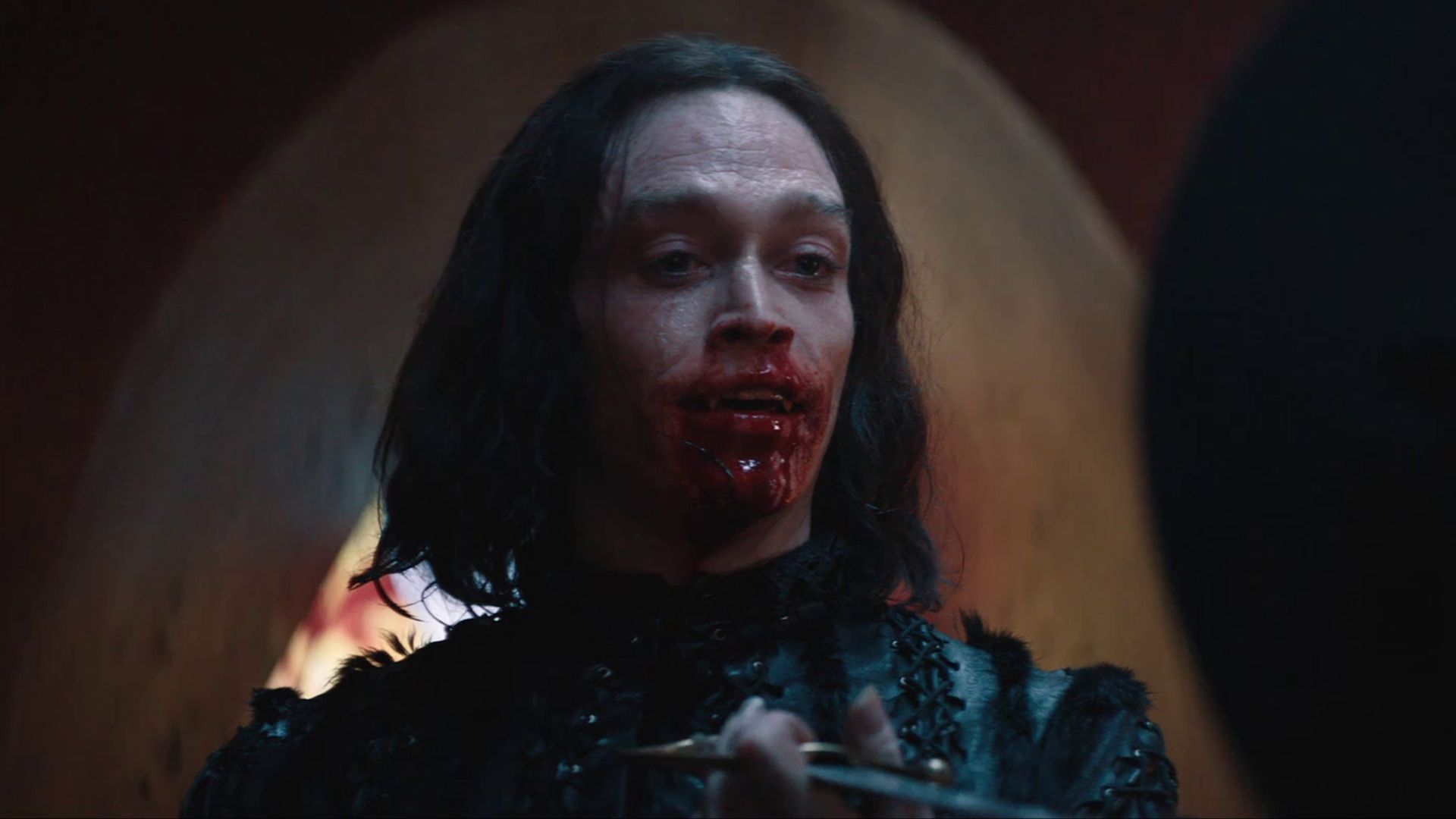
Luc Besson, the director of The Fifth Element, has reimagined Bram Stoker’s classic 1897 vampire novel. His new film, Dracula: A Love Tale, arrives in North American theaters this weekend, following its release in France earlier this summer. Caleb Landry Jones (known for Get Out) stars as Dracula, or Prince Vladimir of Wallachia, and he’s joined by Academy Award winner Christoph Waltz, along with Matilda De Angelis, Zoë Bleu, and Ewens Abid, who play characters connected through past lives as lovers, rivals, and legal representatives.
As of today, Dracula: A Love Tale has a Rotten Tomatoes score of 69% based on 29 reviews. The Guardian‘s Peter Bradshaw described the film as both silly and enjoyable, while Jordan Mintzer of The Hollywood Reporter shared their take on the movie.
Luc Besson’s Dracula is a visually over-the-top and somewhat silly take on the classic story. While it’s entertaining enough, it’s full of cheesy effects, bizarre imagery – think blood, severed heads, and even dancing aristocrats – and doesn’t take itself seriously. The best part of the film is Caleb Landry Jones, who plays the lovelorn vampire with genuine commitment, despite the ridiculousness surrounding him, like poorly-rendered CG creatures and, surprisingly, amorous nuns. He manages to be captivating even amidst the chaos.
The movie is undeniably strange, but also genuinely heartfelt, and Besson should be commended for his bold vision. While his Dracula is odd, clumsy, and overly sentimental, it’s at least unique. An AI couldn’t have dreamed up these bizarre scenes, or toned down the usual violence – though there’s still some, surprisingly less than anticipated – to concentrate on the melancholic love life of a vampire.
I was reading Jake Cole’s review in Slant Magazine, and what really struck me was how much the film’s visuals drew from Flemish masters like Rubens and van Eyck. It was a really interesting choice, because a lot of films in this genre lean into a more traditional Gothic aesthetic. Wandersman, the cinematographer, clearly went in a different, and I think very effective, direction.
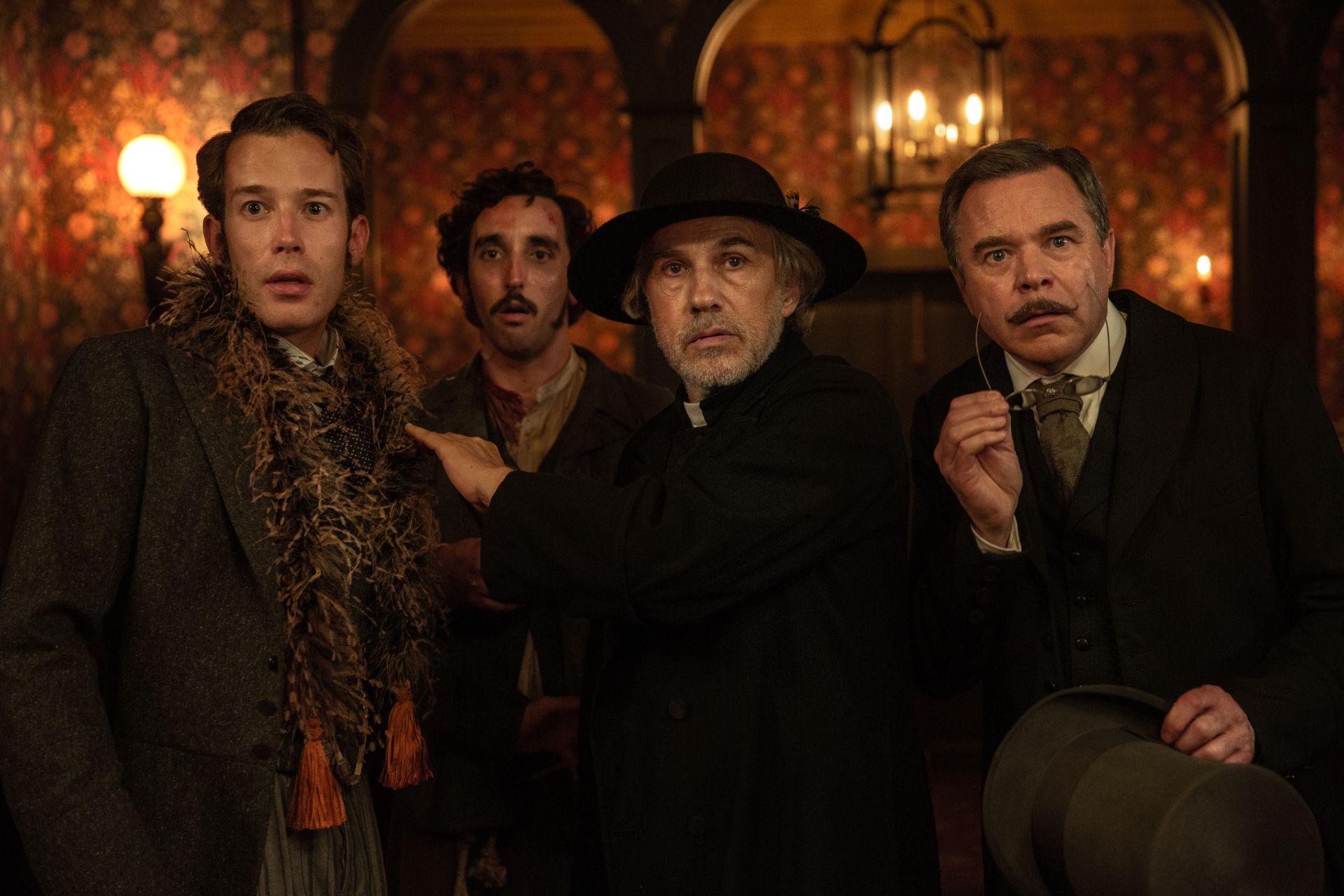
Honestly, the only thing that really stuck with me about this Dracula film was how visually different it was – it tried something new, which was cool. But beyond that, it just felt…flat. Even Christoph Waltz, who usually brings so much energy to his roles, couldn’t save it. He plays a priest – not Van Helsing, interestingly – connected to this secret Catholic society, and he’s waving crosses around at Dracula and his minions, but it just didn’t translate into a compelling movie. It felt like it needed more life, more spark.
How Does ‘Dracula: A Love Tale’ Differ to Other Adaptations?
Vertical Entertainment
While recent Dracula adaptations like Robert Eggers’ Nosferatu (released just over a year ago with Bill Skarsgård) stick to the Victorian England setting, Luc Besson’s version takes a different approach, placing its vampire in Paris. This isn’t the only change; Besson swaps traditional vampire brides for gargoyles and gives the Count a unique way to lure his victim, Mina – instead of magic, he creates a captivating perfume.
Subscribe for sharper takes on adaptations and film
Discover richer context on modern Dracula retellings—subscribe to the newsletter for curated critical perspectives, deep dives into visual and thematic choices, and thoughtful comparisons across adaptations and cinematic trends.
Unfortunately, this Dracula film doesn’t really stand a chance of making it into a top 10 list.
Read More
- New Chris Pratt Sci-Fi Flop Already Out on Streaming
- Прогноз криптовалюты OP: прогнозы цены OP
- Avatar: The Last Airbender’s 8 Biggest Takeaways, 20 Years Later
- Heated Rivalry Star Christina Chang Discusses Season 2 and Handling Fame
- Taylor Sheridan’s Mayor of Kingstown Kills Off Tracy in Season 3
- The Mummy Returns Sets 25th Anniversary Rerelease Date With Poster & Teaser
- Whether Dunk Was Really Knighted in A Knight of the Seven Kingdoms Revealed
- Why Star Wars’ 2-Part Prequel Masterpiece Was Missing Key Rebel Character Explained
- The Most Controversial Isekai Anime of the Year Was Much Better as a Light Novel
- CBS Finally Shatters Georgie’s Divisive Young Sheldon Image In First Marriage Season 2
2026-02-03 16:18