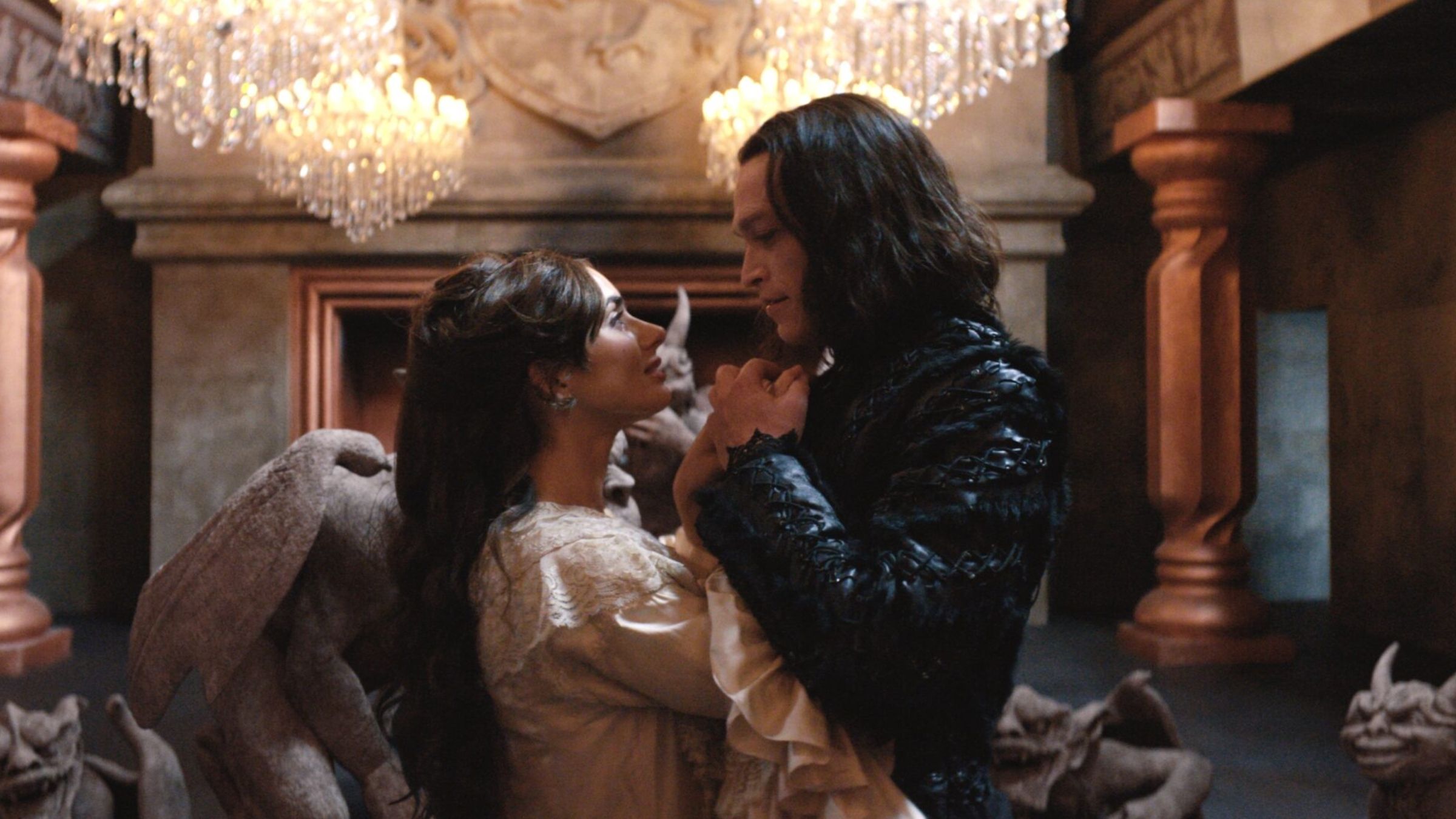
Be warned: this discusses plot points from the movie Dracula: A Love Tale. Luc Besson’s Dracula isn’t a typical scary vampire film. It presents Dracula as a sad, romantic character rather than a frightening monster. While other movies have explored the human side of the creature, this version goes deeper, telling a heartbreaking story of lost love and a chance at forgiveness that he doesn’t take.
The movie stays true to the basic plot of the original story, but it takes many creative freedoms when showing Dracula’s journey to find his lost love. It updates classic characters and story parts to support its central idea: that intense grief can change a person into something monstrous.
Why Dracula Allows Himself To Be Killed
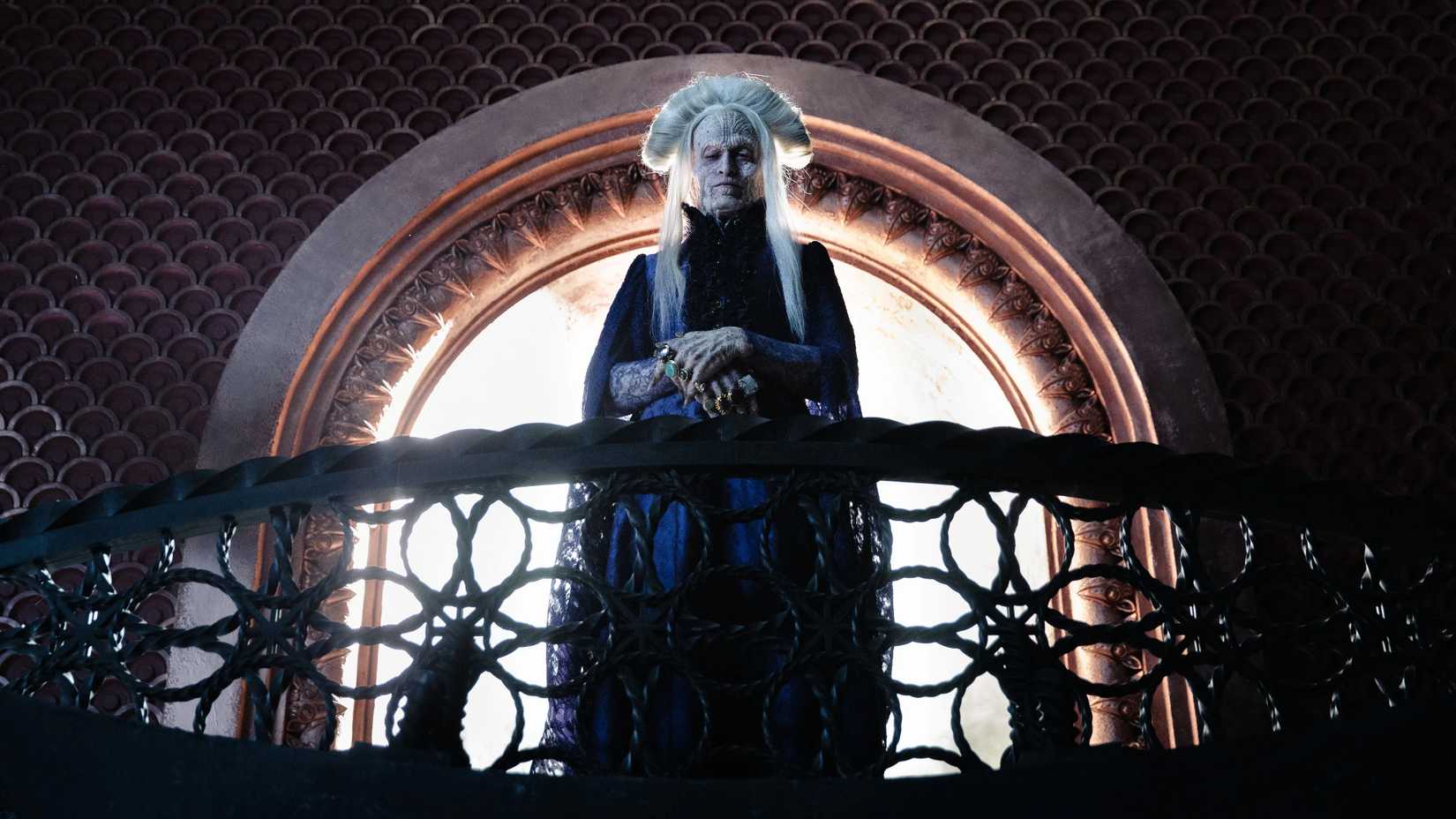
The story of Dracula reaches its peak when the vampire surprisingly lets a priest kill him. This act breaks his curse and saves Mina from being corrupted. A central idea in Dracula is that the vampire’s condition is actually a punishment from God. Dracula became a vampire because he strongly rejected God in the first place.
At first, it appeared Dracula simply couldn’t die. Though some might see this as a gift, it meant the grieving prince could never be with his beloved wife again. Eventually, the prince discovered he could share his curse with others, turning them into monstrous followers across the globe.
When Dracula discovers Mina is the rebirth of his lost love, he decides to share his curse with her, believing it will allow them to be together eternally. But this act would slowly corrupt her, changing her as it has changed him and his followers. It’s the priest’s understanding and compassion that makes Dracula pause and consider the terrible consequences of this fate.
That’s why Dracula asks the priest to kill him. This act isn’t just about ending the curse, but also about freeing Dracula’s soul. The ending implies Dracula finds peace knowing his loved one can finally live happily.
Who Survives Dracula’s Final Rampage
 Image via Vertical
The attack on Dracula’s castle doesn’t go well, and many of the soldiers are quickly defeated by Dracula and his monstrous gargoyle helpers. One significant loss in the battle is Henry Spencer, who plays a similar role to Arthur Holmwood in the movie.
Despite the tragic ending for some, most of the main characters make it through the film. The Priest completes his work, Dr. Dumont escapes the gargoyles, and Jonathan Harker is, once again, saved by the vampire lord – this time as a reward for unintentionally leading him to Mina.
The most surprising part of the ending of Dracula is that Mina survives. Despite being bitten by Dracula and initially connected to him through a shared past, his death reverses the effects of the bite. This implies Mina will live out her life as a human, grieving for the man she had come to love.
Throughout the film Dracula, the gargoyles are a significant presence, acting as Dracula’s helpers. They fight bravely in the final confrontation, successfully defending against the priest’s assembled group. Surprisingly, after Dracula’s defeat, it’s revealed that these creatures are actually children.
Dracula’s death brings up some interesting possibilities about his wider network. The story suggests he had followers around the globe who were under his command, and now that he’s gone, they’re free. It’s unclear whether these followers returned to being normal humans, or if they aged quickly and died after being released from Dracula’s influence.
How Accurate Is The 2026 Dracula To The Source Material?
 Image by Everett Collection
The movie Dracula doesn’t stick closely to the original novel, but it’s not the first adaptation to make changes. Although the early scenes between Dracula and Jonathan are somewhat based on the book, the film focuses more on the sad love story found in Bram Stoker’s Dracula.
Both of these versions of the story changed Mina’s character, presenting her as the rebirth of Dracula’s former love. This change made Dracula seem more sympathetic, despite generally being portrayed as a terrifying monster. Even so, Bram Stoker’s Dracula still showed him as a monstrous figure who brutally attacked many innocent people.
This is also true of the original novel. However, Dracula: A Love Story presents Dracula as a more sympathetic and tragic character. Though he is responsible for many deaths, most of his killings happen in moments of anger, rather than being his usual way of behaving.
Luc Besson’s Dracula focuses on a deeply sorrowful version of the character, who expresses his grief through anger directed at both people and God. This approach turns Dracula into a tragic figure, moving away from a simple horror story, unlike some other recent films like Nosferatu.
Beyond the plot changes, the novel Dracula also significantly alters the characters who fight the vampire. The original Van Helsing doesn’t appear, instead we have an unnamed priest. Dumont takes on the role originally held by John Seward, and Henry Spencer’s wife, Maria, is a new take on Lucy Westenra, now portrayed as someone under Dracula’s influence.
The True Meaning Of Dracula: A Love Story

At its heart, Dracula is a story about a man struggling to cope with loss. Driven by anger towards God for the death of his wife, Dracula rejects faith and is cursed as a result. Ironically, Dracula himself was responsible for his wife’s accidental death.
Dracula desperately tried to save his wife from attacking soldiers, throwing his sword at the final one. Tragically, the blade not only struck the soldier but also fatally wounded Elisabeta. Like other instances throughout history where Dracula has unintentionally killed someone, this event was caused by his uncontrollable anger.
Despite blaming God for his and the world’s pain, Dracula is actually responsible for his own misery. The story of Dracula is ultimately about a man learning to cope with loss, rather than struggling against it. By accepting what he’s lost, he saves Mina and finds a measure of peace for himself.
Throughout the story, Mina experiences heartbreak and loss, but the film suggests she’ll cope with it in a healthy way. The implication that she won’t go back to Jonathan after Dracula’s death hints at her ability to move forward. While these events are sad, they ultimately give the film a touch of both darkness and hope.
Read More
- Прогноз криптовалюты ATOM: прогнозы цены ATOM
- Welcome to Derry Just Officially Confirmed Its Shining Connection (& It’s Perfect)
- JJK Director Taps Talent From Spy x Family & JoJo’s Bizarre Adventure For New Movie
- One of Clint Eastwood’s Best Westerns (That Isn’t ‘The Good, the Bad and the Ugly) Is Leaving Free Streaming
- Taylor Sheridan’s 2-Part Action Thriller Series Is The Perfect Binge Ahead Of The New Season
- In Just 1 Day, Universal’s Wicked: For Good Is Officially the Most Watched Title on PVOD in America
- Группа Аренадата акции прогноз. Цена акций DATA
- The Fantastic Four: First Steps Prequel Ties Marvel Villain to MCU Team’s Origin
- Quentin Tarantino & Sylvester Stallone Team Up for 1930s Gangster Series
- Sonic Team Refuses to do ‘Sonic Adventure’ Remake — Instead Focuses on New Projects
2026-02-06 23:00