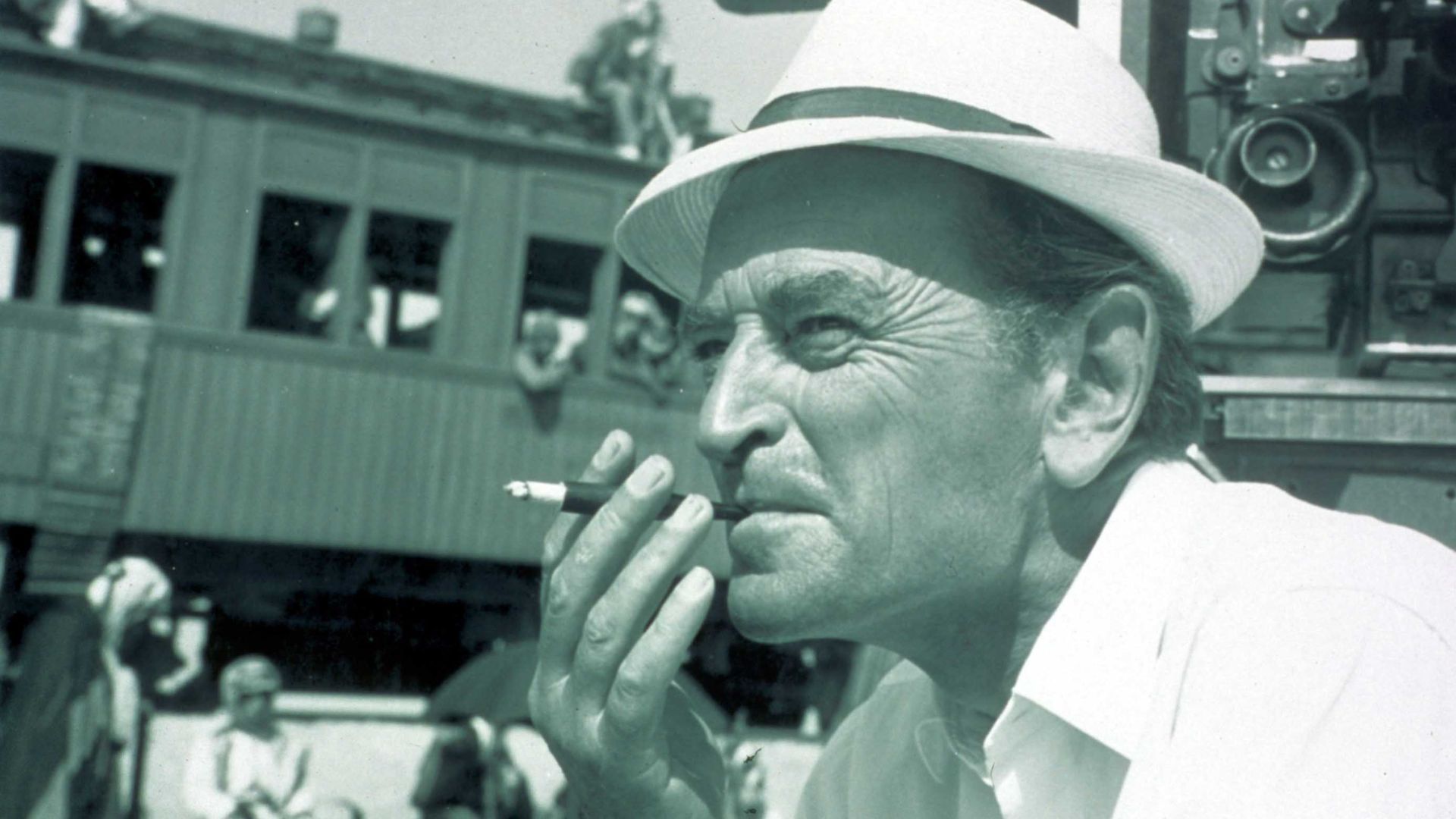
Sixty years ago, director David Lean created one of his most famous films, a movie that sparked debate for years because it was adapted from a book that had been prohibited. Lean is considered one of the most influential filmmakers of all time, inspiring directors like Steven Spielberg, Martin Scorsese, and Stanley Kubrick.
David Lean directed several truly exceptional films, considered among the best ever made. These include classics like Lawrence of Arabia (1962) and The Bridge on the River Kwai (1957). Another film of similar quality was Doctor Zhivago (1965), which was based on a novel by Boris Pasternak that had been prohibited in some places.
David Lean Directed Doctor Zhivago In 1965
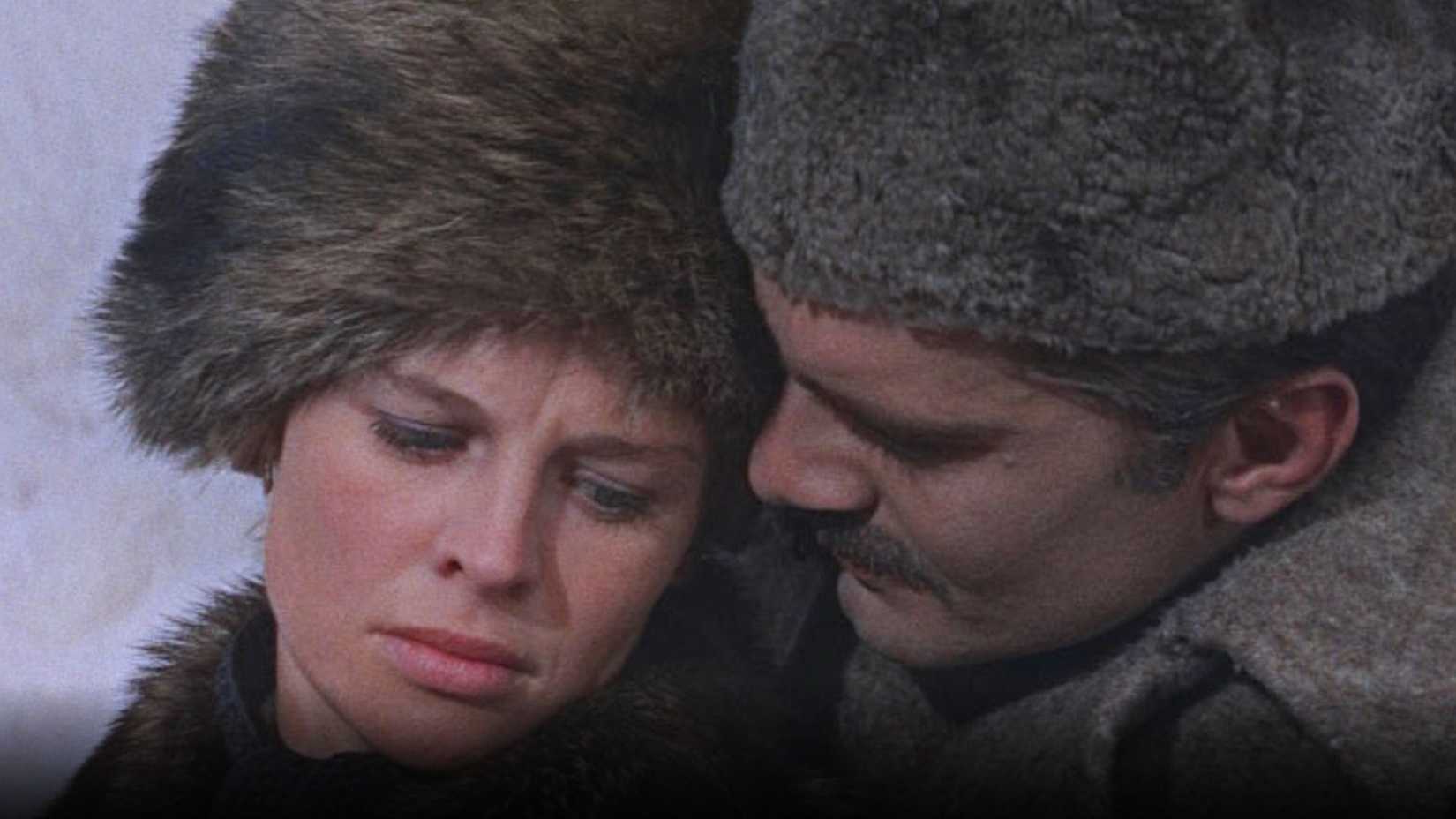
In 1965, director David Lean brought Boris Pasternak’s novel Doctor Zhivago to the big screen. The film stars Omar Sharif as Yuri Zhivago, a doctor and poet whose life is dramatically changed by the Russian Revolution and the resulting civil war.
The film featured Julie Christie as Lara Antipova, the main character’s love interest, alongside a talented cast including Geraldine Chaplin, Rod Steiger, and Alec Guinness. Though the original book is complex and difficult, the movie tells the story of Doctor Zhivago as his life is disrupted by the growing power of the Soviet Communists.
This film feels like a classic historical epic – the kind they don’t really make anymore – and it’s perfectly suited to this story. It powerfully illustrates how easily a peaceful, familiar world can be shattered by those who seek to destroy it. But ultimately, it’s a grand and moving love story.
David Lean’s film centers on the love story between Doctor Zhivago and Lara, a revolutionary, even though Zhivago is already engaged to be married. Unlike the novel, the movie prioritizes Zhivago’s personal journey over the broader political events happening in Russia.
Doctor Zhivago Was Banned In The Soviet Union For Decades

Despite being a huge success in Western countries, the novel was banned in the Soviet Union for many years. The main reason was that the author, Boris Pasternak, strongly criticized the October Revolution. Because of this, the Soviet government wouldn’t allow the book to be published there. But Pasternak didn’t let this stop him.
Italian publisher Giangiacomo Feltrinelli helped sneak the manuscript out of the Soviet Union and brought it to Milan, Italy, where it was published in 1957. The book became quite popular, and Pasternak was awarded the Nobel Prize in Literature, which caused discomfort for the Soviet Communist Party.
The book received widespread critical acclaim, but it’s known for being challenging to get through. It features a large cast of characters whose lives intertwine. The story begins in 1902 with a young Yuri in Russia during the Imperial era and concludes during World War II, after the death of Doctor Zhivago.
The Soviet Union refused to publish Doctor Zhivago primarily because it challenged the principles of socialist realism. The novel focused on the lives of individuals rather than prioritizing the collective, leading officials to label it anti-Soviet. It contained critiques of key Soviet policies and events, including Stalinism, collectivization, the Great Purge, and the Gulag system.
The scenes set in Moscow were actually filmed in Spain because the Soviet Union wouldn’t allow filming there. They were still upset about how the novel portrayed their political system. Years later, former Soviet leader Nikita Khrushchev admitted he regretted banning the book, and it was eventually published in the Soviet Union in 1988.
Doctor Zhivago Was A Worldwide Success

David Lean’s film, Doctor Zhivago, was a major hit, earning $111.7 million worldwide despite costing only $11 million to make. When adjusted for inflation, that’s over $1.25 billion, further demonstrating Lean’s ability to create both critically praised and financially successful films.
A few reviewers felt the movie was excessively long, exceeding three hours, and prioritized character development over historical accuracy. However, this approach actually aligned with the original novel’s central argument – that individual lives are just as significant, if not more so, than the broader society. Therefore, those criticisms didn’t quite grasp the film’s intent.
Beyond its success at the box office, Doctor Zhivago received 10 Academy Award nominations, including nods for Best Picture, Best Director, and Best Supporting Actor (Tom Courtenay). The film ultimately won five Oscars, recognizing its adapted screenplay, musical score, and three technical achievements.
The film was a major award winner, earning five Golden Globes from six nominations, including prizes for Best Picture, Best Actor (Omar Sharif), Best Director, Best Screenplay, and Best Original Score. It also received a Grammy Award for its Original Score.
Even sixty years after it came out, Doctor Zhivago remains a highly regarded film. It boasts an 82% rating on Rotten Tomatoes, and audiences overwhelmingly approve with a score of 88% based on over 25,000 votes. Directed by David Lean, the movie also earned a place among the top 40 films in the American Film Institute’s 100 Years countdown, and was ranked seventh on their 100 Passions list.
Read More
- Прогноз криптовалюты ATOM: прогнозы цены ATOM
- Welcome to Derry Just Officially Confirmed Its Shining Connection (& It’s Perfect)
- Taylor Sheridan’s 2-Part Action Thriller Series Is The Perfect Binge Ahead Of The New Season
- One of Clint Eastwood’s Best Westerns (That Isn’t ‘The Good, the Bad and the Ugly) Is Leaving Free Streaming
- Группа Аренадата акции прогноз. Цена акций DATA
- In Just 1 Day, Universal’s Wicked: For Good Is Officially the Most Watched Title on PVOD in America
- The Pitt Season 2: Garcia and Santos’ Relationship Confirmed in Premiere
- JJK Director Taps Talent From Spy x Family & JoJo’s Bizarre Adventure For New Movie
- City Of Shadows Review: A Solid Crime Thriller On Netflix
- Mike Flanagan’s Midnight Mass: The Perfect Follow-Up To Ryan Coogler’s Sinners
2025-12-24 23:49