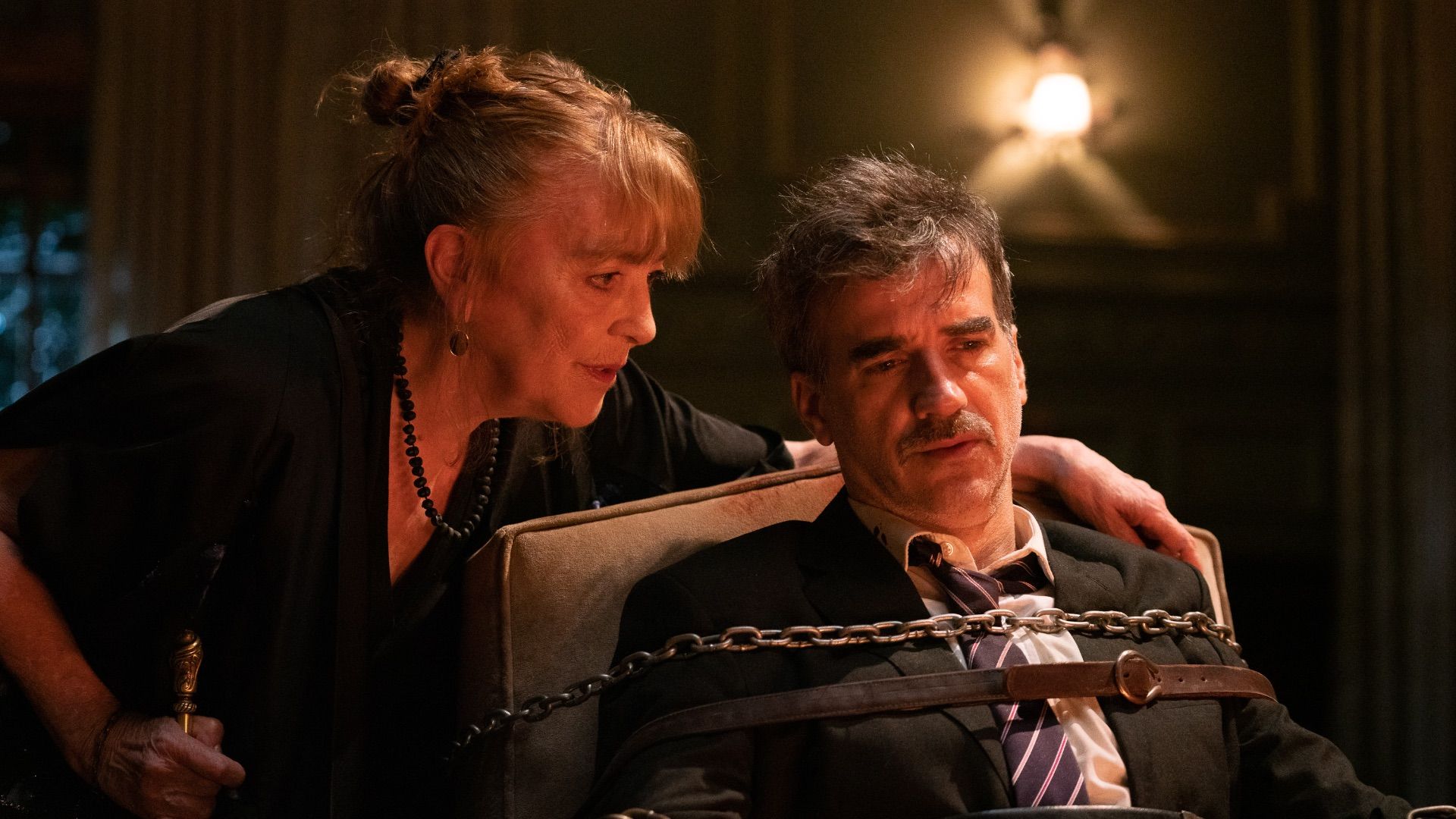
Martín Mauregui’s Argentinian horror thriller centers around an elderly woman. The film subtly explores whether she’s mentally unwell or deeply traumatized by Argentina’s Dirty War, but ultimately leaves the question unanswered. It offers a predictable take on the torture-porn genre, reminiscent of films like Saw, though it lacks the same psychological depth and feels somewhat tonally inconsistent with its occasional comedic moments.
While the movie features a memorable (and somewhat gruesome) electric knife, its true strength lies in the performance of Carmen Maura. Though not well-known in North America, Maura is a celebrated actress in Pedro Almodóvar’s films, including Volver, for which she won Best Actress at Cannes. She carries the entire film Crazy Old Lady as Alicia, a woman struggling with dementia, delivering a clever and subtle performance that unfortunately isn’t showcased as well as it deserves.
The script hints at a troubled political past that seems to be at the root of Alicia’s fragile mental state, but doesn’t fully explain it. While it’s not a direct horror adaptation of Death and the Maiden, the film centers on Maura’s portrayal of a woman whose condition will resonate with anyone who has watched a parent decline. The story begins with a promising scene: Alicia’s daughter, Laura, is frustrated by her mother’s constant phone calls during a road trip. Laura’s annoyance quickly turns to concern as Alicia repeatedly asks for the same cookie recipe, fears her food is being tampered with, and mentions César, an abusive ex-husband who seems to be a figment of her imagination. Adding to the mystery, Alicia doesn’t seem to realize her caregiver is missing, prompting Laura to reach out to her ex-boyfriend, Pedro, and ask him to check on Alicia and ensure she takes her medication.
The film quickly shifts from exploring the genuine emotional impact of Alicia’s past trauma to becoming a retelling of the story of Misery, set in Argentina. This change happens when Pedro arrives at Alicia’s decaying, unsettling house. The elaborate and dramatic sets, created by Matías Martínez and Julián Apezteguia, feel more like a reflection of Alicia’s troubled mind than a realistic home. We see Alicia’s instability when she mistakes Pedro for someone from her past, attacks him, and imprisons him. However, unlike the protagonist in Misery, Pedro doesn’t offer much resistance, making him a weak counterpart to Alicia as she remembers her complicated and painful relationship with a man named César. This leaves Maura to carry the film, and she skillfully keeps the audience both disturbed and unsure of what will happen next, expertly drawing out both our sympathy and our fear.
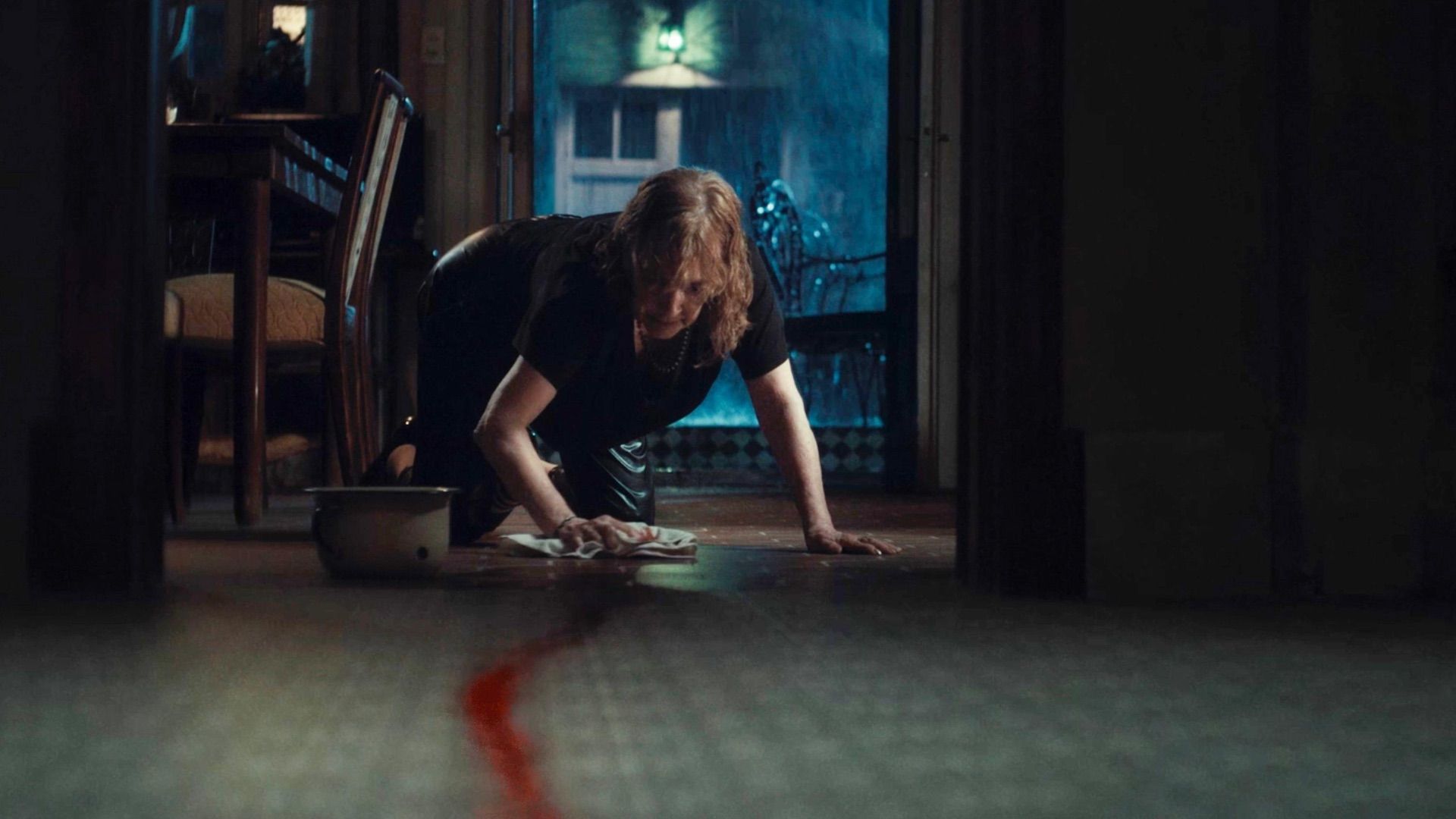
While the film offers some violence for genre fans, it doesn’t fully deliver emotionally. The story centers on Alicia confronting past trauma, with hints at Argentina’s difficult history – she briefly alludes to a play about the ‘Dirty War’ and remembers a time when people disappeared. However, the director doesn’t let Alicia fully explore these feelings, so these references don’t add up to a meaningful statement about the country’s past. Even a game Alicia plays, intended to reveal a painful secret, is unclear and confusing. Despite the director’s efforts, it’s hard to feel sympathy for Alicia; ultimately, she seems driven by the events of the film’s plot rather than genuine emotion.
I found that Mauregui does a great job of shifting the mood, which prevents the movie from becoming too intense. He’s a little less sure-footed when he relies on humor just for laughs, but it really works when it eases the tension – like when Alicia realizes she can’t even use an electric knife on Pedro because she doesn’t have an extension cord! The violence isn’t over the top, because the director seems more interested in keeping you guessing just how far this old lady will go. Poor Pedro is basically helpless, only able to use his foot to defend himself, which gives Alicia free rein to torment him in every way imaginable – physically, mentally, and, in one particularly shocking scene, sexually. It’s a scene that definitely won’t be featured in any celebratory retrospectives of Carmen Maura’s career.
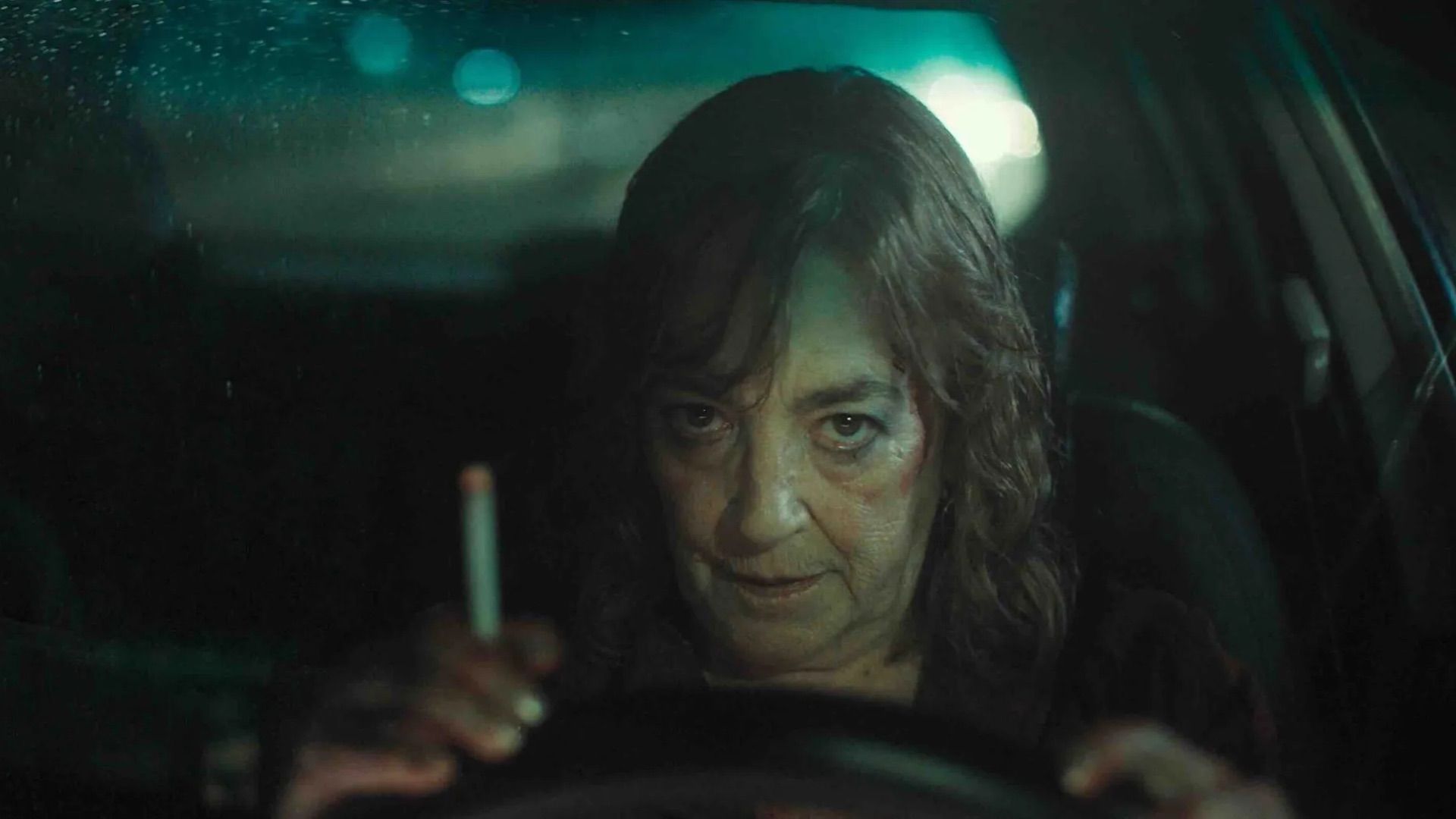
Rather than exploring the deep wounds of Argentina’s past through the lens of horror, the film Crazy Old Lady opts for a more conventional approach, offering only brief moments of satisfaction. The movie relies heavily on Maura’s performance as she attempts to portray a character grappling with pain, anger, and mental instability. While Alicia’s story deserves a powerful expression of her suffering, Mauregui delivers it subtly when a more forceful, emotionally releasing performance might have resonated more deeply with both viewers and the Argentinian people.
Read More
- Everything We Know About Georgie & Mandy’s First Marriage Season 3
- Weapons (2025) Movie Review
- Avatar 3 Runtime Revealed for New James Cameron Movie
- Iconic Marvel Location to Finally Debut in Avengers: Doomsday — Report
- Adam Sandler Talks Really Wanting To Make A Serious Movie Early In His Career, Plus The Funny Prediction His Grandma Made
- Only Pierce Brosnan Didn’t Follow A 62-Year James Bond Movie Trend
- ‘Wuthering Heights’ Debuts Fresh Rotten Tomatoes Score
- Star Of 5 Taylor Sheridan TV Shows Addresses Potential Role In 2026 Western Series
- ‘Lucky Luke’ Trailer Brings Iconic Gunslinger Back on Disney+
- Серебро прогноз
2026-02-24 23:51