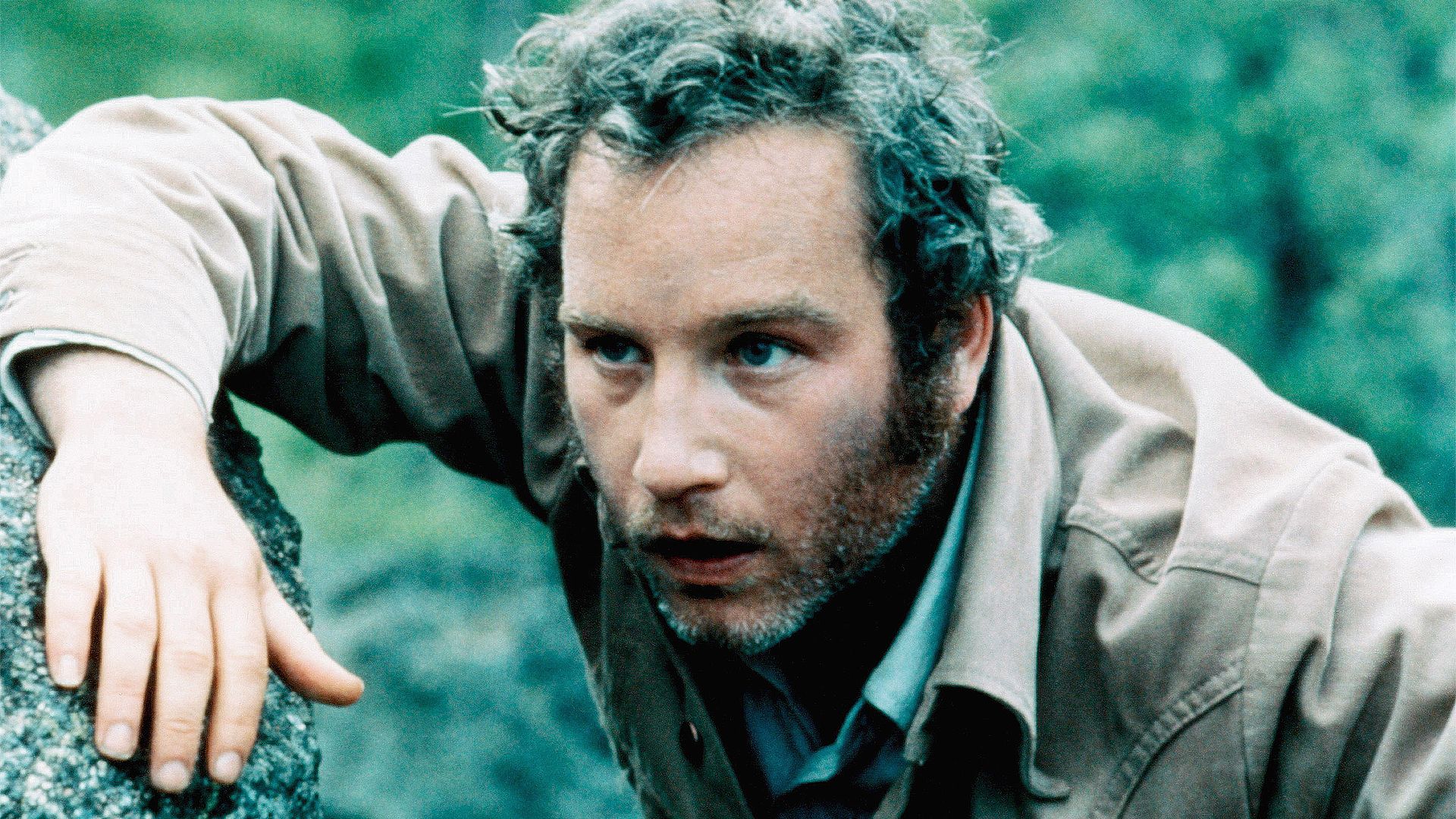
Throughout his career, Steven Spielberg has consistently excelled at telling captivating stories, no matter the genre. He’s a remarkably creative filmmaker, known for his passion for crafting immersive worlds and developing memorable characters. This talent hasn’t confined him to a specific type of film, and it’s been a hallmark of his work since the 1970s, with early examples like Jaws.
Steven Spielberg and George Lucas were close friends, and Spielberg clearly admired the imaginative and exciting nature of Lucas’s early movies. This inspired Spielberg to create his own large-scale cinematic worlds, resulting in some of the most beloved genre films ever made. Despite his love for fantastical stories, Spielberg also excelled at making his films feel realistic and emotionally resonant. Fans still appreciate this perfect blend of spectacle and substance in his groundbreaking 1977 science fiction film.
Close Encounters of the Third Kind Is Still One Of Steven Spielberg’s Best Movies
1977 was a pivotal year for Steven Spielberg. Coming off the massive success of Jaws, all eyes were on his next project. It was unclear what kind of filmmaker he would become, as he had many options and could have taken his career in several different directions following that blockbuster hit.
After the success of Jaws, Spielberg could have easily focused on making either scary horror films or large-scale blockbusters. However, like all truly great directors, he chose to expand his creative range. He continued to make visually impressive films within established genres, and his next project, Close Encounters of the Third Kind (1977), showcased his versatility. The film starred Richard Dreyfuss, who had previously appeared in Jaws, and solidified Spielberg’s ability to work across different types of stories.
Steven Spielberg’s Close Encounters of the Third Kind captures the excitement and anxieties surrounding UFO sightings, a topic that deeply resonated with a specific group of Americans. While interest in extraterrestrial life has exploded in recent decades, fueled by conspiracy theories and extensive documentation, the film’s roots lie in the post-World War II era. The 1950s, 60s, and 70s were a time of heightened existential questioning, disillusionment, and suspicion, which created a fertile ground for fascination with the unknown.
Spielberg’s 1977 film tapped into the widespread fascination with UFOs, particularly in many American towns where the topic was heavily debated. The 1970s saw increasing public interest in both science fiction and unexplained phenomena, and Spielberg skillfully combined these elements to create a truly iconic movie. While not as far-fetched as some grand science fiction epics, Close Encounters of the Third Kind still offers a charming and exciting adventure that resonated with audiences.
Though not as polished as his later films, Spielberg’s early hit aims to create a specific mood and raise questions about its unique setting. Many fans see Close Encounters of the Third Kind as Spielberg developing his signature style. Released in 1977, the film lays the groundwork for elements that would become prominent in movies like Raiders of the Lost Ark and E.T. the Extra-Terrestrial. While it may not be his most acclaimed work, it’s still a significant film in his career.
Close Encounters of the Third Kind Redefined Hard Sci-Fi In the 1970s
For many years, Westerns were the most popular type of genre film, but that shifted in the 1970s with the rise of science fiction. The release of Star Wars in 1977 truly marked this change, as George Lucas’s film revolutionized American cinema. Its impact is still felt by audiences today. While sci-fi quickly became dominant, filmmakers continued to explore other genres as well.
Steven Spielberg truly captured something special with Close Encounters of the Third Kind. Remarkably, the film was a huge hit in 1977, especially considering what had just happened in the movie world. Star Wars had recently premiered and completely shifted what audiences wanted, but Close Encounters still resonated and made a significant impact.
Despite being released around the same time as Star Wars, Spielberg’s 1977 film is a distinctly different kind of science fiction. Many consider Close Encounters of the Third Kind to be the best example of ‘hard’ sci-fi ever made. Unlike space operas, it’s rooted in reality and scientific possibility, embracing uncertainty. This approach gives the film a powerful and unsettling realism, making its depiction of alien contact feel genuinely plausible. The movie fully commits to the premise it establishes, and that commitment is central to its impact.
In the film, Richard Dreyfuss stars as Roy Neary, an ordinary man whose life changes after a mysterious encounter that leads him to believe in alien life. He isn’t alone – many others experienced the same thing and share his fascination. As Roy becomes consumed by this idea, government authorities and scientists start investigating to understand what’s happening.
Steven Spielberg cleverly cast French filmmaking legend François Truffaut as Lacombe and actor Bob Balaban as David Laughlin. Both actors brought a wonderful energy and enthusiasm to the film’s themes of discovery and exploration.
The film is fundamentally about people searching for their purpose, both on Earth and in the universe. The character’s intense obsession stems from real-life stories and drives the actions of the main character, Roy Neary. Viewers often remember the scenes featuring the young character Barry Guiler and his mother, Jillian, played by Melinda Dillon.
The scene where Barry is taken remains a standout moment in the film, and it powerfully captures the classic horror elements of alien encounters. Spielberg skillfully blended realism and the fantastical, creating one of the most memorable films ever made. Amidst the growing trend of epic science fiction in the 1970s, Close Encounters of the Third Kind was incredibly influential in shaping the genre as we know it.
Steven Spielberg Made One Of His Most Creative and Personal Films In 1977
Fans still frequently discuss Close Encounters of the Third Kind, and for good reason. It’s a landmark film by Steven Spielberg that changed the landscape of science fiction, thanks to its groundbreaking special effects by Douglas Trumbull and one of John Williams’ most memorable scores. The film expertly blends drama, humor, and suspense, making it feel timeless despite being released in 1977. It also marked the start of a pattern in Spielberg’s career: creating films that were both meaningful and deeply personal.
Spielberg has a remarkable ability to create movies that are genuinely fun, and it’s clear he enjoyed making them. This playful energy is especially evident in his early work, boosted by his close relationships with fellow filmmakers like George Lucas – particularly when they collaborated on the Indiana Jones films. But even his other projects have a captivating quality. Whether he was directing a classic like E.T. the Extra-Terrestrial or writing the screenplays for Poltergeist and The Goonies, Spielberg’s own sense of wonder and adventure always shone through. This distinctive style truly began with Close Encounters of the Third Kind in 1977, solidifying its place as one of his most significant films.
Read More
- I Don’t Think We’re Talking Enough About How Predator: Badlands Nails Its Alien Connection
- Alex Russo’s Wizards Beyond Waverly Place Fate Confirmed By Star After Viral Backlash
- Star Trek Timeline Eras Ranked: From Worst To Best
- Netflix’s Lincoln Lawyer Has a Secret Michael Connelly Easter Egg
- Julia Roberts’ After the Hunt Finally Sets Prime Video Release Date
- The Night Manager Return Turns Into a Streaming Sensation
- The Asset Season 2 Must Fix The One Problem With Netflix’s Best New Thriller
- Michael C. Hall’s ‘Safe’ Is Perfect for ‘Dexter’ Fans
- Trump Slams Stephen Colbert After CBS Rerun, Urges Network to Pull ‘The Late Show’ Off the Air Before Cancellation
- The Lord of the Rings: The Hunt for Gollum Theory, Explained
2025-12-13 05:09