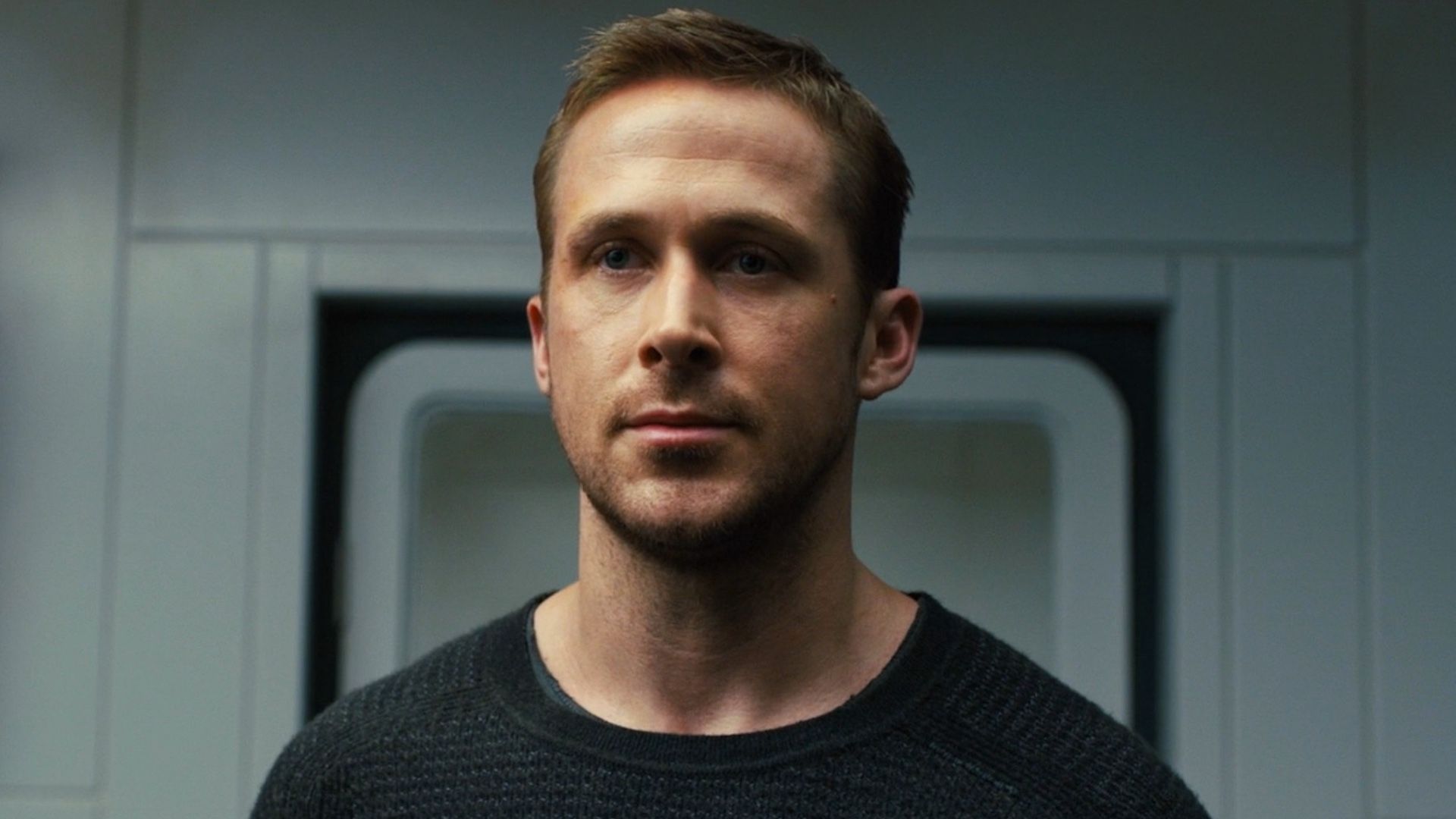
Okay, so Ryan Gosling is everywhere right now. Everyone’s loving his new film, Project Hail Mary, and it’s doing huge numbers in theaters. Plus, he’s going to be leading the cast of the new Star Wars movie, Starfighter! It’s clear he’s really leaning into the sci-fi genre. But you know what’s crazy? One of his best sci-fi movies totally flopped when it first came out back in 2017. It’s a shame, because it’s a really good film!
Ryan Gosling played the role of K in Blade Runner 2049, a bioengineered human called a replicant. K works as a blade runner for the Los Angeles police, tracking down and eliminating other rogue replicants. He becomes involved in a puzzling case: a replicant who seemingly had a child. K is tasked with finding and killing the child to prevent a war between humans and replicants. During his investigation, he encounters the ruthless CEO Niander Wallace (played by Jared Leto) and Rick Deckard (Harrison Ford), the protagonist from the original Blade Runner film from 1982.
Although Blade Runner 2049 earned almost $260 million worldwide, it didn’t actually turn a profit. With a production cost of about $150 million, the movie needed to earn roughly twice that amount to be considered financially successful.
Like the original Blade Runner, Blade Runner 2049 didn’t initially make a profit. While critics praised both films for their stunning visuals, they also found them to be slow-paced and emotionally distant. However, just as the first Blade Runner gained a dedicated following over the years, the sequel is now experiencing a similar resurgence in popularity and becoming a cult favorite.
‘Blade Runner 2049’ Has Carved Out a Place for Itself in Pop Culture
After nearly ten years, Blade Runner 2049 is finally receiving the praise it earned. Many critics now believe it surpasses the first film, and its stunning visuals – beautifully captured by cinematographer Roger Deakins (who won an Oscar for his work) – continue to impress and be studied even today.
People are impressed by more than just how realistic the film looks. In 2024, Alcon Entertainment, a production company involved with Blade Runner 2049, sued Tesla, claiming they illegally used images from the movie in advertisements for their self-driving cars. The lawsuit is strong enough that Tesla hasn’t been able to get it thrown out, even after several years. This shows the film clearly resonated with audiences and left a lasting impact.
The movie Blade Runner 2049 is gaining renewed attention because its ideas about the future now seem surprisingly accurate. The film features K’s girlfriend, Joi, as a holographic AI—something that once felt like science fiction. However, with stories of people forming relationships with AI chatbots and the launch of AI companions like Elon Musk’s Grok, this concept is starting to feel increasingly realistic.
‘Blade Runner 2049’ Is Much More Than a Retread of ‘Blade Runner’
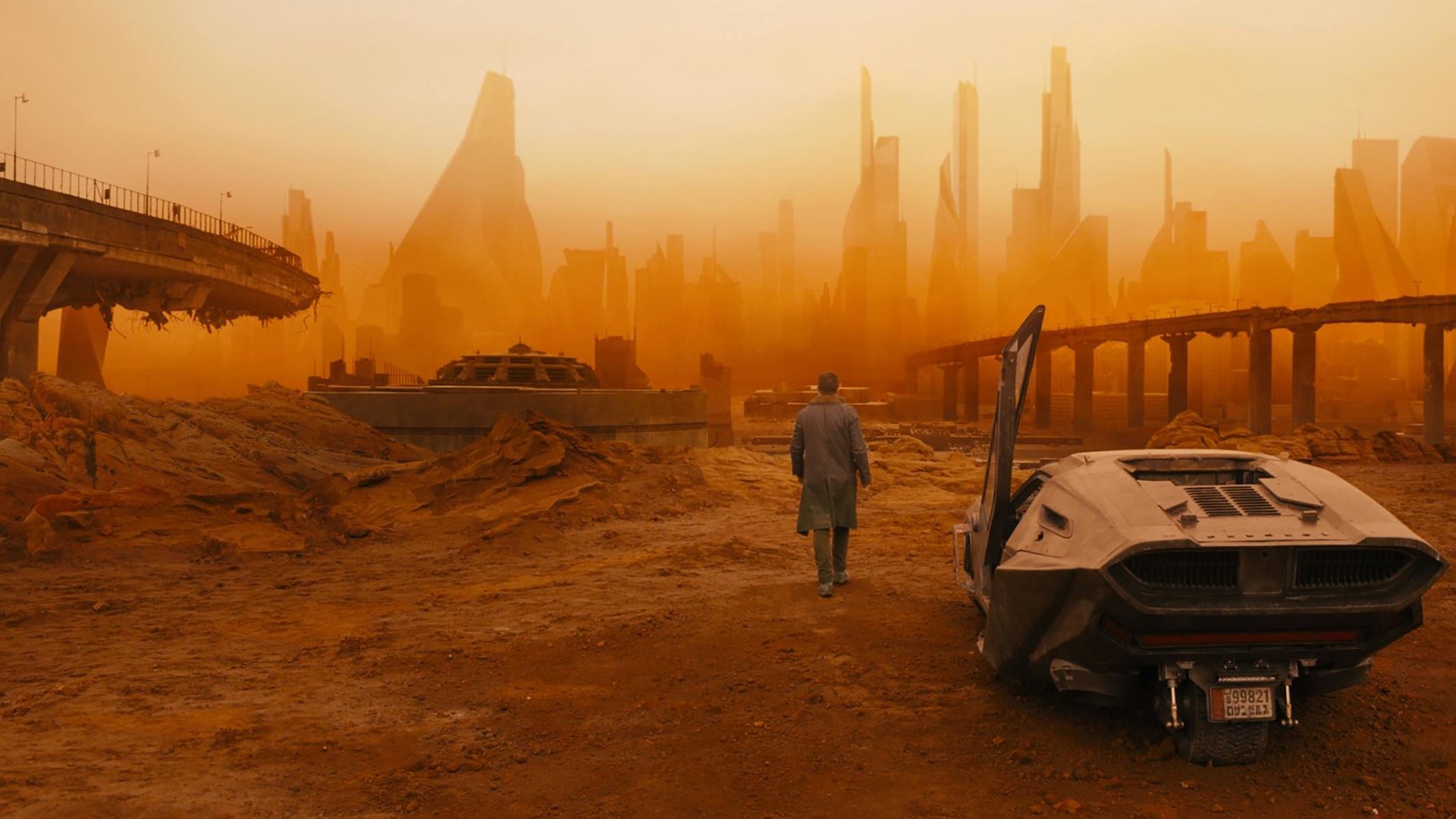



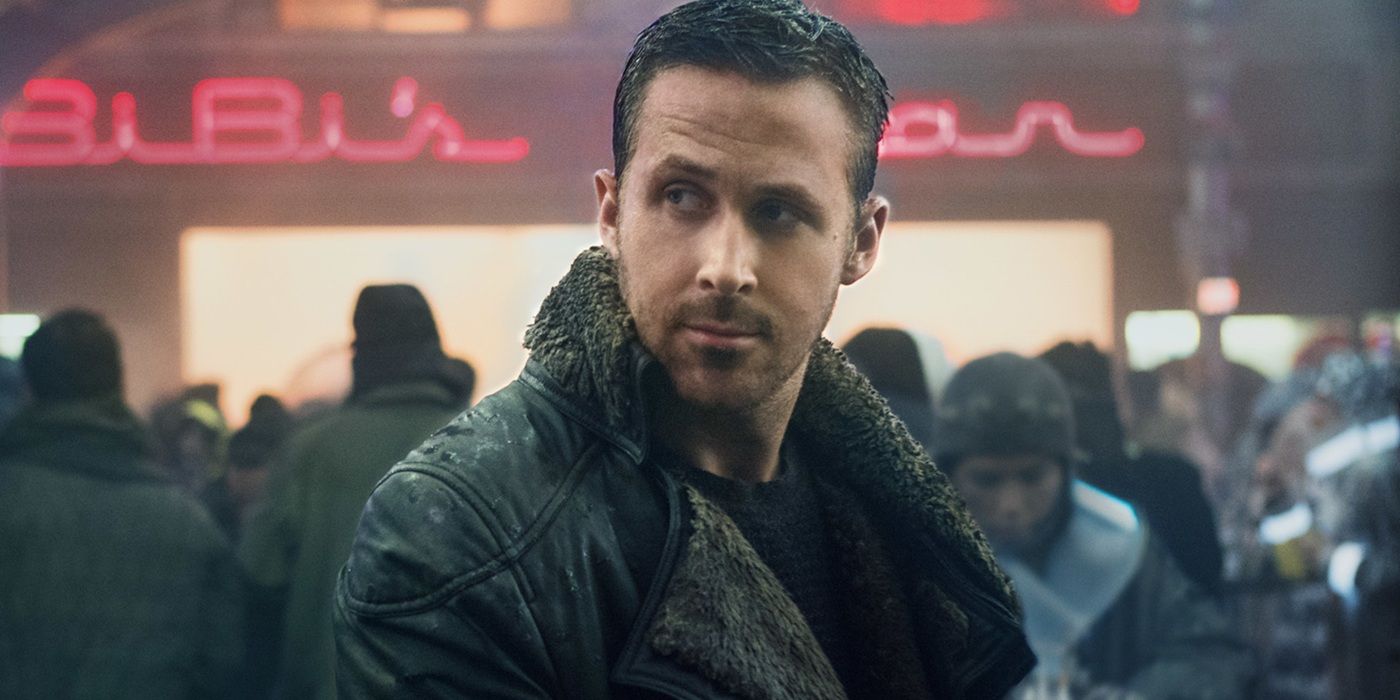
Both the original Blade Runner and Blade Runner 2049 use artificial beings called replicants to examine what it truly means to be human, but the sequel delves deeper into this idea. In the first film, Rick Deckard is possibly human, and he watches as replicants struggle to find purpose while remaining distant from them. Blade Runner 2049, however, immediately establishes that K is a replicant, though this is later complicated. K’s story focuses on discovering that being human might not be about birth, but about the choices we make—specifically, acts of kindness and selflessness. Ironically, Niander Wallace, a human character, proves to be colder and less empathetic than many of the replicants, even Joi. As artificial intelligence becomes more advanced, these kinds of paradoxes may become increasingly common.
Subscribe to the newsletter for smarter sci-fi insights
Hungry for more context on films like Blade Runner 2049? Subscribe to the newsletter for thoughtful coverage of film reappraisals, sci-fi cultural trends, and the tech questions movies raise—so you stay informed and engaged with the conversation.
Blade Runner 2049 tackles complex themes with the careful nuance that director Denis Villeneuve—known for his sci-fi success with Arrival—is celebrated for. Villeneuve has often been puzzled by the film’s disappointing box office performance. Ridley Scott, who directed the original Blade Runner, suggested the nearly three-hour runtime was to blame. However, that doesn’t seem to be the issue, considering the recent success of Project Hail Mary, which has a similar length. In fact, Villeneuve’s own Dune films are even longer—Dune: Part Two is just a bit longer than Blade Runner 2049—and both were massive hits, leaving fans eagerly anticipating Dune: Part Three later this year.
Perhaps the biggest reason Blade Runner 2049 didn’t immediately become a blockbuster is that it was released too soon. Had it come out after Denis Villeneuve proved his sci-fi mastery with Dune, or after the rise of AI sparked discussions about the film’s themes, it might have been an instant success. As things stand, Blade Runner 2049 may simply be ahead of its time, destined to be appreciated as a classic only after years have passed. But even a delayed recognition is still recognition.

Found an error? Send it info@movieweb.com so it can be corrected.
Read More
- Taylor Sheridan’s Mayor of Kingstown Kills Off Tracy in Season 3
- НОВАТЭК акции прогноз. Цена акций NVTK
- Прогноз криптовалюты OP: прогнозы цены OP
- James Cameron Blasts America: Hollywood Billionaire Trashes the Nation That Made Him Rich
- Why Star Wars’ 2-Part Prequel Masterpiece Was Missing Key Rebel Character Explained
- Heated Rivalry Star Christina Chang Discusses Season 2 and Handling Fame
- House of the Dragon Season 3 Teaser, Photos Reveal New Character
- Captain America’s Cut Fantastic Four First Steps Scene Revealed (Report)
- ‘I’m Gonna Give You Receipts For Free.’ Todd Chrisley Doesn’t Mince Words About His Daughter Lindsie Making Blackmail Claims And More Against Him
- Happiness Apocalypse: Inside Vince Gilligan’s Brave New Sci-Fi World At Apple TV
2026-03-23 23:05