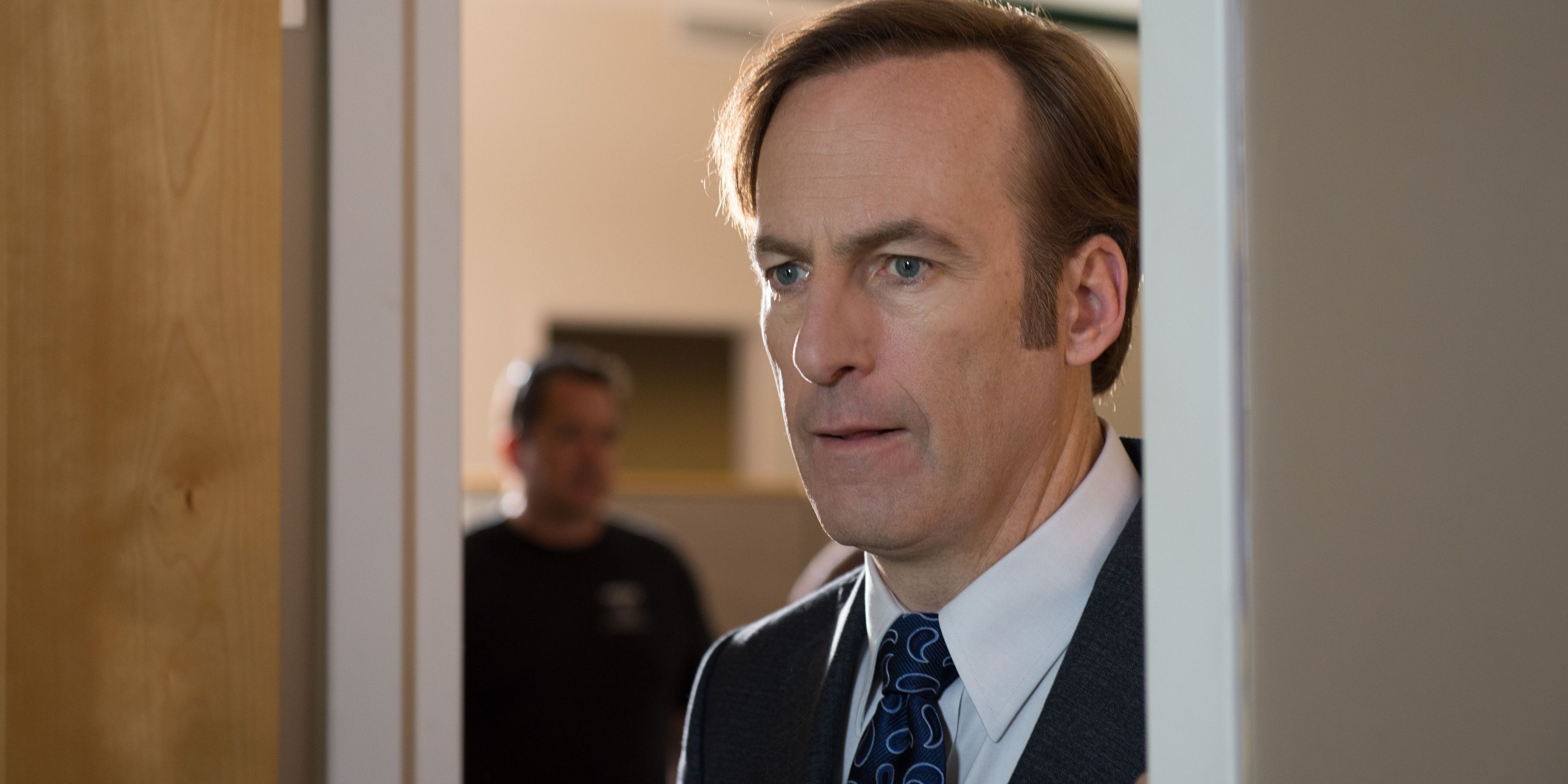
Originally, Better Call Saul was planned as a short, comedic sitcom, and one episode from its second season hints at what that version could have been like. The show had a slow beginning; after the exciting conclusion of Breaking Bad, the first few episodes of Better Call Saul felt like a shift in pace.
While Better Call Saul began as a fairly simple legal show, focusing on Jimmy McGill investigating wrongdoing at a nursing home, things shifted when characters like Gus Fring and the Salamancas appeared. That’s when it started to feel more like the intense ride of Breaking Bad.
At the beginning of the series, before things got dangerous for Jimmy, Better Call Saul was a much more lighthearted show focused on smaller problems. The first few seasons showed us that the show could have easily been a funny workplace comedy.
Better Call Saul Was Originally Conceived As A Half-Hour Comedy
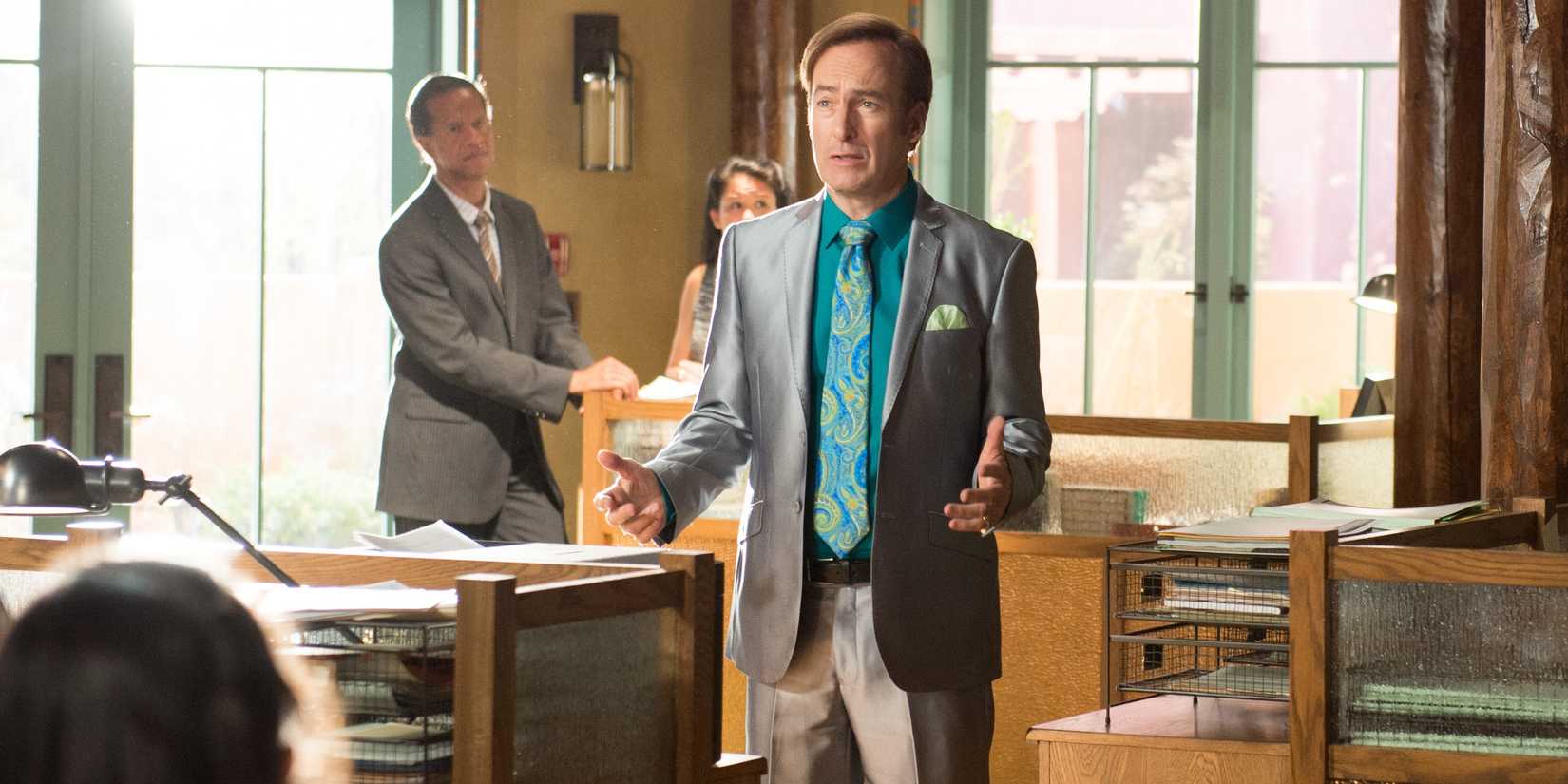
When AMC asked for a show based on the character Saul Goodman, Vince Gilligan and Peter Gould first imagined it as a sitcom. The initial idea was a simple, weekly comedy focusing on Saul’s messy law practice and the unusual people who came to him for help. Gilligan described this early version as being similar in style to the animated series Dr. Katz, Professional Therapist.
The initial idea for Better Call Saul didn’t work out. Gilligan and Gould, the show’s creators, discovered they lacked experience writing sitcoms – their expertise was in hour-long dramas, which demand a different approach than half-hour comedies. As a result, they shifted gears and developed the show as a gritty, hour-long drama similar to Breaking Bad, ultimately creating the series fans enjoy today.
I recently got a glimpse of what Better Call Saul could have been before it became the show we know and love, and honestly, it sounded amazing. Bob Odenkirk is a natural sitcom lead – he’s got that same knack for comedy as Steve Carell in The Office or Jason Alexander in Seinfeld. It’s always felt like a missed opportunity that he never got his own classic sitcom, and this early version of Better Call Saul really seemed like the perfect vehicle for him to finally shine in that role.
Season 2’s “Inflatable” Is When Better Call Saul Felt The Most Like A Sitcom
Even though Better Call Saul became more dramatic, it still kept some of its comedic roots. The show didn’t become truly dark until about the end of its third season, with an event like Chuck burning down his house. In the beginning, even serious events, like a cartel member breaking someone’s legs, were often treated with a lighter touch and played for laughs.
Initially, the show focused on lighthearted, comedic storylines – things like finding stolen baseball cards or creating fake adult films. The main antagonists in the first season were the owners of a retirement home who were motivated by greed, and a particularly annoying couple who were stealing money. The season ended with Jimmy facing a big decision: whether to accept a job at a highly respected law firm.
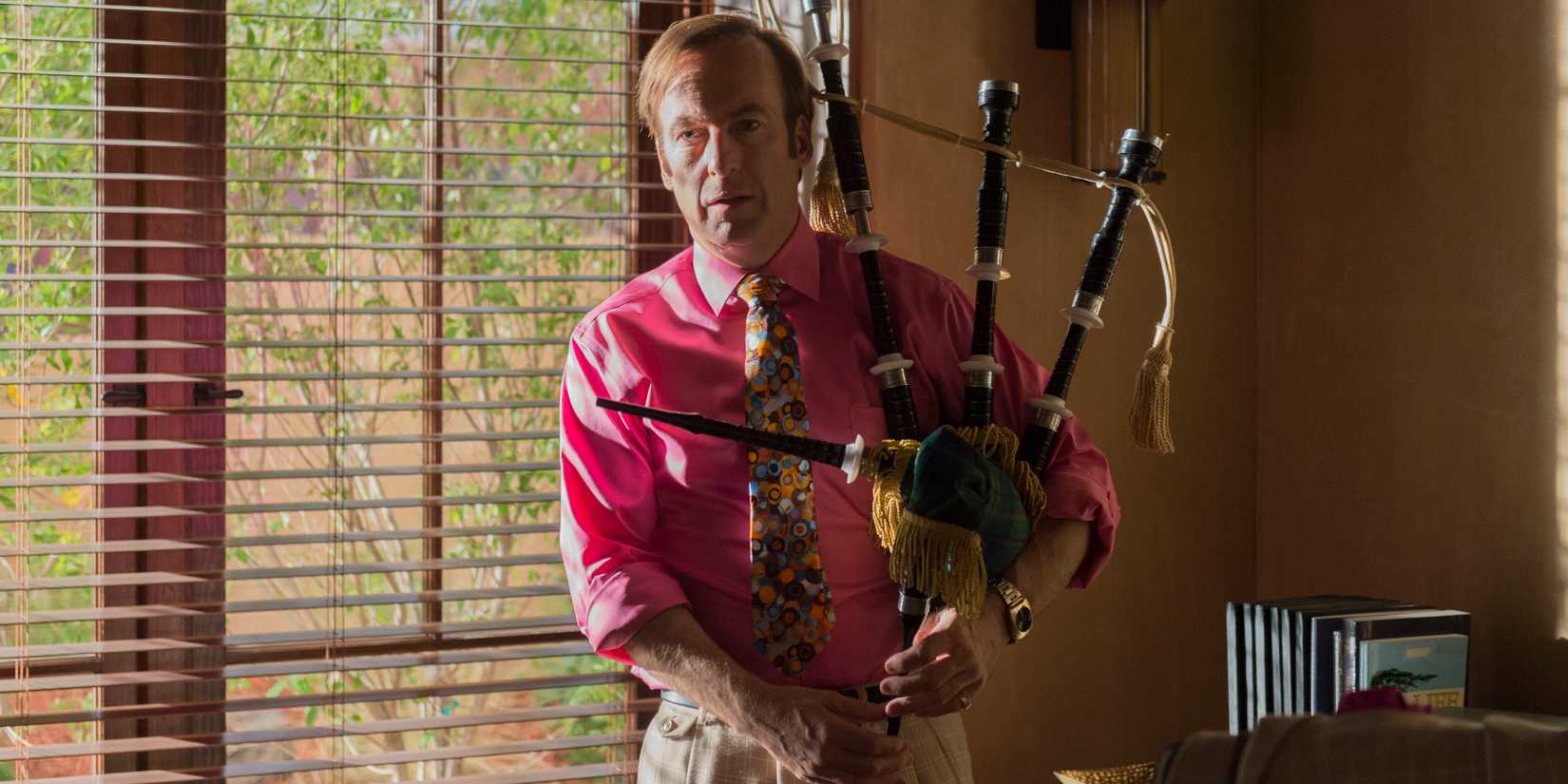
In season 2, episode 7, titled “Inflatable,” Better Call Saul had a particularly sitcom-like feel. Jimmy had just started working at Davis & Main, but he was unhappy, feeling like he’d compromised his principles. He missed the freedom to be resourceful and bend the rules, something now restricted by his corporate job.
In the story “Inflatable,” Jimmy realizes he doesn’t want to keep his new job. However, he’d have to repay a large bonus if he simply quit. So, he comes up with a plan: if he gets fired for no good reason, he gets to keep the money. He then tries everything he can think of to irritate his colleagues, including playing the bagpipes and deliberately avoiding the bathroom.
If Better Call Saul had been a traditional sitcom, this scene might have been genuinely funny. It’s a familiar setup – very similar to a classic Seinfeld episode with George Costanza. Perhaps Vince Gilligan and Peter Gould were too hard on themselves, and actually have a knack for sitcom writing.
A Saul Goodman Sitcom Would’ve Been Great, But We Definitely Got The Best Version Of The Breaking Bad Spinoff
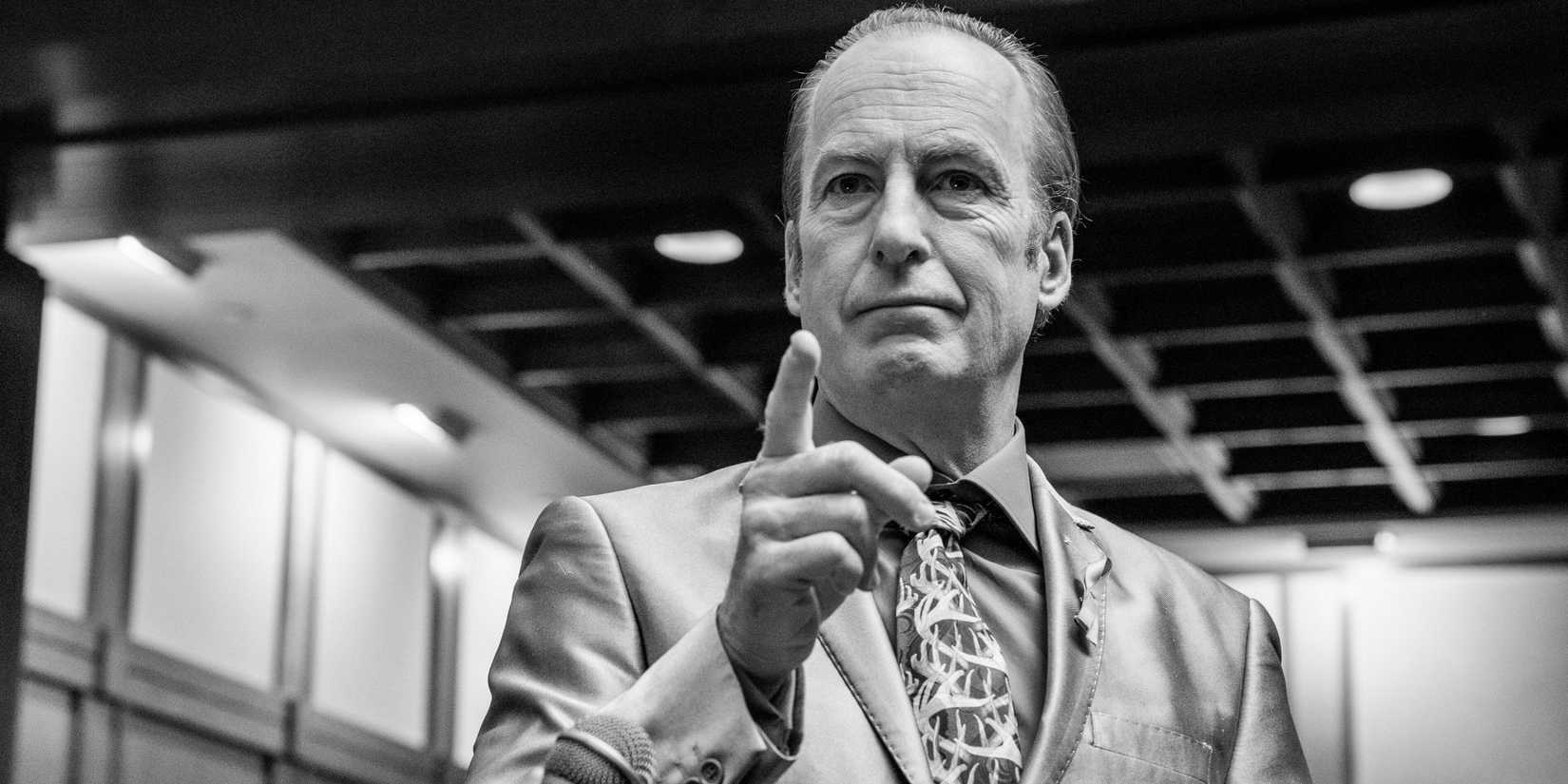
While I would have enjoyed a Saul Goodman comedy similar to Night Court, we ultimately received the best possible spin-off of Breaking Bad. Better Call Saul is genuinely funny – often funnier than many sitcoms – but it also explores complex emotions and themes in a way sitcoms rarely do.
Vince Gilligan crafted Better Call Saul as a fascinating exploration of a complicated and flawed character, making it a fitting follow-up to Breaking Bad. The show expands on similar ideas and takes place in the same universe, and some might even say it reaches an even deeper level of storytelling.
If Better Call Saul Was A Comedy, We Wouldn’t Have Seen Bob Odenkirk’s Dramatic Abilities

We likely wouldn’t have seen Bob Odenkirk’s serious acting talent if Better Call Saul had been a comedy. While Breaking Bad offered hints of his dramatic range, he primarily played the comedic sidekick there. It was Better Call Saul that truly revealed Odenkirk’s ability to excel as both a dramatic and comedic actor.
Read More
- Золото прогноз
- Серебро прогноз
- Прогноз нефти
- ЭсЭфАй акции прогноз. Цена акций SFIN
- Why South Park 28 Isn’t Releasing a New Episode Tonight on Oct. 29
- Playdate’s Ending On Amazon Is So WTF I Need To Talk About It
- Apple TV Black Friday Deal: 50% Off For 6 Months
- Elio (2025) Release Date, Time, Where to Watch
- Евро обгонит малайзийский ринггит? Эксперты раскрыли неожиданный сценарий
- After Marvel Zombies’ Cliffhanger Ending, There’s One Thing I’d Like To See If Season 2 Happens
2026-01-17 15:09