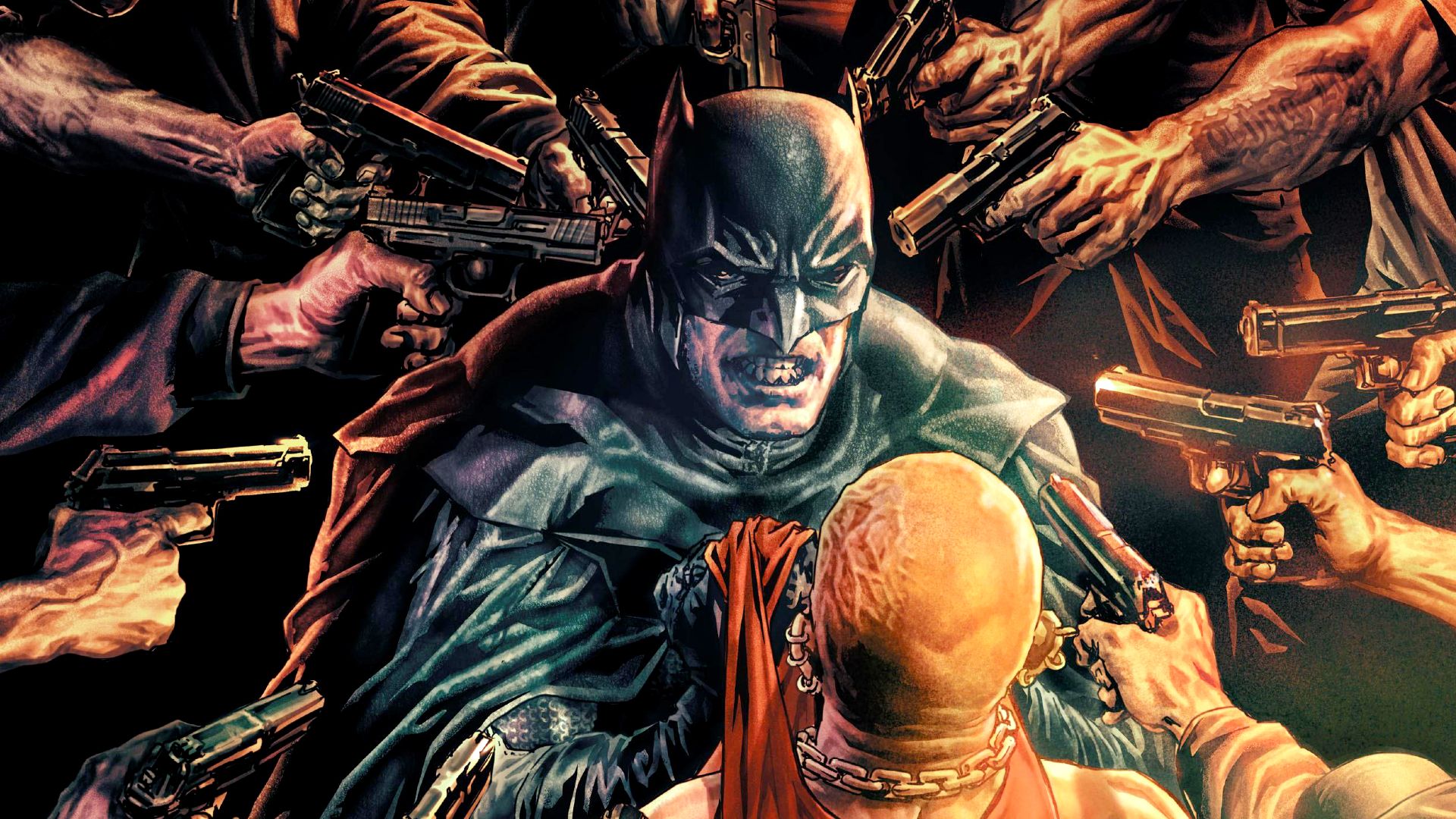
Batman has always been DC Comics’ most popular and profitable hero, with successful series like Absolute Batman and Detective Comics. He’s widely known for his strict ‘no-kill rule‘ – the belief that a real hero protects everyone, even villains. While many consider this rule to be central to what makes Batman great, there have been instances where it’s been seriously tested.
The debate around Batman’s refusal to kill is a constant topic among fans, with many questioning why he adheres to this principle. While some see it as a core element of Bruce Wayne’s identity as a vigilante, the reason behind the rule is more about what makes for good storytelling and continued comic book sales. It’s a compelling moral code for the Batman comics, but it shouldn’t be seen as a truly practical or realistic one.
Batman’s Code Was Originally More Nuanced
When the Joker first appeared in Batman #1 (1940), readers didn’t realize he would become Batman’s greatest enemy. He immediately made a splash by committing a series of murders among Gotham’s wealthy, robbing their families as he went. After attacking Robin and clashing with other criminals, Batman quickly stepped in. Surprisingly, Batman used a machine gun mounted on his car, intending to kill the Joker. He actually did kill the character initially, but public demand and the creative work of Dennis O’Neil and Neal Adams brought him back with a fresh take.
He definitely wasn’t comfortable with killing, but he recognized it could sometimes be unavoidable. The stories showed the seriousness of taking a life, while still feeling true to the danger posed by villains like the Joker. The decision not to kill wasn’t based on deep moral reasoning; it was mostly due to restrictions from the Comics Code Authority and the desire to keep villains around for future stories. Removing that rule could have actually improved many Batman comics, but it also meant fans wouldn’t have seen as much of iconic characters like the Joker, Deathstroke, and the Riddler.
The animated adaptation of Frank Miller’s The Dark Knight Returns included a powerful line that perfectly illustrates a critical issue. During Batman’s final confrontation with the Joker, voiced by Peter Weller, Batman bitterly states he’s effectively ‘murdered people by letting you live.’ The Joker casually responds that he’s never bothered to count. Bruce Wayne, however, reveals he has kept count. This shows that this version of Batman fully understands the terrible price of his choices and ultimately takes decisive action by breaking the Joker’s back. The scene is widely considered a brilliant example of how animation can enhance a great comic book moment, adding even more emotional weight to Miller’s original work.
Why Bruce Wayne’s Moral Code Is Important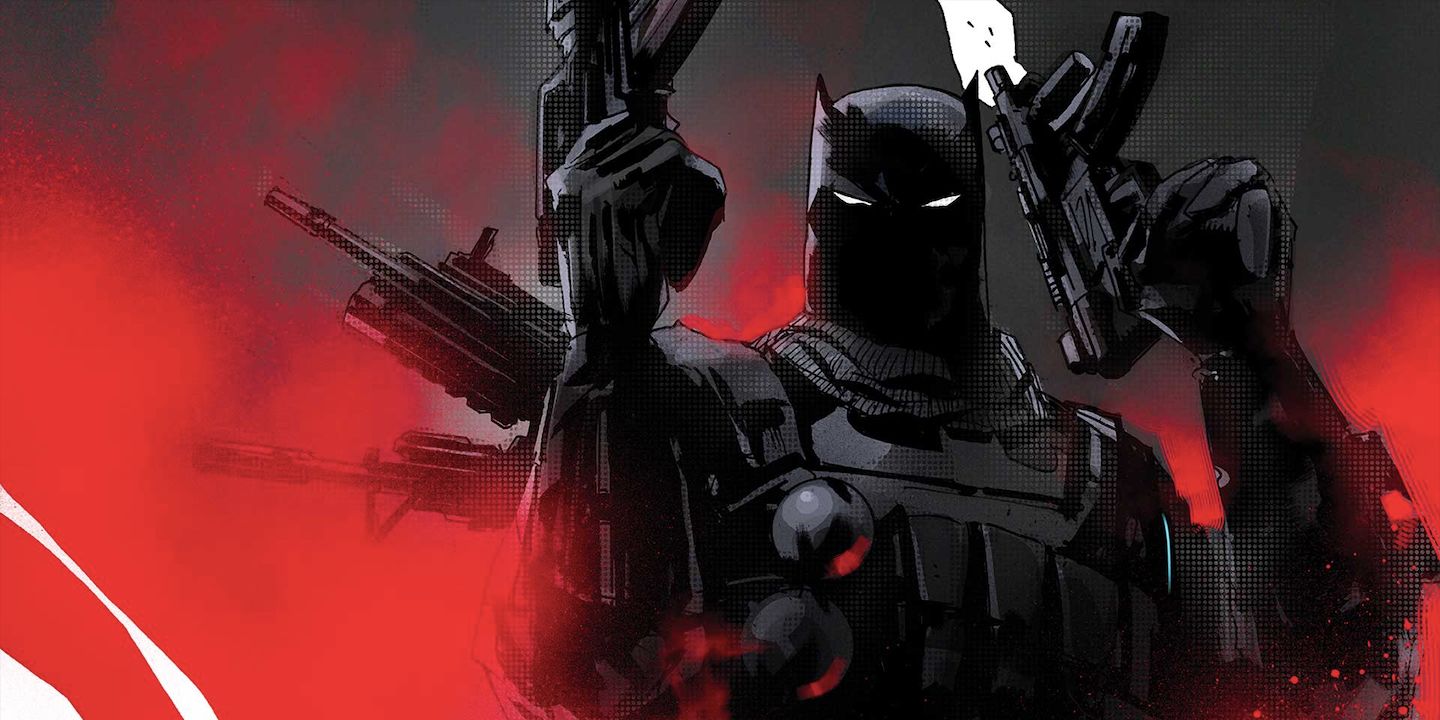
Although the rule against killing may have originated from business decisions rather than narrative needs, writers have worked hard to justify it within the story. It’s presented not simply as a respect for life, but as a crucial way for Bruce Wayne to safeguard his own morality and principles. The miniseries Batman Who Laughs, illustrated by Jock, introduced the Grim Knight – a Batman from an alternate reality who began executing criminals with firearms. This version demonstrates the path Bruce Wayne would take if he crossed that line, ultimately leading to the loss of Alfred’s trust and companionship.
Many stories have explored why Batman has a rule against killing. Each writer approaches the explanation differently. Some suggest it’s about the value of every human life, while others believe it’s more about Batman protecting his own morality. He isn’t necessarily trying to save the Joker, but he refuses to sacrifice his principles by becoming a killer. Batman believes that even if someone deserves death, it’s not his role to deliver it, and taking a life would undermine the justice system in Gotham.
The reason Batman refuses to kill, despite the Joker’s horrific crimes, isn’t about justice – it’s about business. The Joker could easily face the death penalty, and Batman likely wouldn’t stop it, considering the villain’s extensive history of mass murder. However, permanently killing off popular villains like the Joker would hurt comic book sales. Unlike other heroes like Captain America or Moon Knight who sometimes kill when necessary, Batman’s enemies are kept alive for financial reasons. Many believe Batman’s reluctance to kill is a miscalculation, and eliminating the Joker would significantly improve Gotham’s safety.
It’s Still Better if Batman Doesn’t Actually Kill In DC Comics
While it’s become a common expectation, the rule against Batman killing has added real complexity and moral weight to Gotham’s stories. Many of the most compelling Batman comics focus on Bruce Wayne’s internal struggles, as Darwyn Cooke brilliantly showed in Batman: Ego, highlighting the conflict between the man and the Batman. Without a strong moral compass, Batman risks becoming a ruthless vigilante, and once he starts killing, he might not be able to stop. Ultimately, he’s meant to be a guardian, not someone who delivers final judgment and punishment.
Older DC Comics often show heroes with more complex motivations and moralities. Unlike some modern interpretations, Batman’s restraint from killing villains wasn’t necessarily based on strong principles, but more on what would sell comics. He was originally conceived as similar to The Shadow, and only avoided lethal force due to business considerations.
Read More
- Gwyneth Paltrow on Avengers: Doomsday Return: ‘What’s That?’
- Snowfall: Hulu’s Acclaimed 6-Part Crime Drama Series
- Jack Black & Paul Rudd’s Anaconda Reboot Sets Franchise’s Second-Biggest Box Office Debut
- Mel Brooks’ Iconic Historical Comedy Emerges On HBO Max’s Top Charts 45 Years After Its Release
- Iron Man 2 Star Pitches a Perfect Villains’ Team up for Armor Wars
- 10 Greatest ‘Star Trek’ Episodes of the 21st Century
- Ray and Debra Barone: The Most Realistic And Relatable Sitcom Parents
- Star Wars: Qimir’s Jedi and Sith Past Revealed After The Acolyte’s Cancellation
- ‘Sonic the Hedgehog 4’ Teaser Brings the Video Game Icon Back for More Big Screen Chaos
- All Her Fault Review: Sarah Snook & Dakota Fanning Are Superb In A Mystery Thriller That Masterfully Toyed With My Mind & Emotions
2026-02-16 02:08