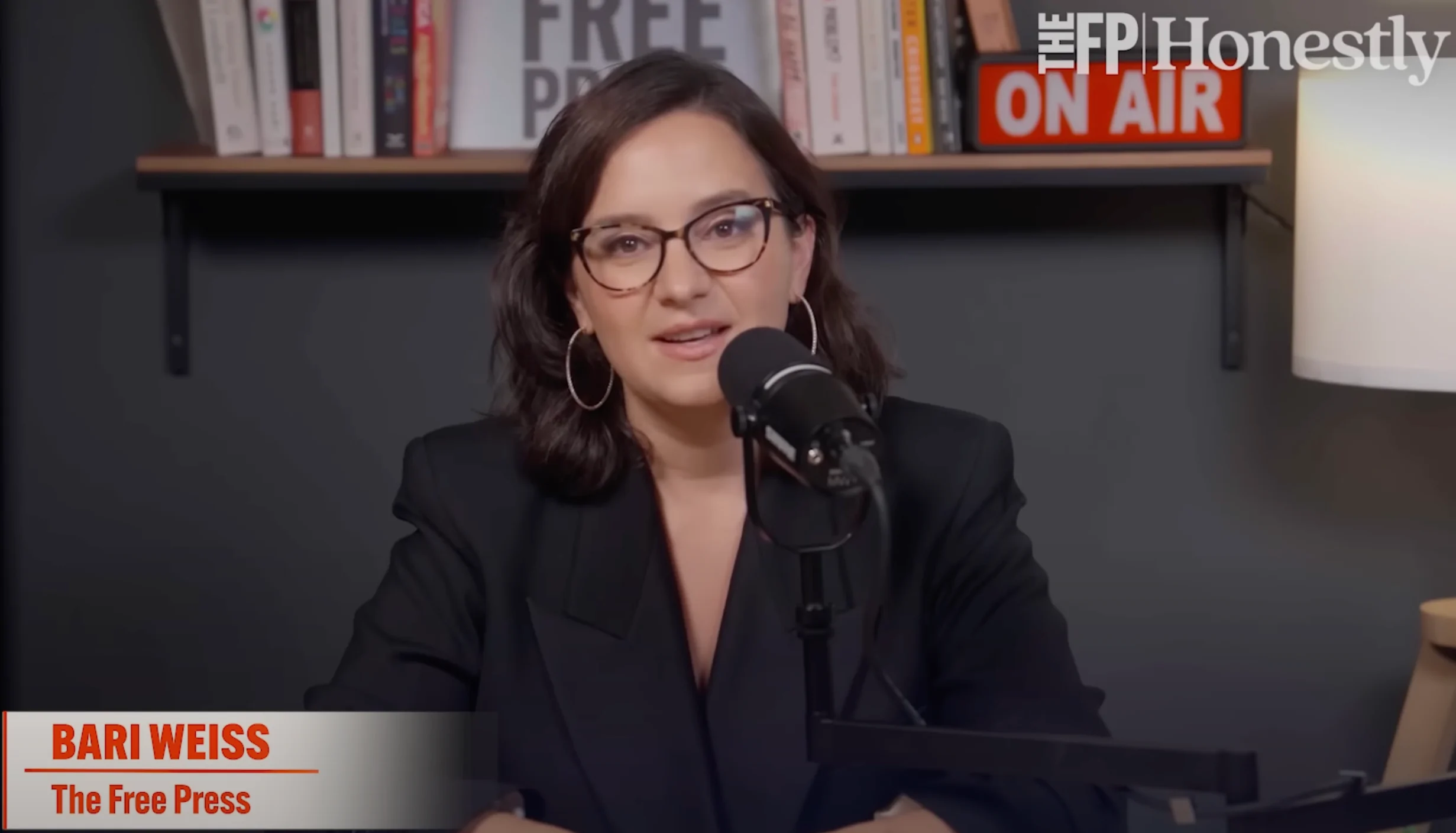
The cancellation of a 60 Minutes segment by Bari Weiss caused significant conflict within CBS News this week. After the network’s top editor supported the decision to remove the story, employees voiced their disagreement, the public criticized the move, and discussions restarted about journalistic ethics and potential outside influence.
Weiss responded to the criticism with a memo to her team, explaining that the change was essential for maintaining journalistic standards. However, longtime 60 Minutes reporters publicly disagreed with her, suggesting the decision was driven by political considerations.
Weiss: “No Amount of Outrage Will Derail Us”
In a memo to CBS News employees, and as reported by The Hollywood Reporter, Weiss explained the decision as an attempt to rebuild trust in a media landscape she believes is increasingly biased and divided.
The memo states that neither criticism from activist groups nor the White House will change their course. Their goal isn’t to please any particular political side or gain popularity online, but simply to accurately inform the American people.

Weiss admitted the decision was likely to be divisive, noting it could be seen as extreme given the current political environment. However, she maintained that simply being controversial shouldn’t be the reason to avoid making a sound editorial choice.
She explained that these types of editorial choices can create a lot of public debate, especially when there isn’t much other news happening. She also acknowledged that the high standards of fairness they’re aiming for – especially when covering sensitive topics – might upset people who are used to a different approach. However, she believes it’s a necessary step to achieve their goals.
The Pulled Segment and Its Aftermath
The 60 Minutes story that was put on hold, and ultimately cancelled by Bari Weiss, investigated Venezuelan migrants who were deported by the Trump administration to a prison in El Salvador. Reports indicate Weiss decided not to air the segment because officials from the administration wouldn’t agree to be interviewed on camera.
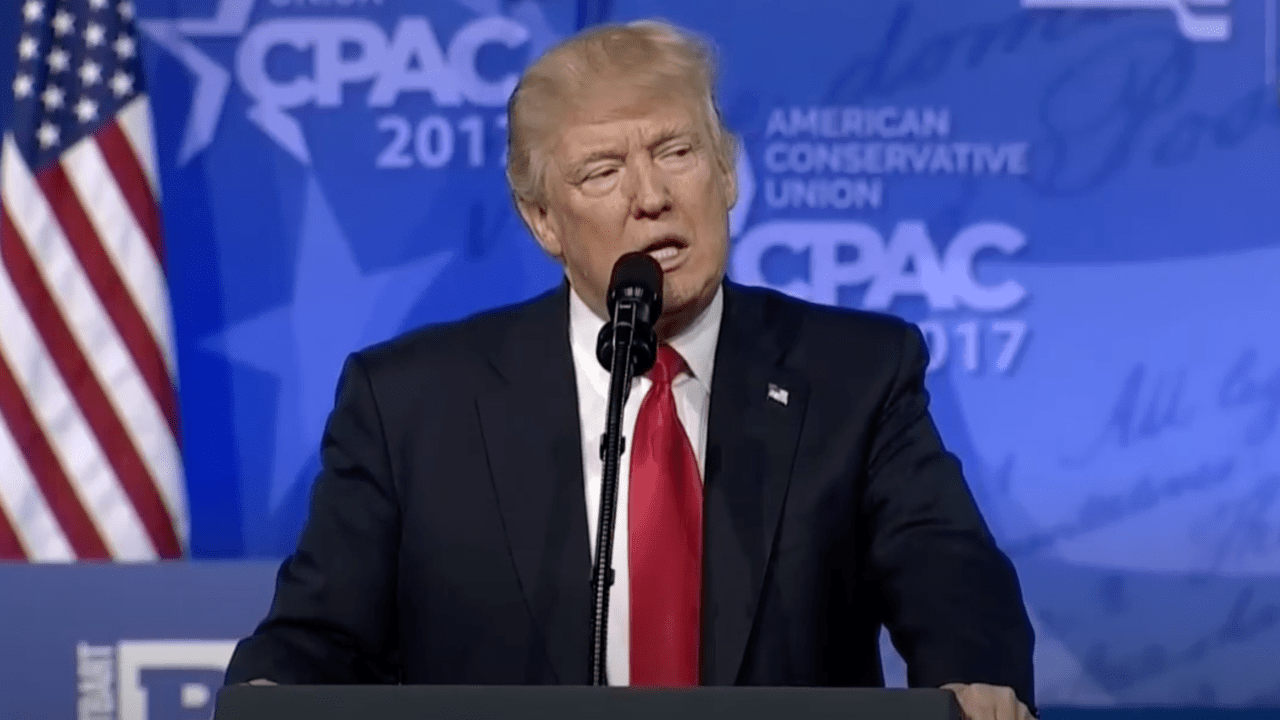
Okay, so this is a weird one. The network pulled the segment here in the States, but it actually aired in Canada on Global TV – they have the rights to 60 Minutes up there. And honestly, as soon as clips hit the internet, all the excuses about it being unfinished or not ready to go out the window. Everyone saw it, and the criticism just blew up – it was clear they weren’t being truthful about why it was pulled in the first place.
Internal Pushback From 60 Minutes
Sharyn Alfonsi, a correspondent for 60 Minutes, publicly questioned Weiss’s account of how the story was handled. She sent a message to her colleagues disagreeing with his description of the editorial process.
She explained that the story had gone through a thorough review process, being checked five times and approved by both CBS’s legal team and its Standards and Practices department. She emphasized that it was factually accurate and argued that removing it now, after passing all internal checks, wasn’t a matter of journalistic judgment, but a political one.
Alfonsi’s statement highlighted increasing friction inside CBS News, especially between its managers and veteran journalists who were used to established ways of doing things.
Weiss Emphasizes Trust and Newsroom Culture
Bari Weiss discussed the recent 60 Minutes situation during a company meeting, emphasizing the importance of trust – both within the company and with the public.
Weiss emphasized the importance of trust, both within the newsroom and with the public. She stated that she wants to lead a newsroom where colleagues can respectfully disagree on difficult editorial decisions, always assuming positive intent from one another. She made it clear that anything less than that standard would be unacceptable.
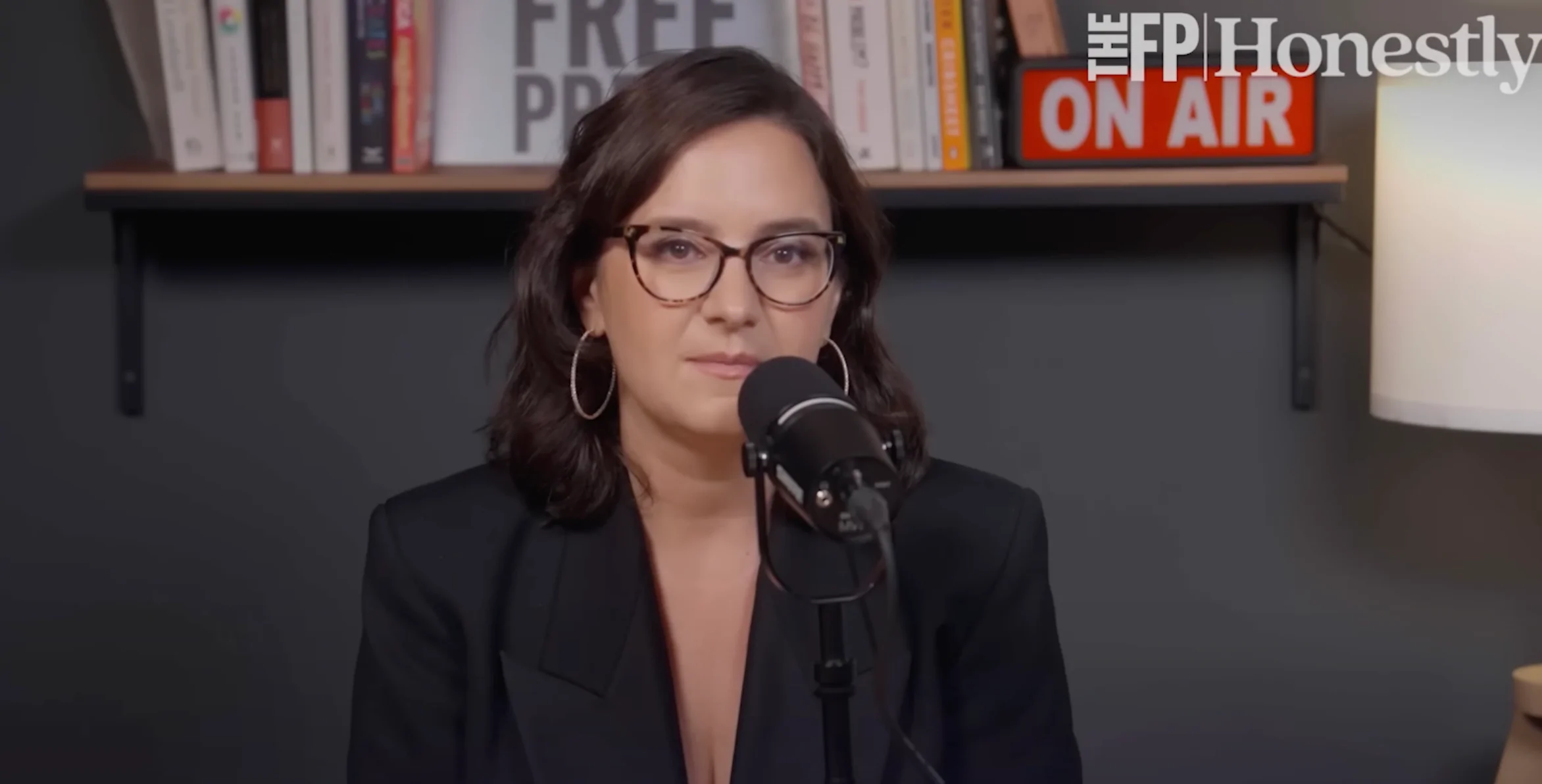
She believes winning back the public’s trust means being extra careful, providing more detailed reporting, and occasionally holding off on stories about sensitive political topics.
A Broader Shift at CBS News
This dispute is the most recent in a series of disagreements since Norah O’Donnell became head of CBS News after Paramount bought The Free Press. Paramount CEO David Ellison strongly supports O’Donnell and agrees with her belief that many mainstream news organizations aren’t meeting the needs of a significant portion of Americans.
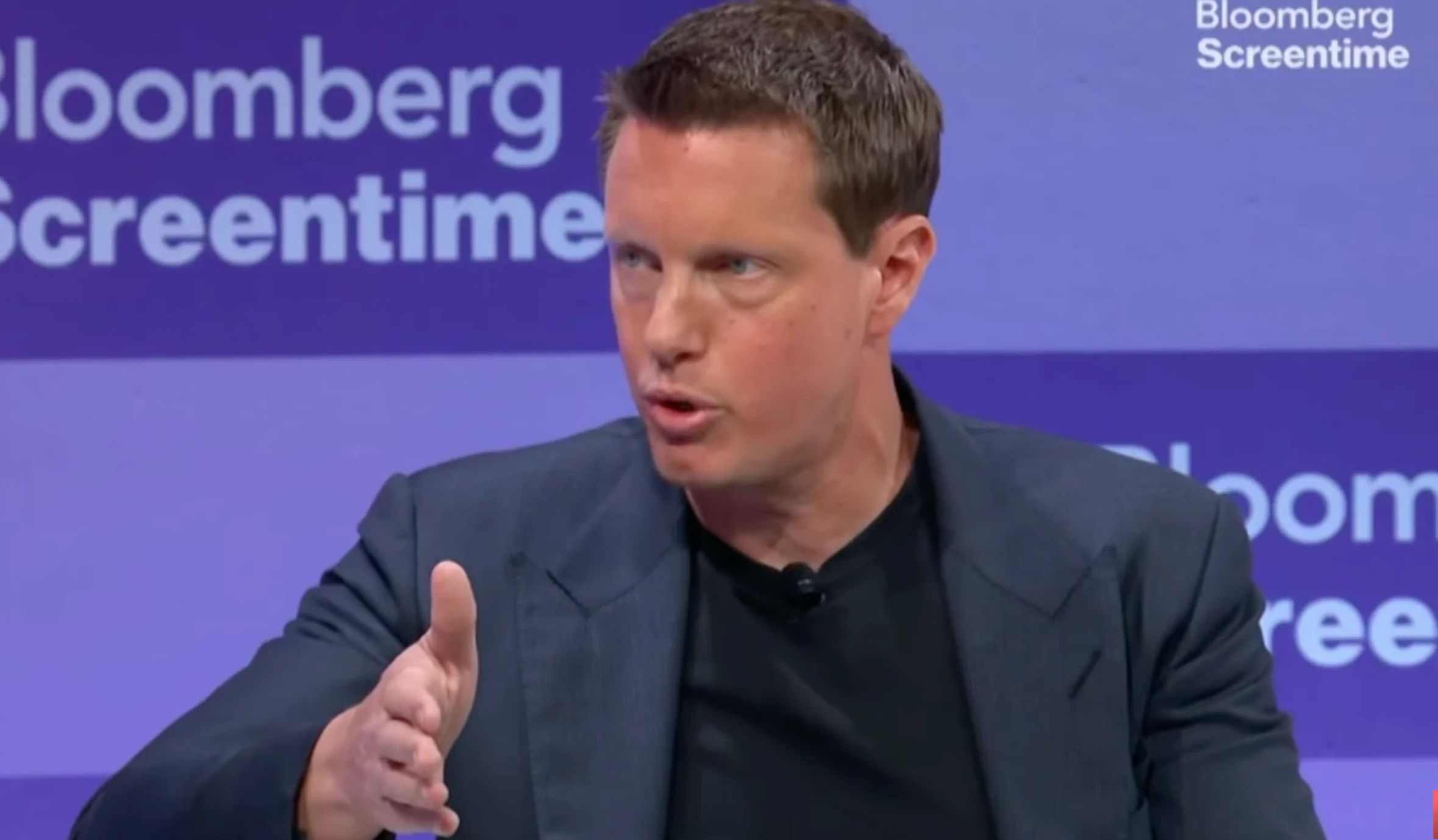
Weiss and Ellison both agree that a significant number of people feel unrepresented by mainstream news, falling outside of typical political divides. They contend that CBS News needs to reconnect with this overlooked group.
It’s still unclear if the current approach will work, but the disagreement between Bari Weiss and 60 Minutes has quickly become a key moment for the network’s leadership. It’s exposed significant disagreements about how much control editors should have, the influence of outside pressure, and what it means to be a trustworthy news source in today’s divided media environment.
Read More
- Прогноз криптовалюты ATOM: прогнозы цены ATOM
- Прогноз нефти
- New Report Hints Superman’s Box Office Wasn’t Profitable Theatrically
- Сегежа акции прогноз. Цена акций SGZH
- Полюс акции прогноз. Цена акций PLZL
- X-Men MCU Movie Rumor Hints at Quick Production Start Date
- Here Me Out: Task Season 2 Would Be Great, But There’s A Crossover I Already Want Even More
- ETF Solana: 16 дней 💰 дождя, но продлится ли вечеринка? 🎉
- CBS Effectively Explains Why Tracker Got Rid Of Bobby & Velma
- The Prestige TV Revolution Set Procedurals Back Decades
2025-12-26 18:57