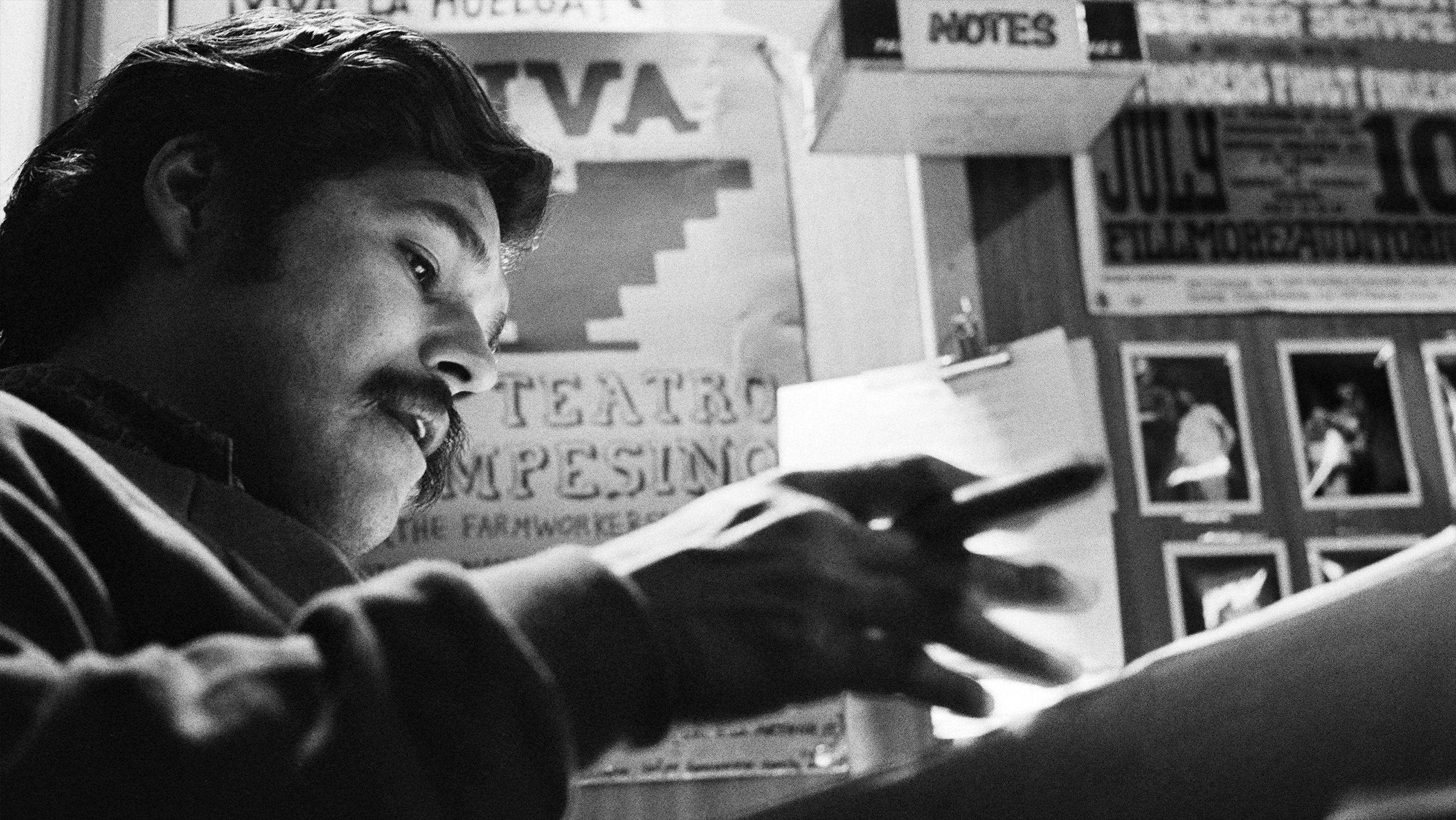
Luis Valdez, a pioneering Chicano filmmaker and theater director, has often seen life mirror his art. When his play Zoot Suit – the first Chicano play on Broadway, staged at the Winter Garden Theater – debuted, critics harshly reviewed it, using biased language to dismiss his creative work. The play was inspired by the Zoot Suit Riots, where young Chicano men were publicly stripped of their clothing, and Valdez felt unfairly attacked by the media, as if he himself was being targeted.
The film American Pachuco: The Legend of Luis Valdez celebrates the remarkable life and career of a true innovator, and it does so with a positive and uplifting tone. While Valdez is widely recognized today for his hit film La Bamba – still the most commercially successful Chicano film ever made – and for founding Teatro Campesino, he’s always believed art should be a form of protest. The documentary highlights his conviction that he and his work represent an essential part of America, powerfully asserting his and his community’s place in the nation’s story.
David Alvarado’s documentary about Luis Valdez is as vibrant and energetic as Valdez’s own work, but it feels somewhat limited in scope. The film focuses heavily on Zoot Suit and La Bamba, which is a good introduction to Valdez’s career, but doesn’t offer a comprehensive look for those already familiar with his work. While it’s enjoyable to hear Lou Diamond Phillips and Edward James Olmos share their memories, the film overlooks many of Valdez’s other important contributions. Though Dolores Huerta describes him as a catalyst for social change, the documentary doesn’t fully convey that side of him.
The film truly shines when showcasing Valdez’s early activism. Before becoming a well-known artist, Valdez actively protested alongside the AFL-CIO, supporting Cesar Chavez and many farmworkers in their fight for fair pay and better working conditions. Interestingly, it was Chavez’s difficulty as a public speaker that inspired Valdez to create Campesino – a platform for using art as a form of protest.
As a movie and theater lover, I’ve always been fascinated by how art reflects real struggles. That’s why I find the story of Valdez and his siblings, Daniel and Socorro, so powerful. They basically built a space where Chicano artists could finally voice their anger and frustration with a country that didn’t seem to acknowledge them. But it wasn’t just about external conflict. Campesino Theater also let artists explore the difficult choices Chicanos faced – trying to fit in versus holding onto their culture. They even put on plays that bravely showed their outrage over Chicanos being sent to fight – and often die – in the Vietnam War. It was raw, honest, and incredibly important.
These days, with people of color constantly facing harassment and anyone expressing an opinion potentially facing legal repercussions, Valdez represents someone caught in the middle of it all. He’s a vibrant and outspoken challenge to the way things are. If the play American Pachuco leaves you wanting to hear more from him, that’s perfectly understandable—Valdez deserves to have the final say, and his story isn’t over yet.
American Pachuco: The Legend of Luis Valdez screened at the 2026 Sundance Film Festival.
Read More
- ‘YouTube Customers Are Suffering.’ Disney CFO Says Company Isn’t Backing Down As Cable Outage Continues
- Percy Jackson Season 2’s Tyson Explained: Everything You Need To Know About The Cyclops Character
- Filings Reveal Trump Bought Part of Netflix’s Debt — What Does That Actually Mean?
- HBO’s New Drama I Love LA Rotten Tomatoes Score Unveiled
- Nicolas Cage’s New Horror Movie Gets Poor Reviews & RT Score
- James Bond Is Great, but Atomic Blonde Deserves More Love
- Every Winner at Japan’s Biggest Streaming Anime Trend Awards in 2025
- Ryan Gosling’s New Epic Sci-Fi Adaptation Runtime Breaks Record As His Longest Movie Ever
- Star Trek: Starfleet Academy Viewership Collapses Again After Brief Paramount+ Top 10 Re-Appearance
- Фунт обгонит канадский доллар? Эксперты раскрыли неожиданный сценарий
2026-01-23 07:30