
If you enjoy psychological thrillers, you won’t want to miss All Her Fault. This series, based on Andrea Mara’s 2021 novel, quickly became Peacock’s most popular premiere ever. All eight episodes were released at once, making it perfect for binge-watching.
Dakota Fanning and Sarah Snook from Succession star in All Her Fault, a suspenseful drama about a kidnapping involving a nanny and the sons of two mothers. The show explores the pressures faced by working moms and features surprising family secrets, making it a truly binge-worthy experience.
What Elevated All Her Fault Above Other Psychological Thrillers

As a thriller, All Her Fault isn’t just about twists for the sake of twists—it actually builds something meaningful with them. What really grabbed me was how honestly it portrays the pressures on women today, specifically Marissa Irvine (played brilliantly by Sarah Snook) and Jenny Kaminski (Dakota Fanning). The series really digs into how they’re constantly pulled in a million directions, trying to balance their careers, be good mothers, and maintain their marriages. It’s a complex look at modern womanhood that elevates it beyond a simple whodunit.
After Marissa’s son is kidnapped, both she and Jenny face unfair blame. Jenny is criticized for not fully vetting their nanny, even though her husband wasn’t involved in the hiring decision. Marissa is harshly judged for simply not noticing a mistake in a text message number.
I’m really getting to know the Irvine family through All Her Fault, and it’s clear there’s a lot going on beneath the surface. Peter, Marissa’s husband, seems to carry the weight of his two siblings on his shoulders, both emotionally and financially. But honestly, the show has some amazing surprises involving him. The more you learn about Peter, the more his ‘perfect guy’ image starts to crumble, and it’s fascinating to watch.
The show’s concise eight episodes feature sharp, focused writing. Each scene actively develops the characters, explores central themes, or increases the suspense. What makes it unique is its clever combination of a central mystery with explorations of gender roles and the pressures surrounding the idea of the “perfect” mother.
The movie features a strong supporting cast, including familiar actors like Abby Elliott, Michael Peña, and Jay Ellis, and every character feels well-developed. All Her Fault is a standout psychological thriller – it’s fast-moving, focuses on its characters, and leaves a lasting impression even after the surprising ending.
All Her Fault Would Have Been Better With A Weekly Release Model

Releasing all episodes at once likely contributed to the huge success of All Her Fault on Peacock, as viewers were eager to immediately watch the next installment and see how the story unfolded.
From a viewer’s perspective, this thriller would have been more impactful if released one episode per week. The show is packed with twists, emotional turns, and deeper meanings, and binge-watching all eight episodes at once doesn’t allow those important moments to fully resonate.
The show All Her Fault starts with a kidnapping, but that’s just the beginning of the surprises. As the story unfolds, revealing family secrets and jumping between different viewpoints, it’s easy to get lost if you watch it all at once. The characters and plot points can start to feel muddled if you don’t take your time.
Releasing the series a week at a time would have given each reveal more impact, allowing viewers to fully consider what happened, think back to previous hints, and share their theories. The show deals with complex themes like how blame falls along gender lines, the stress of financial hardship, and troubled relationships – all of which are best understood with time to reflect, not by rushing through episodes.
Releasing the show gradually would have gotten fans more involved. Building excitement over several weeks with discussions, predictions, and online buzz would have significantly increased the show’s impact and popularity, much more than releasing it all at once.
As a critic, I’m finding the rollout of All Her Fault fascinating. While it’s been a streaming success for Peacock here in the US, audiences in places like the UK are getting it as a weekly series, and honestly, that’s a smart move. It’s building a real buzz, and I think that weekly format could have really elevated the viewing experience here, making it more of a shared, communal event. It’s a shame we didn’t get that treatment – it had the potential to be really exciting.
Why There Are Different Release Models In The US & UK For All Her Fault

Peacock is only available in the US, and in the UK, the film All Her Fault is distributed by Sky and its streaming service, NOW. These are separate markets, meaning the release of the film isn’t planned worldwide. Instead, each distributor decides how to release it based on what they think will be most successful for viewers in their region and for their business.
As a Peacock supporter, I think releasing all eight episodes of All Her Fault at once was a really smart move. Peacock is still building up its original shows, and a thriller you can binge-watch immediately gets people watching – and that’s what gets attention! Those viewing numbers create buzz, make it seem like Peacock is really gaining traction, and ultimately encourage more people to subscribe. It creates that ‘everyone is talking about it’ feeling, which is exactly what you want!
Sky takes a different approach, though. Being a well-known UK provider, they focus on keeping existing customers happy rather than just attracting new ones quickly. Releasing episodes weekly helps spread out viewing over multiple billing periods and keeps people subscribed for a longer time. This also builds buzz and encourages fans to talk about the show, which is important in a competitive TV landscape.
Essentially, Peacock’s launch in the US is designed for quick results, whereas the approach with Sky and NOW in the UK focuses on building a lasting presence. These different strategies reflect the unique demands of each country’s streaming market.
How Other Streaming Services Have Capitalized On A Hybrid Release Model
Peacock & Other Streamers Use Multi-Episode Premieres As A Hook
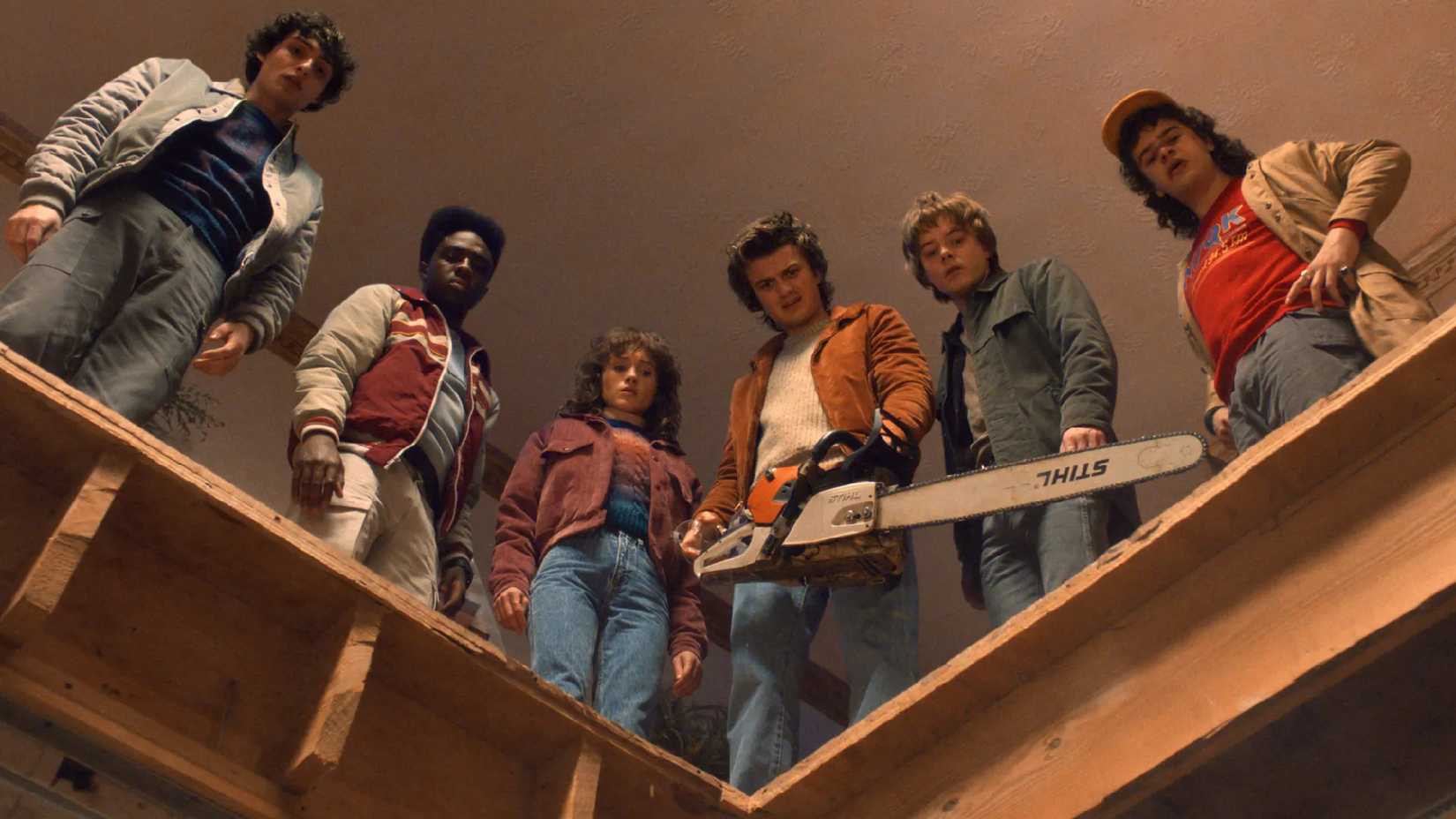
Netflix is still the best example of how ‘binge-watching’ became popular – they were really the first to do it this way. For a long time, they released entire seasons of shows all at once, encouraging viewers to watch them all quickly. However, even Netflix is now starting to change this approach.
I’ve noticed something really smart that shows like Stranger Things and Bridgerton are doing, and I’m loving it. Instead of releasing a whole season at once, they’re breaking it up into parts. It means we don’t have to wait too long for new episodes – we still get that satisfying binge – but it also keeps everyone talking about the show for much longer. It’s a perfect balance, really, giving us what we want now while building excitement over time. It’s clever how they maintain that buzz!
Prime Video is increasingly using a flexible release strategy for its TV shows. They often release an entire first season at once to generate buzz, then switch to releasing episodes weekly for subsequent seasons. This method has worked very well for shows like The Boys, Reacher, and The Summer I Turned Pretty, successfully turning initial interest into sustained viewership.
Many popular streaming services use a combination approach called the ‘mini-binge premiere.’ Services like Apple TV+, Disney+, Max, and Peacock often release a few episodes—usually between two and four—right away to grab viewers’ attention. Then, they switch to releasing new episodes weekly. This initial batch gives people a quick start and keeps them watching, while the regular weekly releases maintain buzz and encourage continued interaction with the show.
With the rise of services offering both traditional TV and streaming, the way shows are released is changing. It’s no longer just about releasing all episodes at once or one episode per week. Studios are now carefully planning release schedules to attract viewers, keep them watching, and make sure their shows stay popular for as long as possible.
The series All Her Fault is proving to be a fascinating example of how shows perform today. It quickly became one of Peacock’s most-watched series when released all at once, and even sparked demand for a second season. Now, with episodes released weekly on Sky and NOW, everyone’s hoping to see if that popularity continues to build each week.
Read More
- Доллар обгонит бразильский реал? Эксперты раскрыли неожиданный сценарий
- Евро обгонит тайский бат? Эксперты раскрыли неожиданный сценарий
- IT: Welcome To Derry Co-Creator Says Stephen King ‘Was Mystified’ By The Show’s Three-Season Plan, But There’s A ‘Specific Reason’ For The Approach
- 7 Comfort TV Shows That Rival Gilmore Girls
- Eleven’s Kryptonite In Stranger Things Explained
- Shrek 5’s Marcello Hernández Shared Some Wild Photos And Video After Being Cast, And Stars And Fans Are Loving It
- What George Lucas Really Thinks Of The Mandalorian
- New Black Panther MCU Actor Recasting Gets Exciting Update
- Star Trek’s Most Groundbreaking Character Is the 1 Fans Have Forgotten
- ‘Blades of the Guardians’ Rotten Tomatoes Score Revealed
2025-12-14 19:11