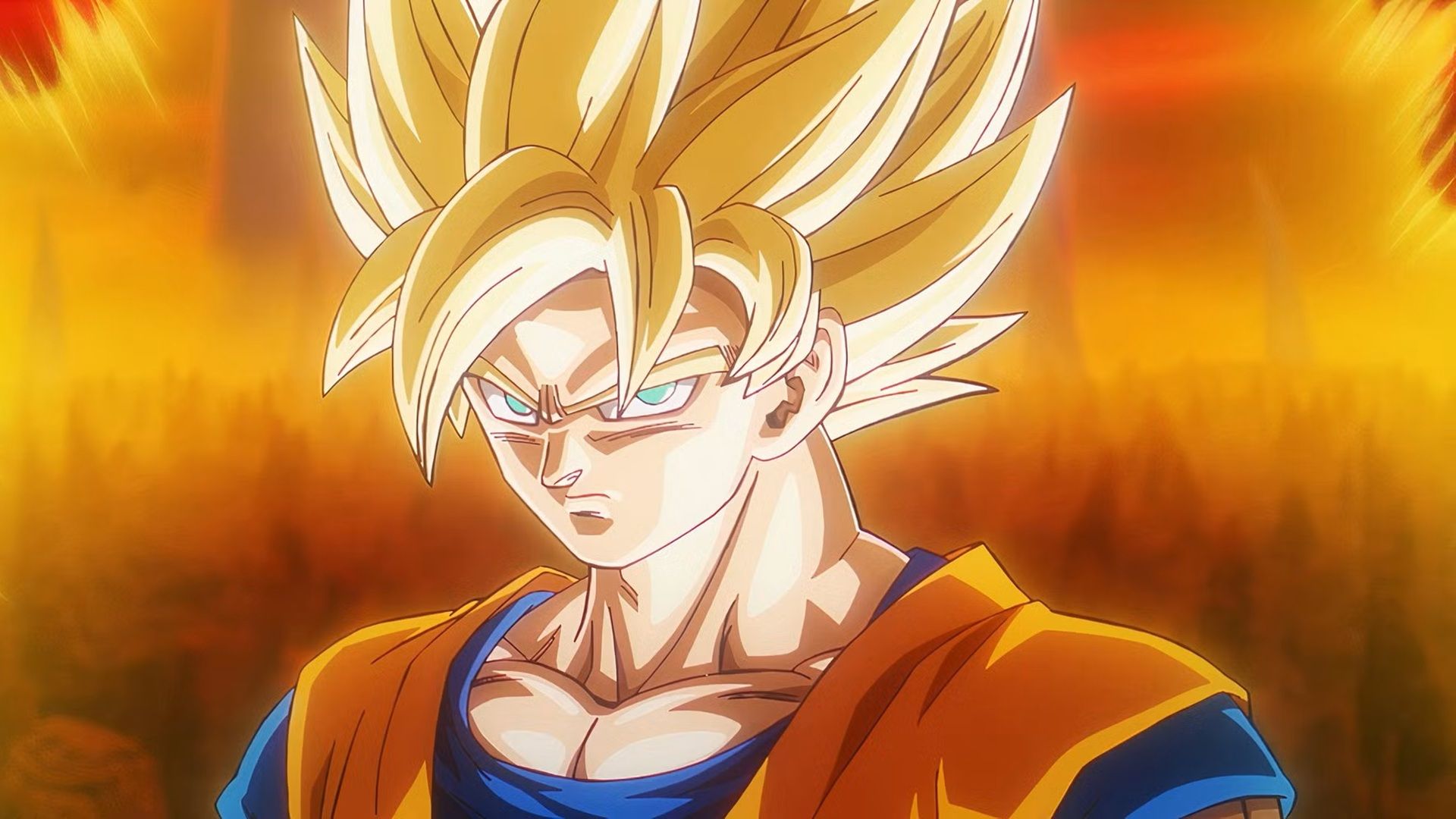
Akira Toriyama’s Dragon Ball is a hugely influential series that’s been popular for over forty years. It’s amazing to see how the franchise has evolved and stayed relevant, with new stories continuing to be released in manga, anime, and video games, proving the strength of its storytelling.
The popular series Dragon Ball has been re-released in various ways over the years. Fans are now excited for Dragon Ball Super: Beerus, a newly edited version of the Beerus Saga. With a full remaster of Dragon Ball Super coming soon, it’s a good moment to look back at all the different adaptations of Dragon Ball and see how they stack up against each other.
Dragon Ball Evolution Is Among The Worst Live-Action Anime Adaptations
Recent attempts to turn anime into live-action films have had mixed results, but Dragon Ball Evolution is widely considered one of the worst. While it carries the Dragon Ball name, the movie drastically changes the source material, losing everything that makes the series special. Instead of faithfully adapting the story, it reimagines Goku as an 18-year-old high schooler fighting King Piccolo, resulting in a generic martial arts film with forced supernatural elements.
Oh man, Dragon Ball Evolution… let’s just say it really missed the mark when it came to capturing the spirit of the original Dragon Ball! But honestly, while it was a pretty rough movie, it actually ended up being a wake-up call. It was so bad that it pushed the creators to get much more involved with Battle of Gods and, thankfully, led to the awesome Dragon Ball Super we all love! It’s weird to think something so disappointing could ultimately be a good thing, but that’s what happened.
Dragon Ball Z’s Early Ocean Dub Gets Too Liberal With Its Edits
For many North American fans, their first experience with the Dragon Ball series was through the original English dub of Dragon Ball Z, produced by Ocean Group. This dub featured memorable voice acting that influenced Funimation’s later work. However, those early episodes were heavily edited, contained a lot of censorship, and had inaccurate translations that altered key parts of the story.
This version of Dragon Ball Z cuts the first 67 episodes down to just 53. While it was an early effort to introduce the series to a wider audience, it felt rushed and wasn’t the best representation. Fortunately, Funimation later completely re-dubbed these episodes, offering a much-improved experience.
Dragon Ball: Mystical Adventure Creatively Reinterprets Goku’s Mercenary Tao Trauma
Many movies retell and reimagine events from the original series. While Curse of the Blood Rubies and Sleeping Princess in Devil’s Castle add enough new material to feel like fresh stories, Dragon Ball: Mystical Adventure relies solely on existing characters and doesn’t introduce anyone new.
This movie mainly retells the Red Ribbon Army and 22nd World Tournament arcs from Dragon Ball. It has a lot of great moments, including a fun appearance by Arale from Dr. Slump, and gives Mercenary Tao a strong role as the main villain. The biggest drawback is its short runtime—only 48 minutes—which prevents it from fully developing the story.
Dragon Ball: The Path To Power Is A Passionate Anniversary Celebration Of The Original Anime
Released in 1996 to celebrate the tenth anniversary of the Dragon Ball anime, Dragon Ball: The Path to Power retells the story of Goku and Bulma’s first meeting and their adventures leading up to the Red Ribbon Army Saga, including Android 8’s sacrifice. While some fans may not have expected a return to the original Dragon Ball storyline at the time, the film is now considered a beautiful and affectionate homage to the franchise, boasting stunning animation.
Dragon Ball: The Path to Power is special because it was the last Dragon Ball movie made using traditional hand-drawn animation, and many fans now appreciate how good it looks. The film successfully squeezes several stories from the original series into a fast-paced 80-minute movie, while still capturing the franchise’s signature energy, humor, and exciting action.
Dragon Ball Z: Kakarot Has Become The Definitive Open-World Gaming Experience
Dragon Ball is famous as both a manga and anime, and it’s also significantly influenced the world of video games. Since the anime first came out, hundreds of Dragon Ball games have been created, spanning many different styles, like role-playing games, fighting games, and action-adventure titles.
Dragon Ball Z: Kakarot promised a huge, open-world game covering the entire Dragon Ball Z story, plus new characters designed by Akira Toriyama. The game delivered on that promise, not only retelling the Z saga but also including storylines from Dragon Ball Super, the 23rd World Tournament from the original Dragon Ball, and more. While not without flaws, Dragon Ball Z: Kakarot successfully captures the spirit of the Dragon Ball universe and packs in a remarkable amount of content.
Dragon Ball’s Game Boy Advance Legacy Of Goku Trilogy Remains A Retro Classic
The Dragon Ball Z games – Legacy of Goku, Legacy of Goku II, and Buu’s Fury – originally released for the Game Boy Advance over 20 years ago and are still highly praised. Together, these three games retell the entire Dragon Ball Z anime story and include extra fights against well-known villains from the movies, such as Cooler, Broly, and Janemba.
These games are made with a lot of care and bring back the feel of classic RPGs, especially the old Dragon Ball adventures. While The Legacy of Goku games are on older systems, their retro graphics and gameplay don’t hold them back – many fans actually enjoy them more than newer Dragon Ball games.
Dragon Ball Super’s Anime Verges From Its Corresponding Manga
The relationship between the Dragon Ball Super manga and anime is quite unusual, with more differences than were seen in the anime adaptations of Dragon Ball and Dragon Ball Z. While the Dragon Ball Super anime covers the same stories as the manga, it generally does so in a way that feels less streamlined.
The early episodes of Dragon Ball Super had noticeable animation problems, resulting in some awkward-looking scenes. The anime also felt rushed at times, a problem less common in the manga version. A key difference between the anime and manga is how the Tournament of Power plays out – specifically, who gets eliminated and how the Ultra Instinct transformation is handled.
Dragon Ball Z Kai Eliminates Filler & Condenses The Anime To Better Match The Manga
By 2009, the original Dragon Ball series had ended over ten years prior. To commemorate the 20th anniversary of Dragon Ball Z, Dragon Ball Z Kai was released. This new version was remastered and streamlined, removing unnecessary scenes to more closely follow the story in Akira Toriyama’s original manga.
Dragon Ball Z Kai condenses the original Dragon Ball Z, which had 291 episodes, into a shorter, 167-episode series. However, many fans actually prefer the original, feeling that the streamlined version doesn’t capture the same spirit. While the original series included filler episodes that some considered unnecessary, those moments also contributed to the show’s unique personality and created some of its most iconic scenes – elements that are largely missing in Dragon Ball Z Kai.
Dragon Ball’s Original Manga Is The Backbone For The Entire Franchise
With so many ways to enjoy the story of Dragon Ball, the original manga by Akira Toriyama is always a great place to start. Originally, Dragon Ball wasn’t split into Dragon Ball and Dragon Ball Z; it was published as a single 519-chapter story. Toriyama worked on this epic tale for eleven years.
The original Dragon Ball manga is considered the definitive version of the story and the core source for everything related to the series. It remains incredibly popular and has deeply impacted the world of action-packed manga and anime. Many modern series still borrow ideas from Dragon Ball and its innovative approach to the genre. Akira Toriyama’s art is remarkably dynamic, with some illustrations appearing almost animated.
Dragon Ball & Dragon Ball Z’s Anime Adaptation Elevates Toriyama’s Source Material
While some Dragon Ball fans might disagree, many consider the anime versions of Dragon Ball and Dragon Ball Z to be better than the original manga. Although the anime isn’t always as good as the manga, it adds a lot more visual and audio elements that really make the story come alive.
The Dragon Ball anime elevates the story beyond the manga, even with its stunning artwork, thanks to its music, voice acting, and smooth animation. While the anime sometimes suffers from unnecessary filler and uneven pacing, these flaws are easily overlooked when the animation is at its best. The anime adaptation has been crucial to Dragon Ball’s success and popularity.
Found an error? Send it so it can be corrected.
2026-03-14 21:40