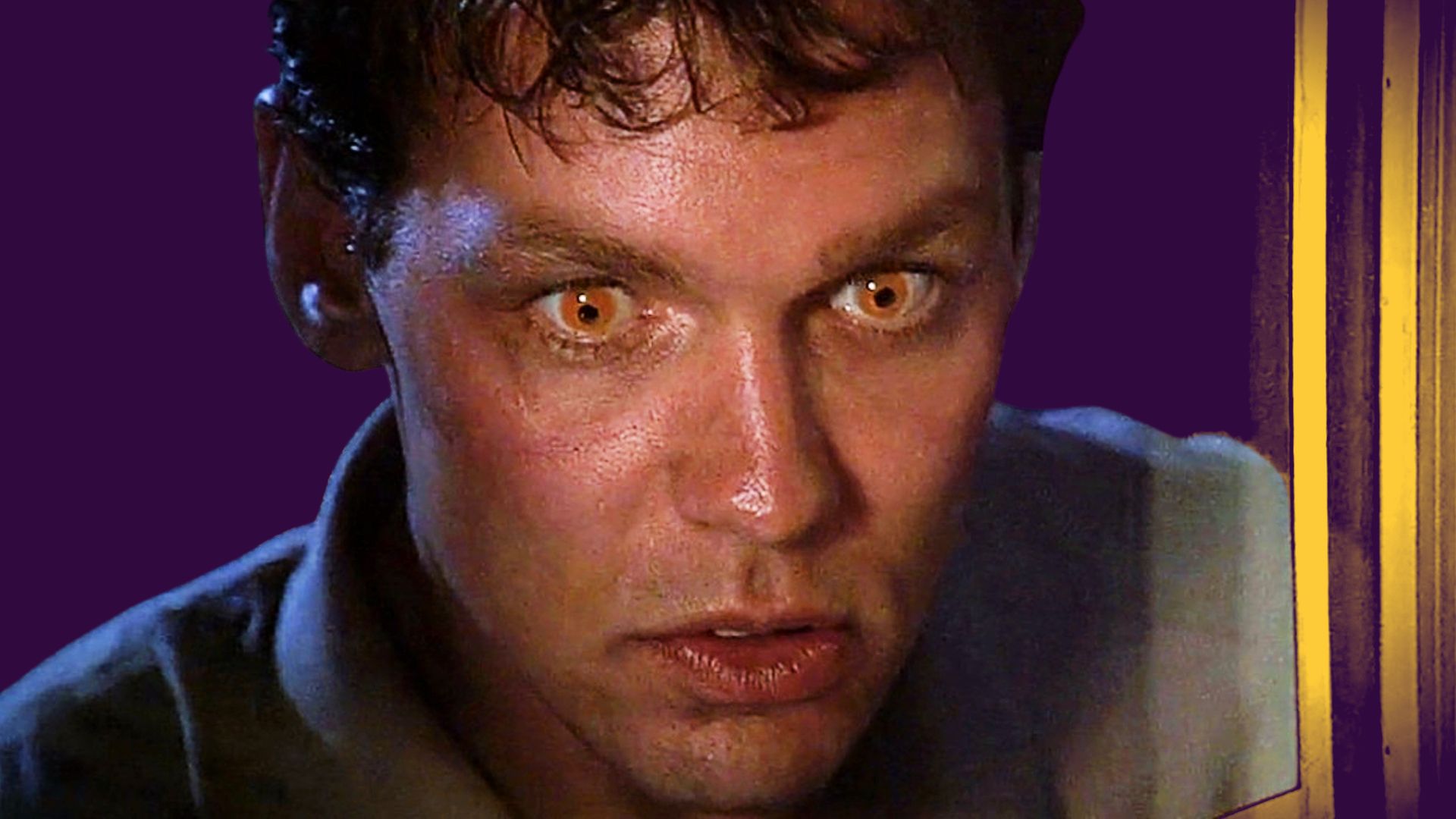
Science fiction on television is thriving like never before. Shows such as Andor and Stranger Things demonstrate that sci-fi isn’t just for a small group of fans—it’s hugely popular and profitable. However, the most important sci-fi series of the last four decades is one that wouldn’t work in today’s streaming landscape.
The X-Files Still Ranks Among The Best Sci-Fi Shows Ever
Premiering in 1993, The X-Files was nothing short of generation-defining.
The X-Files follows FBI agents Fox Mulder and Dana Scully as they investigate strange and unexplained events across America. While the basic idea is straightforward, the show cleverly expands on it, delving into unusual crimes connected to conspiracy theories, traditional American stories, and original monsters created for the series.
The show’s mythology has been central to its popularity from the very beginning. In addition to the mysteries solved each week, an overarching alien-focused storyline kept audiences hooked and coming back for more.
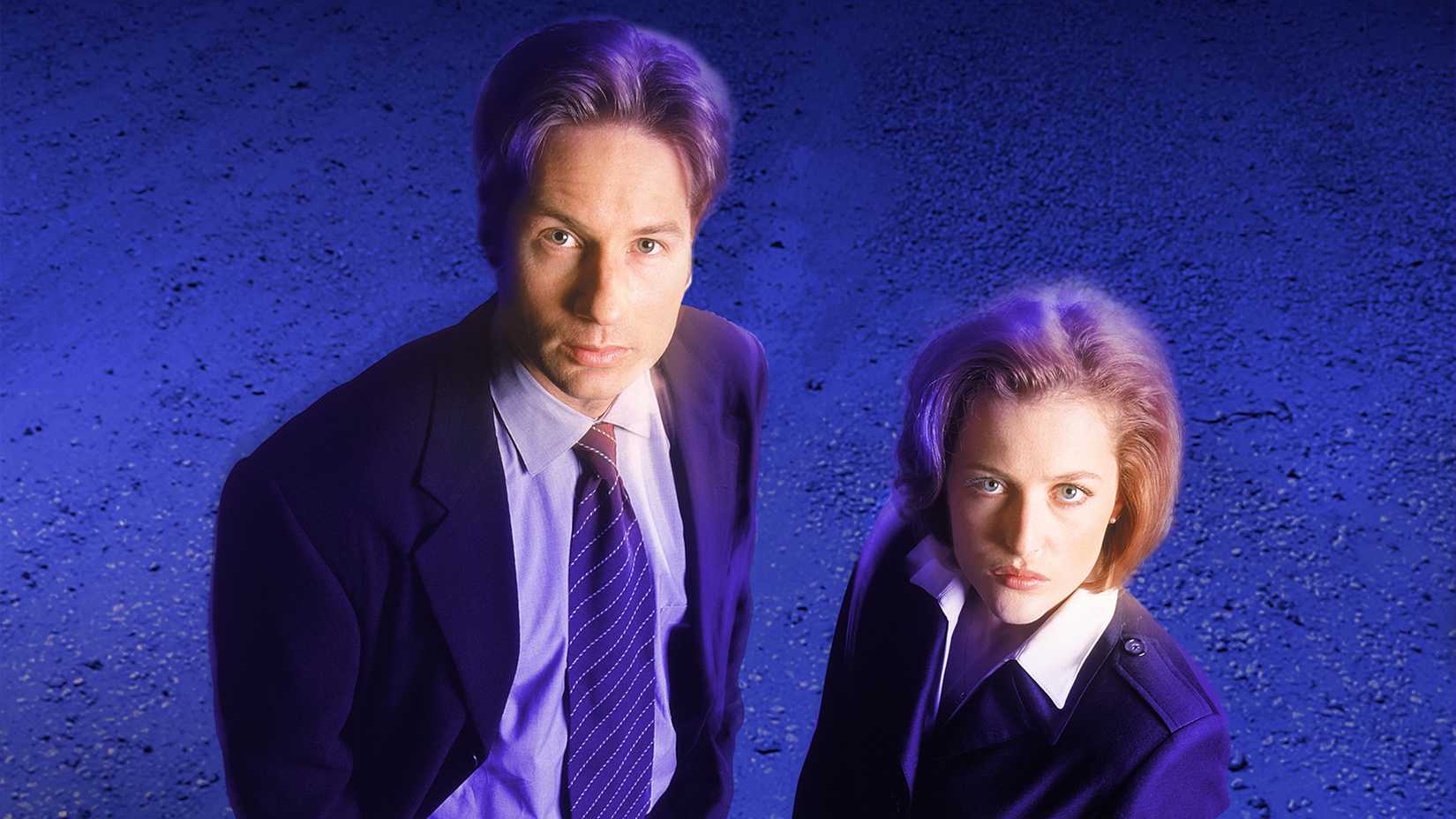
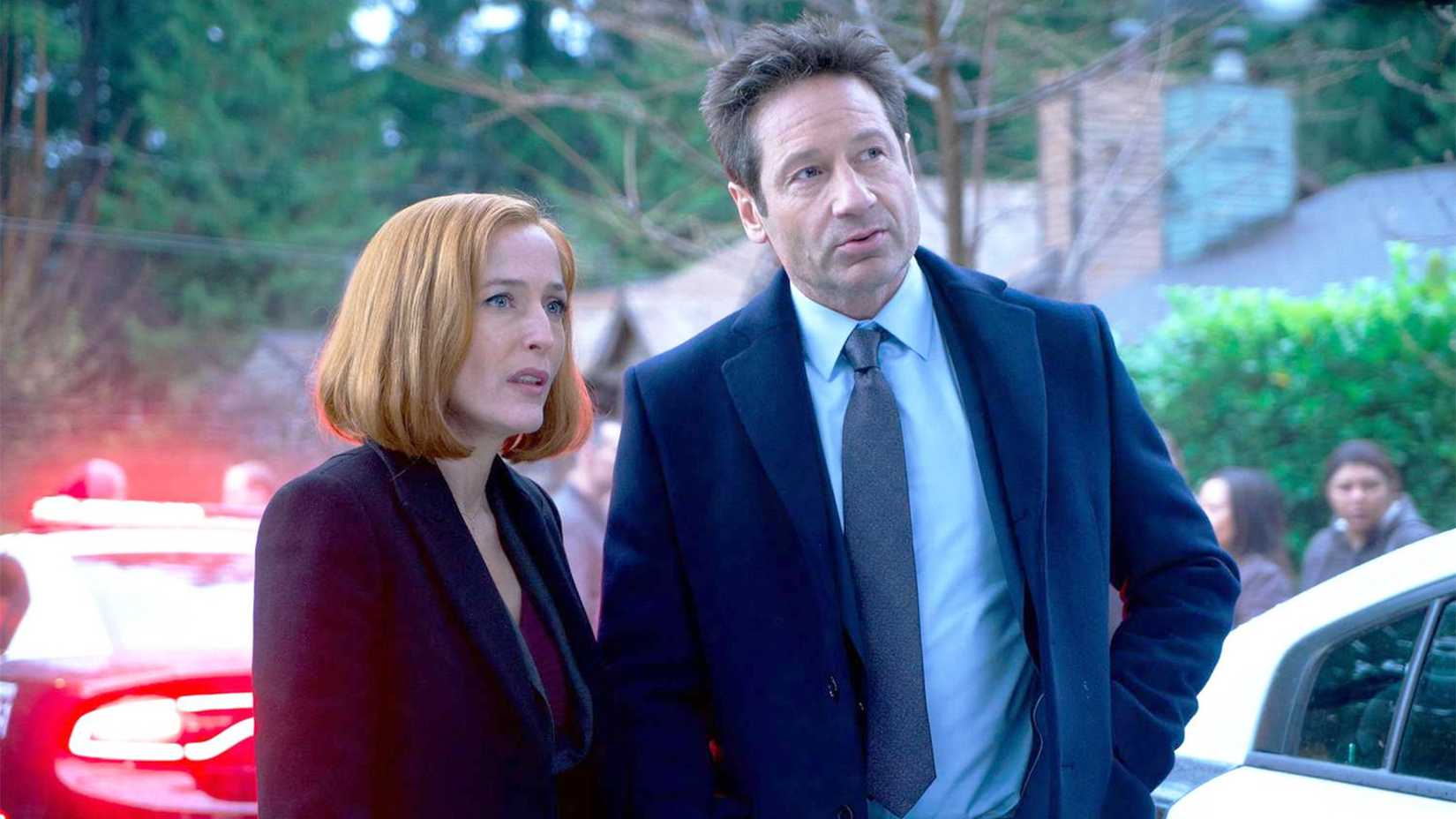
What truly made The X-Files a hit was its main duo, Mulder and Scully. They were both complex, realistic characters, and David Duchovny and Gillian Anderson brought them to life with fantastic performances. Their incredible chemistry made the show engaging, even when the storylines weren’t the most exciting.
Even today, The X-Files holds up remarkably well. What’s especially impressive, even after thirty years, are the show’s complex and positive portrayals of women. These factors all contributed to making The X-Files a truly groundbreaking science fiction series.
The X-Files Remains Incredibly Influential, Even After 30+ Years
It’s hard to emphasize just how much of an influence The X-Files had on television. Many shows, such as Supernatural, Fringe, and Buffy the Vampire Slayer, clearly borrowed ideas from it. But you can also see its impact in all sorts of other programs.
The show’s complex storylines and many unanswered questions paved the way for popular series like Lost, Stranger Things, and Westworld. While not the very first, The X-Files was one of the earliest and most influential shows to use ongoing mysteries and a larger, developing story world – elements that are now hugely popular on television.
As a huge TV fan, it’s honestly hard for me to picture where we’d be with modern television if it weren’t for The X-Files. That show really changed things, and its impact is still felt today.
It’s disappointing that current television doesn’t seem capable of creating a show like The X-Files. While some might see this as a negative viewpoint, the evidence is clear: when streaming services attempted a revival, it simply didn’t capture the same magic.
The X-Files’ Modern Reboot Just Couldn’t Compete In the Streaming Era

Even though there’s a lot of love for the 1990s right now, the recent attempts to bring back The X-Files in 2016 and 2018 weren’t successful with either critics or audiences.
The tenth season of The X-Files didn’t quite recapture the excitement and originality of its best years. Although David Duchovny and Gillian Anderson still had great chemistry, which made the show watchable, it couldn’t overcome the poorly written episodes and the sense that the revival felt more like a duty than a creative endeavor.
Not helping matters was one of The X-Files’ weakest season finales in My Struggle II.
As a huge X-Files fan, I was glad season 11 was a bit of an improvement, but even the creator wasn’t happy with how it ended – it just felt…flat. It really got me thinking: why doesn’t The X-Files work as well now? I think it’s because the show’s magic came from a specific formula that just can’t be recreated today. What worked so brilliantly in the 90s? It’s just impossible to do that same thing in 2026.
The X-Files’ Structure Is Just Incompatible With the Streaming Era
Television in 2026 looks very different compared to how it was in 1993. Back in the early 90s, shows often aired for about half the year, then paused and came back with more episodes later in the same year.
The first season of The X-Files premiered in September 1993 with 24 episodes and concluded in May 1994. The second season, with 25 episodes, followed the same September to May schedule in 1994-1995. This pattern of a fall premiere and spring finale continued throughout the show’s nine seasons, ending in 2002.
| Season | Episode Count | Premiere First Aired | Finale First Aired |
| 1 | 24 | September 10th, 1993 | May 13th, 1994 |
| 2 | 25 | September 16th, 1994 | May 19th, 1995 |
| 3 | 24 | September 22nd, 1995 | May 17th, 1996 |
| 4 | 24 | October 4th, 1996 | May 18th, 1997 |
| 5 | 20 | November 2nd, 1997 | May 17th, 1998 |
| 6 | 22 | November 8th, 1998 | May 16th, 1999 |
| 7 | 22 | November 7th 1999 | May 21st, 2000 |
| 8 | 21 | November 11th, 2001 | May 20th, 2001 |
| 9 | 20 | November 11th, 2001 | May 19th, 2002 |
| 10 | 6 | January 24th, 2016 | February 22nd, 2016 |
| 11 | 10 | January 3rd, 2018 | March 21st, 2018 |
Let’s look at the recent revival of The X-Files. Season 10, which aired from January to February 2016, had just six episodes. After a year off in 2017, the show came back for a tenth season with ten more episodes.
This isn’t unusual for today’s TV shows. Stranger Things, one of the most popular shows in recent years, took nine years to complete, but only delivered 42 episodes over five seasons. Although the show’s creators justified the gaps between seasons, it meant the young actors aged during production, and the show’s story ultimately felt rushed.
Today’s shows often end on suspenseful cliffhangers and rely on continuous storylines, which means fans can be left waiting for years to find out what happens next in their favorite series.
One of the things that made shows like The X-Files so enjoyable was their willingness to take risks and try out unusual ideas. Some of the very best episodes weren’t connected to the main storyline, and the show could afford to do that because it had so many episodes each season.
Although The X-Files had its share of weak episodes, the show produced so many that it allowed viewers to really get to know the world and characters. Even the standalone episodes often included details about Mulder and Scully’s backgrounds, making them feel like fully developed, believable people.
It looks like we’ve reached the end of an era for TV shows like The X-Files. While today’s television offers many benefits and some fantastic programs, it’s disappointing that long, self-contained series like The X-Files aren’t as common anymore.
2026-02-18 22:52