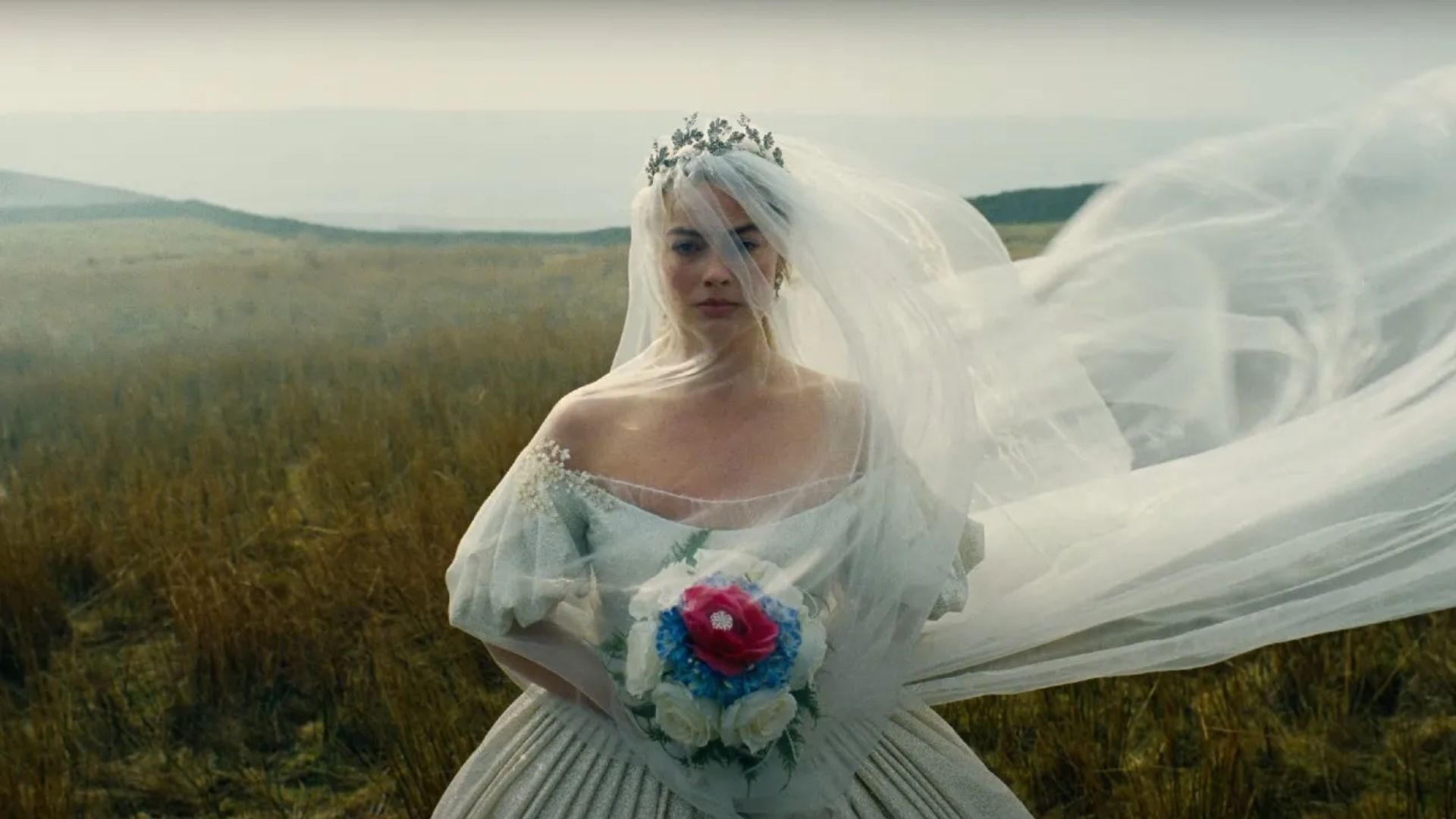
Be warned, spoilers follow for Emerald Fennell’s 2026 film adaptation of “Wuthering Heights.” Compared to previous movie versions of Emily Brontë’s classic, Fennell’s take is radically different. The director of “Saltburn” titles her contemporary adaptation with quotation marks – “Wuthering Heights,” not Wuthering Heights – and that seemingly small detail is surprisingly important. Fennell has created something entirely new, offering a fresh and surprising interpretation of a story many believe they already understand. The phrase “think we know” is key here, but that’s a testament to Fennell’s bold vision, not a flaw in the film.
William Wyler’s 1939 film adaptation of Wuthering Heights is a classic, but it significantly changed the original story. In fact, the movie cut out about a third of the book, leading many viewers to think the central focus is solely on the tragic romance between Heathcliff and Cathy. This leaves out important parts of Brontë’s broader narrative.
Look, as a huge movie fan, I’ve seen a lot of takes on “Wuthering Heights.” Over the years, filmmakers haven’t been shy about changing things. They’ve mashed characters together, dropped others completely, and really reimagined the ones that stayed. You end up with this sprawling “Brontë universe” where Catherines are often renamed Cathy and made either more self-centered, distant, or just plain sad. Heathcliffs? They run the gamut from sympathetic to total villains, and it just keeps going and going. But in this version, with Margot Robbie and Jacob Elordi, Cathy and Heathcliff are wild. They’re raw, almost animalistic—it’s their most extreme portrayal yet.
‘Wuthering Heights’ Final Flashback & Cathy’s Smile, Explained
Warner Bros. Pictures
Given how different Emerald Fennell’s version of Wuthering Heights is from previous adaptations, it’s impressive that she still manages to surprise us with a twist. Unlike earlier versions that showed Cathy as a ghost haunting Heathcliff, and then both of them dying, Fennell’s film takes a different approach. Instead, the ending circles back to the couple’s childhood, revealing how their story truly began. To make sense of how it ends, you need to understand where it all started.
The beginning of Wuthering Heights focuses on the relationship between Cathy and Heathcliff and how they’re raised in a strange environment. Instead of being rewarded for kindness, they learn that acting badly—grabbing, hitting, and generally causing trouble—is how to get attention and approval.
A particularly striking scene unfolds when Cathy and Heathcliff return home late for Mr. Earnshaw’s birthday dinner, having been caught in a storm. Mr. Earnshaw explodes in fury at his daughter, but Heathcliff immediately takes responsibility for their tardiness. This only intensifies Mr. Earnshaw’s rage, and he ironically declares himself “the kindest man alive” – a reference to having taken Heathcliff in – before brutally beating the boy. This act leaves lasting physical and emotional scars on young Heathcliff, and demonstrates to everyone present the intertwined nature of love and suffering.
While this moment isn’t central to the overall story, the narrative repeatedly returns to it. For Cathy, the story unfolds as a gradual self-destruction, marked by fleeting encounters and constant avoidance of reality, ultimately leading to death. Eventually, the story circles back to the past, placing us with Heathcliff on the night of Mr. Earnshaw’s birthday.
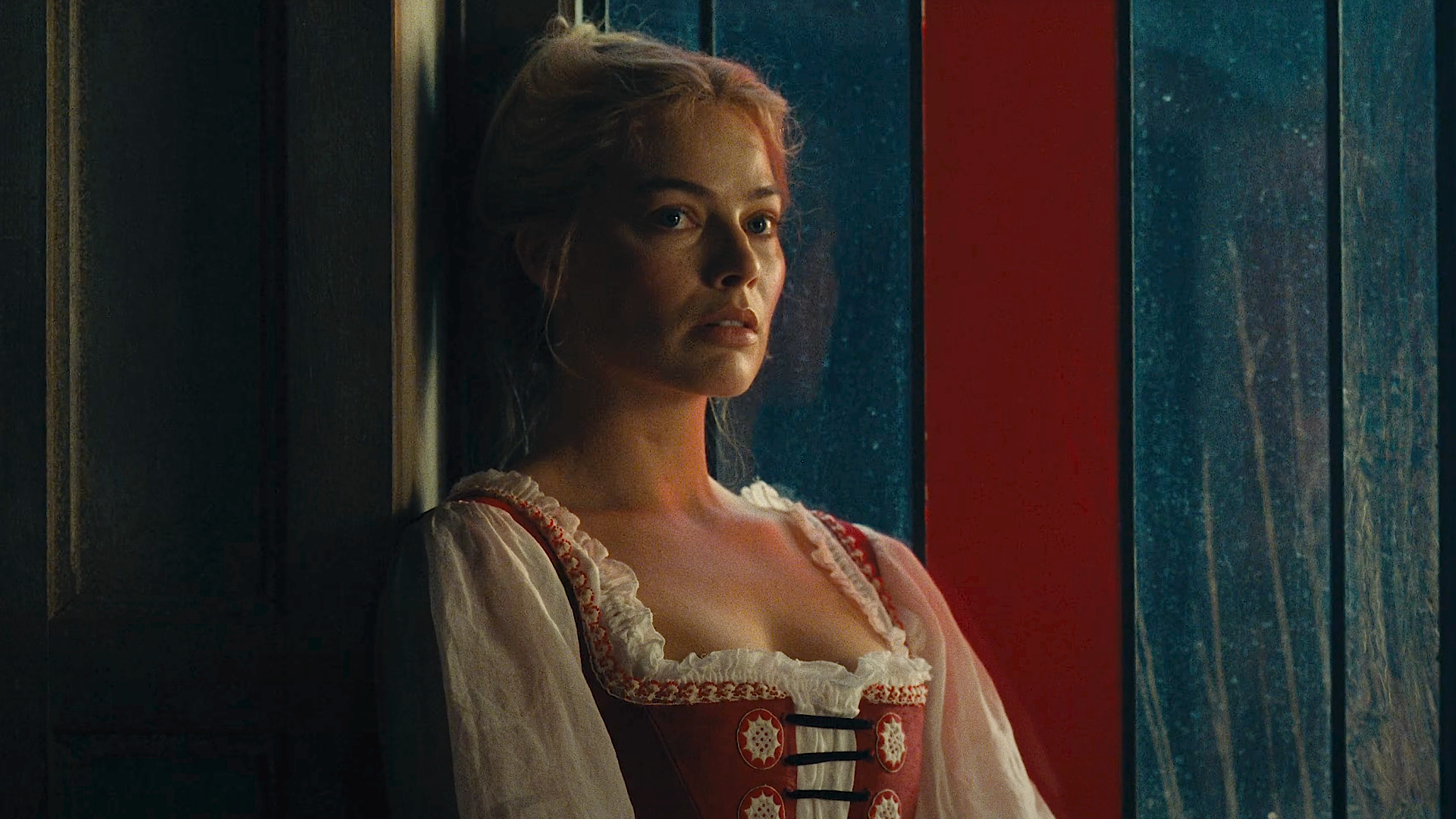
Badly hurt and still bleeding, he carefully climbs into bed with Cathy, the girl who treats him like a beloved pet. They seem to fall asleep peacefully, and a broken Heathcliff quietly tells a seemingly sleeping Cathy that he loves her and will always be devoted to her. But as Heathcliff drifts off, we see Cathy smile, a fleeting expression before the scene fades to black. She was listening all along.
What’s the meaning behind young Catherine’s smile? Does it hint at a secret understanding, or is it meant to completely challenge the idea of romance? Perhaps everything we’ve seen – every decision and moment – was just a power play, a story of control and fixation. But knowing the director, Fennell, the answer is probably more complex than that.
Love Is Nasty, Brutish, and Short in ‘Wuthering Heights’
Warner Bros.
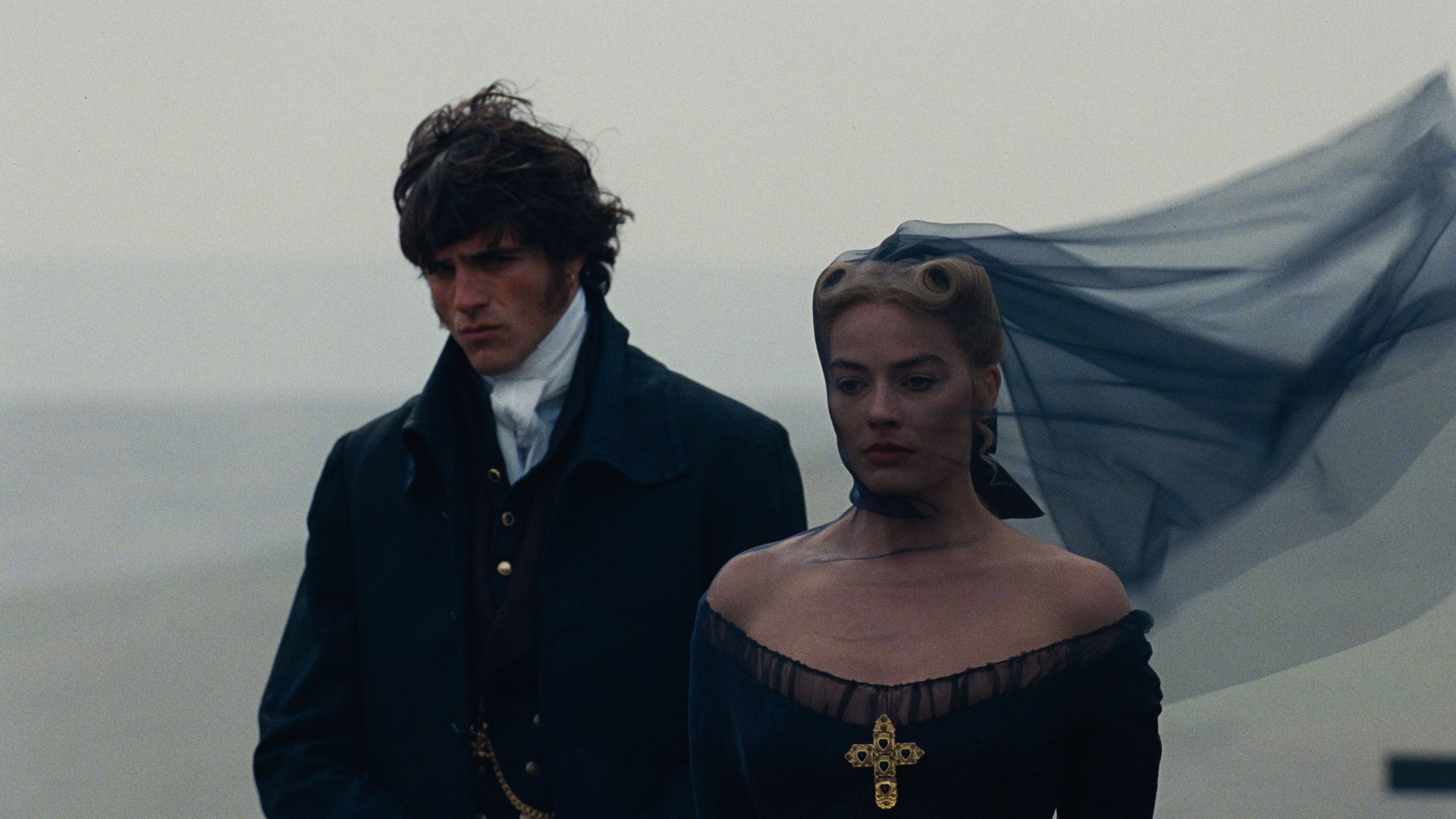
Even if we assume Cathy was aware of Heathcliff’s intense feelings and devotion, can a story truly be about love when physical desire is so dominant? The novel often presents a harsh landscape, replacing the traditional romantic image of misty moors with dry, barren land and a fog that feels more like smoke from hell. Cathy’s initial experience with sexuality is through witnessing a disturbing scene: she sees servants engaged in a BDSM act with bondage equipment.
Borrowing from Thomas Hobbes, Emily Fennell’s take on Wuthering Heights suggests that love – or what people call love – is unpleasant, harsh, and fleeting. While there’s been discussion of Fennell emphasizing the story’s hidden sexual themes, the film essentially presents a cynical view of romance, geared towards flawed and unlikeable characters. Some, like USA Today, have even described it as overly focused on sex.
By the time the film shows Heathcliff and Cathy finally together, it feels almost staged, like a deliberate distancing technique – though not in the way one reviewer suggested. Emerald Fennell’s constant imagery of unpleasantness – grime, sickness, and the threat of violence – numbs the viewer to anything that might be considered traditionally romantic or erotic.
How ‘Wuthering Heights’ 2026’s Ending (and Plot) Differs From Its Source Material
The 2026 adaptation delves deeper into the supporting characters, giving them more complex personalities. Cathy’s husband, Edgar Linton, is portrayed as kinder and less harsh. Mr. Earnshaw is shown as a deeply flawed and troubled man, consumed by his vices. The film also reimagines Cathy’s brother – who dies early on and is chillingly named Heathcliff instead of Hindley – as a key antagonist. Nelly, another ward of the Earnshaws, is a complex figure who both supports and resents Cathy, loving and hating her as her only friend. While Nelly tries to keep Heathcliff and Cathy separated, a move that would make her the villain in most stories, this film presents everyone with shades of gray, making it hard to define a true hero.
MovieWeb Report: Subscribe and never miss what matters
Immerse yourself in the cinematic universe with the latest movie news, reviews, and exclusive content from MovieWeb.
The ending of the Wuthering Heights adaptation really highlights this idea, as it deviates significantly from Brontë’s original vision. The series subverts expectations with a surprising twist: a simple smile completely changes the narrative. Unlike the book, which concludes with Catherine giving birth before she dies and then focuses on their daughter Cathy, the show presents a different outcome with Catherine’s death and a miscarriage.
The Real Meaning of Emerald Fennell’s ‘Wuthering Heights’
Warner Bros.
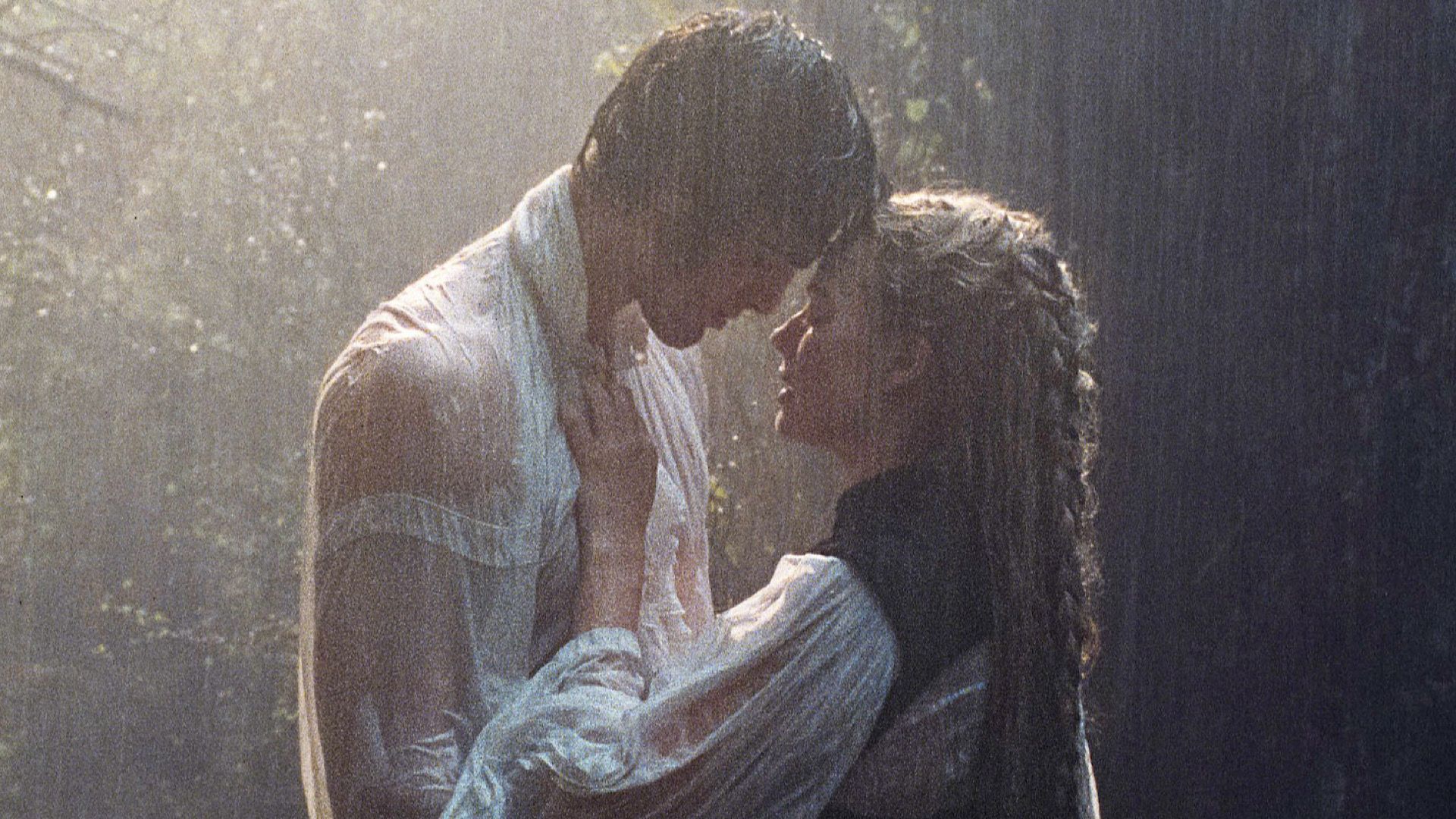
I have to say, with everything going on in the world lately, it didn’t surprise me at all that Emerald Fennell’s take on Wuthering Heights feels…well, pretty harsh. But actually, that seems to be the whole point, according to Fennell herself! She told Entertainment Weekly back in February 2026 that the movie is intentionally circular – it ‘begins where it ends and ends where it begins’ – and that’s completely deliberate.
Love, like the story in this book, is an endless cycle. Even when something heartbreaking happens, it’s not truly an end, but rather a continuation of deep emotions that go beyond the physical world. That felt like the most fitting way to conclude the narrative.
It’s true that strong feelings, even love, can sometimes develop in difficult or harmful situations, even amidst pain and destruction. However, just because you feel something intense doesn’t mean it’s healthy. As seen in novels like Wuthering Heights, abusive or controlling relationships can be mistaken for love, especially if that’s all someone has experienced.
2026-02-14 01:19