
For decades, sitcoms have been a dominant force in television, and some of their characters have truly changed the game. While it’s always been tough to pinpoint exactly what makes a sitcom great, certain shows consistently stand out as the best. Over time, many memorable characters have emerged, shaping the genre and influencing future shows, either through the actors who played them or the types of characters they portrayed.
Viewers never forget the most hilarious sitcom characters – their strange personalities, unusual behavior, and memorable appearances have had a lasting impact. These wonderfully odd and sometimes outrageous characters didn’t just entertain us; they truly changed what sitcoms could be and helped shape the genre into what it is today.
David Brent/Michael Scott
‘The Office’
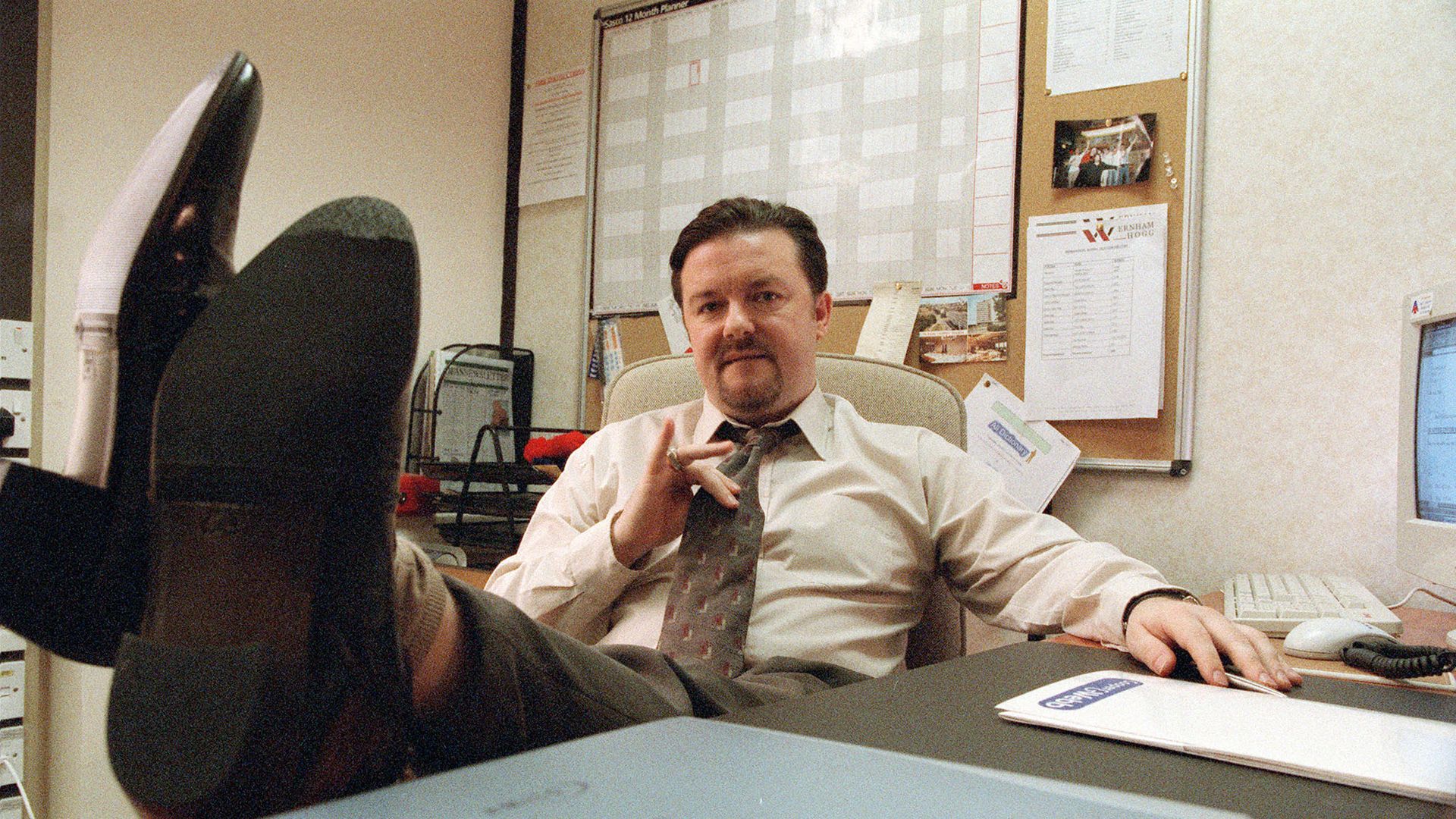

It’s hard to say whether Ricky Gervais’ David Brent from the original British The Office or Michael Scott from the American version had a bigger influence on pop culture. Although David Brent came first, Michael Scott really took the idea of a painfully awkward, clueless boss and ran with it.
The regional managers from both the American and British versions of the show were remarkably over-the-top. David Brent and Michael Scott consistently misread social situations, craved the spotlight, and often made bizarre choices. But they were so exaggerated – doing things no one in real life would ever consider – that they were surprisingly lovable despite themselves.
Leslie Knope
‘Parks and Recreation’
NBC
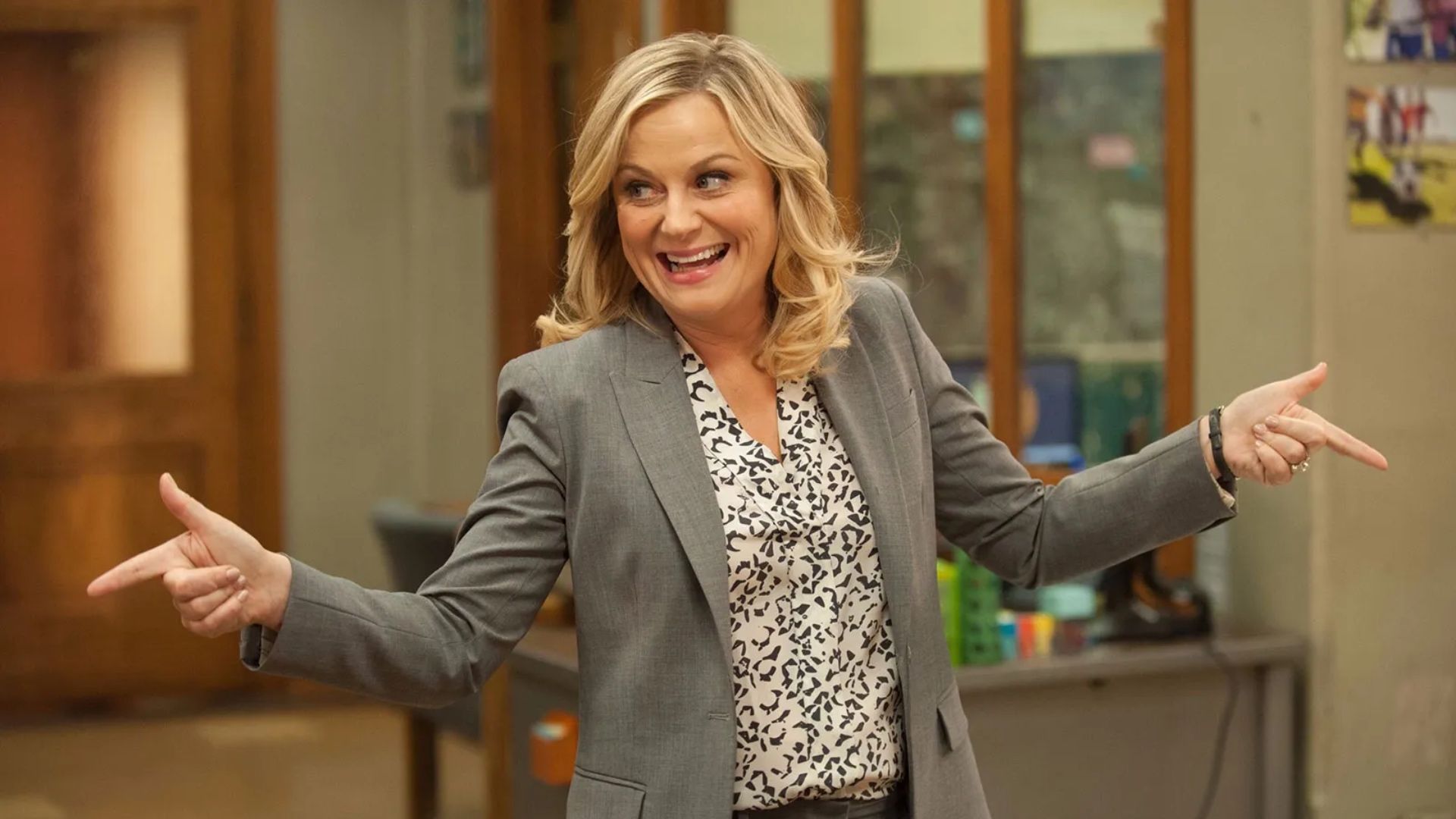
Leslie Knope from Parks and Recreation remains one of the most beloved sitcom characters of all time. She showed that you can be hilarious without resorting to negativity. The show’s passionate and kind-hearted lead was driven and, unlike many ambitious characters in workplace comedies, her imperfections actually made her relatable and endearing.
Throughout the entire run of Parks and Recreation, Leslie Knope underwent impressive growth as a character. Originally, she was intended to be similar to Michael Scott, but the writers wisely allowed her to develop her own distinct personality. Starting in Season 2, Leslie truly became one of a kind, and there hasn’t been another sitcom character quite like her since.
Cosmo Kramer
‘Seinfeld’
NBC
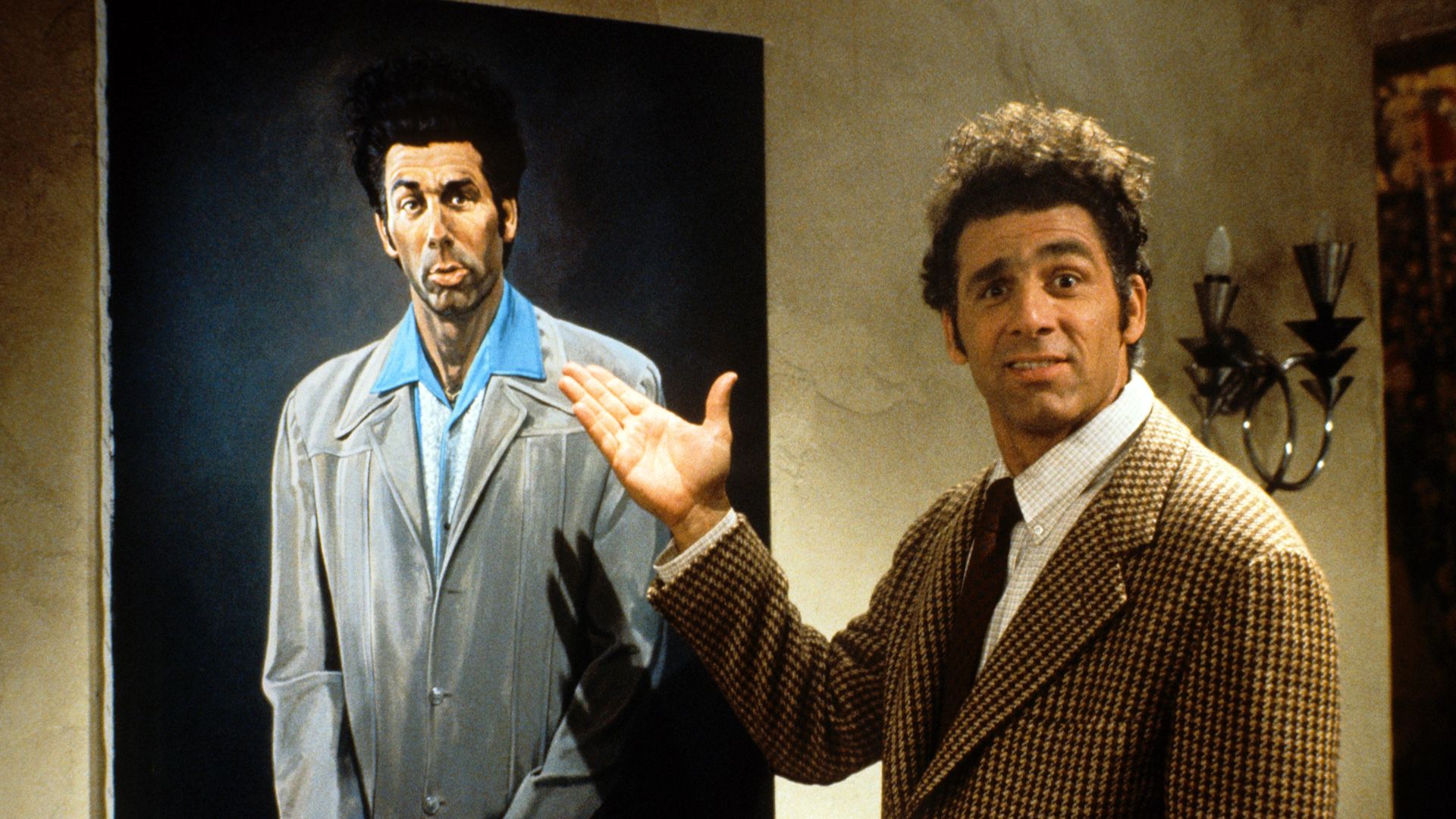
Kramer from Seinfeld was a truly memorable character. He’s often considered one of the most hilariously unpredictable characters in sitcom history, and his bizarre actions throughout the show perfectly demonstrate why. From his wild hair to his eccentric personality and habit of dramatically entering spaces, Kramer quickly became an iconic figure.
Kramer’s wild and funny outbursts were a highlight of the show, even if he sometimes had trouble controlling how loudly he spoke. Between his crazy stories and his unlikely friendship with Newman, it’s clear Kramer made a lasting impact on sitcom history. While all the main characters on Seinfeld are memorable, Kramer’s influence arguably extends beyond the show itself.
Rachel Green
‘Friends’
NBC
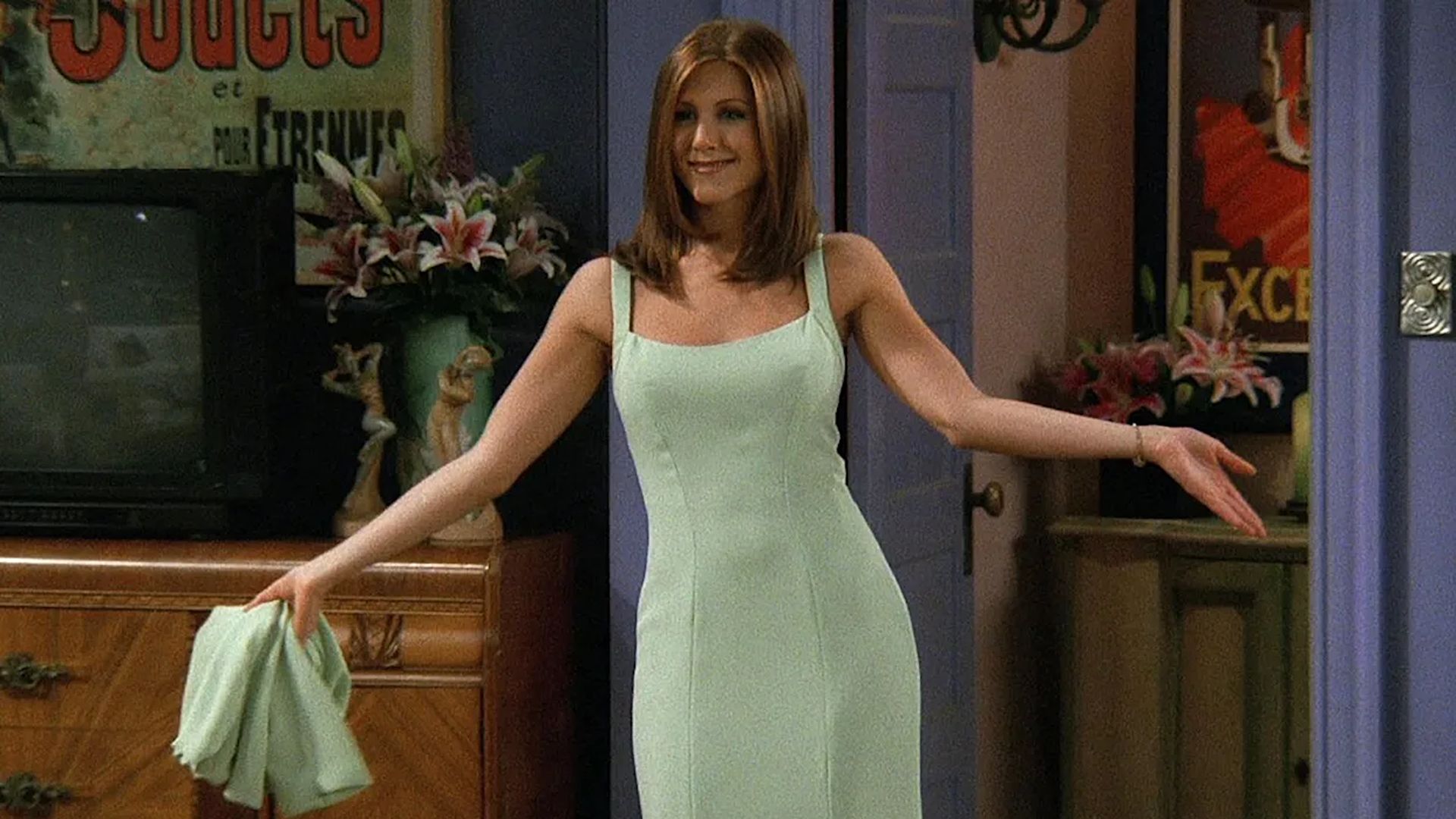
Rachel Green from Friends is a significant figure in sitcom history for a few key reasons. Initially portrayed as a somewhat simple character – a spoiled woman unprepared for adult life – Rachel evolved and remained humorous. Instead of relying on predictable tropes about wealthy, spoiled characters, Friends developed Rachel into a complex and relatable person, giving her depth and making her more than just a stereotype.
Rachel’s biggest influence was definitely on fashion. Even years after Friends ended, people still admire her memorable outfits – some perfectly captured the 90s, while others felt surprisingly modern. Of all the characters on Friends, Rachel consistently stood out for her style, whether she was wearing a pale green dress or a colorful patchwork skirt.
Abed Nadir
‘Community’

NBC
Abed Nadir from the show Community is arguably the most self-aware character in television history. This funny and unusual community college student was both consistently himself and surprisingly unpredictable, leading to many comical moments. He was fascinated by movies and TV, particularly how stories are built and the common patterns they use, but his attempts to connect with people were always a wild card.
The show Community handled the character of Abed in a really interesting way. Though the show never explicitly labeled him as neurodivergent, it included several hints that he was. Instead of making fun of him, Community incorporated his unique perspective and needs into the show in a way that resonated with all viewers, both neurotypical and neurodivergent, and fans are hoping to see that same approach in the upcoming movie.
Lucy Ricardo
‘I Love Lucy’
CBS
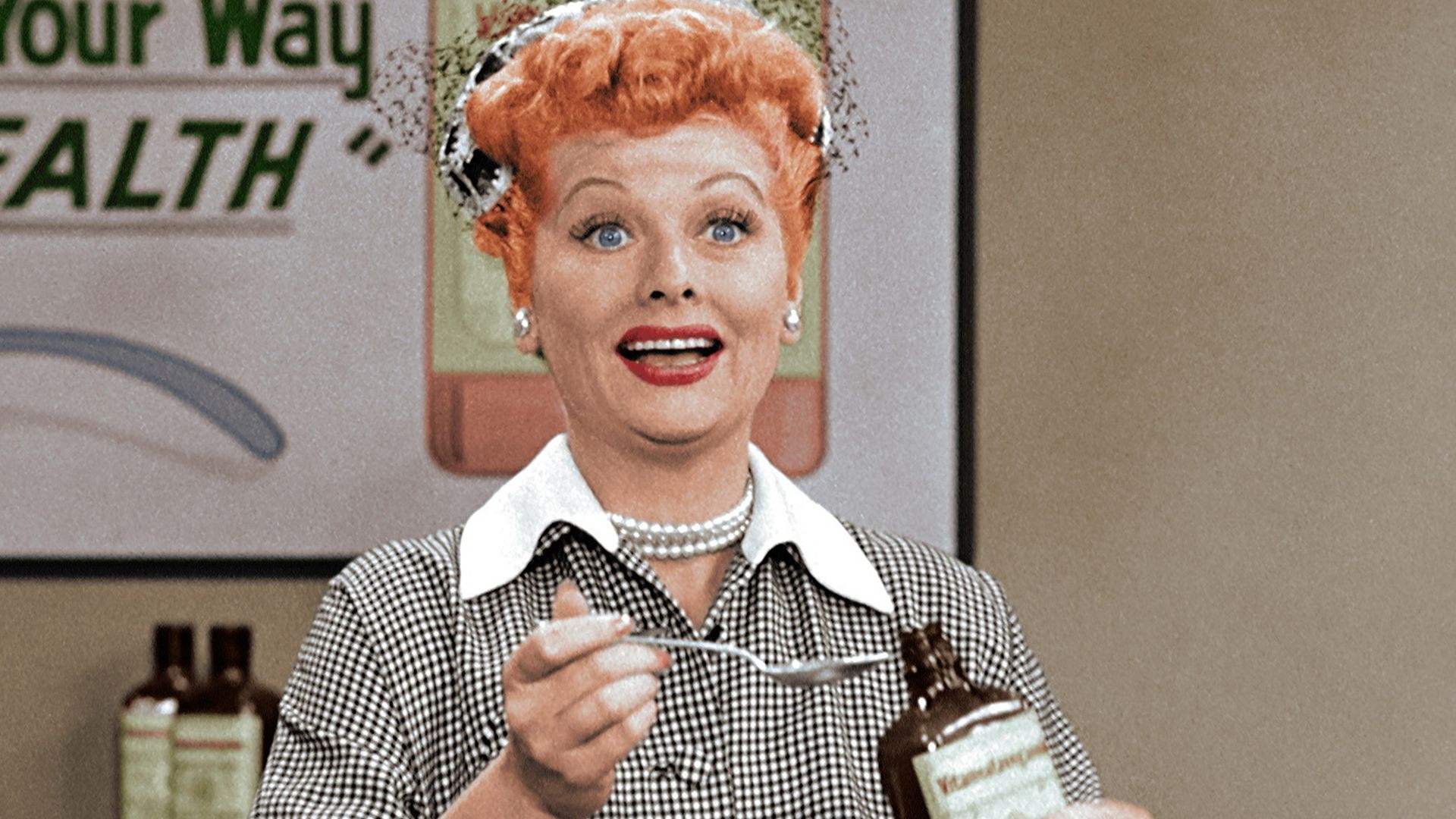
Given how groundbreaking I Love Lucy was, it’s easy to see why Lucille Ball’s character is so memorable. Lucy Ricardo wasn’t the very first woman to star in a sitcom, but she truly stood out. She moved away from the typical ‘housewife’ role and consistently made audiences laugh. Beyond being funny, Lucy Ricardo is remembered as a pioneer who paved the way for other women in comedy.
Lucille Ball’s character, Lucy Ricardo, stood out from other women on television in the 1960s because of her energetic physical comedy. Her close friendship with Ethel on the show also offered a unique and relatable portrayal of female bonds. Even today, Lucy Ricardo remains a beloved and influential comedic icon, and her impact on sitcoms is still felt.
Arthur “Fonzie” Fonzarelli
‘Happy Days’
ABC
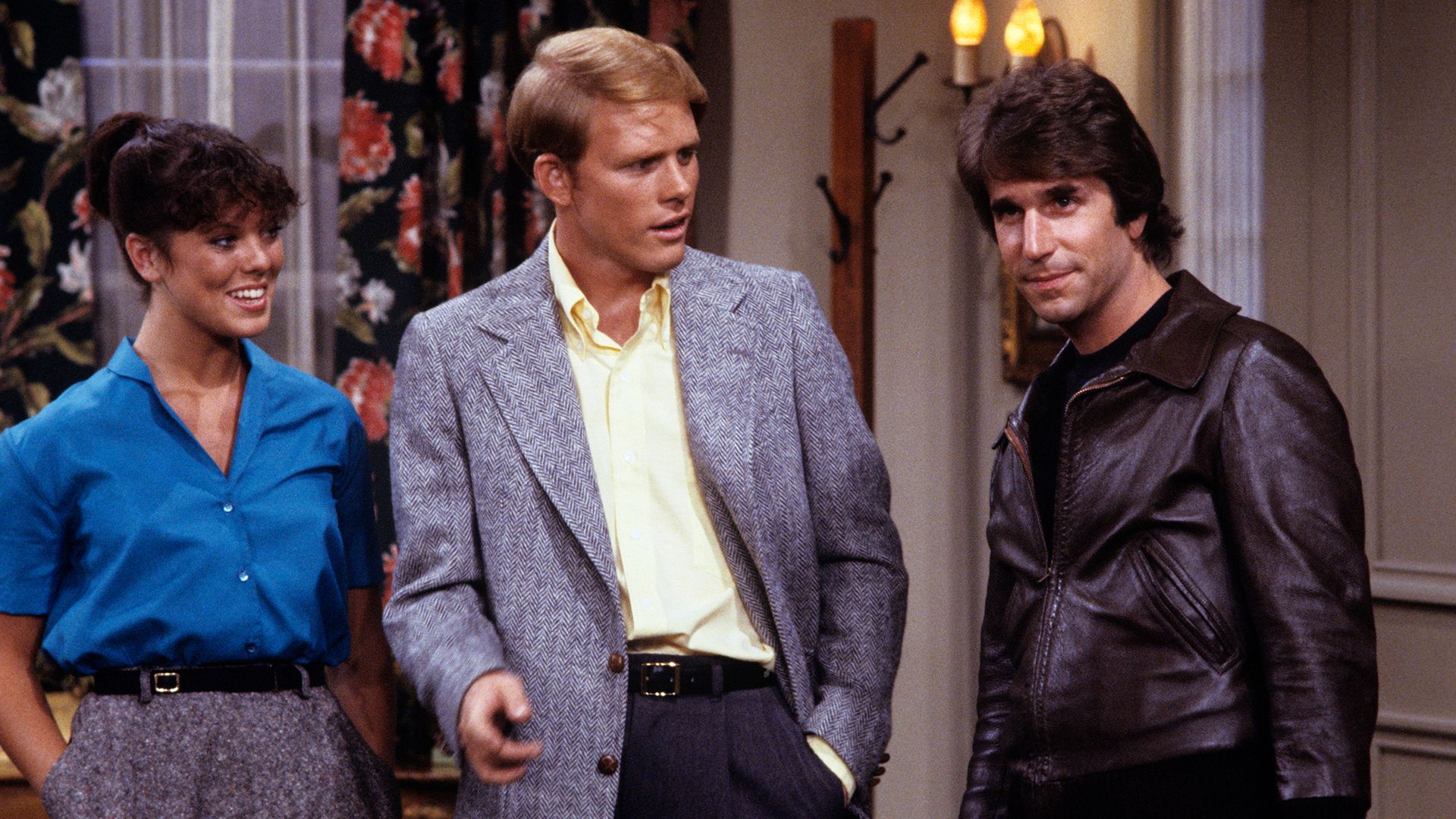
The Fonz was one of a kind, and even today, many people recognize Henry Winkler’s famous character even if they haven’t watched Happy Days. His signature leather jacket and catchphrase, “Ayy!”, were just part of what made him so iconic. With a rebellious spirit and a naturally charming personality, the Fonz simply radiated cool.
Fonzie from Happy Days famously changed television when he did something so outlandish – jet skiing over a shark – that it became a symbol for when a show has run out of good ideas. The phrase “jumping the shark” now describes a desperate attempt to revive interest in a failing TV series with a ridiculous plot point. While other shows have tried similar tactics since then, Fonzie’s stunt remains the most iconic example.
Sheldon Cooper
‘The Big Bang Theory’
CBS
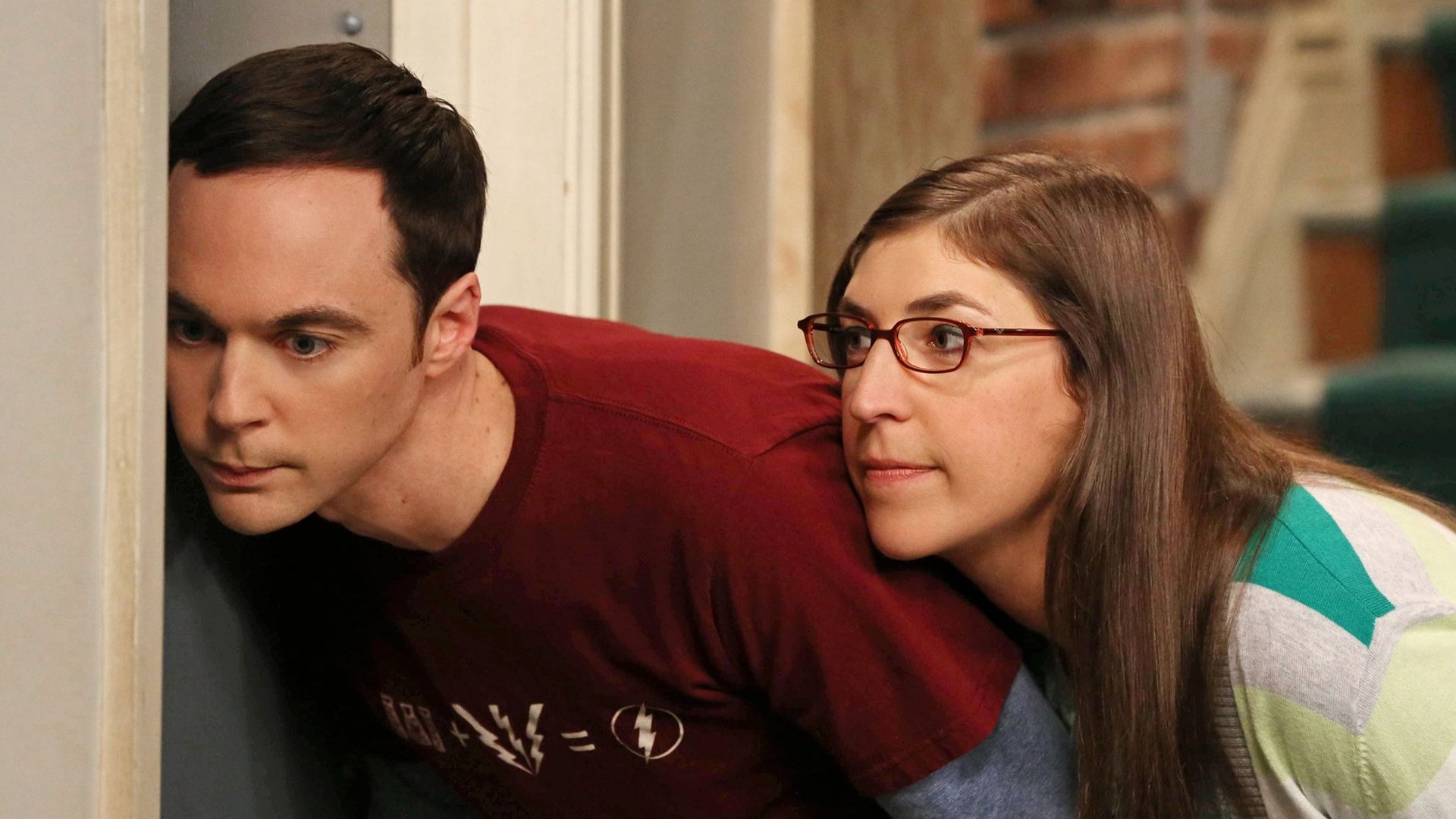
Sheldon Cooper, the character from The Big Bang Theory, is a prime example of how a sitcom character can really influence the genre. The show gave the eccentric physicist a detailed history, and over its many seasons, the writers figured out a lot about creating memorable sitcom characters. Viewers often had a complicated relationship with Sheldon – at first, his oddities and strong will were charming, but they soon became repetitive and irritating.
MovieWeb Report: Subscribe and never miss what matters
Immerse yourself in the cinematic universe with the latest movie news, reviews, and exclusive content from MovieWeb.
Sheldon evolved as a character, becoming more relatable over the course of the show. Initially, he felt unrealistic even for a sitcom character, which frustrated some viewers. As the central figure in The Big Bang Theory and its spin-offs, it was important that he grew and finished the series with a meaningful legacy beyond just being a stereotypical ‘nerd’.
Frank Reynolds
‘It’s Always Sunny in Philadelphia’

FX
Danny DeVito has had a long and successful career, but his role as Frank Reynolds in It’s Always Sunny in Philadelphia unexpectedly became one of his most defining. Frank’s wild and unpredictable character – the financial backer of Paddy’s Pub and the gang’s crazy adventures – has given us countless memorable quotes and internet memes, such as “Can I offer you an egg in this trying time?” While sitcom characters are often exaggerated, Frank Reynolds managed to stand out even amongst them, consistently pushing boundaries without feeling unbelievable.
Frank consistently gets away with outrageous behavior, but it somehow fits his personality. He doesn’t worry about other people’s opinions and has pushed boundaries so much that it’s amazing he and the gang haven’t faced consequences. It’s hard to imagine It’s Always Sunny in Philadelphia without Frank, though he wasn’t always part of the show. However, casting Danny DeVito as Frank Reynolds was a brilliant move that revitalized the series.
2026-02-13 18:45