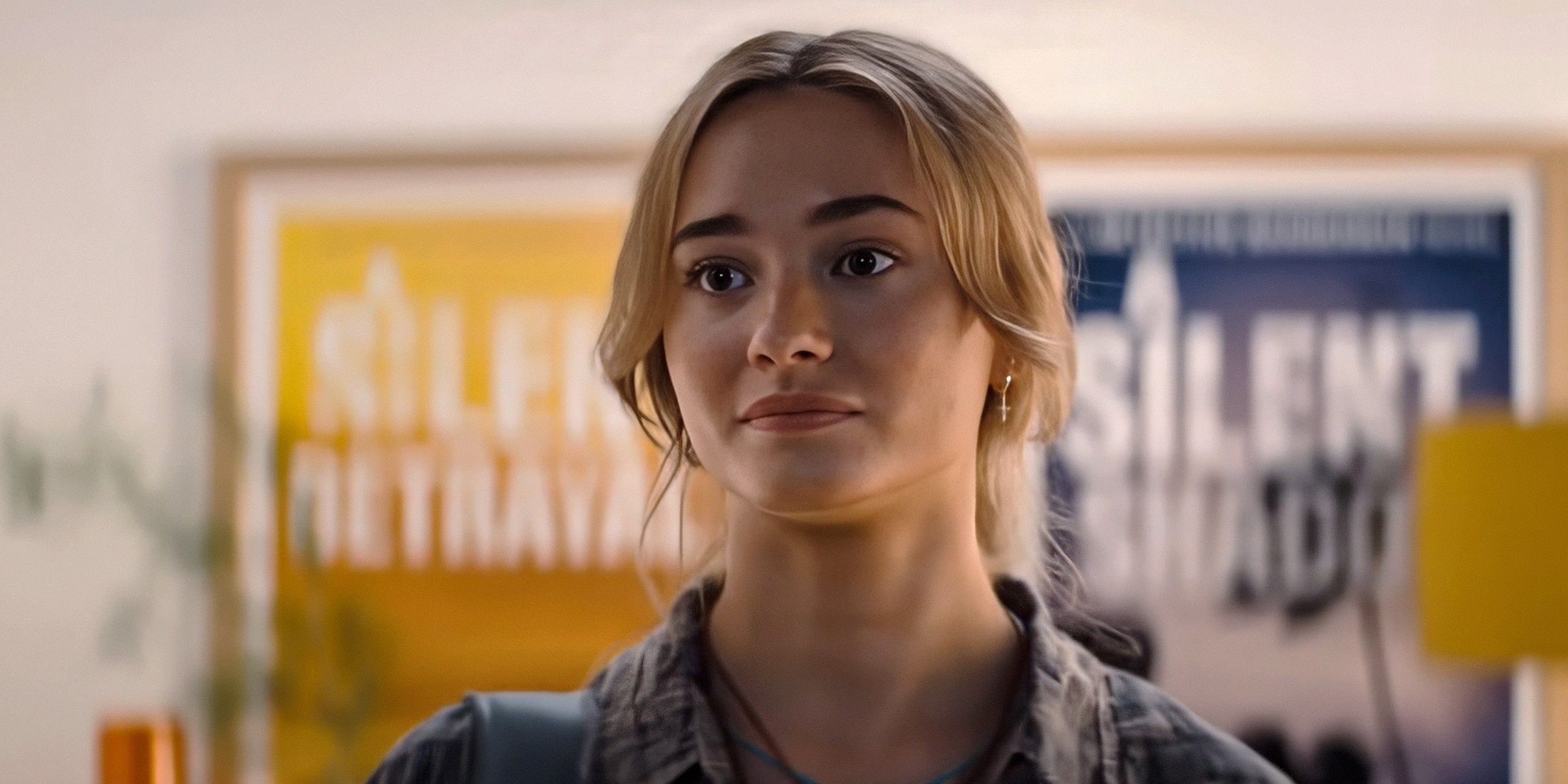
The new movie Primate is similar to other animal attack thrillers, telling the story of a chimpanzee that becomes dangerous after getting rabies. Released in January, it’s been doing well in theaters, and many viewers have compared it to films like Cujo and the scene with Gordy in Nope.
Much of the film’s success isn’t just due to good acting and scary moments, but also its small budget. By relying on practical effects rather than computer-generated imagery, director Johannes Roberts crafted a horror movie that feels authentic and inventive, clearly inspired by classic films in the genre.
Primate’s Antagonist Was Brought to Life Through Practical Effects
The story centers on Lucy, a college student who goes home to Hawaii for the summer with her friends. She discovers a surprising family secret: her late mother adopted a chimpanzee named Ben, who’s been raised as part of the family. However, after being bitten by a mongoose, Ben contracts rabies and becomes dangerously aggressive, attacking those around him, including his loved ones.
The creature, also known as ‘Primate’, featured prominently in the story, including scenes involving the character Ben. Actor Miguel Torres Umba, a Colombian movement expert, played the role, wearing a specially-made suit created by Millennium FX. To ensure the suit fit correctly, designers initially tested it on a 14-year-old girl. The suit itself was crafted using hand-dyed yak hair, which was carefully inserted, strand by strand, into a stretchy mesh base to create a lifelike appearance.
To get detailed close-up shots, the filmmakers built several animatronic heads. These were used to create realistic facial expressions in various scenes. They also created separate animatronic pieces specifically for the character’s teeth, and even more robust versions for the action sequences.
The film’s incredibly graphic violence – including scenes of severed jaws and faces being peeled away – was achieved entirely through practical effects, not CGI. Inspired by films like [citing film], director Roberts focused on creating a realistic look using makeup, prosthetics, fake blood, and careful sound design. He also used specific camera angles and lighting to enhance the impact of these effects.
Primate’s Practical Effects Helped Its Success
Okay, so I just finished watching Primate, and honestly, parts of it felt pretty familiar. It hits a lot of the usual slasher beats – you know, characters making questionable choices, a remote setting, and teens being targeted. The basic idea of animals gone wild isn’t new either. I immediately thought of films like The Wild Beasts and The Rage – we’ve seen this ‘infected animals run amok’ premise a bunch of times before.
Despite a challenging production, Primate has proven to be a hit. The film earned over $36 million with a $25 million budget and has received mostly positive reviews, currently holding a 78% rating on Rotten Tomatoes. Much of its success is due to its impressive practical effects, which both showcase creative skill and genuinely connect with audiences.
Movies like Primate work best when they feel believable. That’s always been what makes slasher films frightening, going all the way back to classics like Psycho. These movies are scary because they’re based on real-life events, and it’s disturbing to watch characters experience things that could realistically happen to anyone.
While making a movie feel realistic is important, it’s not enough on its own. To truly scare an audience, viewers need to believe in what they’re seeing. Some movies might be shocking or even graphic, but if those scenes aren’t believable, they won’t be frightening. For example, overly-the-top violence, like a character being torn apart by hand, might be entertaining, but it doesn’t create genuine fear because it feels unrealistic.
Inspired by a true story, the film Primate is genuinely frightening. It relies on realistic, hands-on effects – similar to classic horror movies – to create a primal fear, tapping into the universal dread of losing control and being dominated.
The film features a lot of violence, but it fits the story’s tone. Ben is portrayed as a brutal attacker, tearing his victims apart in a way that feels animalistic. The director uses dark visuals to make the violence seem more authentic, and the blood and injuries appear realistic and appropriately scaled to the attacks.
Ben’s design is effective because it avoids making the creature unbelievable. He’s realistically sized and proportioned, and his features aren’t exaggerated. Similar to the source material that inspired him, Ben feels like a genuinely frightening, plausible threat – something that many CGI-focused horror films struggle to accomplish.
Horror Has Become too Focused on CGI
Computer-generated imagery (CGI) is essential for many films, making previously impossible shots achievable. Director Johannes Roberts relied heavily on CGI for his films, including 47 Meters Down and its sequel, as it would have been too dangerous to put untrained actors in real shark-filled waters. Similarly, recent movies like the Anaconda reboot would have been extremely challenging and expensive to create using only practical effects.
Many films these days depend too much on computer-generated imagery. This is often because directors reuse familiar storylines and concepts that they think will be popular, but this can make movies less interesting. Instead of creating genuine suspense through clever filmmaking, they often use special effects to simply startle viewers.
While CGI can be a powerful tool in filmmaking, using too much of it can make a movie feel less believable. Classic horror films like Nightmare on Elm Street and Hellraiser demonstrate that CGI works best when used subtly, adding to the story without overwhelming it. In contrast, some newer films rely on CGI so heavily that certain scenes become unrealistic, distracting the audience instead of immersing them in the story.
Many recent horror movies have been criticized for relying too much on computer-generated imagery. For example, in the first film directed by Renny Harlin in the series, a note appearing on a door was created with special effects, leading some viewers to wonder if it was a rushed addition or simply a lack of effort.
The problem with unrealistic movies is that they can pull viewers out of the experience. It’s hard to connect with a character’s struggles if the dangers they face don’t feel believable or make sense. Ultimately, audiences need to be able to relate to the characters to truly get invested.
“Primate” is a standout horror film that deserves attention. What makes it special is its reliance on practical effects—it proves that truly scary movies don’t need CGI. The film delivers everything horror fans crave—gore, action, and familiar themes—but grounds it in enough realism to feel genuinely frightening and relatable.
If Ben had been created with computer-generated imagery, the movie wouldn’t feel as real. The lighting works seamlessly with his actions and shadows, making the actors’ performances more believable and preventing Ben from looking artificial. This all helps viewers feel like the events could actually happen, blurring the line between what’s fictional and what could be real.
While special effects have a role in horror movies, too much reliance on CGI can actually make them less frightening. Often, the most effective horror comes from simple, well-executed ideas. It’s still too soon to know if the new film Primate will change things, but Paramount’s approach offers valuable lessons. Completely practical effects aren’t always feasible, but using CGI to enhance the story, instead of relying on it, is a positive move.
2026-02-07 18:10