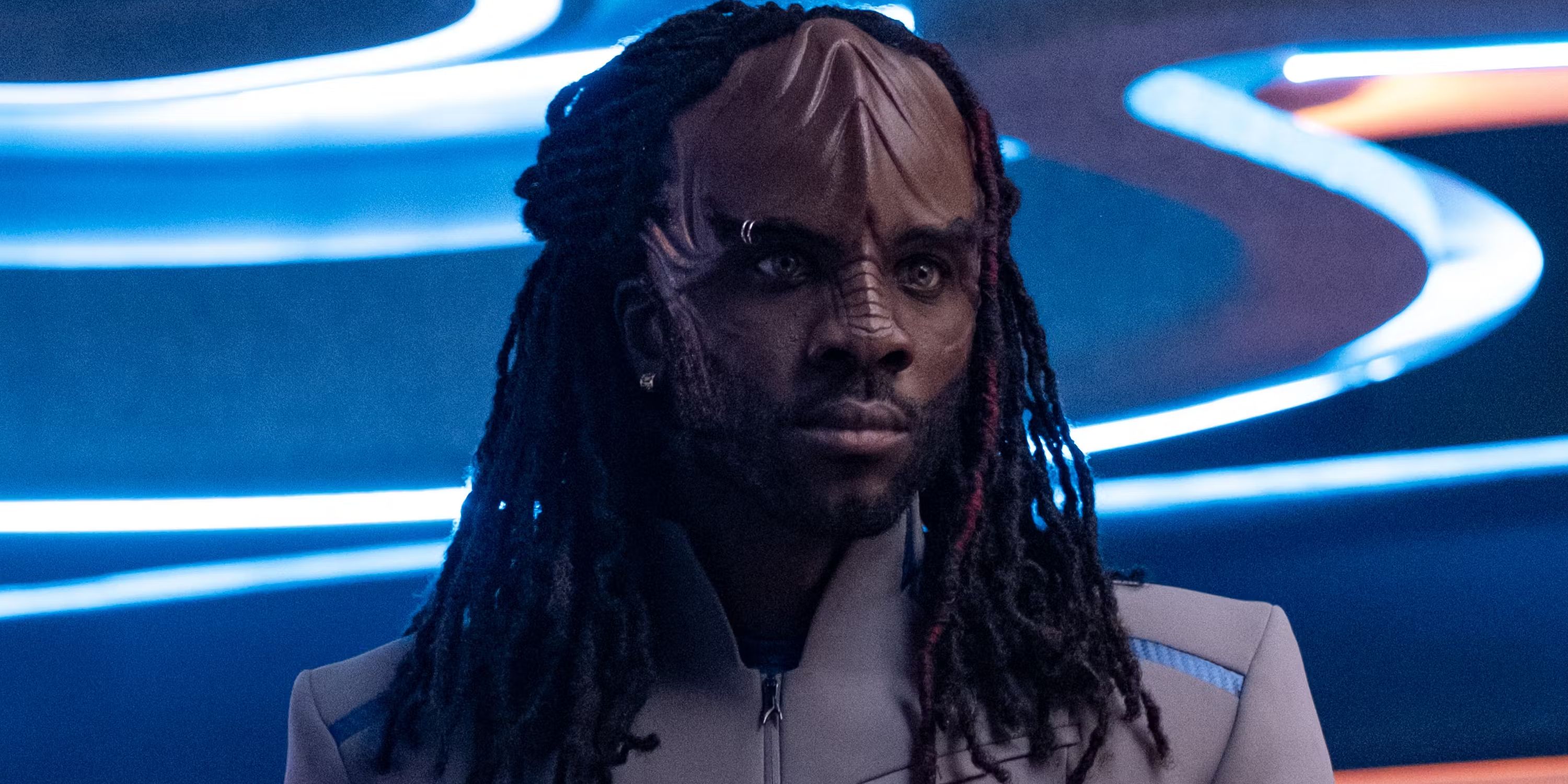
Be warned – spoilers ahead for Star Trek: Starfleet Academy Season 1, Episode 4, “Vox in Excelso.” The Klingons are one of the most memorable races in Star Trek, known for their strong code of honor, tendency towards violence, and complex rituals. These traditions all stem from Kahless the Unforgettable, a figure whose impact can be felt throughout Klingon history and stories. While introduced slowly and developed over many years of Star Trek, Kahless is not only a legendary warrior but also the foundation of Klingon religion and culture.
Klingon stories are among the most detailed and interesting parts of the Star Trek universe. From the very beginning of the show through recent series like Star Trek: Discovery, the legends of Kahless and the history of the Klingons have been revisited and reimagined. These new versions often uncover fresh details and have even led fans to wonder if everything they thought they knew about Klingon culture is true. Now, the world of the Klingons is being explored again in Star Trek: Starfleet Academy.
Kahless & Klingons Origin Myth Explained
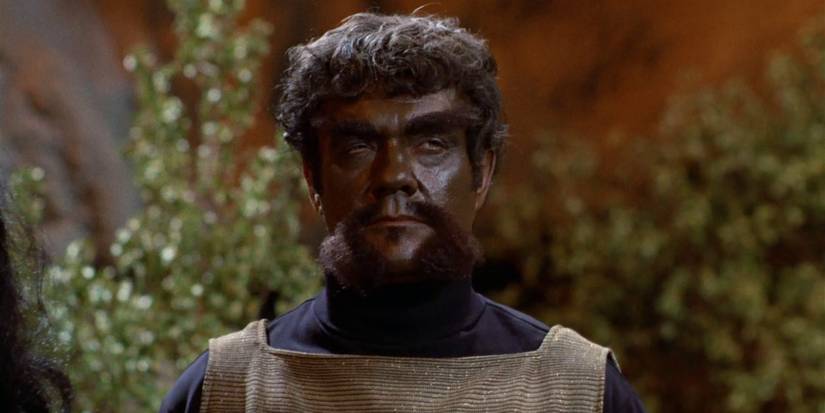
Kahless the Unforgettable lived long ago, during a time when Klingons were held as slaves by cruel rulers. He’s become a central figure in Klingon beliefs and stories, remembered as the one who freed them and established their laws.
Klingon legends tell of Kahless, who showed his people how to live a meaningful life and face death with honor. He freed the Klingons from tyranny and brought them together under a strict code of conduct. This code valued strength in battle, bravery, unwavering loyalty, and a noble death. Even today, Klingon society judges itself by these principles. Kahless is also remembered as the founder of the first Klingon Empire.
Kahless was a powerful and uncompromising leader, though believed to be fair. Importantly, Klingon stories don’t portray him as perfect. He was known for his anger, pride, and willingness to fight – qualities that actually fit well with Klingon beliefs. Klingons don’t value perfection; they believe true strength comes from overcoming challenges and enduring hardship.
Klingon legends say that Kahless the Unforgettable created the very first bat’leth. The story describes him combining a piece of his own hair with molten lava and then quickly cooling the mixture in blood. But the most compelling part of the legend is what happened at the end of Kahless’s life. Instead of simply dying, he supposedly vowed to return whenever the Klingon people faced a dire crisis. This belief turned Kahless from a historical leader into something like a religious savior figure.
The idea of resurrection eventually became a tool for political gain. This led to one of the most thought-provoking questions in Star Trek: what happens when belief clashes with what is actually true?
How Star Trek Has Changed Kahless & Klingons’ Origin Myth
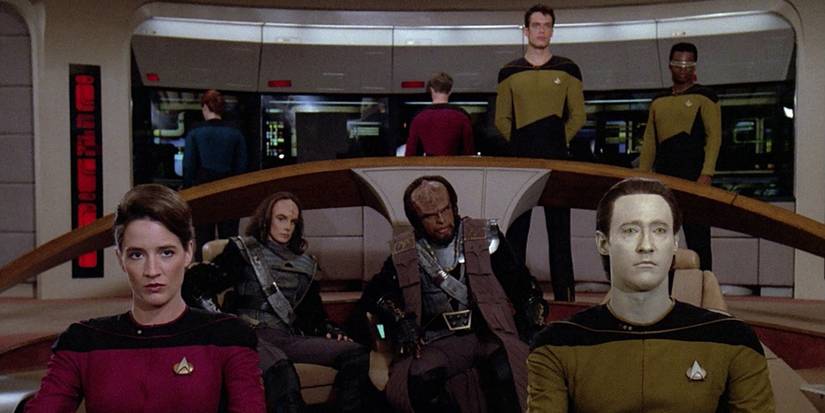
Star Trek: The Next Generation significantly developed Klingon religious beliefs by exploring the history of Kahless the Unforgettable. In season 6, episode 23, “Rightful Heir,” the show revealed that Klingon monks had cloned Kahless using ancient DNA and presented the clone as the long-awaited messiah.
The clone thought he was the real Kahless, and he knew a great deal about Klingon history and beliefs. But he didn’t have the aggressive, fighting spirit people expected from the famous warrior. Instead of pushing for conquest, he talked about peace and working together. This caused a deep split among the Klingons. Some saw him as a godlike sign that ancient predictions were coming true, while others believed he was a false and disrespectful copy.
The Klingon High Council decided to treat the clone as a figurehead emperor, one without any actual authority. This choice dramatically changed the way Klingons viewed their history and beliefs. Kahless, the legendary warrior, became less of a historical person and more of a symbol of Klingon ideals. The stories about him became more important than his physical resurrection.
Subsequent Star Trek shows continued to portray this revised view of Klingon beliefs. Instead of presenting Kahless as a fabrication, Star Trek: Discovery depicted the myth as genuinely meaningful to Klingon culture and emotions. In season one of Discovery, Kahless became a rallying symbol for radical Klingon groups. Klingon leaders within the show used this history to claim that their culture had become diluted and weakened.
War took on a sacred meaning for some. Certain groups twisted the teachings of Kahless to justify attacking the Federation. The show Discovery highlights how stories and legends can be used as tools for conflict. While Kahless’s story held elements of unity, his name was used to excuse violence. This manipulation of myth mirrors real-world religious extremism, but the show avoids simply portraying Klingon beliefs as a shallow imitation.
Star Trek: Starfleet Academy’s Klingons Still Believe In Kahless’s Origin Myth
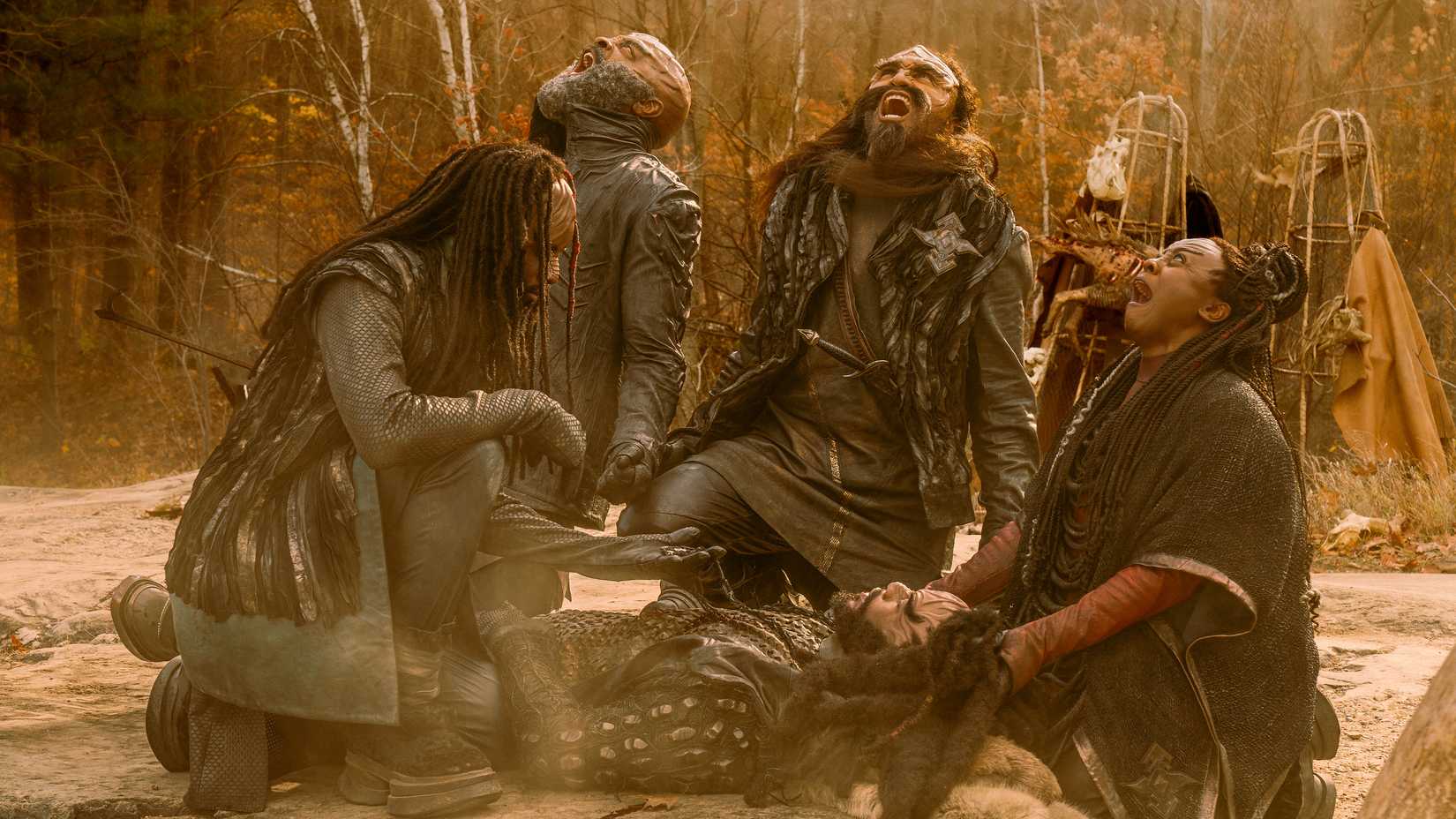
The series Star Trek: Starfleet Academy offers a new perspective on the Klingons, portraying them not as simply villains who changed sides, but as a civilization struggling to rebuild after a major catastrophe. Their home planet, Qo’noS, was destroyed in an event called the Burn, leaving them politically weakened and scattered throughout the galaxy as refugees.
In the fourth episode of Starfleet Academy, “Vox in Excelso,” the Klingons are portrayed as complex individuals who can uphold their sense of honor without resorting to the aggression that characterized their history.
The story follows Jay-Den’s family, who are Klingon and focused on personal growth, moving beyond outdated political conflicts. Alongside them are General Obel Wochak and Chancellor Nahla Ake, a couple deeply connected to traditional Klingon values. They fight for their people both as warriors and leaders, working to find a new home for the Klingon empire.
Kahless becomes especially important here. He’s more than just a symbol of war; he reminds Klingons who have been scattered of a time when their culture was strong and independent. For Klingons living in the 32nd century, Kahless embodies their people’s ability to survive – to overcome slavery, internal conflicts, differing beliefs, and now, being forced from their home.
The stories of Kahless offer a guiding set of values and feelings that Starfleet, despite its noble goals, can’t fully provide. His legend shifts its focus from simply conquering lands to the strength found in overcoming challenges, and by the 32nd century, honor means protecting what makes you, you, rather than trying to control more territory.
As a longtime follower of the Klingon saga, I’ve always been fascinated by Kahless. We’ve seen him portrayed in so many ways – first as this powerful warrior god, then as a historical figure whose very existence was questioned. But this latest iteration? It’s something else entirely. He’s become less a person and more a symbol, a living piece of Klingon culture. What really grabs me is that his story isn’t set in stone. Klingons are constantly reinterpreting his legacy – waging wars over it, arguing about whether he was ‘real,’ and even trying to bring him back through cloning. It’s a dynamic, endlessly engaging portrayal of a legend.
Ultimately, “Vox in Excelsis” shows that Klingon traditions can remain strong even while changing over time. By letting the story of Kahless evolve, Star Trek demonstrates that Klingon beliefs are dynamic and alive. Kahless isn’t remembered because he’s proven to be real, but because each new generation of Klingons finds meaning in his story.
2026-02-04 20:52