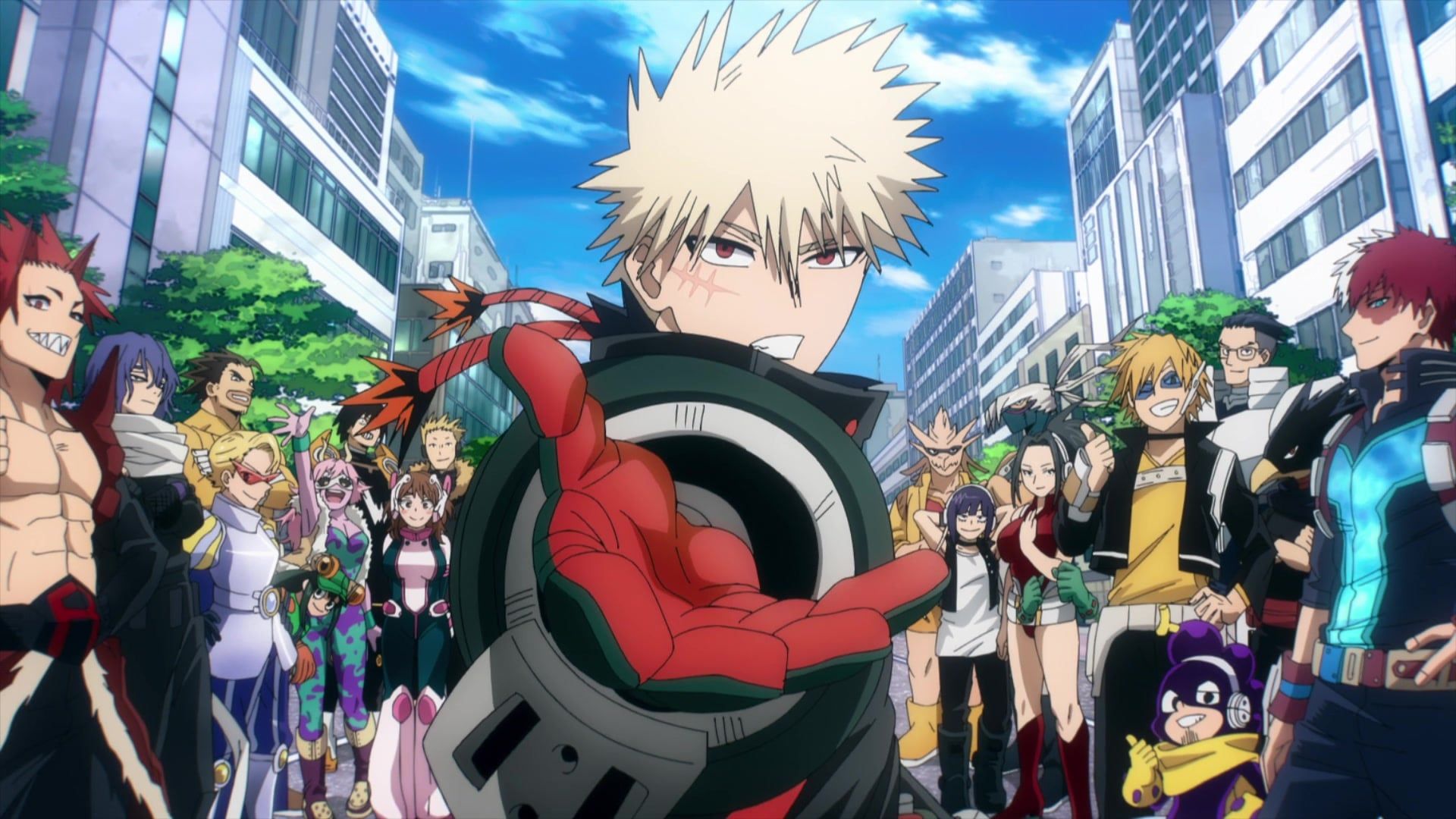
For years, the comic book world has been shaped by both classic American superheroes and the growing popularity of Japanese manga. Manga has often become more successful, and industry legend Jim Lee recently sparked discussion by comparing the two. While some Western comic fans were unhappy with his comments, many agree with his assessment.
It’s common for fans to compare American comics, such as Superman, to Japanese manga like My Hero Academia. While Hollywood is seeing a surge in superhero movies, many Marvel and DC fans are disappointed that their favorite comic publishers aren’t benefiting as much, with comics often being hard to find. Artist Jim Lee recently discussed these differences and suggested that the American comic industry needs to adapt to stay competitive.
Jim Lee’s Comments Explained
Jim Lee recently shared his thoughts on the comic book industry in an interview with Nikkei XTrend. He expressed admiration for the strength of storytelling in Japanese manga and anime, questioning what Western comics could do to achieve a similar impact. Lee also noted that manga offers a wider range of stories than American comics, which largely focus on superheroes and dominate the market’s sales and readership.
He then discussed the differences and similarities between the cultures of the two industries. He explained that manga in Japan is considered a form of literature, accessible to all ages and covering a diverse range of topics – from cooking to sports, and not just superhero stories. He expressed his pleasure at manga’s success, seeing it as a benchmark for their own industry, and pointed out that the larger manga market offers valuable lessons to learn from.
Lee rightly points out a key strength of manga compared to American comics: its deep roots in Japanese culture. In Japan, manga is a mainstream form of literature with something to offer every reader. No matter your preference—sports, romance, adventure, or horror—you’ll find countless titles and a constant stream of new stories. This is also due to different publishing approaches. Manga is published as complete graphic novels, while American comics typically come out as shorter, monthly issues. This makes manga more accessible and affordable, giving readers more story for their money.
Marvel and DC Are Reluctant to Diversify Their Titles
Lee pointed out a key difference between American and Japanese comics (Manga). He observed that while American comics heavily rely on superhero stories, Manga offers a much wider range of genres. Titles like One Piece, Chainsaw Man, and Berserk are vastly different from one another, unlike the often similar offerings from Marvel and DC. This isn’t just about a preference for superheroes; the Big Two publishers can limit reader choice. Someone who starts reading with an interest in a character like Spider-Man might quickly become discouraged by the need to buy multiple related titles just to follow a single storyline or event.
For a long time, particularly in the 2010s, Marvel and DC Comics published a broader range of stories. DC achieved this through its Vertigo imprint, which gave creators freedom to produce memorable titles like Bill Willingham’s Fables and Neil Gaiman’s Sandman. These stories, unlike typical superhero comics, had consistent, easy-to-follow storylines without constant crossovers or events, appealing to both new and dedicated readers. Back in the 1950s, American comics offered a huge variety of genres—Westerns, crime, science fiction, and horror were all popular. Now, even when American publishers try different genres, they almost always connect them back to their superheroes.
The American Comics Market Made Itself Inaccessible and Niche
The American comic book industry made a big mistake when it started focusing on collectors instead of trying to reach a wider audience. Things like limited-edition covers, frequent story reboots, and expensive collections made it hard for new readers to get interested. Major overhauls of storylines, such as the New 52 and the Ultimate Universe, were often the only way to attract people who weren’t already fans.
I’ve seen a big change over the years – comics just vanished from most stores, leaving only specialty shops! It’s always struck me that publishers could’ve broadened their appeal by releasing comics as magazines or affordable paperbacks, but they didn’t really try that for a long time. Instead, they seemed to focus on making certain editions rare and expensive, which priced out a lot of potential readers. Looking at manga, it’s clear that being widely available and affordable is a huge strength. It really hits home that while great stories are essential, getting those stories to people, and at a price they can afford, is even more important.
DC Comics is now publishing classic stories in a format similar to manga – affordable, smaller trade paperbacks – and selling them for just $9.99. This gives manga some much-needed competition in bookstores. It’s a big change from a few years ago when DC’s trade paperbacks were often expensive, costing as much as $50 for stories that hadn’t been available in years.
The James Gunn Era Has Been Promising (For DC)
Since becoming head of DC Studios, James Gunn has shared his vision for revitalizing DC’s comic book publishing. This has led to the return of popular lines like Elseworlds, the expansion of the Absolute edition format, and the launch of DC’s Finest – a series of affordable collections of classic stories. Even Jim Lee has noted Gunn’s positive influence. DC appears to be adapting and learning from this approach, while Marvel has seen a decline in its market share.
With forty years of experience in the comics world, Lee offers invaluable insight, particularly regarding the need for a clear creative direction. He’s spot-on when he points out how manga has excelled compared to Marvel and DC, and acknowledging Japan’s achievements is simply a matter of recognizing success.
2026-02-03 23:10