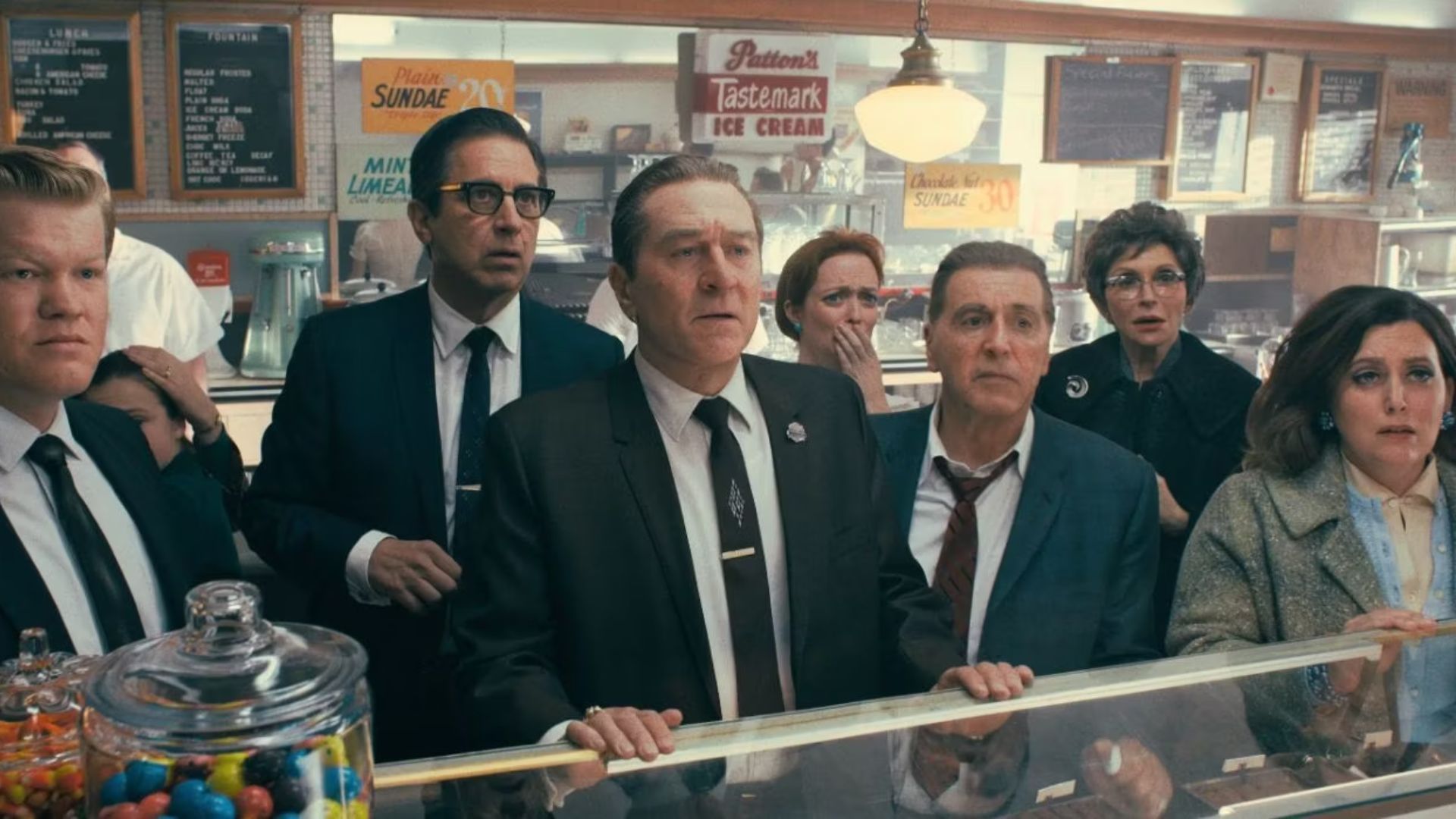
It’s incredibly frustrating when a movie is almost great, but falls short due to a single mistake. Whether it’s a weak plot point, an unsatisfying conclusion, or questionable casting, many films come so close to perfection, only to be let down by one key flaw.
From horror favorites to musicals and sci-fi romances, each of these movies had the potential to be truly great, but a single misstep held it back. They’re the films that make you wonder what could have been with just one small change – a tweak that could have altered movie history.
Grease (1978)

Though the musical Grease always presented a slightly exaggerated version of reality to examine themes like teenage angst, fitting in, and self-discovery, the very fantastical ending felt out of place. Seeing Danny and Sandy fly off in a car at the end seemed cartoonish and diminished the power of the song “You’re the One that I Want.”
The movie Grease consistently presented a heightened, but believable, world where musical numbers expressed what the characters were feeling. But instead of a simple ending where the characters drive off, the film unexpectedly breaks from its own established reality. Just as the story concludes, audiences are surprised by a bizarre event – the car seemingly takes flight – leaving them wondering why this sudden, unrealistic moment happened.
Bad Santa (2003)
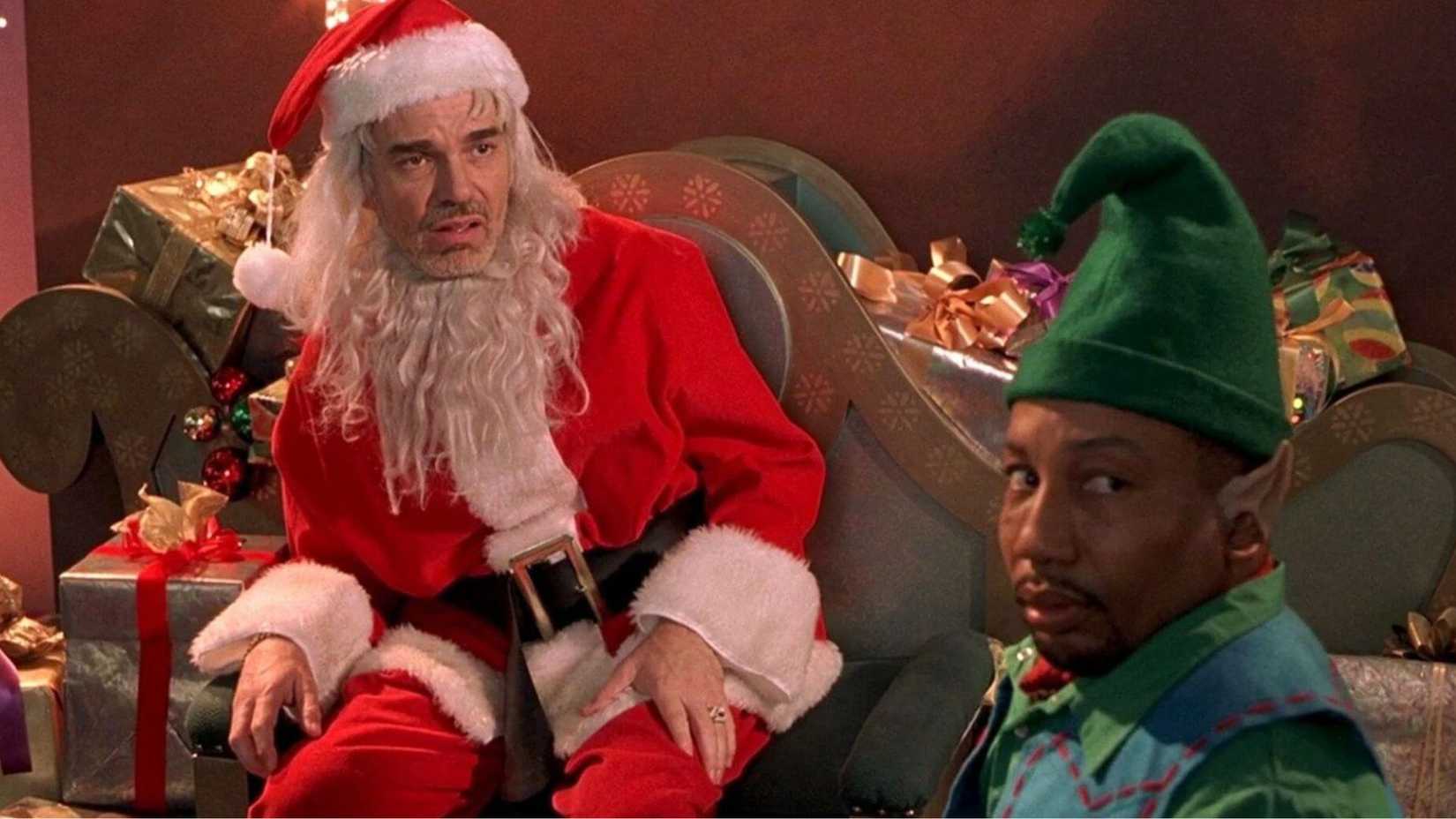
Bad Santa is a darkly funny and unconventional Christmas comedy that helped make Billy Bob Thornton a star. The film follows a cynical conman who disguises himself as a mall Santa, and unexpectedly finds himself connecting with a lonely child who could use a little Christmas spirit, leading him to question his own hardened heart.
The idea for this movie is strong, but Bad Santa didn’t benefit from trying to turn Willie T. Soke into a good person. If the movie had let him meet a tragic end, it would have been a more impactful and realistic story, preserving its dark humor. It also might have prevented the unnecessary and disappointing sequel, Bad Santa 2.
War Of The Worlds (2005)

Tom Cruise and director Steven Spielberg teamed up again for War of the Worlds, a large-scale movie based on H.G. Wells’ famous novel. Although the film has Spielberg’s signature style, a particular plot element prevents it from reaching the same legendary status as his other films like Close Encounters of the Third Kind, E.T., or A.I. Artificial Intelligence.
What really frustrated me was when Cruise’s character’s son, Robbie, decided to join the fight against the aliens on his own. It felt totally out of step with the movie’s message about sticking together as a family. And honestly, that happy reunion between father and son at the end just didn’t mesh with the complete chaos and unpredictability of the alien attack. It felt forced, like they were trying too hard for a feel-good moment when the rest of the film was so…random.
I Am Legend (2007)

The movie I Am Legend is a compelling take on Richard Matheson’s well-known 1954 novel. Both the film and the book follow the story of Will Smith as the last man in New York City, exploring themes of loneliness and survival as he battles vampires in a ruined, post-apocalyptic world.
As a film buff, I always feel it’s important to talk about how adaptations change things, and the movie I Am Legend really missed the point of the book’s ending. The book was supposed to be a gut punch – Neville discovering he’s actually the monster was brilliant! But the movie went for a typical Hollywood happy ending, keeping him alive and totally ruining the powerful message the book delivered. It just didn’t have the same impact, you know?
Wonder Woman (2017)

Wonder Woman initially promised a clever and insightful take on the realities of war and violence. Unfortunately, the film’s climax shifted focus, becoming a visually overloaded battle with lots of explosions and typical action sequences.
It was really disappointing to see the movie end with a big, flashy fight. Before that, Wonder Woman had shown war as a sad and deeply human event, not just something to be won through action. Honestly, the final battle wasn’t needed, and the movie would have been stronger without it.
The Irishman (2019)
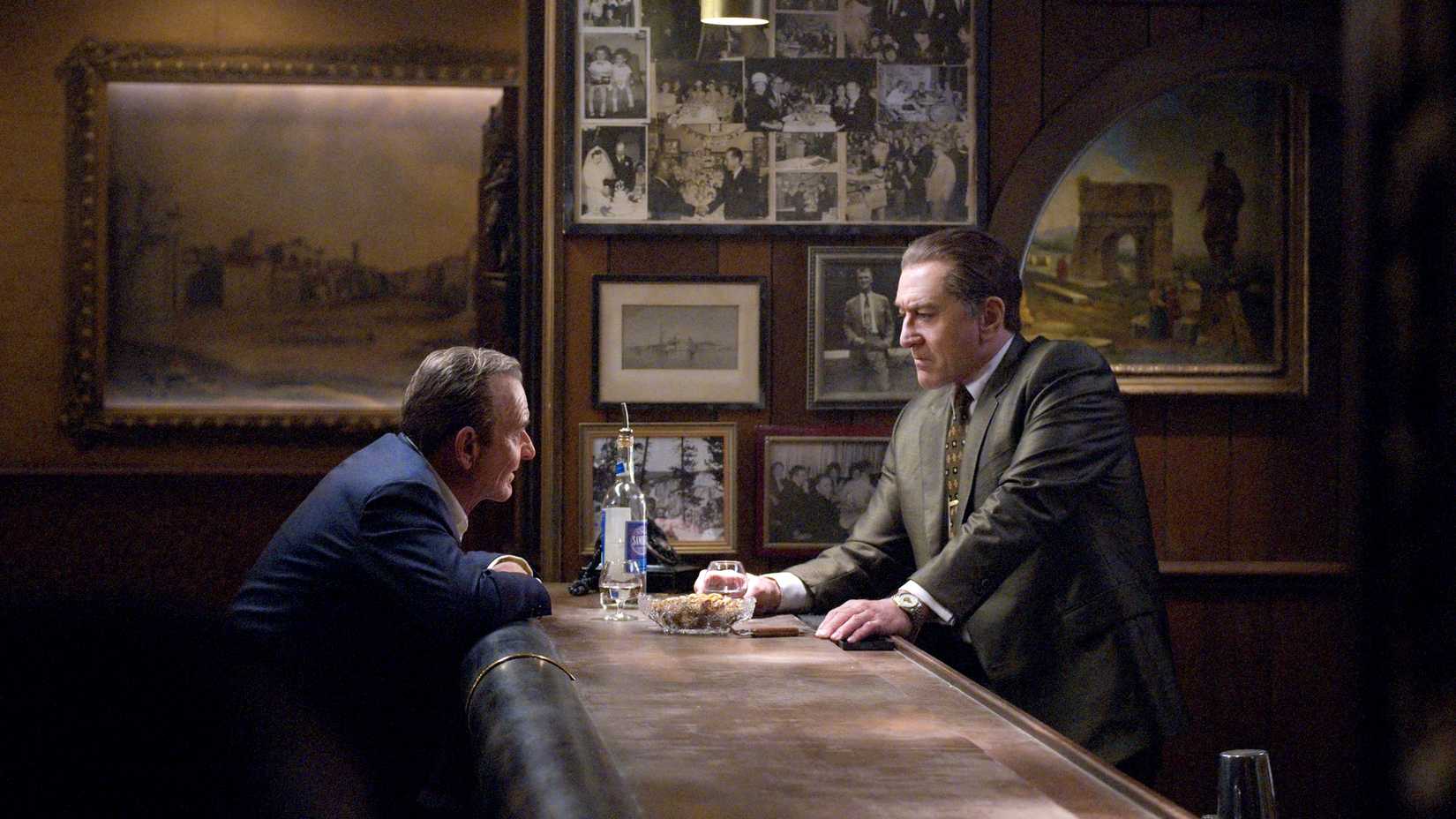
Martin Scorsese’s The Irishman is considered one of his most powerful films, reuniting acting greats Robert De Niro, Joe Pesci, and Al Pacino. Despite its quality, many viewers found the movie’s length to be a significant drawback, making it difficult to watch all the way through.
Some argue that The Irishman justifies its lengthy three-and-a-half-hour runtime, but Martin Scorsese has previously created excellent gangster films like Goodfellas in under three hours. It feels like a tighter edit could have resulted in a The Irishman that’s just as good, but easier to watch.
Psycho (1960)
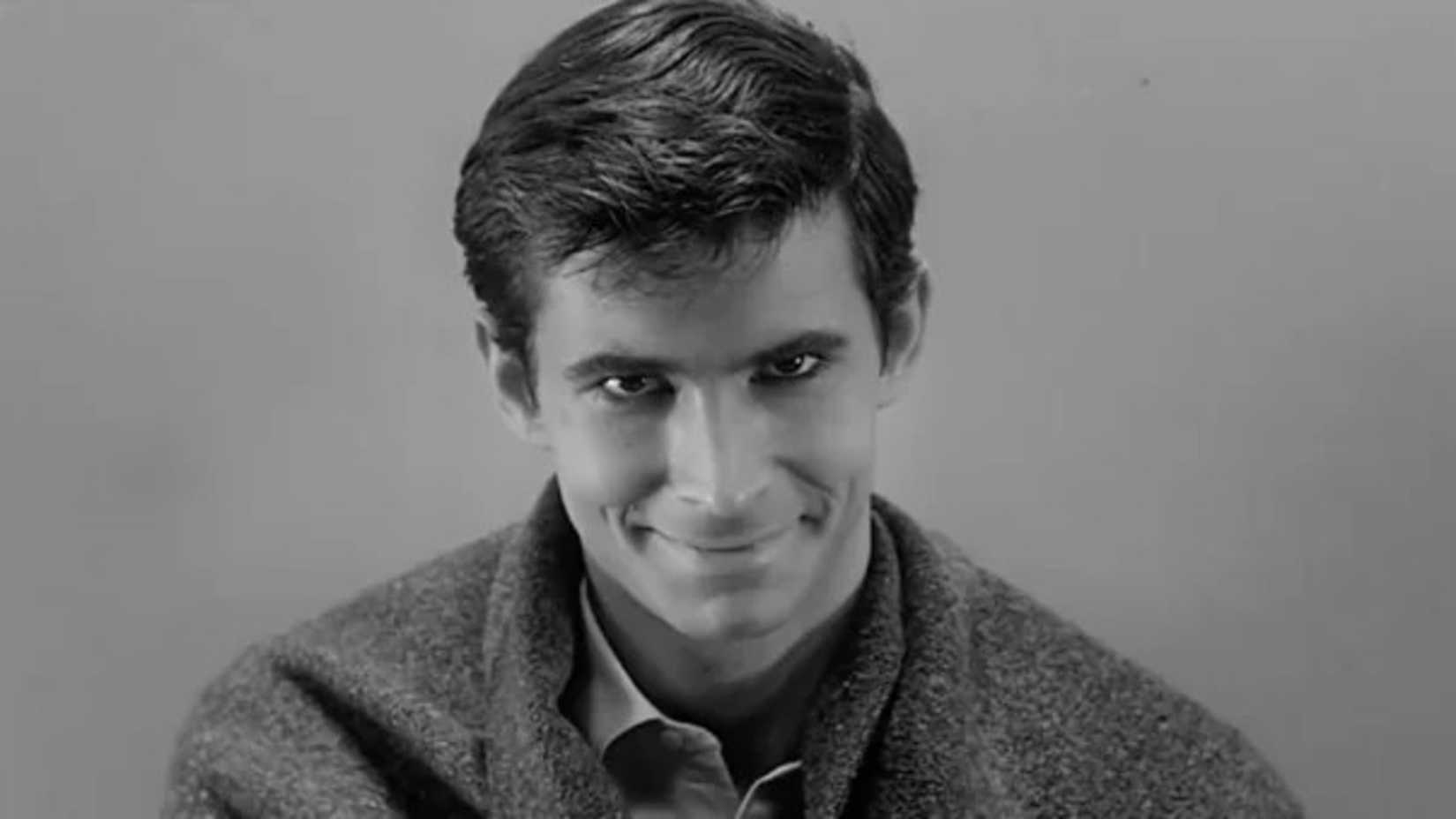
Alfred Hitchcock’s film Psycho revolutionized horror, essentially creating the slasher genre we see today. Anthony Perkins delivered a remarkable, career-defining performance as Norman Bates, a fascinating and disturbing schizophrenic character who remains one of cinema’s most memorable villains.
The ending of Psycho breaks from its otherwise masterful storytelling by explicitly explaining Norman Bates’s mental state through a psychiatrist’s dialogue. This explanation undermines the film’s mystery, assumes the audience can’t interpret events for themselves, and ultimately weakens its powerful impact by removing its subtle ambiguity.
The Dark Knight Rises (2012)
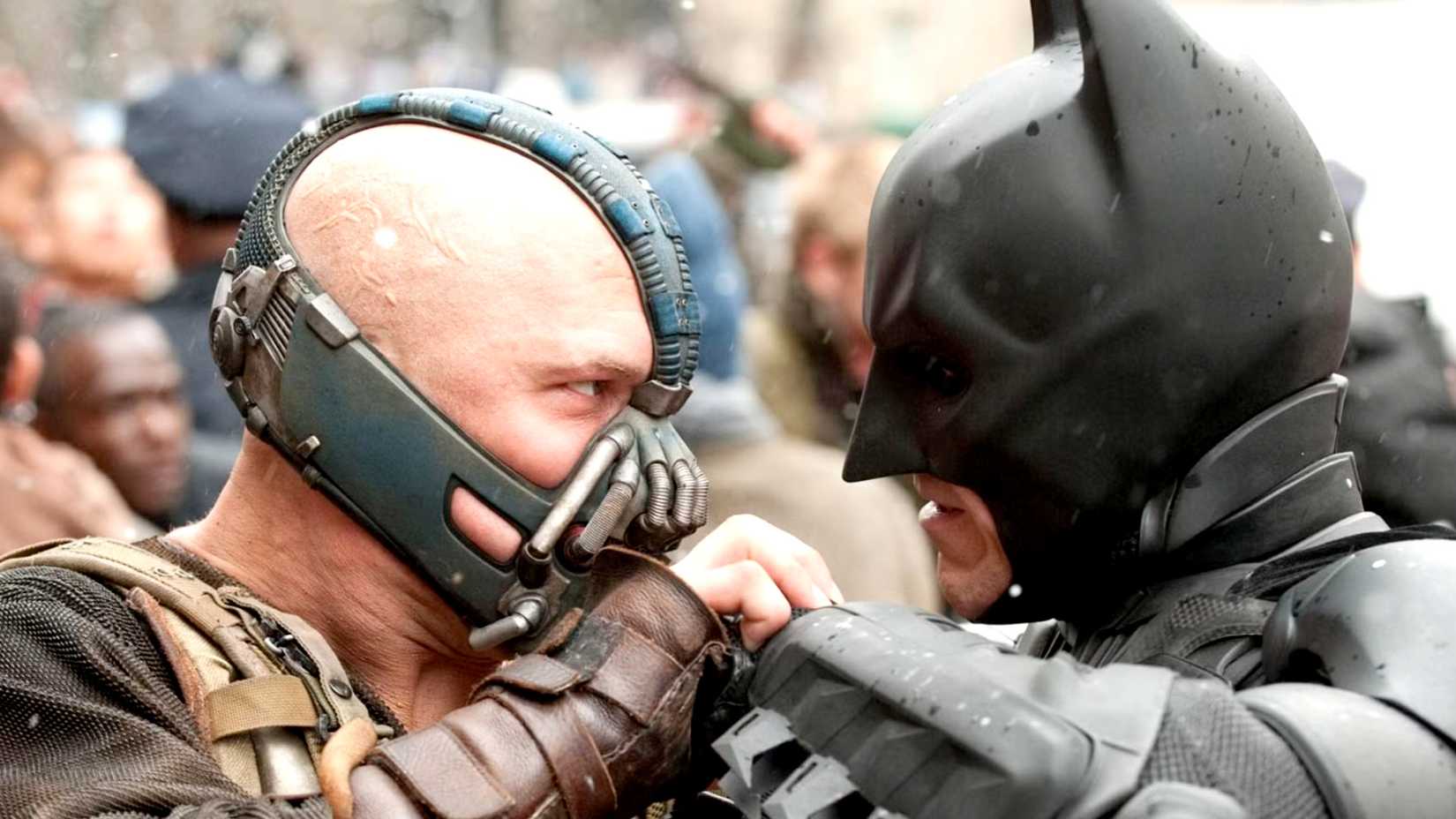
Christopher Nolan’s Dark Knight trilogy revolutionized superhero films, but the final movie, Rises, wasn’t as strong as the first two. Although Rises was impressively ambitious and large in scope, it struggled in its final act, and the ending didn’t have the same impact as the unforgettable conclusion of The Dark Knight.
The movie’s ending tries to do too much, which makes it feel unsatisfying. Bruce Wayne pretending to die and turning Batman into just an idea weakens the impact of his supposed sacrifice. It feels like the director should have revisited and revised the final part of the film.
The Godfather Part III (1990)

Look, let’s be honest, The Godfather Part III isn’t perfect. Even Francis Ford Coppola admits that. But beneath its flaws, there’s a genuinely compelling film trying to break through. What really holds it back, though, and it’s a big one, is the casting of Sofia Coppola. While I understand the personal connection, her performance as Mary Corleone just doesn’t have the weight needed for the role, and it unfortunately undermines the emotional heart of the story.
Look, I love The Godfather Part III, but let’s be real – Sofia Coppola just wasn’t quite ready to act alongside someone like Al Pacino. It really showed. I always wondered what would have happened if Winona Ryder hadn’t dropped out at the last minute; she would have been so much better in that role. It’s funny, because Sofia eventually figured out her true talent wasn’t in front of the camera, but behind it, just like her dad. She became an amazing director, and that’s where she really shone.
Passengers (2016)

The movie Passengers had a great idea for a story, but it didn’t execute it well. Instead of showing how unsettling and frightening it was for Chris Pratt to wake a woman 90 years too early from her sleep, the film tried to portray it as a romantic gesture, which missed the mark.
To really make the movie Passengers work, it should start with Jennifer Lawrence waking up, and reveal later that the events weren’t accidental. This change would transform Passengers into a powerful and thought-provoking thriller about the dangers of desire, isolation, and feeling entitled.
2026-02-01 18:43