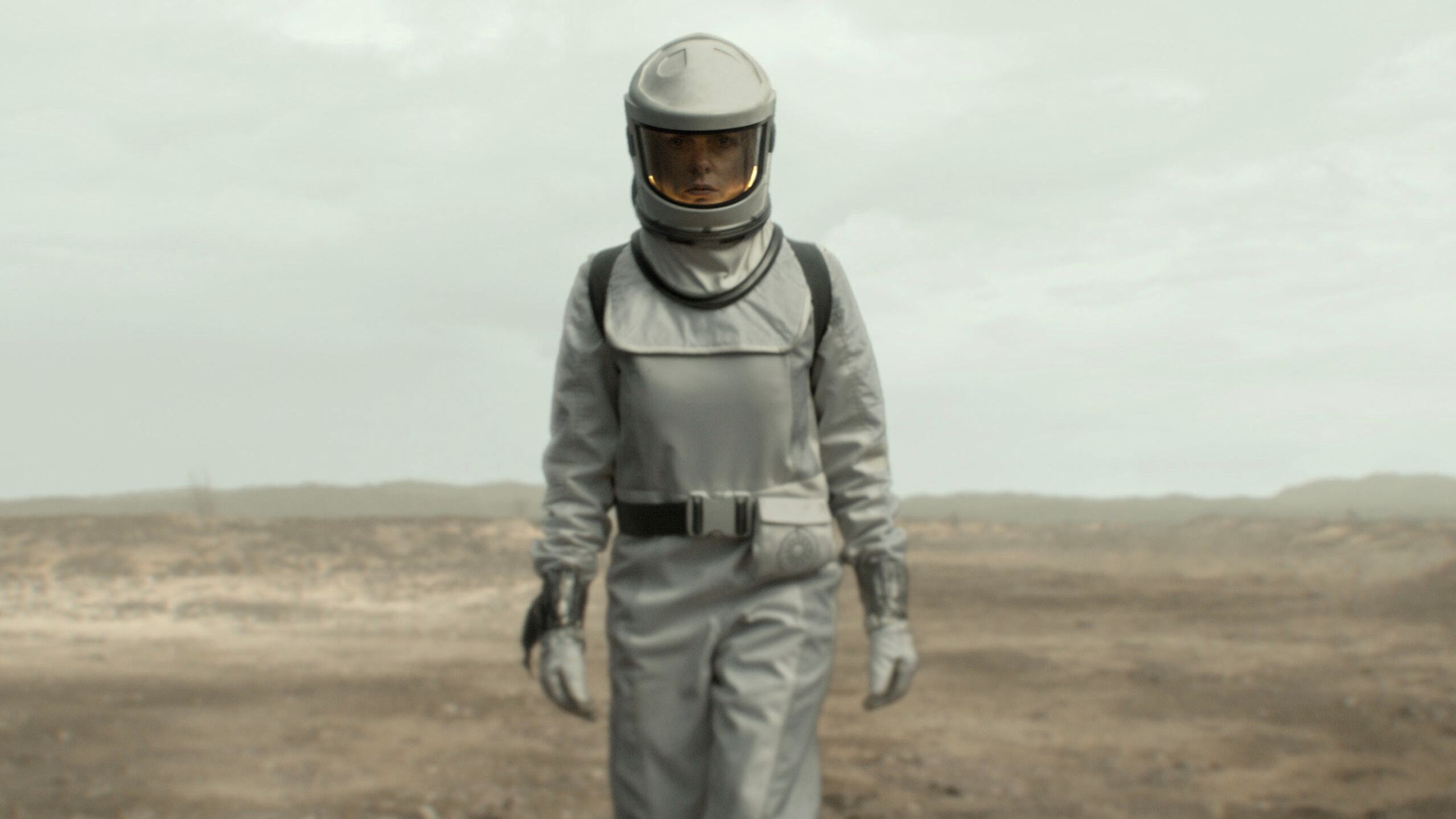
Fans are eagerly awaiting season 3 of Silo, and the lack of a release date is making the wait feel very long. Those who enjoy realistic, character-driven post-apocalyptic science fiction are looking for something similar to watch in the meantime. While there are many shows set in desolate futures, few are as emotionally impactful or well-made as HBO’s Station Eleven, a miniseries that stays with viewers long after it ends.
Everyone agrees that Station Eleven is a fantastic show. It has a 98% rating on Rotten Tomatoes and was nominated for seven Emmy Awards – an unusual achievement for a short-run science fiction series. Year after year, new viewers find it on streaming services and are amazed they didn’t see it when it originally aired on HBO Max in 2021, realizing it’s truly exceptional.
Both Silo and Station Eleven offer unique perspectives on surviving after a disaster, prioritizing the human experience over dramatic effects. Though they have different moods, both stories show a glimmer of hope even as everything falls apart. If you’re eagerly awaiting the next installment of Silo‘s dark underground world, Station Eleven is a perfect complementary watch, taking place in a world above ground.
Station Eleven Is One Of The Best Post-Apocalyptic Shows Of All Time
A Lyrical Character-Driven Survival Story That Turns The End Of The World Into Something Strangely Beautiful

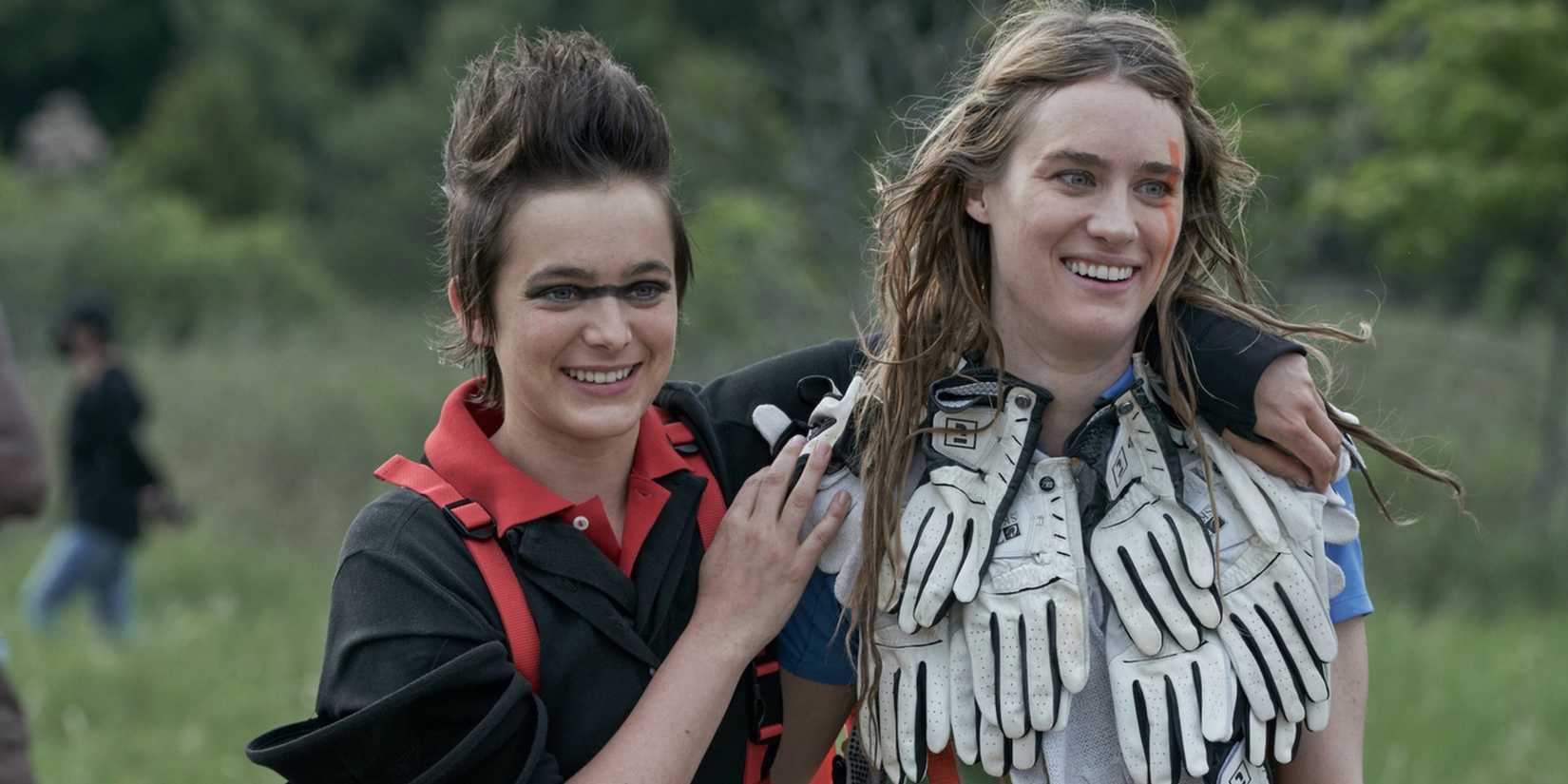
The series Station Eleven is based on the novel of the same name and opens with a devastating flu pandemic that quickly eliminates most of the world’s population. The story jumps forward in time to follow the lives of those who survived, focusing on Kirsten Raymonde (Mackenzie Davis), an actress who travels with a group performing Shakespeare for the small communities that remain.
The story might seem like something you’ve seen before, but the way it’s told is unique. Rather than focusing on violence or fear, the series emphasizes memories, art, and relationships. Ultimately, it’s a story about dealing with loss, finding healing, and the power of hope, all set against the backdrop of an apocalyptic world – but the apocalypse isn’t the central focus.
The way Station Eleven jumps around in time actually makes the story more powerful. Seemingly small decisions have big consequences that ripple through the years. Miranda Carroll, the artist who created the graphic novel featured in the show, connects all the different storylines. Her work shows that stories can survive even when everything else is lost.
The TV series Station Eleven is visually beautiful, but in a subtle way. The show uses soft, almost painterly shots of empty cities, snowy woods, and theaters lit by candles, creating a thoughtful mood instead of a depressing one. Even the villain, the Prophet, is portrayed as a complex character shaped by past trauma, rather than simply being evil.
Above all, Station Eleven shows us that simply staying alive isn’t enough. It explores what gives life meaning after a global catastrophe. The show portrays music, art, and connection with others not just as comforts, but as powerful ways to keep hope alive. It’s a remarkably compassionate and optimistic post-apocalyptic story, and it manages to be both uplifting and deeply moving.
How Station Eleven Compares To Other Post-Apocalyptic Sci-Fi Shows
The HBO Miniseries Trades Cynicism And Shock Value For Intimacy, Art, And Emotional Aftershocks
Many post-apocalyptic TV shows today focus heavily on violence. Shows like The Walking Dead constantly raise the stakes with dangerous situations and fights, and The Last of Us creates a terrifying and grim struggle for survival. While both are well-made, they depict worlds that are consistently harsh, where it’s hard to find hope and people can’t be trusted.
Unlike many post-apocalyptic stories, Station Eleven isn’t primarily about conflict or who lives and dies. It’s more interested in how people create a new world after a disaster, and how they rebuild culture and meaning in their lives. The show highlights the importance of art – like a traveling group performing Shakespeare – showing that survival isn’t just about basic needs, but also about maintaining humanity and beauty.
Unlike the fast-paced action of shows like Fallout or the intense military focus of Snowpiercer, Station Eleven has a more thoughtful and peaceful feel. The show takes its time, focusing on conversations, meals, and walks in nature. It portrays the aftermath of disaster not as constant chaos, but as a shared, personal memory.
This method adds a surprising emotional depth to the miniseries. Even characters with smaller roles in Station Eleven feel complete and important, not just temporary additions. Though we mainly see Arthur Leander (Gael García Bernal) in memories, his past connections powerfully influence everything that happens. It’s rare for any show to blend timelines so beautifully.
What makes Station Eleven stand out is its focus on the human experience, not dramatic thrills. It’s a story about how people cope with loss and still find meaning in art. This timeless quality, free from reliance on plot twists or monsters, is why the show continues to resonate with viewers long after its release.
Is Station Eleven Better Than Silo?
Two Brilliant Shows With Opposite Tones That Excel At Very Different Things
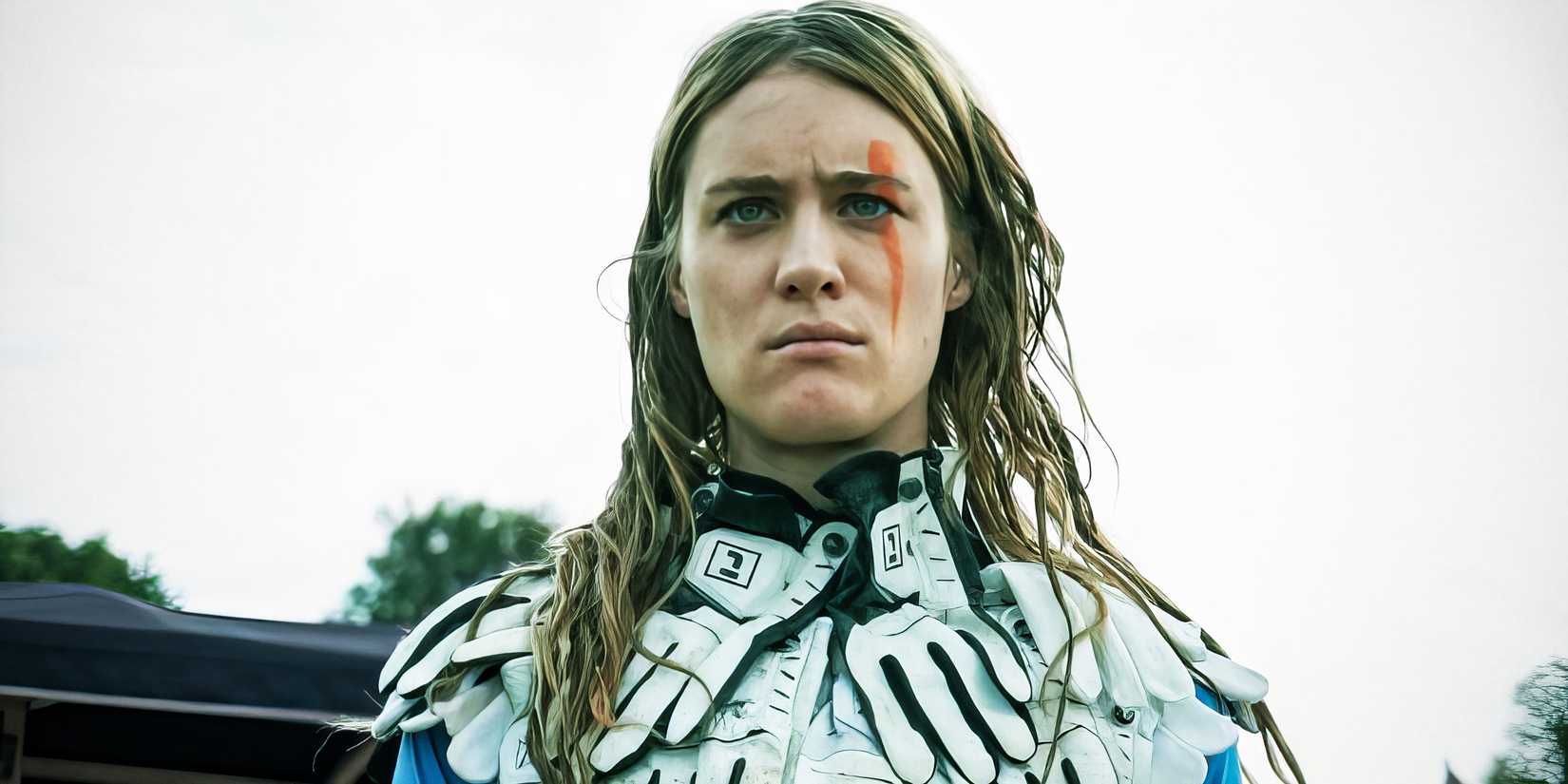
As a film and TV enthusiast, I’ve been thinking about Station Eleven and Silo, and it’s less about which show is better and more about what they’re saying. Both are beautifully made with really compelling characters, but they imagine the end of the world in such different ways. Station Eleven feels like it’s looking for connection and trying to rebuild, while Silo is all about what happens when people focus on control and keep secrets.
Station Eleven is remarkably good at capturing a wide range of emotions. By following multiple characters and jumping between different time periods, the story paints a broad picture of people working to rebuild their lives. The hopeful tone feels realistic and well-deserved. The characters grapple with difficult experiences, create new connections, and find meaning again, making the future seem uncertain but ultimately attainable.
Unlike some shows, Silo builds suspense through mystery and intrigue. The series follows Juliette Nichols (Rebecca Ferguson) as she navigates a confined, underground world. It’s a tightly plotted show with frequent surprising reveals. The setting itself feels suffocating, making every corridor seem like a potential hiding place for secrets and every answer just lead to more questions.
While Station Eleven is a poetic and nostalgic experience, Silo is a thrilling and suspenseful one. Station Eleven provides emotional release, while Silo gets your heart racing. One encourages you to think, the other compels you to find out what happens next. Both shows are captivating, but they appeal to different feelings.
While both Station Eleven and Silo are excellent, Station Eleven works particularly well as a complete, single story. Silo, on the other hand, is a gripping series that keeps you hooked. And for those eagerly awaiting season 3 of Silo, the show isn’t just something to watch in the meantime—it demonstrates how compelling, meaningful, and even breathtaking the science fiction genre can be.
2026-01-29 20:20