Science fiction frequently encourages us to imagine beyond what’s currently possible and explore unusual ideas. It’s true that some sci-fi is so fantastical that viewers might miss the actual science behind it. Often, the most enjoyable sci-fi movies are those that don’t require a lot of deep thought.
Sometimes, a science fiction movie’s ending is so controversial that it sparks years of debate among fans. The films we’re discussing all have endings that are open to interpretation, and people are still talking about them. What makes these movies memorable is how passionately fans analyze every detail and possibility.
The 2016 film centers on Louise Banks, a linguist recruited by the US military. They need her help to understand the language of aliens who have arrived on Earth. These aliens communicate using a unique, circular language and don’t appear to be aggressive. The military hopes Louise can establish communication and prevent any potential conflict.
By the film’s conclusion, Louise realizes the alien language does more than just allow communication—it unlocks a way to experience time as a single, unbroken cycle, letting them see the past, present, and future simultaneously. As she masters the language, the audience understands that what seemed like memories of her daughter were actually glimpses of events yet to come.
The film Arrival highlights the power of language and communication, but its impact goes much deeper. By presenting the story in a non-linear way, it questions our understanding of time, creating a paradox where knowledge of the future influences the present. This raises a significant philosophical question: if the future already affects the present, do we truly have free will?
The 1982 film starring Harrison Ford as Rick Deckard is set in a futuristic and bleak Los Angeles. The story revolves around ‘replicants’ – bioengineered humans created by the Tyrell Corporation. These artificial people were built to perform dangerous work in space colonies, jobs humans wouldn’t take on themselves.
The film Blade Runner centers on Rick Deckard, who is tasked with tracking down a group of rogue replicants who have escaped. From the start, it’s evident that Deckard is reluctant to do the job and doesn’t want to hurt them. The ending of Blade Runner remains a topic of debate among fans, largely because of the numerous different versions of the film that exist, stemming from ongoing and often disputed edits and cuts.
The movie’s conclusion doesn’t offer a definitive answer to a key question: is Rick Deckard himself a replicant? The film intentionally avoids confirming or denying this, leaving it up to the viewer to decide. Director Ridley Scott has hinted that Deckard is a replicant, pointing to various clues within the movie, but the question remains deliberately unanswered.
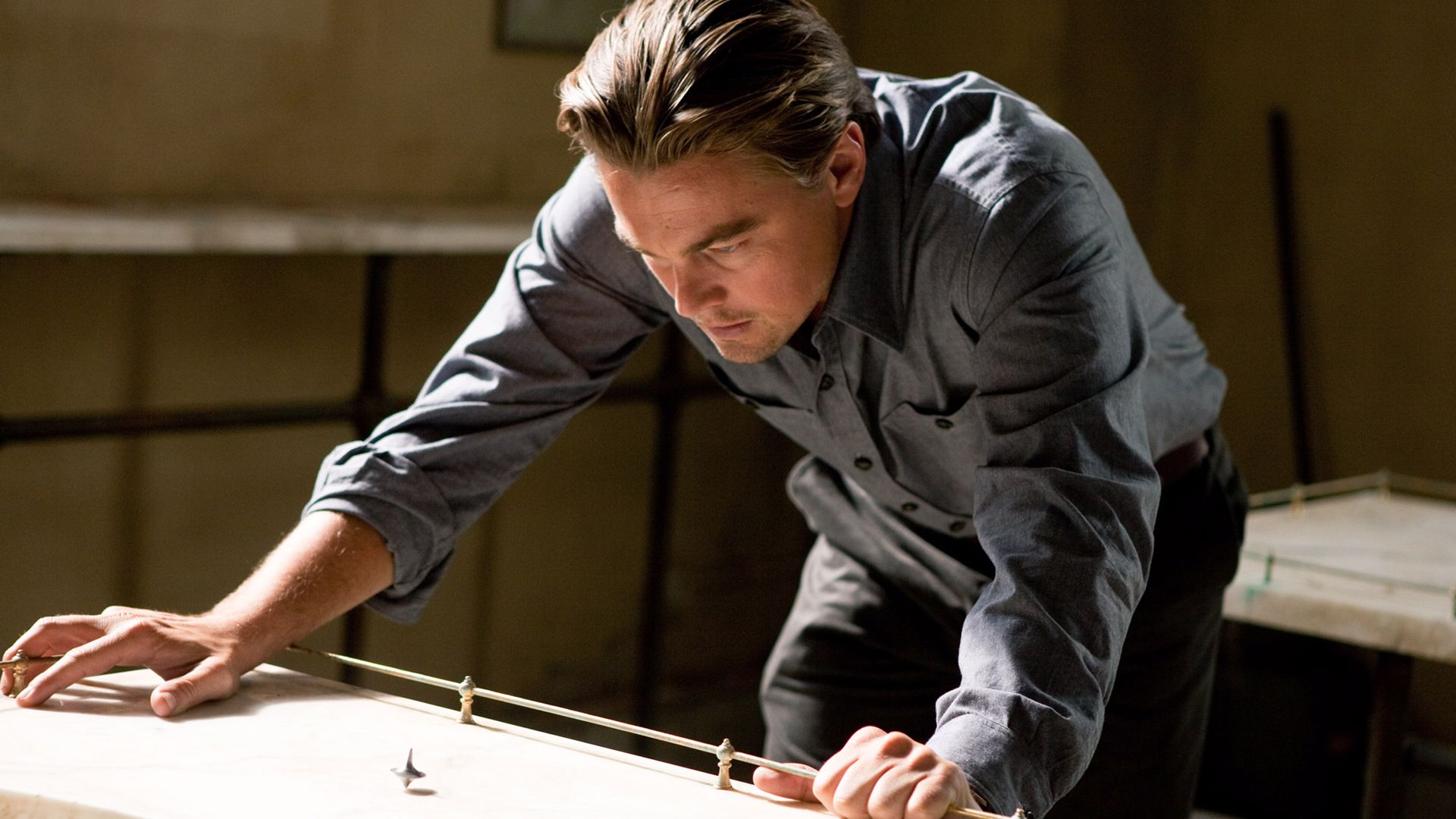
The story centers around a team of skilled thieves who steal secrets not by breaking into buildings, but by entering people’s dreams. They temporarily leave the victim’s body behind while navigating the subconscious. Because it’s so easy to lose track of reality within someone else’s mind, each team member uses a personal object, called a totem, to help them distinguish dreams from reality.
A totem is a deeply personal object, carrying strong emotional meaning for its owner. They know it intimately – its texture, weight, and how it works. When someone is dreaming, a totem will act differently than it does when they’re awake, helping them determine if they’ve woken up or are still in a dream.
In the final scene of the movie, Dom Cobb uses a spinning top—a personal item from his deceased wife—to determine if he’s awake or still dreaming. The top spins forever in a dream, but will fall over if he’s in reality. However, Cobb chooses not to watch the result, deciding to accept his current situation, whether it’s real or not. The movie intentionally leaves the outcome ambiguous, and the audience is never shown what happens either.
Released in 1968, “2001: A Space Odyssey” remains one of Stanley Kubrick’s most famous movies. Nearly 60 years later, it’s still considered a landmark achievement in science fiction, largely due to Kubrick’s dedication to realistic depictions of space travel.
The film is intentionally open to interpretation and doesn’t offer easy answers. Dialogue is minimal, with long silences accompanied by music, allowing the stunning visuals and special effects to take center stage. Kubrick deliberately used unclear themes, which has left many viewers debating the film’s meaning. Some see 2001: A Space Odyssey as a bleak warning about the future, while others view it as an optimistic story about humanity’s potential for survival.
Even now, decades later, people are still trying to figure out what 2001: A Space Odyssey is all about! I’ve seen so many discussions about Dave Bowman’s journey through the Star Gate and what his transformation actually means. Honestly, nobody seems to agree on anything – not even what the monolith is supposed to represent! But I guess that’s part of what makes the movie so amazing and keeps everyone talking about it after all these years.
Released in 1982, this film is a classic of science fiction horror. The story begins with a Norwegian helicopter approaching an American research station in Antarctica, chasing what appears to be a regular dog. When a passenger destroys the helicopter, seemingly attacking the American base, the researchers decide to investigate the abandoned Norwegian camp to find out what happened.
You know, the whole chase scene with the Norwegians wasn’t about attacking the dog team at all! They were actually trying to stop the Americans, to warn them about what they were following – this alien thing that basically takes over other living creatures. It’s terrifying! Once it absorbs something, it can perfectly copy it. We first see it as the dog, but as the movie goes on, it starts taking over the researchers one by one, mimicking them perfectly. It’s a really clever and creepy concept.
Given the situation, the film narrows down to just two survivors: MacReady and Childs. Childs encounters MacReady and explains he became separated from the base during a blizzard. They’re left together amidst the ruins, facing certain death. But the movie deliberately doesn’t reveal if either man is still human, suggesting that one or both might have been taken over by the alien, and implying the creature may not have been defeated.
2026-01-25 01:12