For many, television provides a comforting escape, and science fiction is a popular choice. From established franchises like Star Trek, Star Wars, and Doctor Who, to newer hits such as Stranger Things and Westworld, the genre offers a wide variety of stories. While sci-fi is great for escaping reality, it often challenges everything viewers think they know about a show.
Here’s a look at five episodes from different sci-fi shows that dramatically changed everything that followed. These episodes had a huge impact, for better or worse, and either significantly altered the show’s main storyline or were particularly well-received compared to other installments.
“Hush” was an Experimental Buffy Episode that Paid Off
Many consider Buffy the Vampire Slayer (1997-2003) to be one of the greatest and most innovative science fiction shows ever made, especially within the sci-fi horror genre. The show, which centers around a female protagonist, was incredibly popular, and fans have long hoped for a revival – which is now happening.
The episode “Hush” from Season 4 is often considered a standout of the series. Many viewers call it one of the best and most frightening episodes in science fiction. What makes it so memorable is its unusual filming style: the characters barely speak, creating a deeply unsettling and silent atmosphere throughout the entire 44 minutes.
This episode features a terrifying premise: everyone in town loses their voice, and Buffy must find a way to restore it. The eerie silence creates a chilling atmosphere, reminiscent of classic sci-fi horror films like Alien (1979). “Hush” was particularly acclaimed, becoming the only episode of Buffy the Vampire Slayer to be nominated for an Emmy Award, and it significantly elevated the show’s quality and storytelling.
“San Junipero” was a Surprising Deviation from Black Mirror’s Normal Formula
This sci-fi series, which began in 2011, is strongly influenced by The Twilight Zone. It typically presents stories that blend science fiction with believable technology and horror elements, creating unsettling and thought-provoking tales about the potential risks of technology and over-dependence on it. The episode “San Junipero” from Season 3 was notable for being one of the first to offer a hopeful, rather than frightening or depressing, conclusion.
The “San Junipero” episode features people who can upload their minds into a virtual world, allowing them to continue living after death. Within this simulation, a shy woman named Yorkie falls for a free-spirited woman named Kelly. The story follows their developing relationship and how Yorkie finds the courage to be herself, ultimately choosing a different path than the one she had planned with her fiancé.
This episode explores big ideas like love, accepting yourself, what it means to be alive, and how love can help us overcome difficult times. “San Junipero” remains one of the few genuinely happy endings in the entire Black Mirror series, and it showed the show could offer more than just dark and unsettling stories.
“The Piggyback” Shattered Hawkins & the Cast of Stranger Things
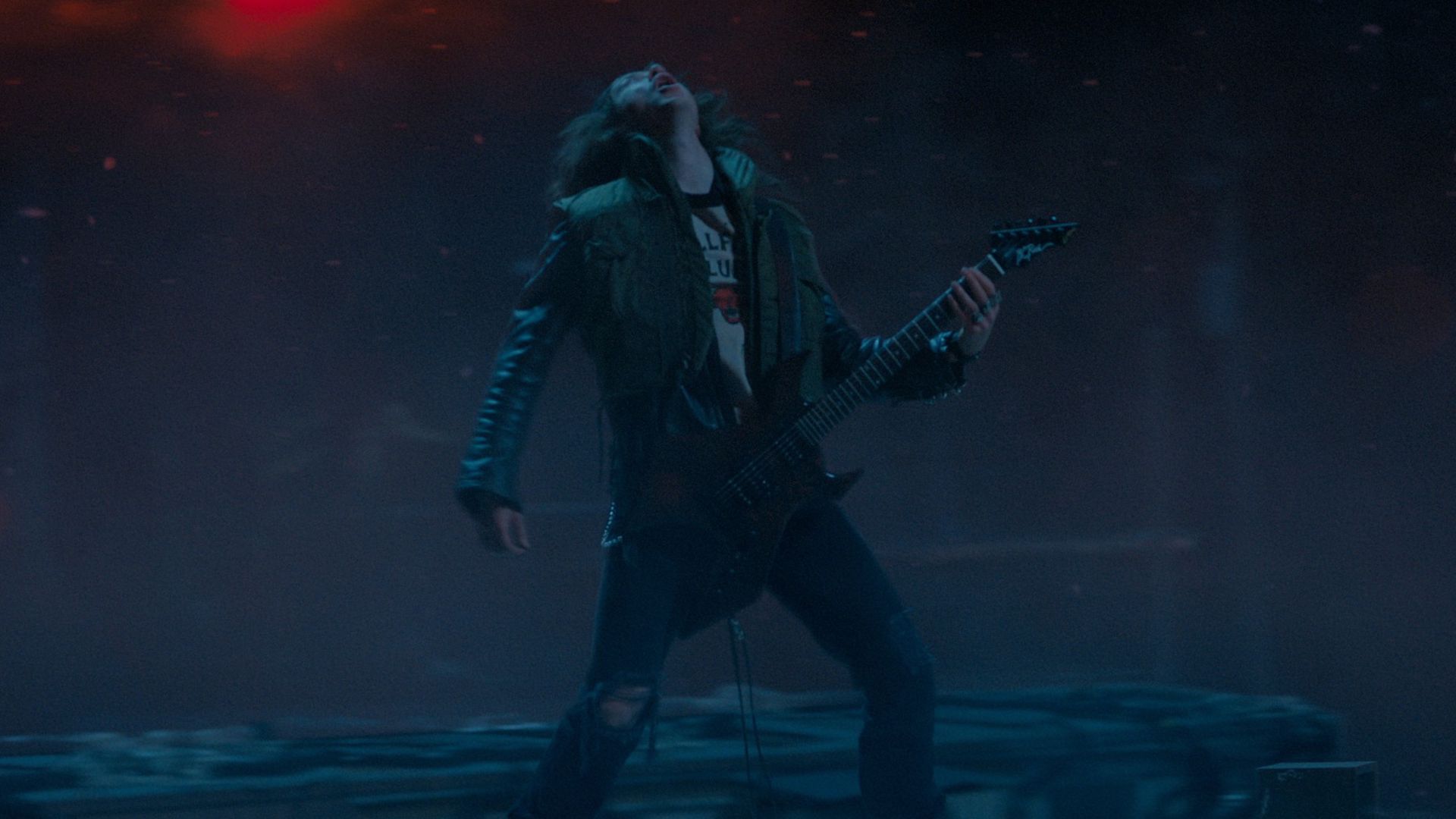
When Season 4 of Stranger Things came out, it was the most expansive and complex season of the show so far (2016-2025). While some fans even think it was better than the final season, the episode “The Piggyback” truly marked a turning point for the series. At 2 hours and 22 minutes long, it’s the longest episode of Stranger Things and is filled with a lot of action and story development.
Wow, the Season 4 finale of Stranger Things really hit hard, and a lot of that came down to Eddie Munson. They didn’t bring him in as just some throwaway character; from the moment we met him, he was fully integrated into the group, much like Robin was for Steve in Season 3. So when he made that ultimate sacrifice in “The Piggyback,” it genuinely shocked me – and I think a lot of viewers. It was the first time the show actually killed off someone who was truly a central character, and it really landed with emotional weight.
This episode featured a terrifying near-death experience for Max Mayfield, which allowed Vecna to achieve his goal of opening four gateways around Hawkins. Combined with Eddie’s death and Max’s uncertain future, viewers felt the show was raising the stakes and demonstrating that no character was safe. Vecna’s actions also physically tore Hawkins apart, and in that moment, it seemed like he had completely won, leaving the town doomed.
“The Bicameral Mind” Finally Made Sense of Westworld’s First Season
This sci-fi series, which ran from 2016 to 2022, became known for taking a strange turn after its initial season. However, the first season is still widely considered a standout in sci-fi television, and both fans and critics have consistently praised it. It’s unfortunate that most viewers feel the show lost its way after the first season, as it originally showed so much promise.
The first season of Westworld concludes with Episode 10, “The Bicameral Mind,” an episode widely considered a turning point for the series. It famously reveals William’s true identity as The Man in Black and centers on Dolores’s journey towards self-determination. Many viewers consider it one of the most thought-provoking science fiction episodes ever created.
“The Bicameral Mind” wasn’t just a surprising episode; it was a turning point for the entire series. It’s when the complex timeline of Westworld finally clicked into place and laid the groundwork for everything that followed. Even though later episodes didn’t quite reach the same heights, this one remains a standout and is still considered one of the best of the show.
“Through the Looking Glass” is a Shocking Two-Parter that Changed Lost Forever
This sci-fi series is widely considered one of the most impactful ever made. While the finale wasn’t perfect and upset some viewers, that hasn’t diminished its legacy – many popular shows like Game of Thrones and Supernatural also faced criticism. Though Lost has many fantastic episodes, “Through the Looking Glass, Parts 1 & 2” from Season 3 stands out as particularly memorable and pivotal.
The episode “Through the Looking Glass” marked the first time Lost used flash-forwards. Viewers saw a glimpse of Jack in the future, after he’d left the island, which revealed that escaping wouldn’t solve everything for the Oceanic 6. The show demonstrated that each character’s struggles went far beyond just being stranded, and wouldn’t disappear simply by leaving the island.
The two-part finale ends with a huge shock: it hints that the characters’ escape from the island wasn’t real. The six survivors discover this thanks to a truly amazing plot twist, and realize they must return. This finale brilliantly sets the stage for Season 4, which features another standout episode, “The Constant.”
2026-01-15 03:10