With Netflix potentially buying a major Hollywood studio, movie theaters are growing concerned – and rightfully so. While Netflix says it will still release some films in theaters, reports suggest that the time these Warner Bros. films stay in theaters could be as little as 17 days.
The difference between what Netflix says and what’s actually happening is quickly becoming the main point of contention in the discussion about when Netflix movies play in theaters.

Sources say Netflix is thinking about showing Warner Bros. movies in theaters for a little more than two weeks before making them available to stream. This would be a big change from the usual 45-day period theaters currently require before a film moves to streaming, which they believe is the least amount of time needed to stay in business.
Netflix Says “Industry-Standard” — Hollywood Wants Definitions
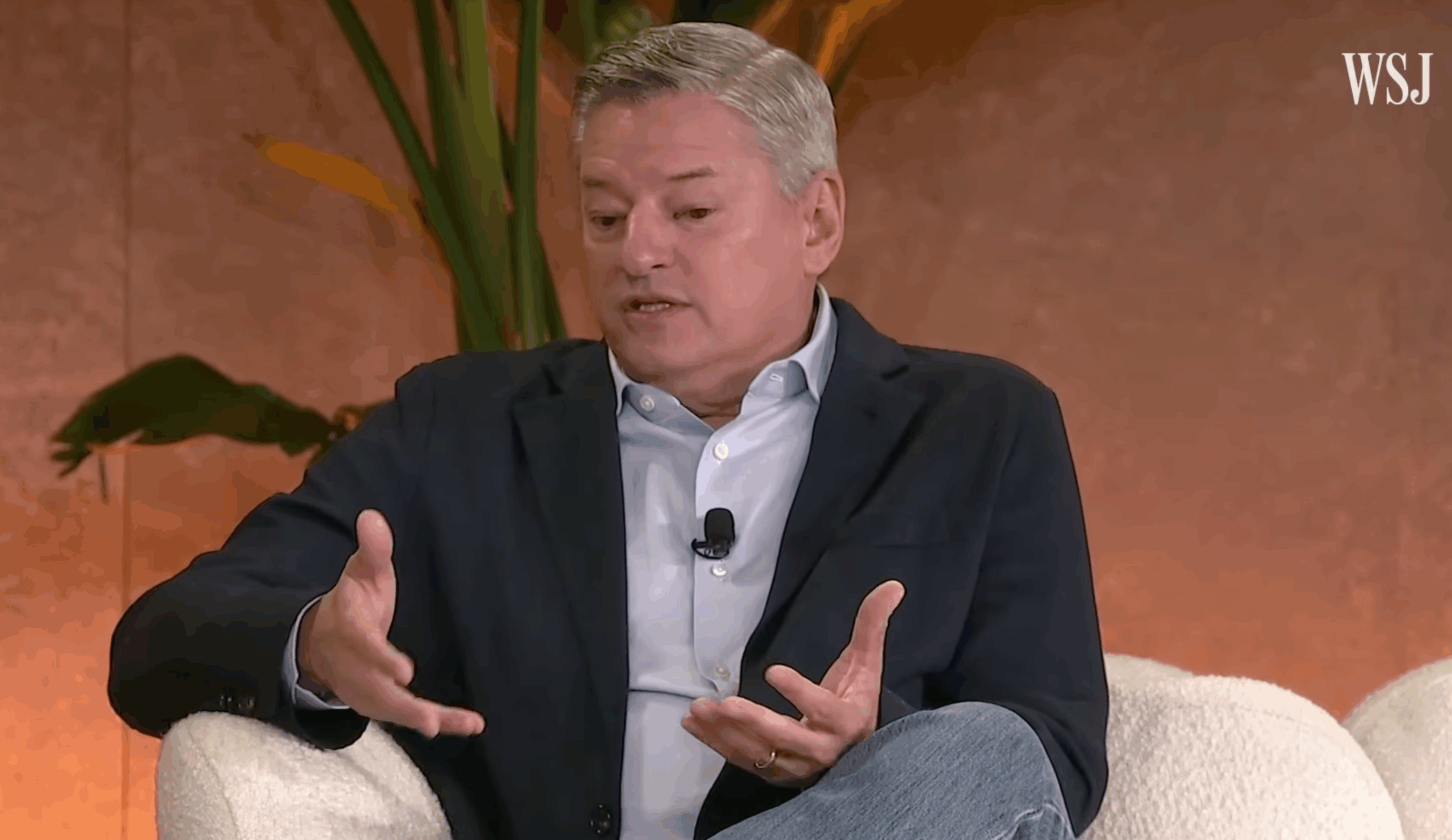
Netflix’s Ted Sarandos, one of the company’s top leaders, has been trying to reassure people that Netflix still plans to release some movies in theaters.
We’ve heard a lot of discussion about how we release movies in theaters, and we want to be clear about our plans,” he stated. “We are fully dedicated to releasing Warner Bros. films in cinemas with the typical release timeframe.
That sounds good in theory, but it actually brings up a key question: what does Netflix consider to be “industry-standard?”
Movie theater companies consistently say that films need around 45 days in theaters to be profitable. Chains like AMC Theatres explain that things like concession sales, building an audience over time, and positive word-of-mouth all require this time – they can’t happen if a movie quickly moves to streaming.
A 17-day window doesn’t test theatrical waters. It steamrolls them.
The Stranger Things Test Case Isn’t the Olive Branch It Looks Like
Some people argue that Netflix’s recent decision to release the final episodes of Stranger Things in movie theaters shows they’re committed to supporting cinemas. However, those familiar with the company say it was less about a change in strategy and more of a test – aimed at getting publicity rather than truly helping theaters.
The difference matters.

Releasing a few films with a lot of buzz isn’t the same as consistently showing movies in theaters. If Warner Bros. films quickly end up on streaming services – within three weeks – then movie theaters are reduced to simply being expensive advertisements for platforms like Netflix, helping boost their viewership at home.
This isn’t the collaboration many people expected. If the reports are accurate, it feels like a simple attempt to profit from theater fans.
The Real Stakes: Warner Bros, Zaslav, and the Endgame
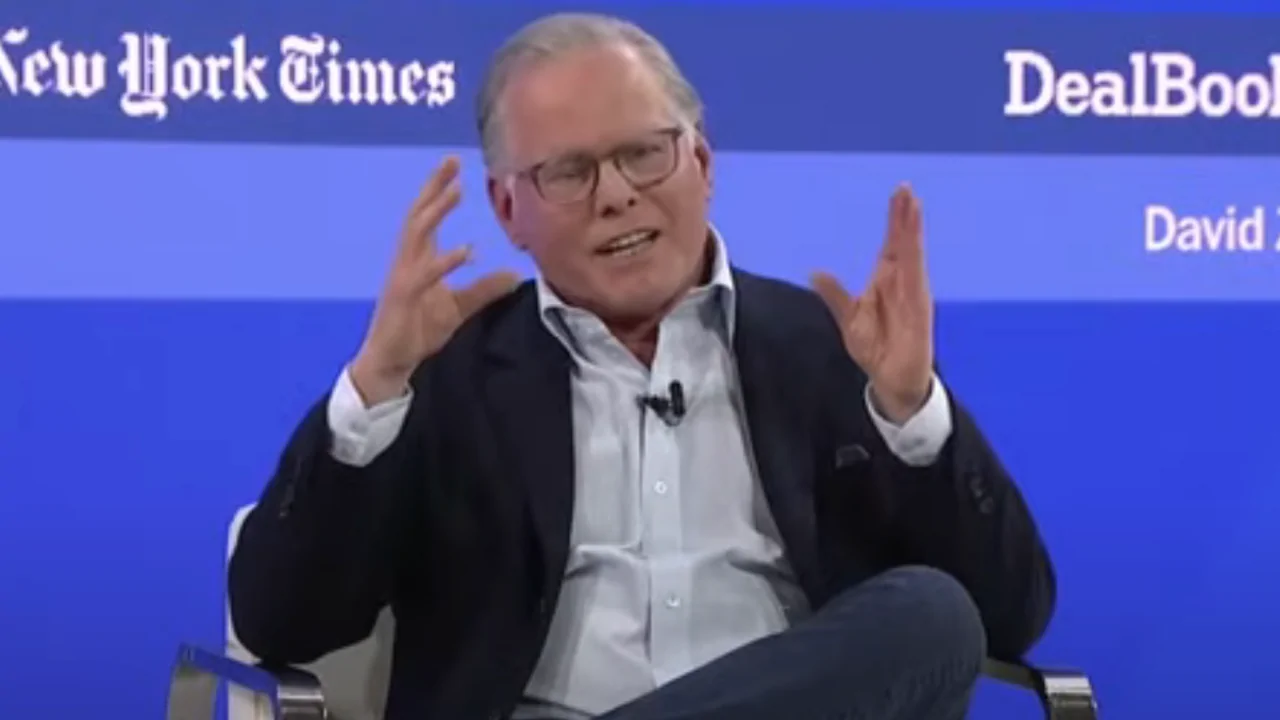
Although Netflix frequently receives criticism, many people in the entertainment industry think the real issue is with Warner Bros.’s management, especially CEO David Zaslav.
David Zaslav could gain a lot financially if a deal with Netflix goes through. However, many believe his leadership has diminished the importance of going to movie theaters. Under his direction at Warner Bros Discovery, the company has focused on reducing costs, even canceling finished movies and seemingly treating movie theaters as unimportant.
Looking at it this way, the current 17-day period for movies in theaters isn’t just a random choice – it’s the natural result of a plan that prioritizes streaming and sees theaters as something that will eventually suffer as a consequence.
Okay, let’s be real: Netflix isn’t just trying to be a streaming service, they’re aiming to become how everyone watches movies. They clearly see traditional movie theaters as an obstacle, and honestly, it feels like they’re actively working to make them a thing of the past. They’re not interested in coexisting; they want streaming to be the only game in town, and theaters to eventually fade away. It’s a bold strategy, and a pretty clear signal about where they think the future of film is headed.
Why the Netflix Theatrical Window Debate Matters Right Now
This conflict goes beyond just a disagreement between movie studios and theaters. It’s a crucial moment that will determine if movies remain shared experiences we enjoy together, or simply become content delivered to us based on what algorithms think we’ll like.
Allowing films to play in theaters for a reasonable amount of time – a ‘theatrical window’ – is important. It lets audiences find and connect with movies, and allows for cultural discussion to build around them. A very short window of just 17 days doesn’t allow for any of that, and it undervalues the vital role cinemas play in the film industry.
Look, Netflix says it supports movie theaters, and that’s great. But honestly, I’m not buying it until they show it. They need to give us concrete plans with actual dates, not just keep talking about how much they care. Until then, I’m staying skeptical – and I think a lot of other movie fans are too.
2026-01-03 17:57