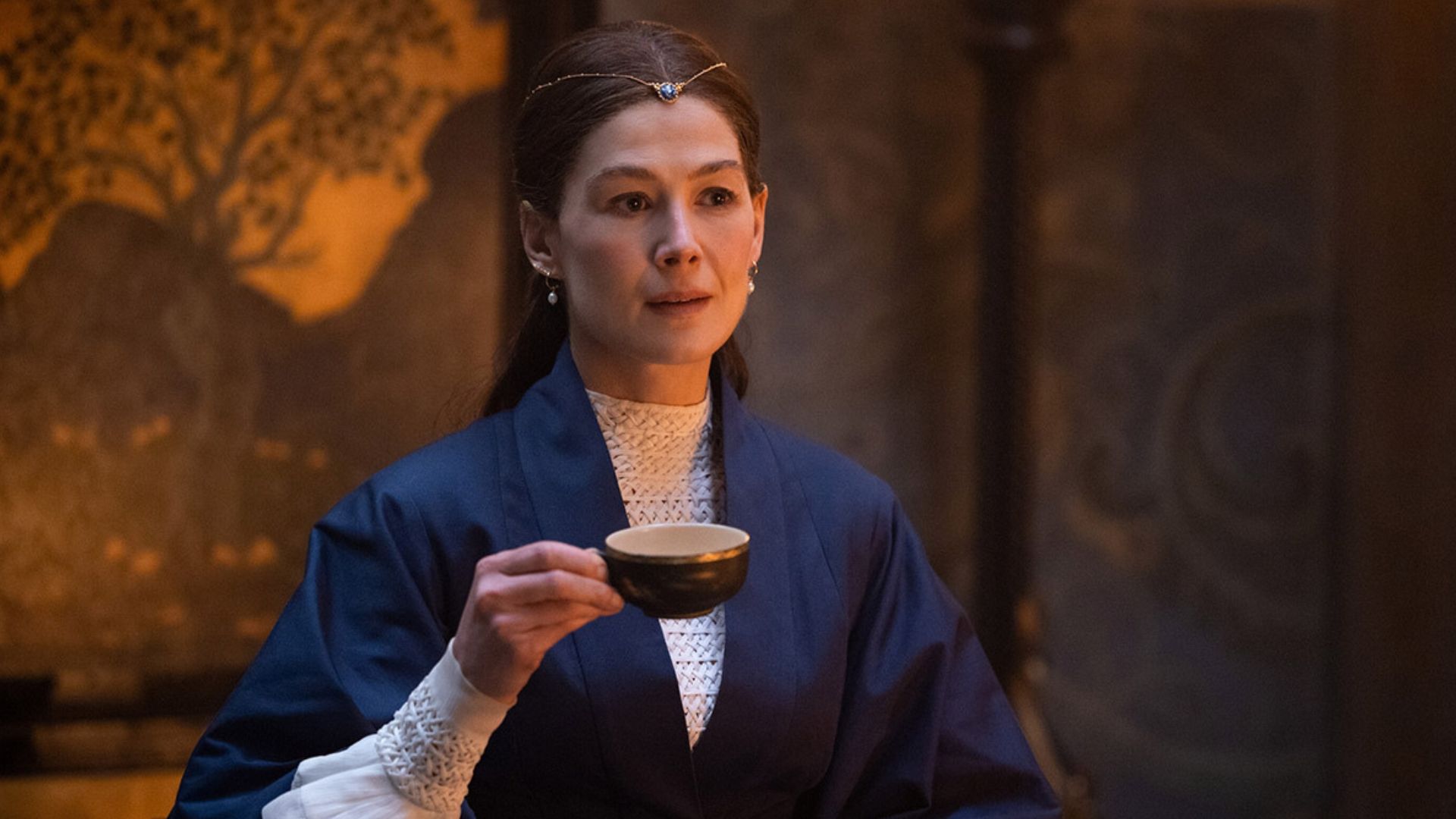
The third season of Prime Video’s The Wheel of Time ended with a somewhat disappointing finale. Though the show gained more viewers over time, the reaction was generally underwhelming. Many fans of the original novels by Robert Jordan and Brandon Sanderson felt the series didn’t quite live up to the depth, detail, and spirit of the books.
The show’s performance is particularly noteworthy considering Amazon’s high hopes for it. The Wheel of Time was intended to be a major fantasy series, but problems with its speed, changing moods, and controversial choices held it back. Even when the show was at its best, it constantly faced comparisons to the source material and the expectations that came with adapting a beloved book series.
While The Wheel of Time gets a lot of attention, it’s not the only fantasy success Prime Video has had. Honestly, some of their animated series have been incredible! The Legend of Vox Machina and The Mighty Nein really prove that when you truly understand and respect the original stories, both critics and fans will love what you create.
The various shows based on Critical Role have achieved what Amazon’s The Wheel of Time aimed for but didn’t quite reach. Looking ahead to future fantasy series, the difference between these shows highlights a key takeaway: when Amazon successfully adapts a property, like with the Critical Role shows, the results are clear. Conversely, The Wheel of Time demonstrates what happens when an adaptation falls short.
Prime Video Has Brought Critical Role To The Screen
A Passion-Driven Adaptation Turned A Niche Phenomenon Into A Streaming Success
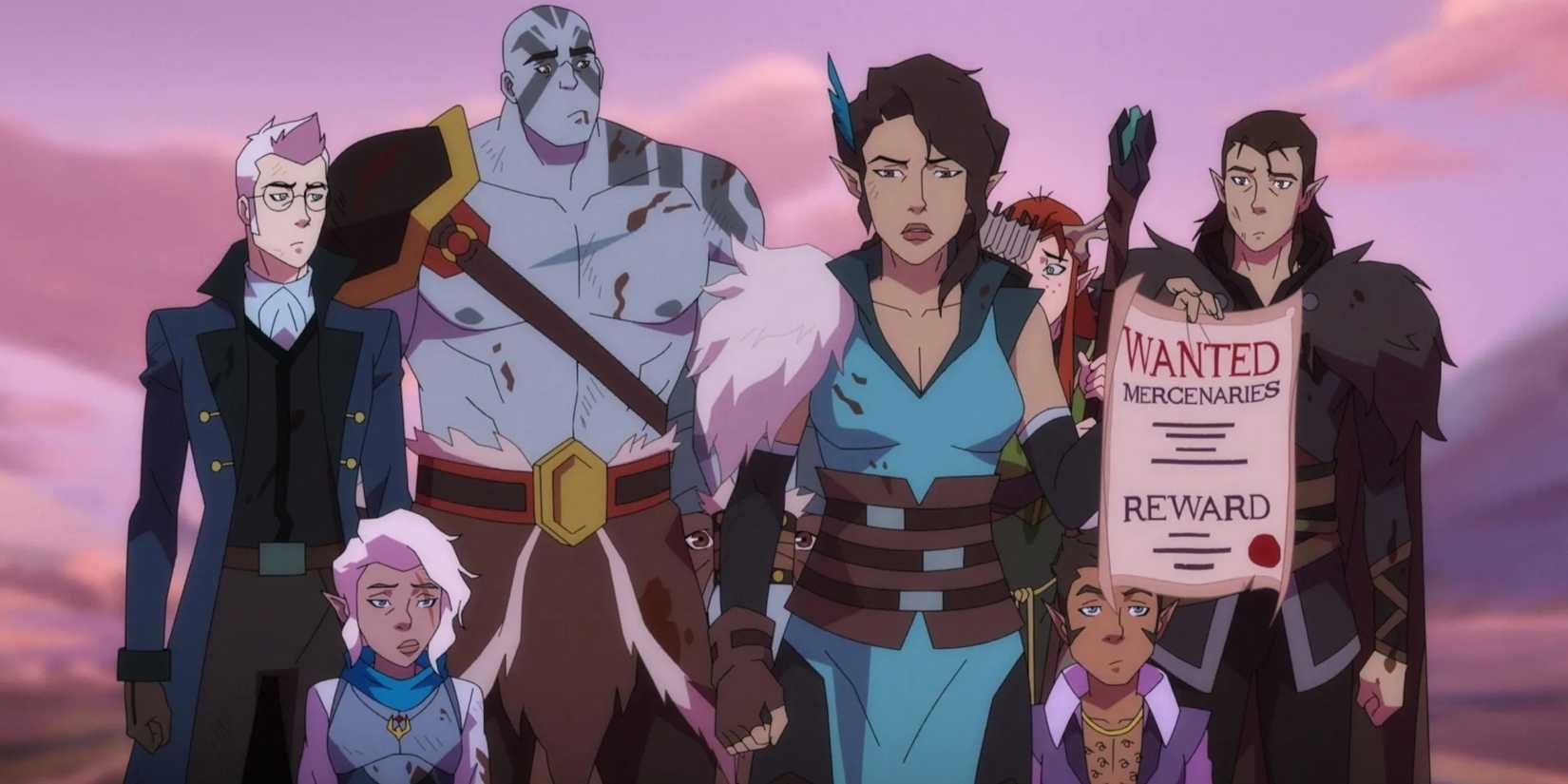
Critical Role started as a live online Dungeons & Dragons game run by voice actor Matthew Mercer. It quickly became popular thanks to its cast of professional voice actors who played characters in detailed, ongoing stories focused on character development.
Critical Role stood out because of how deeply the players connected with their characters and the story. The campaigns focused on character development, the impact of choices, and a satisfying, unfolding narrative. Over time, groups like Vox Machina and the Mighty Nein became complex, well-developed characters—not just the people playing the game—and gained a huge fanbase that extended far beyond traditional tabletop gaming.
Prime Video’s animated series, The Legend of Vox Machina, successfully built upon the original story. It took the campaign’s events and crafted them into a focused storyline, all while staying true to the beloved characters. Vax’ildan, Vex’ahlia, Percy de Rolo, and Pike Trickfoot all felt natural as they moved into a serialized television format.
Building on its initial success, Prime Video continued the franchise in 2025 with The Mighty Nein, based on Critical Role’s second campaign. This series focused on characters like Caleb Widogast (played by Liam O’Brien) and Jester Lavorre (played by Laura Bailey), and explored even more nuanced and complicated moral themes. Now that the first season has finished, it’s proven that Critical Role can create a lasting fantasy series – something The Wheel of Time had the potential to do, but ultimately didn’t.
Why Prime Video’s Critical Role Shows Work Better Than The Wheel Of Time
Fidelity, Focus, And Creative Confidence Make All The Difference
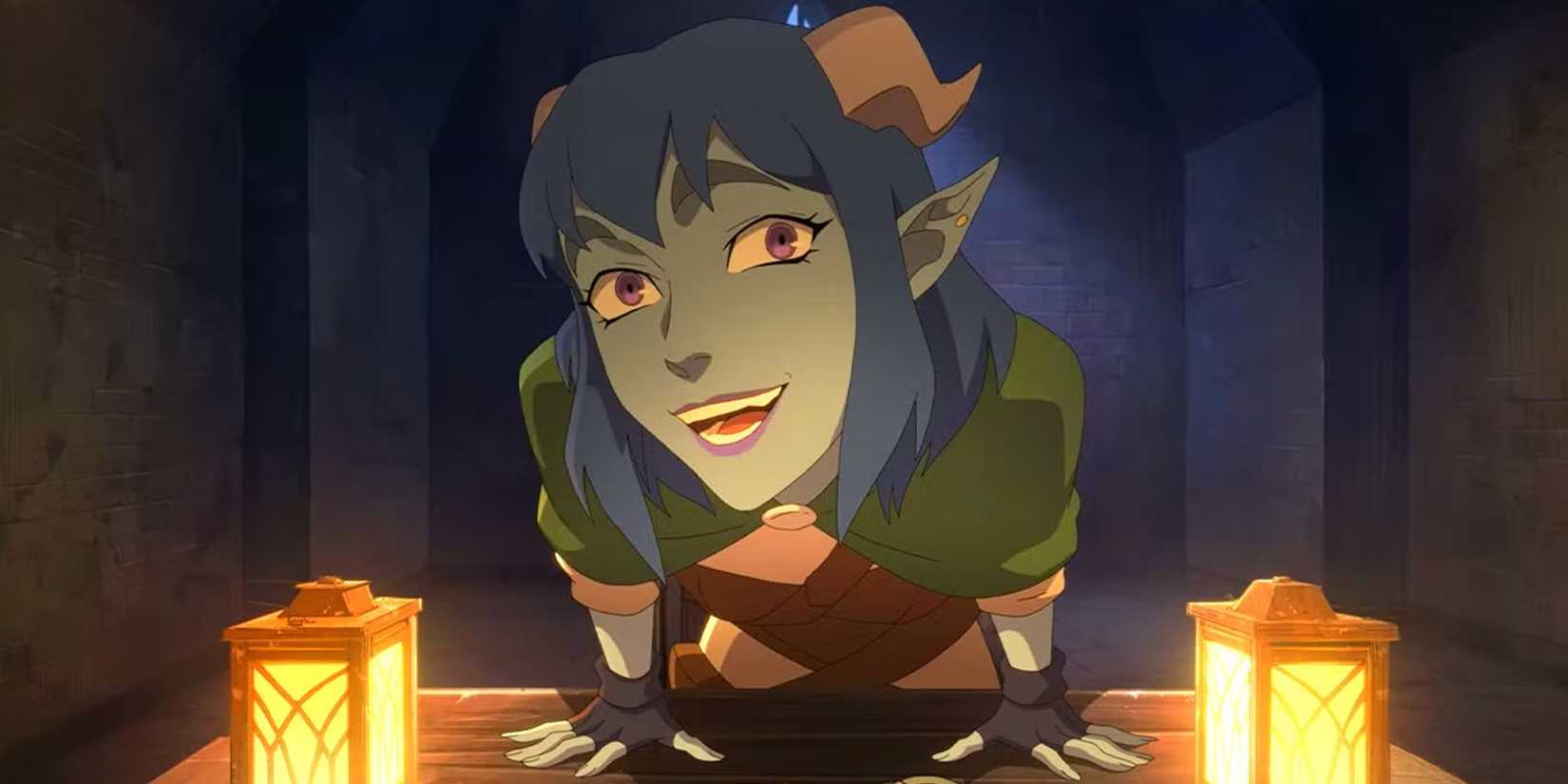
As a critic, one of the first things that struck me when comparing The Legend of Vox Machina, The Mighty Nein, and The Wheel of Time is how clearly defined the Critical Role adaptations are. They just know what kind of story they’re trying to tell. This translates into a consistent tone, a well-managed pace, and a clear focus on what matters most with the characters. It builds a real sense of trust – you always know what you’re getting with each episode, and that’s a huge strength.
The Wheel of Time series sometimes had trouble finding its footing. It would switch between closely following the books and making big changes, even within the same story. While characters like Moiraine Damodred (Rosamund Pike) were interesting, the show’s focus often wandered, weakening the important storylines from the novels.
Unlike some other adaptations, Prime Video’s Critical Role series proudly maintain the spirit of their tabletop roots. Vox Machina captures the original’s mix of raunchy comedy, heartfelt moments, and unexpected turns, all while telling a clear story. The Mighty Nein goes even deeper, exploring difficult themes like trauma and identity with nuance and without excessive explanation.
A major advantage of the Critical Role adaptations is that the original voice actors reprise their characters. This helps maintain the genuine emotional impact that fans loved in the original campaigns, ensuring those powerful moments still feel meaningful on screen. In contrast, even with good acting, shows like The Wheel of Time sometimes struggle to capture the true essence of their book characters.
Critical Role succeeds because it focuses on smaller, detailed stories within a larger world, rather than trying to show everything all at once. Unlike The Wheel of Time, which attempted to cram a huge amount of backstory into a short time, campaigns like Vox Machina and The Mighty Nein grow naturally, allowing the world to develop at its own pace.
Animation Might The Best Medium For Fantasy Adaptations
Complex Worlds Often Thrive More Easily Outside Live-Action Constraints

Looking at how Prime Video adapted The Wheel of Time alongside the Critical Role animated series raises a thought: animation might actually be a better way to tell fantasy stories. Bringing large-scale fantasy worlds, complex magic, and fantastical creatures to life in live-action often requires making significant changes and compromises.
Shows such as Amazon’s The Rings of Power and Netflix’s The Witcher highlight a common issue: even with huge budgets, it’s hard to create both visually impressive and well-told stories. Trying to make everything look realistic sometimes prevented these shows from fully embracing the magic and imagination at the heart of their worlds, making them feel a bit forced or limited.
Animation overcomes many of the challenges of bringing fantasy to life. Shows like The Legend of Vox Machina fully realize worlds with dragons, gods, and powerful magic. The Mighty Nein naturally portrays psychic abilities and bizarre dream worlds alongside quiet, personal scenes. Because of this, animation makes fantasy feel limitless instead of restricted.
Although Game of Thrones showed that live-action fantasy can be popular, it’s still rare for these shows to succeed, and The Wheel of Time recently faced the same challenges. As fantasy stories become more intricate, animation provides more freedom, reliability, and artistic boldness. The adaptations of Critical Role on Prime Video hint that we might see more epic fantasy stories told through animation rather than live-action filming.
2025-12-31 17:00