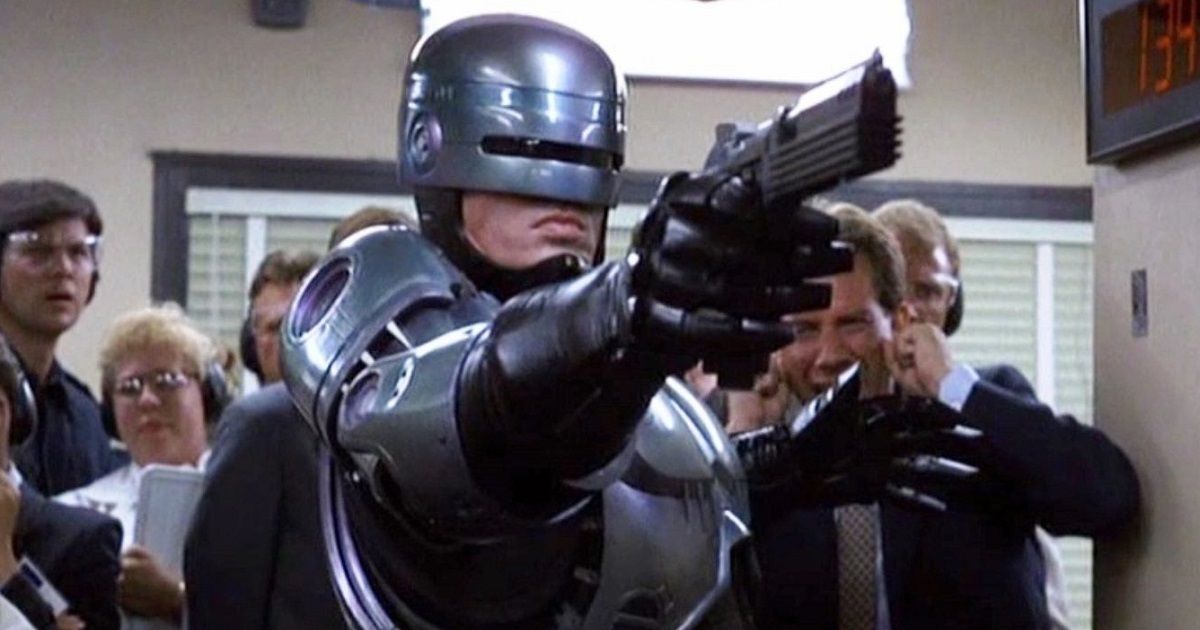
During the 1980s, filmmaker Steven Spielberg advised the Motion Picture Association of America to refine its film rating system. They added more categories to help parents, aiming to lessen disagreements about censorship. This led to a more flexible system where filmmakers tried to achieve the lowest possible rating, as that usually meant a larger audience and better ticket sales. This struggle over ratings has been happening for decades, dating back to the pre-Code era when an X-rating could effectively kill a film’s chances of being shown in theaters if censors disapproved.
Despite the restrictions, some adult films gained critical acclaim, like Midnight Cowboy, which surprisingly won Best Picture at the 1970 Oscars. Censorship could be triggered by many things – swearing, how often it happened, sexual content, and even potentially offensive statements about religion or topics that could encourage violence. Interestingly, American films often showed more physical violence and gore than other content, as popular genres like crime dramas, horror, and war films typically received an R rating. However, movie ratings weren’t consistent internationally, and some films on this list demonstrate different censorship standards around the world.
‘Blue is the Warmest Color’ (2013)
Wild Bunch
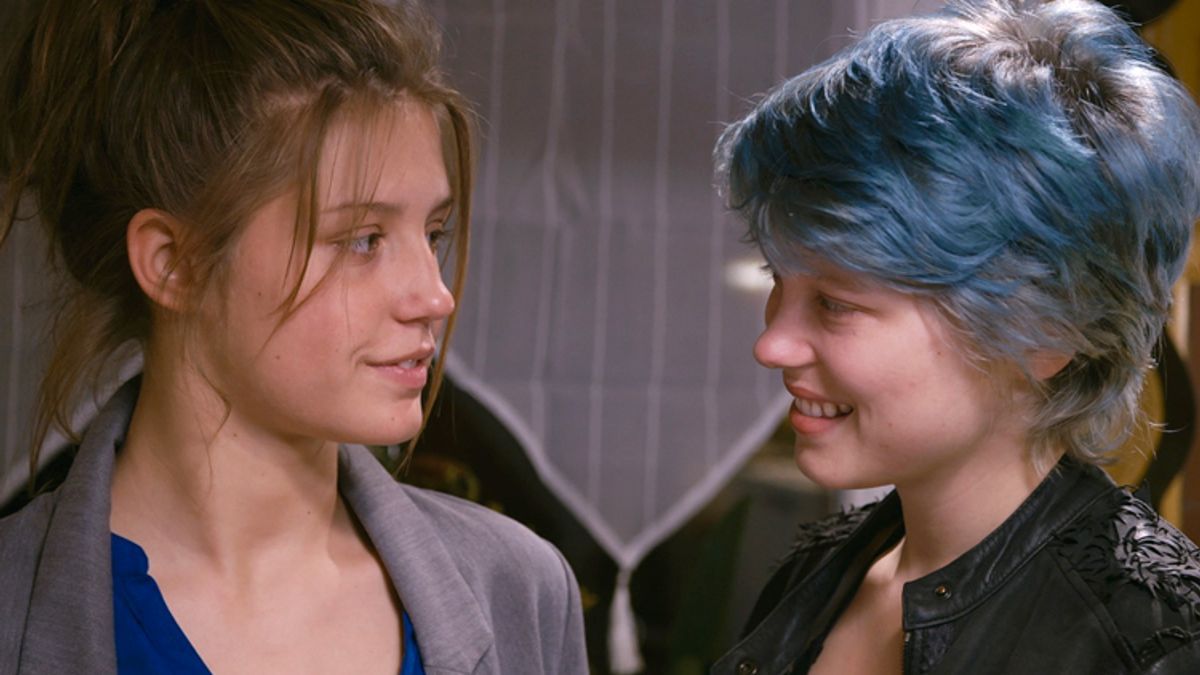
The French film Blue is the Warmest Color (originally titled La vie d’Adele) faced controversy in the United States due to its explicit sexual content involving a same-sex relationship. Despite winning the top prize at the Cannes Film Festival, it received an NC-17 rating, highlighting American sensitivities around such depictions.
Léa Seydoux had appeared in American movies like Mission Impossible: Ghost Protocol and Midnight in Paris before, but it was a very explicit love scene with Adèle Exarchopoulos that caused problems with American censors. Despite this, critics widely praised the film, often noting that cinema is uniquely capable of exploring the nuances of human sexuality.
‘The King’s Speech’ (2010)
Paramount Pictures
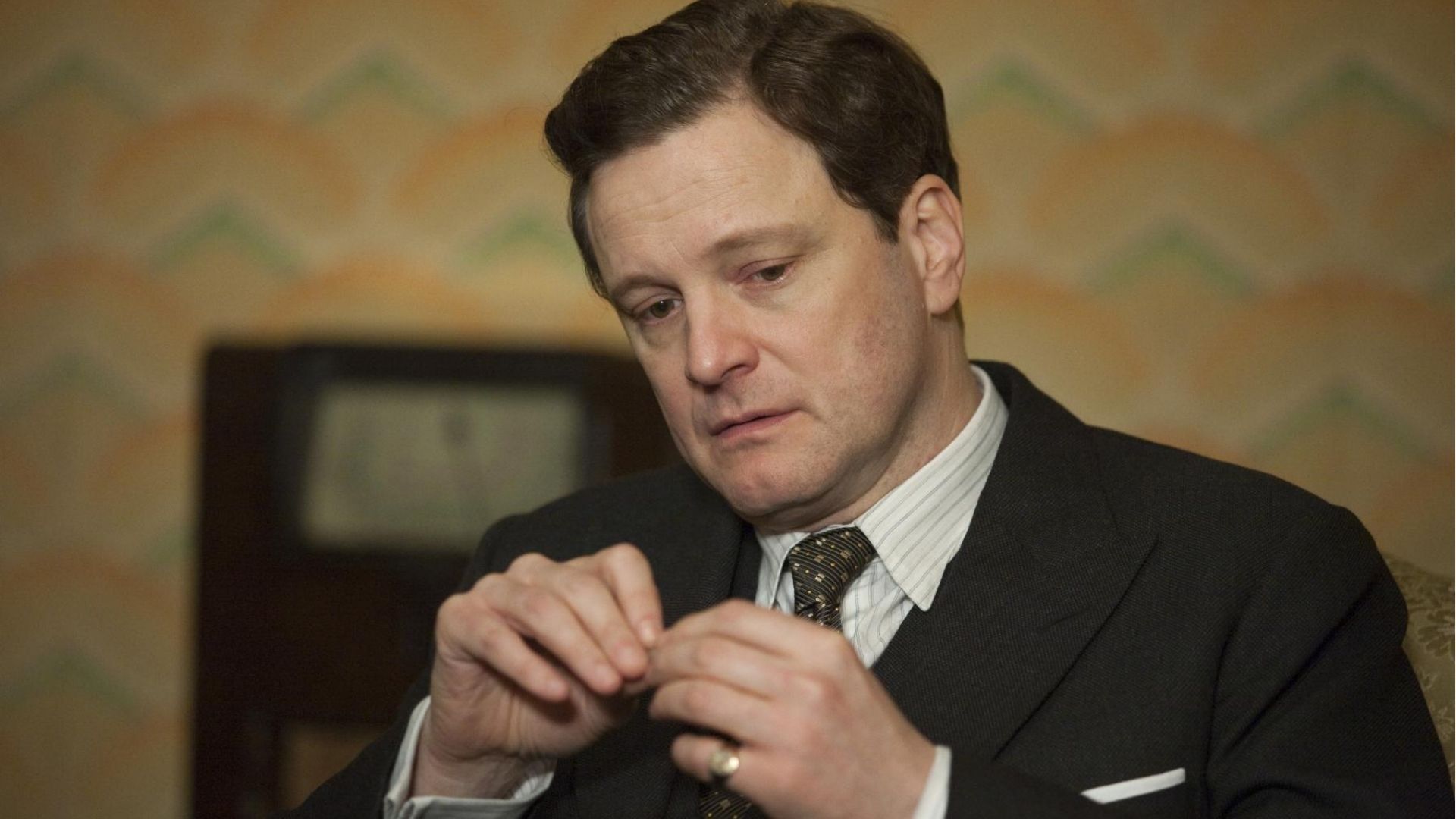
The use of the word ‘fuck’ has historically caused issues for the Motion Picture Association of America (MPAA), leading to a rule that allows only one instance of it in a PG-13 rated film. This posed a challenge for the film The King’s Speech. After winning Best Picture, the studio, The Weinstein Company, made the decision to edit the film for wider release, removing a scene where the Duke of York angrily uses the word while struggling with his stutter.
A key scene in the movie shows Colin Firth’s character breaking through his stutter by becoming enraged and briefly using a lot of curse words. The film also suggests that financial considerations can be just as influential in censorship as the actual content itself.
‘The Exorcist’ (1973)
Warner Bros.
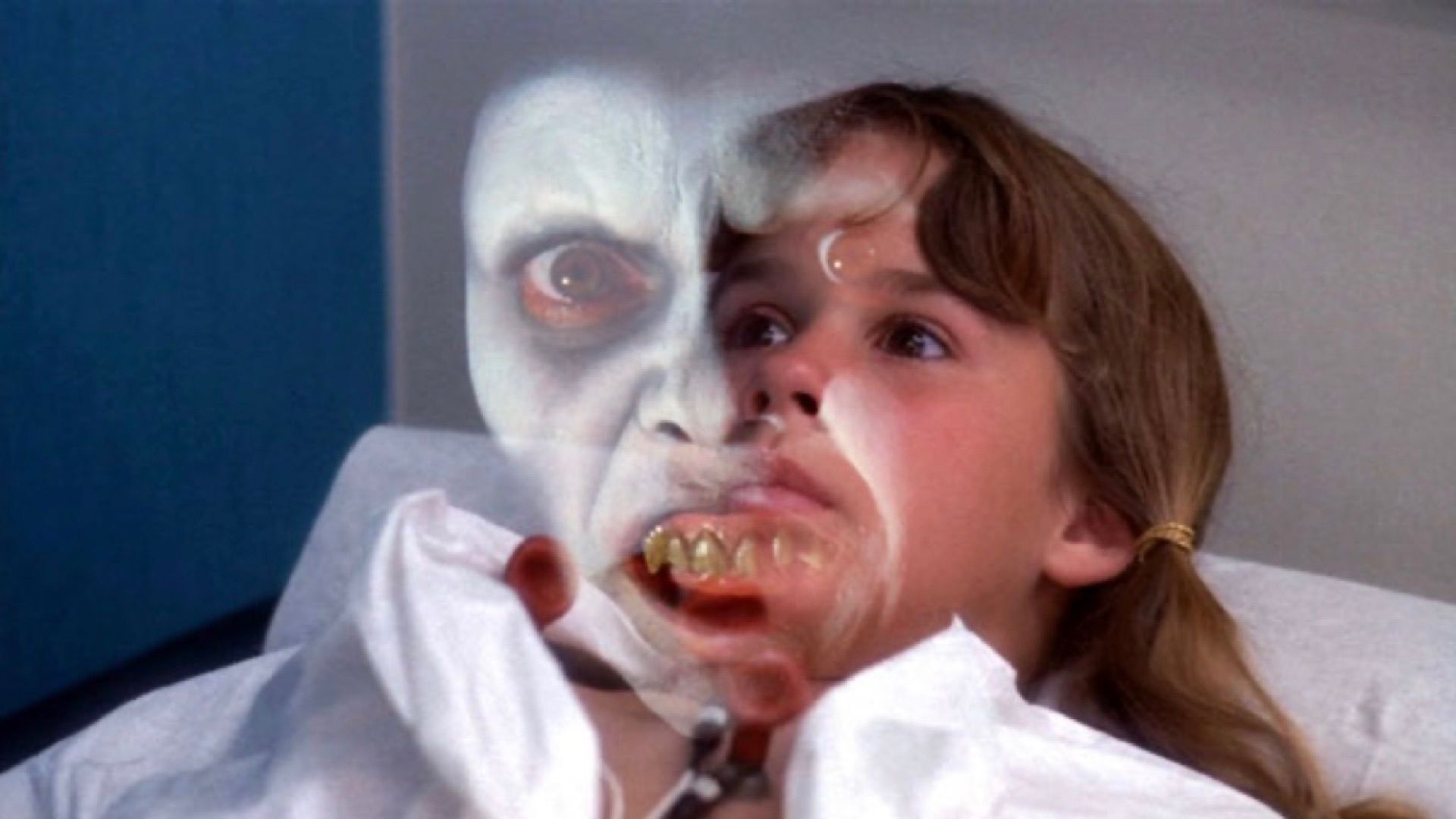
William Friedkin’s 1973 film, The Exorcist, truly startled audiences and helped bring supernatural horror movies back into popularity. While the film, featuring Linda Blair as the possessed 12-year-old Regan, was originally released with an R-rating, Friedkin had to edit it further when it first aired on television in 1980.
To get the film approved, Friedkin had to remove all profanity, but he was surprisingly allowed to keep a lot of disturbing imagery that was considered okay for younger viewers. The film’s positive portrayal of the Church, due to the priest performing the exorcism, also helped justify its frightening depictions of Satanism. Now, the movie is a major part of our culture and consistently ranked among the best horror films ever made.
‘The Dreamers’ (2003)
Fox Searchlight Pictures

To secure a wider release in the United States, two and a half minutes of sexually explicit content were removed from Bernardo Bertolucci’s film, The Dreamers. The movie, starring a young Michael Pitt, is set against the backdrop of the passionate student protests in Paris in 1968.
The movie explores ideas from the influential book The Society of the Spectacle, and it proved too controversial for American censors. European filmmakers have often been confused by the American tendency to censor sex more readily than violence, and Bernardo Bertolucci reportedly opposed the release of the American cut of the film.
‘Blue Valentine’ (2010)
The Weinstein Company
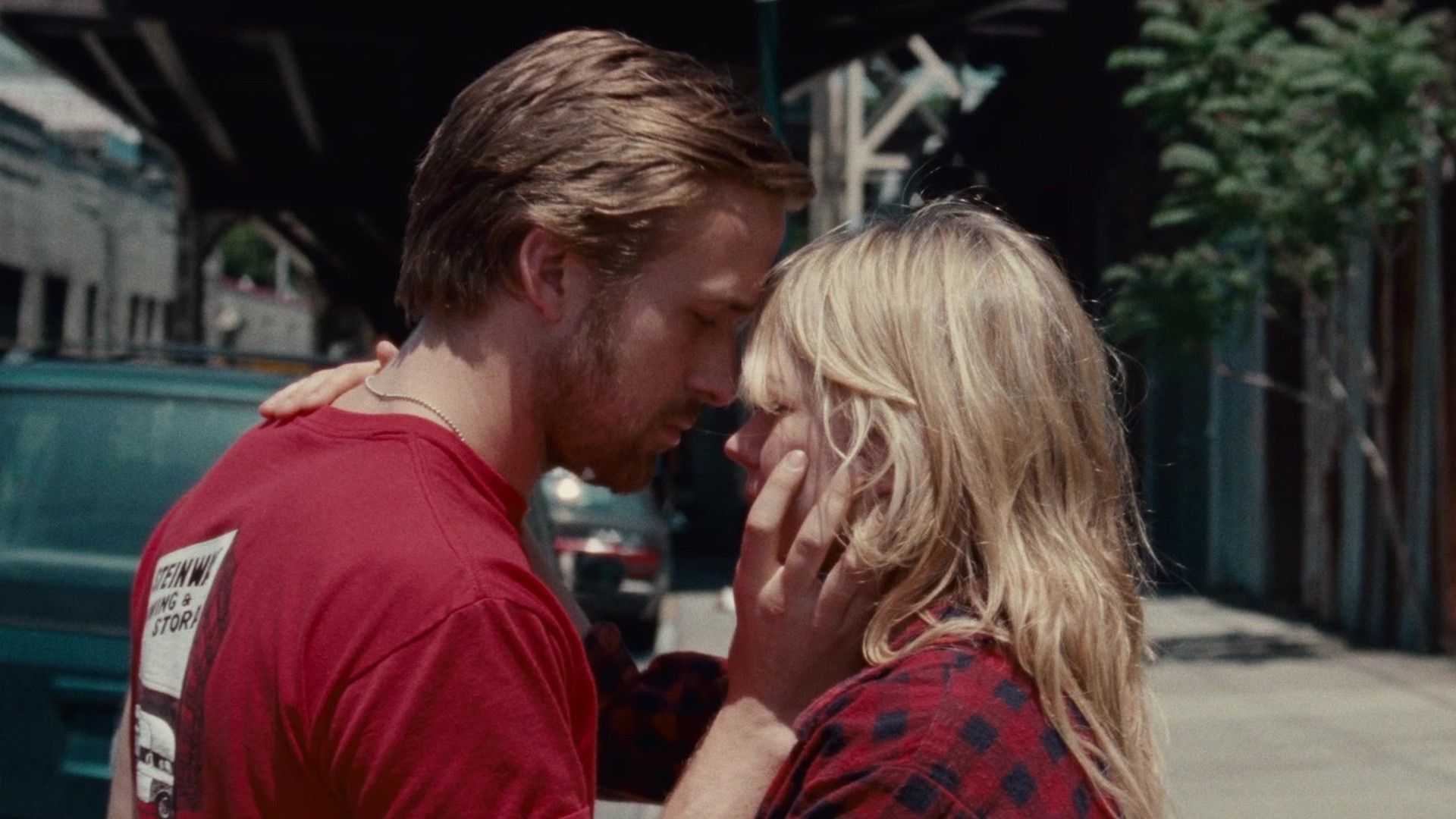
The film Blue Valentine originally received an NC-17 rating due to its explicit sexual content. This led to a discussion started by the director, Derek Cianfrance, who successfully appealed the decision and had the rating changed.
Director Cianfrance praised the MPAA for reconsidering their initial rating decision, stating he had a lot of respect for their willingness to do so. He believes the situation sparked an important national conversation about societal attitudes towards sex and violence, and prompted the MPAA to rethink its standards. The film’s case was unusual because the MPAA changed its rating after online discussions about the ethical considerations involved.
‘Henry & June’ (1990)
Universal Pictures
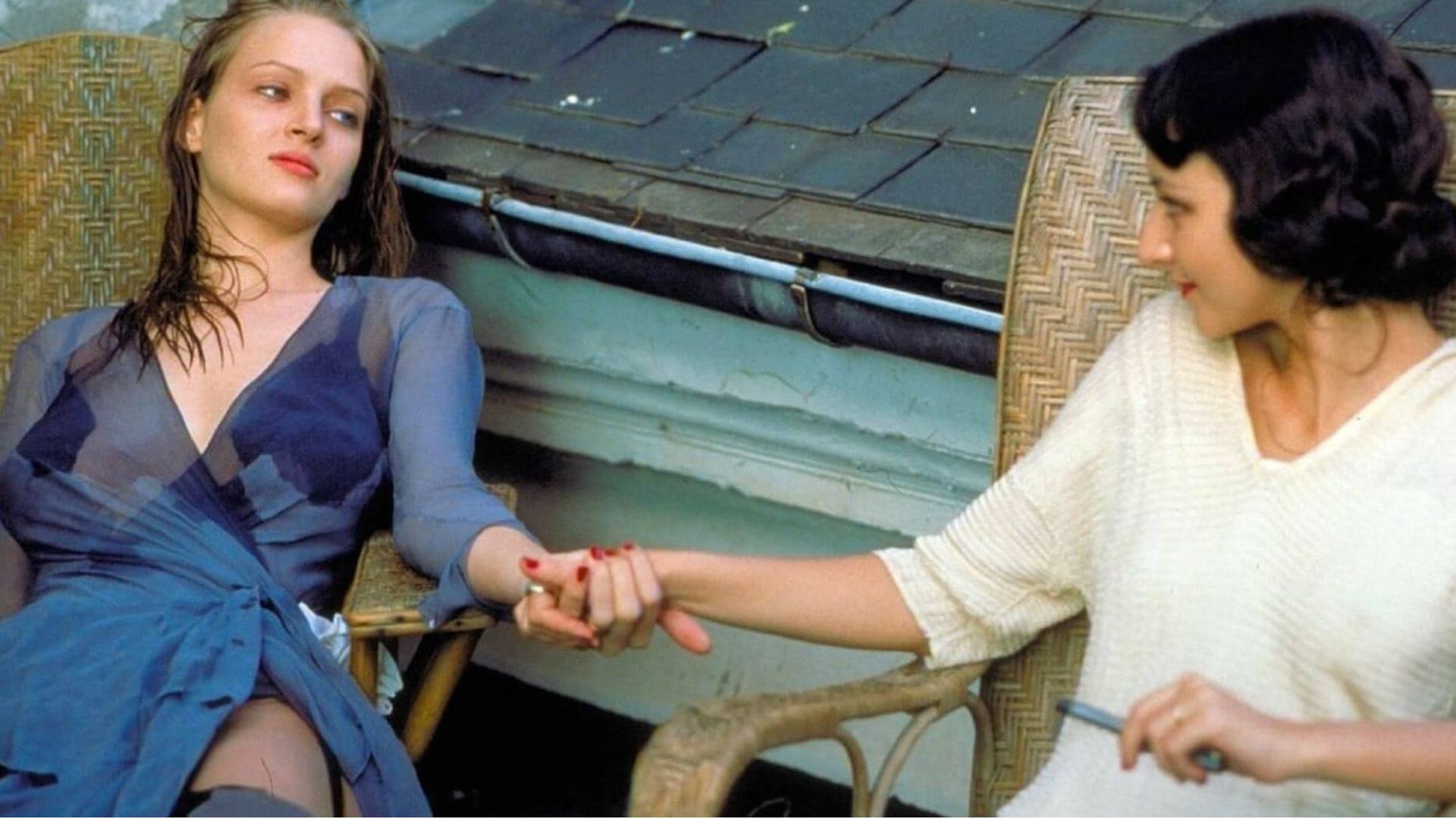
As a huge fan of literature and film, I’ve always been fascinated by Henry Miller. He was a real rebel, you know? Way back when, his books – full of incredibly frank stories about Americans living in Europe – caused a huge uproar. He really pushed the limits of what writers were ‘allowed’ to say, and it was all pretty scandalous for the time.
I recently watched Henry & June, and it’s a really fascinating look at the writer’s complicated relationships with both his wife and his mistress while they were all living in Paris. What’s interesting is that when it came out on September 27, 1990, it was the very first movie to get the new NC-17 rating! There’s one scene, with Henry and Anaïs Nin under a bridge in Paris, that feels like it would have definitely been too much for American audiences at the time – it probably would have only been accepted in Europe.
‘Irréversible’ (2002)

Mars Distribution
Gaspar Noé’s film, Irréversible, is a groundbreaking and controversial work by the Argentine director. It’s known for breaking cinematic conventions, most notably by telling the story in reverse order. The film begins with a shocking and intensely disturbing scene – Marcus (played by Vincent Cassel) entering a club seeking retribution after his pregnant wife is assaulted – and unfolds backward from there.
This content might seem shocking to American audiences, but it’s important to remember these were well-known European actors. Monica Bellucci took a big risk with her career by playing the character who experiences the film’s most intense and prolonged trauma—a scene that many viewers might find difficult to watch in its entirety. Because of its graphic nature, the film would require significant warnings before the opening credits if released in the U.S.
‘Midnight Cowboy’ (1969)
United Artists
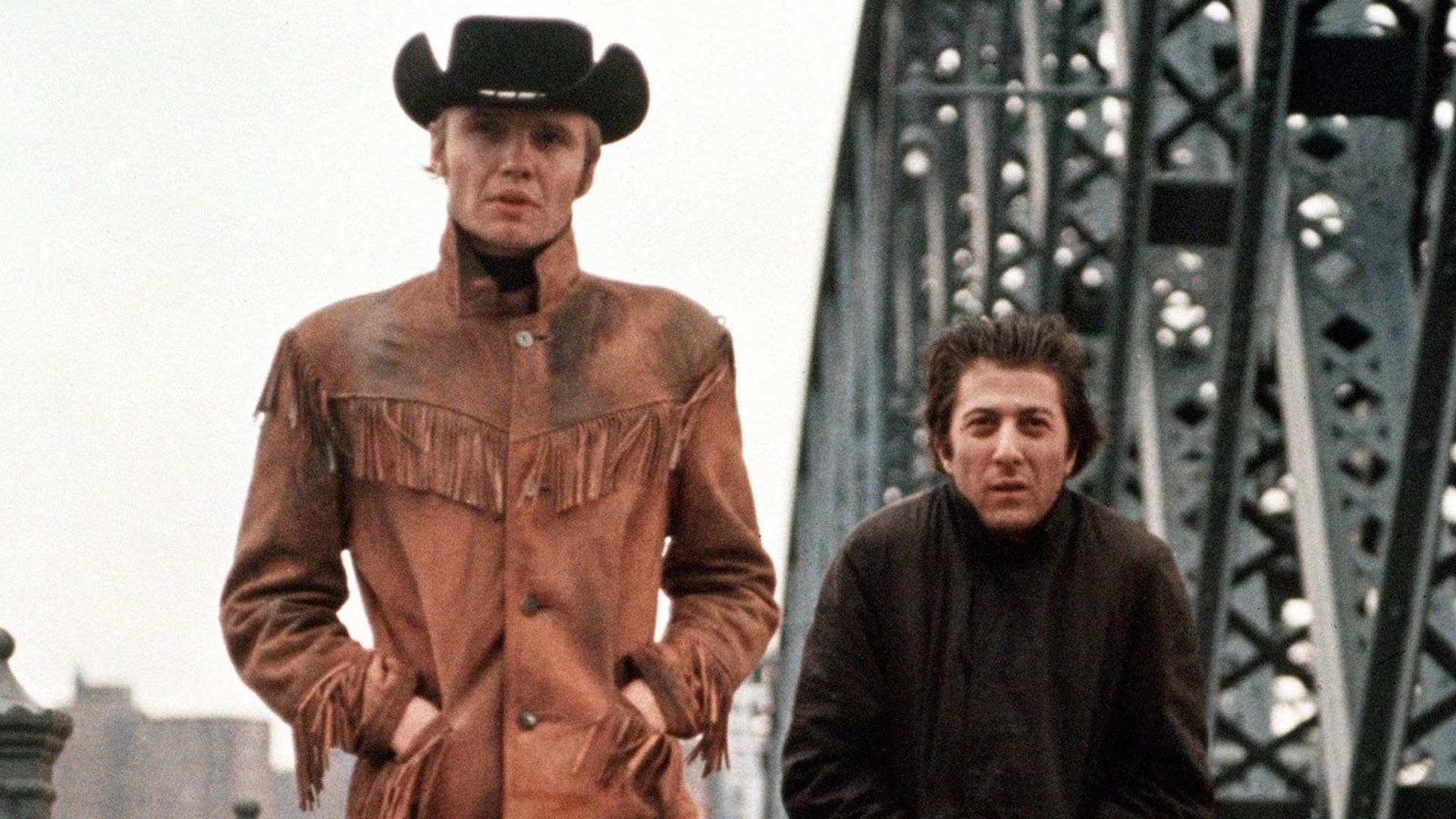
In 1969, it was incredibly unusual for a major movie, like Midnight Cowboy, to center on the life of a male prostitute. Director John Schlesinger, however, was well-acquainted with both gay culture and the nightlife around 42nd Street in Manhattan at the time. He skillfully navigated the studio system at United Artists, getting the film approved before stricter censorship rules led to an X-rating.
MovieWeb Report
Immerse yourself in the cinematic universe with the latest movie news, reviews, and exclusive content from MovieWeb.
MovieWeb Report
When you sign up, you’ll get our newsletter and emails about special offers. By continuing, you agree to our Terms of Use and Privacy Policy, but you can opt out of receiving emails at any time.
Despite its rating, the film resonated with enough viewers to become both a critical and commercial success, a fact highlighted by its win for Best Picture at the Academy Awards.
‘Basic Instinct’ (1992)

TriStar Pictures (1992)
To make the film Basic Instinct suitable for German audiences, significant cuts were necessary. Its explicit sexual content and a particularly graphic scene involving an icepick required substantial editing.
Surprisingly, the famous interrogation scene in the film needed no editing. Director Paul Verhoeven skillfully filmed around Sharon Stone’s leg crossing and uncrossing, creating a powerfully suggestive moment. This scene became so well-known – and often misremembered – that it’s been parodied in many other movies and TV shows, almost creating a shared false memory. The film also caused personal difficulties for Sharon Stone, who later revealed she lost custody of her son as a result of the controversy surrounding it.
‘Medium Cool’ (1969)
Paramount Pictures
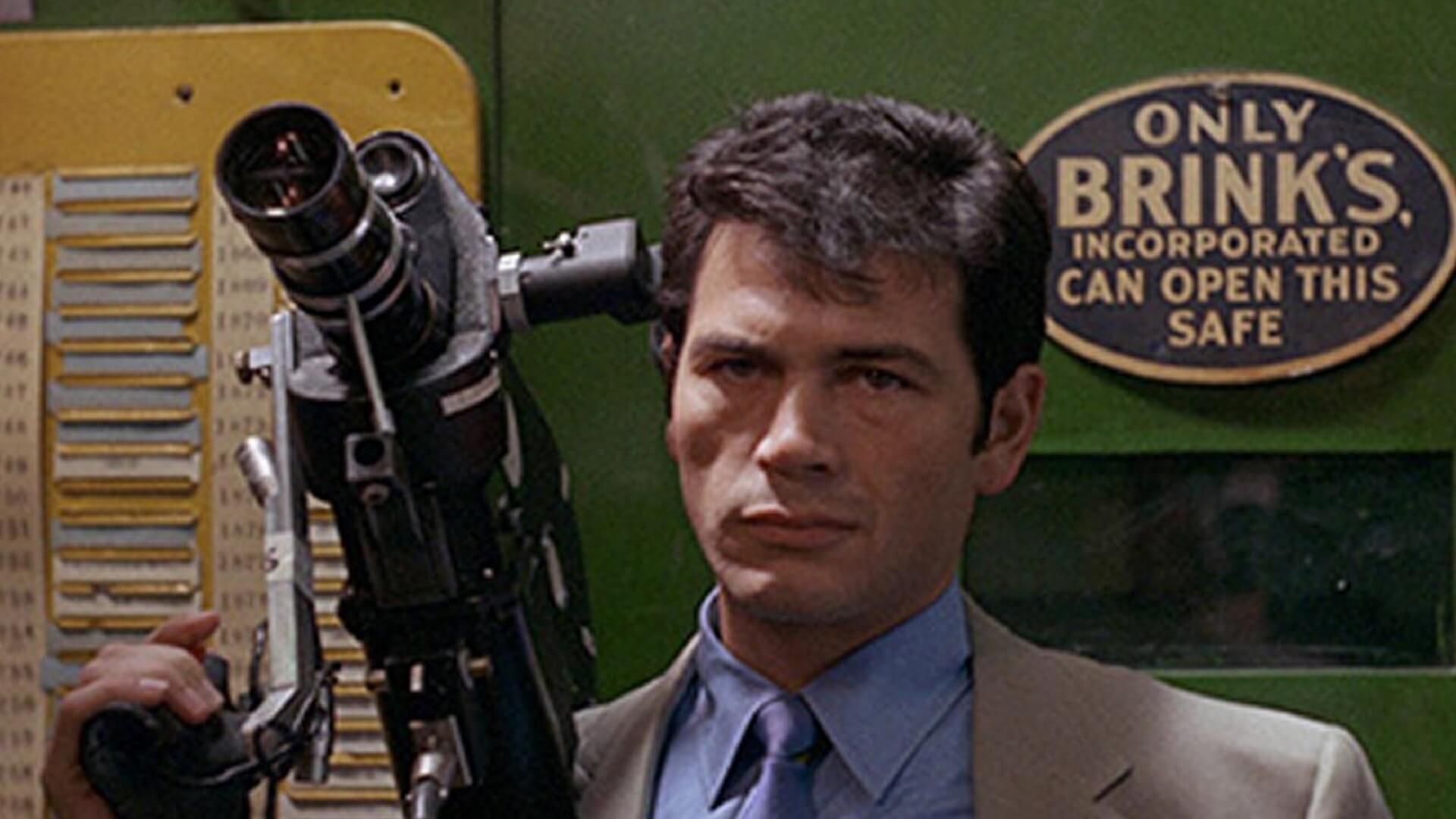
The MPAA’s rating decisions aren’t always based solely on content; sometimes, political factors seem to play a role, as happened with the film Medium Cool. Released during the turbulent year of 1968—marked by the assassinations of Martin Luther King Jr. and Robert F. Kennedy—the film, written and directed by Haskell Wexler, explored themes of politics, news coverage, and the nature of truth in filmmaking.
Okay, so Haskell Wexler really had to fight to get ‘Medium Cool’ made. He basically made a deal with Paramount where he’d put up the money himself, but only if they let him have complete creative control. That’s pretty unusual! It meant he could make the film he wanted, and it ended up being way more politically charged than most studios would have touched back then. It actually got an X rating, which Wexler always believed was a hit job – and honestly, watching it, it feels less like a traditional movie and more like a raw, documentary-style look at Chicago’s Mayor Daley and the crazy riots of ’68. It’s a really powerful film because of that freedom.
2025-12-30 05:50