In the 2020s, director Mike Flanagan stands out for his innovative approach to horror. His series, like The Haunting of Hill House and Midnight Mass, have changed what’s scary in the genre, demonstrating that emotional themes—like grief, family issues, and painful memories—can be far more frightening than ghosts or monsters. For fans of Flanagan looking for a similar experience, The Lodge is a great choice.
Directed by Veronika Franz and Severin Fiala and released in 2019, The Lodge is a chilling psychological horror film. While promoted as a twisty thriller, it’s actually a heartbreaking tragedy. With a 74% rating on Rotten Tomatoes, the film excels as a brutal yet sophisticated horror experience, especially for those who appreciate a darker edge. Set during a remote, snowy Christmas weekend, it takes the familiar feeling of holiday isolation and transforms it into something truly disturbing.
Grief, Trauma And Isolation Are Three Haunting Pillars of The Lodge
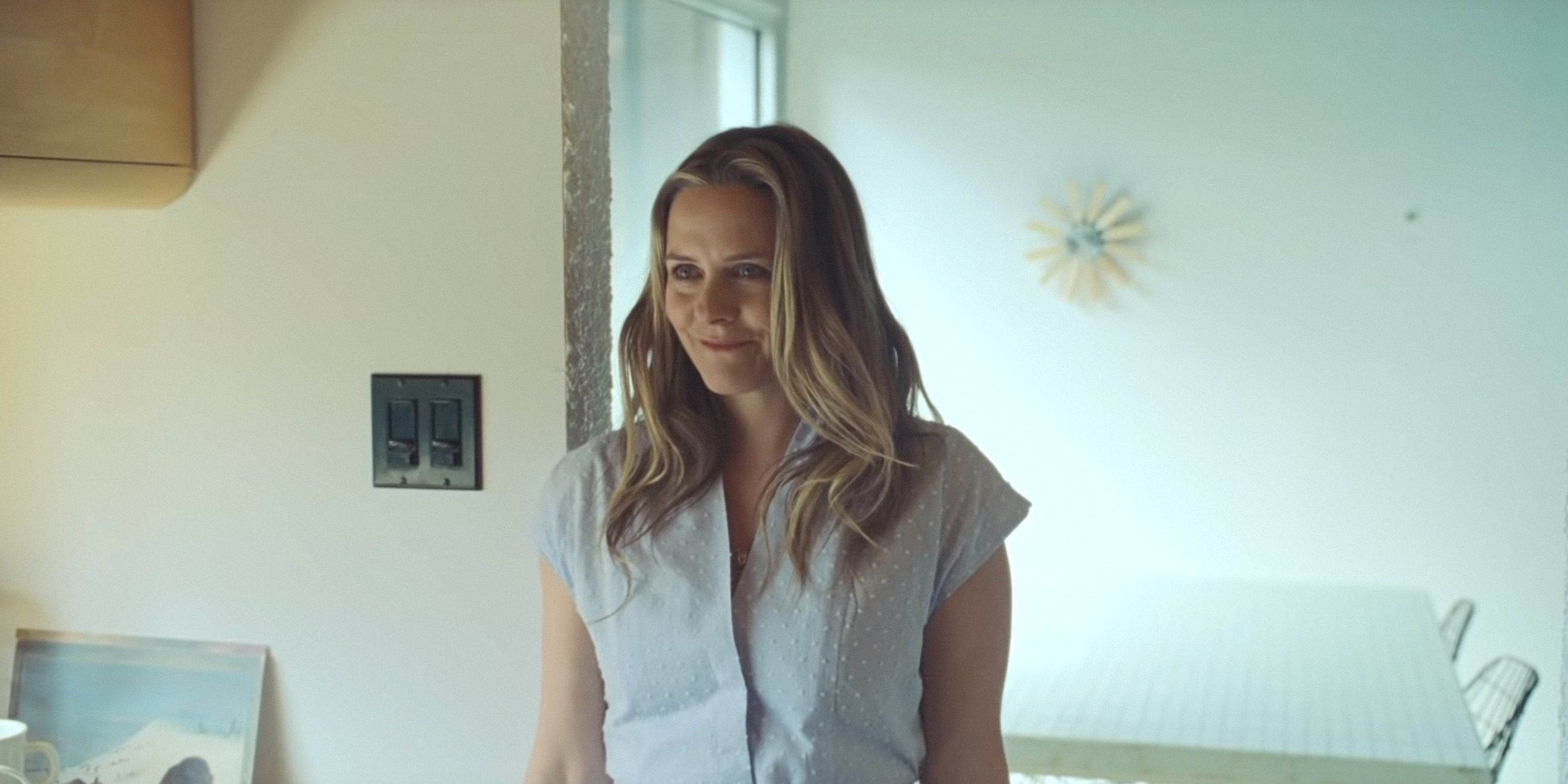
Mike Flanagan’s stories resonate with fans because they share a common theme: the true haunting isn’t a ghost, but a painful memory. This particular story begins with a shocking event: Laura, a mother played by Alicia Silverstone, takes her own life after discovering her husband, Richard, wants a divorce to be with a younger woman named Grace.
Okay, so the movie starts with this absolutely devastating event that completely shatters a family. Fast forward six months, and the dad, Richard, makes what I can only describe as a terrible decision. He brings his kids, Aiden and Mia – who are still reeling from the loss and actively hate this woman Grace – to a secluded cabin for Christmas…with her! And, of course, he conveniently has to leave for work, leaving all three of them stranded and alone. Talk about setting the stage for a tense situation!
The story starts by creating a sense of anticipation – viewers naturally assume the mother’s ghost will return to torment the cruel stepmother. However, the movie takes a more unsettling approach. Instead of a typical haunting, it keeps the audience guessing: are the strange events caused by a ghost, or by the strained relationships between the characters?
The children are devastated by their mother’s death, and Grace is struggling to reach them, but they’re filled with anger and bitterness. The eerie atmosphere in the film reflects the pain of these three characters – it’s more about their emotional state than anything supernatural, initially. Directors Franz and Fiala, known for their previous work, intentionally created the entire movie around the concept of a house that embodies illness and sorrow.
The film cleverly uses a dollhouse as a visual clue that something isn’t right. The movie begins by showing what appears to be a real cabin, but quickly reveals it’s actually a toy when a giant hand enters the scene. This immediately establishes the unsettling feeling that the characters – Grace, Aiden, and Mia – are like dolls, controlled and stuck in a cycle dictated by their suffering.
Okay, so the characters in this film? They aren’t really making their own choices. It’s like they’re puppets in a pre-determined, heartbreaking story that started a long time ago. If you’re a fan of Mike Flanagan’s work – especially how he traps characters in their own pasts – you’ll immediately recognize that feeling of dread here. And honestly, if you were disturbed by Ari Aster’s Hereditary, you’ll find similar unsettling elements at play – the creepy use of dolls, the weight of grief, and how trauma can slowly unravel a person’s sanity. It’s a tough watch, but a powerfully unsettling one.
The Lodge Is The Most Brutal Anti-Christmas Film
Christmas often appears in horror films, and one common trope is a terrifying Santa Claus, sometimes even resembling Leatherface. These movies are typically lighthearted and visually striking with red and green. However, The Lodge takes a completely different approach, offering a truly unsettling and bleak take on the holiday season – an “Anti-Christmas” experience.
This film intentionally flips traditional holiday themes on their head. The directors wanted to avoid all typical genre tropes and felt the first draft of the script was too cheerful for their vision. They collaborated with the writer to remove anything that felt lighthearted or overly playful, aiming for a much different tone.
The film effectively conveys a sense of isolation and dread. Rather than feeling cozy and connected, the characters are gripped by intense cold and distrust. The filmmakers intentionally created a stark, visually arresting environment – a “frozen purgatory” – using a desaturated color palette. The bright, blinding snow outside sharply contrasts with the dark, claustrophobic interior of the cabin, emphasizing the characters’ emotional and physical isolation.
The filmmakers were committed to making the cold feel real for the audience. Instead of filming in a studio in Los Angeles, they chose to shoot on location in Quebec and upstate New York during the harsh winter months. This involved filming in challenging conditions, which is unusual and costly in Hollywood. They believed this would allow the actors to genuinely portray their characters’ struggles as the story unfolded.
The physical discomfort Grace experiences on screen – shivering, turning blue, and struggling in the snow – is genuine. Actress Keough confirmed she truly felt those conditions during filming, even crying from the cold in one blizzard scene. She wasn’t acting in those moments; she was genuinely cold and in pain.
The way this movie is made creates a palpable atmosphere that draws viewers in, almost making them feel the chill. The cold isn’t just a setting; it’s a force that cuts people off from the outside world – no cell service, frozen pipes, and a growing sense of isolation. Ultimately, being trapped together, forced to confront each other, becomes the real threat – far more dangerous than the storm itself.
The Lodge Deals With Religious Trauma and the Clash of Faiths
The similarities to Mike Flanagan’s work are particularly noticeable here. While his stories often explore the appealing side of faith, The Lodge demonstrates how faith can be used to inspire fear. Grace has a disturbing past: she’s the only person who survived a mass suicide led by her father, the leader of an extremist Christian group. As a child, she was taught that dying for God was the only path to salvation.
Grace carries both visible and hidden emotional wounds from past trauma, which continue to affect her today. The film’s sadness stems from the conflict between Grace’s experiences with a cult and the children’s own grief. Raised Catholic, the children see Grace as an outsider and judge her harshly.
Subscribe for deeper reads on The Lodge and horror
Subscribe for deeper reads on The Lodge and horror
When you sign up, you’ll receive newsletters and promotional emails from us and agree to our Terms of Service and Privacy Policy. You can stop receiving these emails at any time.
This story isn’t about clear heroes and villains; it’s a sad tale of misunderstandings. The directors explained that the film becomes frightening because the characters don’t share their past traumas and emotional wounds. They believe that open communication could have transformed the story into a lighthearted romantic comedy.
Grieving the loss of their mother, the children turn to religion as a way to cope, but ultimately use it against Grace. They see her as a danger to their mother’s memory. Film critic Brian Tallerico of RogerEbert.com observed that the film’s horror doesn’t come from ghosts or the supernatural, but from the harshness children are capable of, noting they are intensely protective of their mother’s legacy.
The filmmakers employ religious imagery – rosaries, crosses, and paintings of Mary – not to offer solace, but to deliberately disturb Grace’s mental state. As time passes and the environment becomes increasingly harsh, Grace’s ability to cope begins to fail. The movie puts viewers in the uncomfortable position of watching a woman struggle to use reason against beliefs she was raised with.
But the unsettling environment, her increasing isolation, bizarre happenings, and the critical eyes of the children gradually erode her rational thinking, creating a deep sense of unease. The story culminates in one of the most disturbing endings in recent horror, acting as a grim reflection of…
Both films explore powerful themes, but in different ways. While one shows love conquering fear, the other demonstrates how deeply trauma can affect others. This movie doesn’t offer easy answers or comforting speeches; it presents a harsh, realistic look at unresolved pain. It’s a fresh, yet familiar, take on dark memories and their lasting impact, even for viewers who have seen many similar stories.
2025-12-28 21:11