Watching TV in the 2000s was a different experience than it is today. Shows often continued to gain popularity even after they finished airing. Back then, episodes were released weekly, seasons were quite long – often with over 20 episodes – and viewers had to make time to watch them live. If you missed an episode, you’d have to wait months for it to be shown again or buy the DVD. This slower pace meant people really connected with shows, but it also required a level of patience that many viewers today aren’t used to.
The way people watch TV has changed dramatically thanks to streaming services and smartphones. We now expect instant access to shows and often binge-watch them, and recommendations are tailored to our preferences. This has led to shorter attention spans and a demand for fast-paced stories that quickly grab our attention. As a result, shows are often designed to be immediately engaging, sometimes at the expense of complex storylines or character development, prioritizing viral moments instead. While these changes can be challenging, they aren’t necessarily negative.
Despite these changes, the viewing experience hasn’t always gotten better. Many newer shows feel rushed, explain too much, or end before they can fully explore their potential. Shorter seasons mean less time for characters to grow and for shows to try new things. Sometimes, television feels less lasting and more focused on quick results than on building something that will endure.
Looking back at popular TV shows from the 2000s reveals how much has changed in television. Shows from that era often took their time, developing storylines gradually and trusting viewers to appreciate nuance and complexity. Creators expected audiences to follow characters and themes over multiple seasons, unlike today’s tendency to binge-watch quickly. This allowed for more in-depth character development and bolder storytelling.
Many TV shows from the 2000s don’t feel old-fashioned today; in fact, they often get better with each viewing. Viewers find new meaning in them as their own lives change. The shows’ important themes still resonate, they’re still well-made, and the way they tell stories actually works better now that people often watch multiple episodes at once. Instead of becoming outdated, these series have improved with time, proving that truly great TV remains enjoyable for years to come.
9. Friday Night Lights
2006-2011

Originally airing on NBC in 2006, Friday Night Lights wasn’t just about football. It used the sport as a way to look at life in a small Texas town, exploring themes of community, who people are, and how they cope with challenges. Inspired by the movie with the same title, the show mixed exciting football action with deeply personal stories, mainly following the Taylor family and the students at Dillon High.
When it first aired, Friday Night Lights felt fresh thanks to its realistic, documentary-like filming style and the actors’ believable performances. Now, the show’s compassionate and relatable stories about striving for success and dealing with setbacks feel even more powerful. Its focus on genuine emotion, rather than flashy effects, has helped it endure, especially as television increasingly values authenticity.
8. Arrested Development
2003-2006

Originally airing in the early 2000s and later revived by Netflix in 2013, Arrested Development is a beloved comedy that many fans consider to be timeless. The show was known for its incredibly clever, fast-paced jokes and ongoing storylines, which were innovative for their time but didn’t always connect with viewers when it first aired. Thanks to renewed popularity, Netflix brought the series back for a new audience.
With the rise of streaming, Arrested Development has really found its audience. The show is packed with jokes and references that you notice more on repeat viewings. Originally a bit of a cult favorite, it now fits perfectly with how people watch TV today. And its humor – poking fun at rich families, messed-up relationships, and silly businesses – feels even more spot-on and hilarious now than it did before.
7. Lost
2004-2010
 ABC (via MoviesStillsDb)
Premiering in 2004, Lost was ABC’s biggest hit, becoming a worldwide sensation by combining elements of survival stories, science fiction, and psychological thrillers. The show follows the survivors of a devastating plane crash who find themselves stranded on a mysterious island, and it soon becomes clear that there’s more to the situation than meets the eye. Though the series finale continues to be discussed, Lost‘s bold storytelling still holds up today.
As a huge TV fan, I remember everyone talking about Lost when it originally aired – it was something you had to watch! Looking back, it really changed the game with how it focused on the characters, jumped around in time, and wasn’t afraid to leave things open-ended. Re-watching it now, I’m struck by how cleverly the emotional stories were built, even if the answers weren’t always what people wanted. In a world where we expect everything explained immediately, Lost is a great reminder that sometimes, mysteries are more powerful when they don’t have neat and tidy resolutions.
6. Veronica Mars
2004-2007
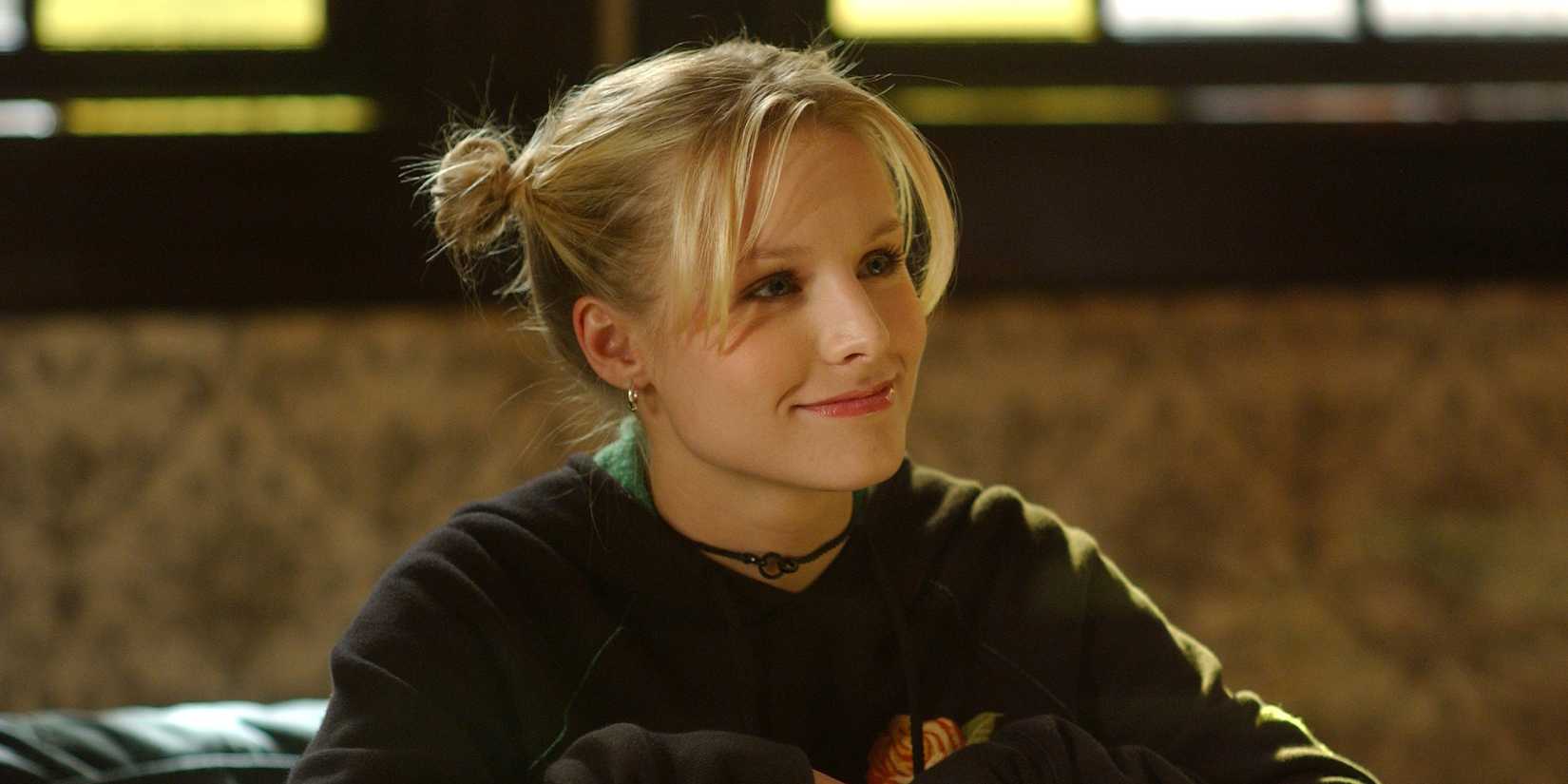
Originally broadcast from 2004 to 2007 on UPN and then The CW, Veronica Mars featured a young Kristen Bell in a show that cleverly blended detective mysteries with the typical dramas of high school life—and it still feels innovative today. Bell’s portrayal of Veronica, a smart and complicated private investigator, is central to the show’s appeal, and the way each episode presented a new case allowed viewers to really get to know the intriguing, shadowy town of Neptune.
Veronica Mars tackled issues like social class, corruption, and gender roles, and those themes feel especially relevant now. The show’s mix of self-contained episodes and overarching season-long mysteries works really well when you watch it all at once, offering satisfying answers at a good pace. Once a show that struggled to find an audience, Veronica Mars now seems like a clever and ahead-of-its-time series that predicted today’s trend of mixing different genres.
5. Breaking Bad
2008-2013
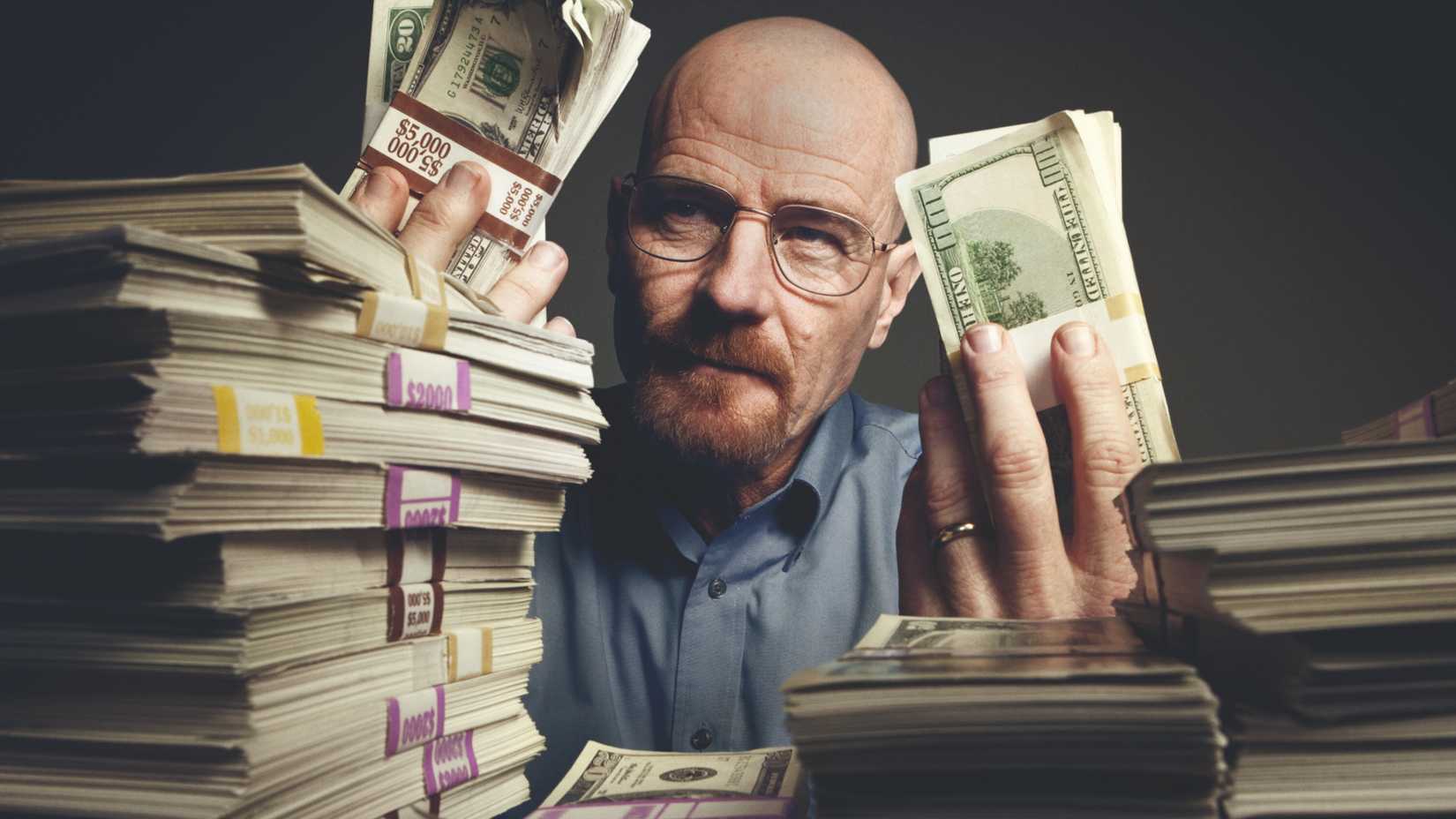
Premiering in 2008, AMC’s Breaking Bad quickly changed expectations for leading characters on television. The series follows Walter White (Bryan Cranston) as he evolves from a schoolteacher into a criminal boss, and it was known for its careful storytelling and striking visuals. Breaking Bad became hugely popular and set the standard for shows featuring complex, flawed protagonists, solidifying its place as a critically acclaimed television success.
The core ideas in Breaking Bad – like pride, the desire for control, and facing the results of your actions – still feel incredibly relevant. When you watch it today, you notice how carefully crafted the story is, especially compared to many recent shows with flawed heroes. Everything builds naturally, making it a rewarding experience to revisit. Instead of feeling old, Breaking Bad continues to be a benchmark for quality television storytelling.
4. The Office
2005-2013

When NBC’s The Office first aired in 2005, it didn’t receive much positive attention. However, it quickly grew into a beloved cultural icon. The show transformed from a somewhat clumsy documentary-style comedy into one of the most popular and frequently rewatched sitcoms of all time, significantly influencing the genre. Although some of the early jokes feel a bit dated now, the show’s heartwarming and genuine moments still resonate with audiences today.
As a huge fan of comedy, I’ve been thinking about why The Office still hits so hard, especially now. It’s amazing how much the show understood about work – the friendships, the little dreams people have, and just wanting to connect with others. It feels really relevant after the pandemic changed how we all think about work. Plus, the humor is just different – they took risks you don’t see much anymore, and the stories really stuck with a whole generation of us. Honestly, streaming has been a gift – it’s letting a new audience discover how brilliant the show is at building characters and those quiet, meaningful moments.
3. The Wire
2002-2008

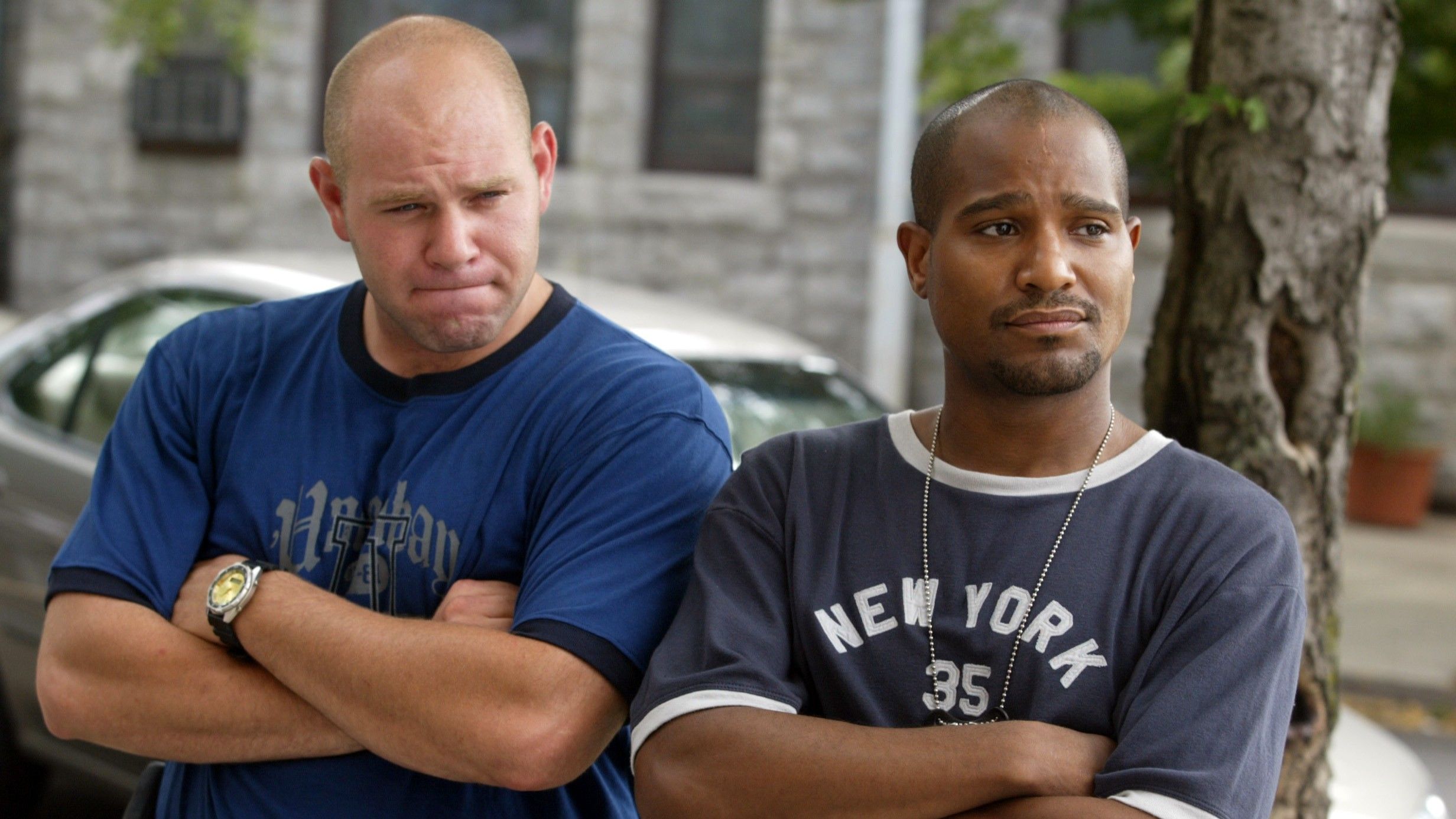
Though it didn’t immediately gain attention, HBO’s The Wire, which aired from 2002 to 2008, fundamentally changed how political crime dramas are made. Now considered one of the best TV shows of all time, The Wire offers a strikingly relevant look at how problems within the police, schools, government, and news media all connect. It’s a complex show that doesn’t offer simple answers or clear-cut heroes, which is what makes it so powerful and enduring.
With increasing discussions about societal structures and fairness, the TV show The Wire continues to resonate deeply. It’s recently gained renewed appreciation, as viewers recognize how groundbreaking and impactful it was when it originally aired. The Wire feels less like a typical drama and more like a crucial piece of viewing, thanks to its realistic portrayal of life and its broad scope.
2. 30 Rock
2006-2013

Premiering on NBC in 2006, 30 Rock quickly became one of the most popular and critically acclaimed sitcoms of the 2000s. The show, starring Tina Fey and Alec Baldwin, cleverly satirized television, celebrity life, and the world of big business. Tina Fey’s writing was known for its quick wit and willingness to tackle topics like sexism, media ownership, and the challenges faced by creative people – themes that felt relevant then and still resonate today.
The jokes in 30 Rock often feel even funnier now, particularly because the things it made fun of in the entertainment industry have become even more common. Although some jokes are specific to the 2000s, the show’s observations about power struggles and workplace craziness still ring true today. Its fast pace and layered humor make it perfect for rewatching with streaming services.
1. Mad Men
2007-2015
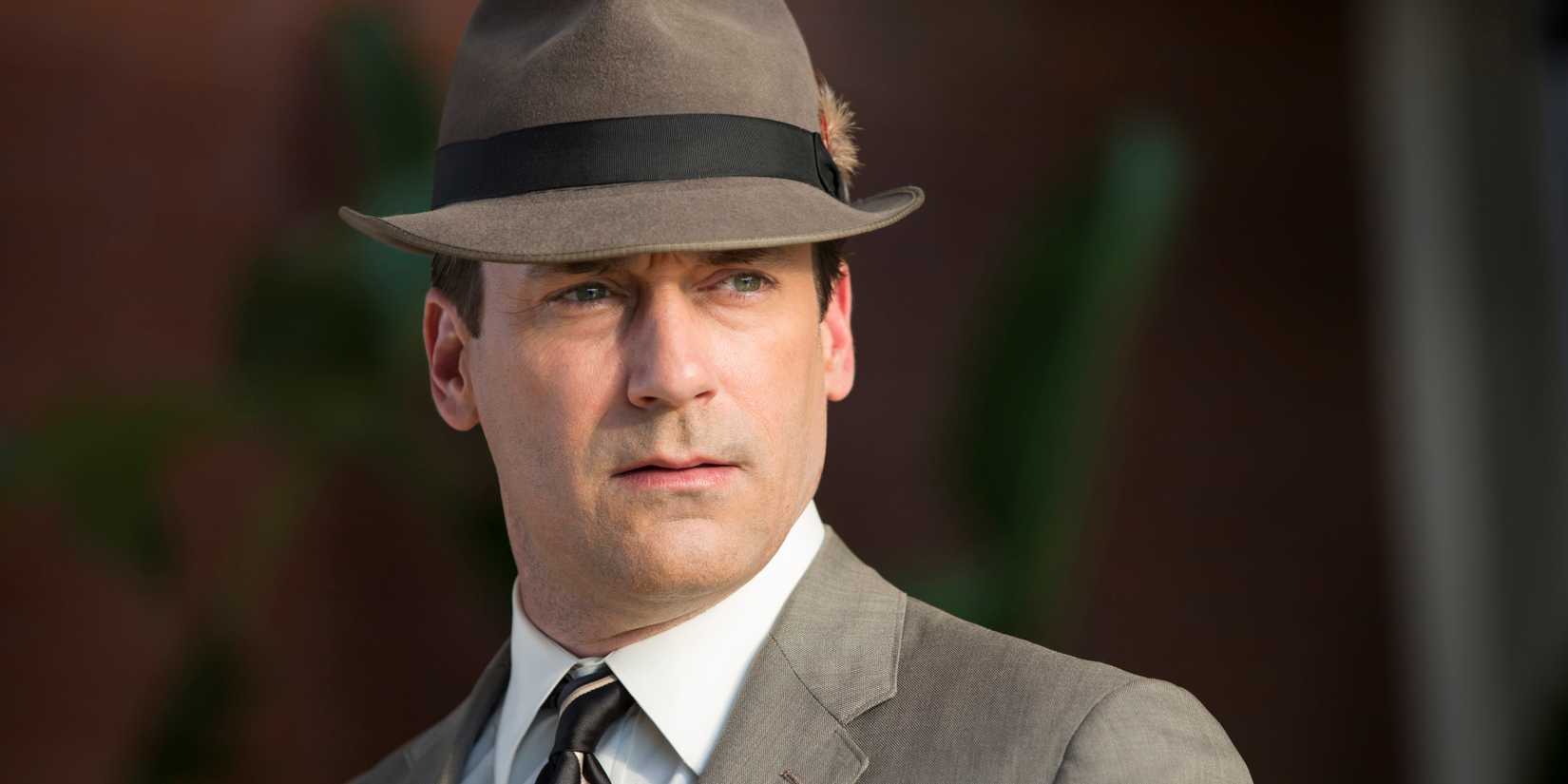
Premiering in 2007, AMC’s Mad Men cleverly used its 1960s backdrop to thoughtfully examine themes of identity, what we buy, and gender roles. The show presented a compelling, often mysterious story disguised as a visually stunning period drama, and it launched Jon Hamm to fame as the enigmatic Don Draper. Throughout its run, viewers were captivated by the show’s unpredictable plot twists, even when they sparked debate.
The show Mad Men has become even more highly regarded over the years. Its exploration of topics like the pursuit of success, unfairness in the workplace, and feelings of loneliness still resonate strongly today. Revisiting the series now highlights how carefully it was made, with storylines that unfold gradually and are best appreciated when watched all at once. Instead of feeling like a relic of the past, Mad Men feels surprisingly current as we continue to discuss work, how we present ourselves, and what truly makes us happy.
2025-12-22 03:42