
Doctor Who has been taking increasingly bold risks, from the reveal of the Timeless Child to the concept of bi-generation. “The War Between the Land and the Sea” continues this trend, notably by focusing more on political drama than traditional sci-fi action, and by presenting some truly surprising events within the spinoff series.
The story centers around the Sea Devils, now known as Homo aqua, emerging from the ocean to claim the seas as their own. This builds on a concept introduced during the Third Doctor’s adventures – the idea that the Silurians and Homo aqua were Earth’s original inhabitants, living here long before humans and then entering a long sleep. That original idea is now really paying off in this new story.
These creatures have resurfaced multiple times since then, only to be subdued by UNIT or the Doctor and sent back into hiding. However, Doctor Who has never depicted a conflict as large-scale as The War Between the Land and the Sea, where Earth’s own species fought for dominance.
Doctor Who Can’t Be The Same After The War Between The Land And The Sea

As a critic, I have to say, The War Between the Land and the Sea feels like a turning point for Doctor Who. It depicts a massive historical event, and honestly, when the Doctor inevitably lands back on Earth, it’s going to be impossible for the show to not address the fallout from humanity’s conflict with the Homo aqua. The implications are just too huge and far-reaching to ignore – this story has fundamentally changed the landscape of the show’s world.
Suddenly, massive structures built by a new species called Homo aqua rose from the oceans around the world, positioning them to confront humanity. World governments recognized Homo aqua and invited them for negotiations. However, unhappy with the outcome of these talks, Homo aqua responded by unleashing a massive wave of plastic and waste back onto land, effectively returning the pollution to its source.
As a lifelong Doctor Who fan, I really think it’s time the show updated how it portrays Earth. Honestly, after all this time, humanity should be used to aliens! It feels so unrealistic to keep seeing people shocked every time something extraterrestrial shows up. We need to move past governments panicking and just show a world that’s accepted – or at least is dealing with – the fact that we’re not alone. Let’s ditch the ‘modern Earth as we know it’ trope, shall we?
Beyond simply encountering new alien species, the Earth-based stories in Doctor Who now need to portray a humanity aware that it’s sharing the planet. We might see a new species, Homo aqua, dominating the oceans and limiting access to them. Or, some of them could start living among humans on land, becoming part of our society. It’s also possible the conflict between land and sea won’t be resolved quickly, and future seasons of Doctor Who could show Earth’s governments locked in a long-term war with Homo aqua.
No matter what happens in The War Between the Land and the Sea, Doctor Who can’t go back to showing Earth and people the way it used to.
Wait, Hasn’t Doctor Who Been Here Before?

During the original run of Doctor Who, Earth was frequently invaded by aliens. However, these events were usually kept secret or happened in small, isolated areas of England. Because smartphones and the internet didn’t exist yet, it was easy to believe these invasions wouldn’t drastically change how people understood life and the universe.
In 2005, Doctor Who broke new ground with “Aliens of London,” beginning a trend of large-scale alien encounters. The story featured a spaceship crashing into Big Ben and landing in the Thames, marking what seemed like Earth’s first real contact with extraterrestrial life. This continued with Russell T Davies’ first Doctor Who Christmas special, “The Christmas Invasion,” where a Sycorax ship arrived on Earth after images of the Sycorax were shown worldwide.
Although aliens would occasionally reappear, whenever the newer versions of Doctor Who featured them, people on Earth tended to quickly forget about them after a couple of seasons.
Doctor Who has explored this idea several times. At one point, the Doctor suggested that people tend to only see what they want to see. Later, the show revealed how some conspiracy theorists had dismissed alien invasions as elaborate fakes. In the episode “The Christmas Invasion,” a British government even deliberately spread false information, making it appear that footage of an alien attack was fabricated.
Even though Earth has faced countless alien invasions since Doctor Who came back in 2005, the show hasn’t ever really shown the lasting consequences of those attacks – we’ve never seen Earth fundamentally altered by them.
Why The War Between The Land And The Sea Could Be Different
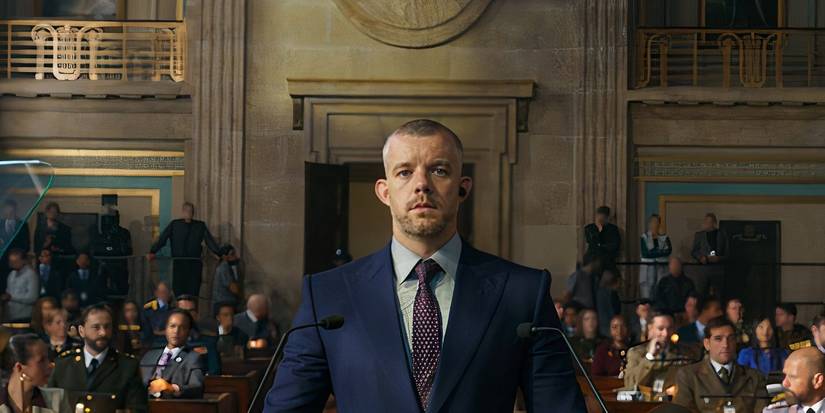
By now, in The War Between the Land and the Sea, it’s impossible to deny what’s happening. The evidence of the Homo aqua is undeniable, and their presence is already changing everything. Unlike previous alien invasions in Doctor Who, this situation has brought world leaders together to respond as one. The debate isn’t about if the Homo aqua are real, but about what humanity should do next.
If future seasons of Doctor Who ignored the events of The War Between the Land and the Sea when showing Earth, it would weaken the overall story the spinoff is trying to tell. In the larger Doctor Who universe, it’s not a big deal if humans forget about the Sycorax – most viewers likely have already forgotten them anyway.
The core message of The War Between the Land and the Sea is a plea for humanity to change its ways and take strong steps to save the planet. If the new season of Doctor Who simply goes back to normal on Earth, ignoring the impact of the Homo aqua’s arrival, it would undermine the entire purpose of this story.
2025-12-17 22:09