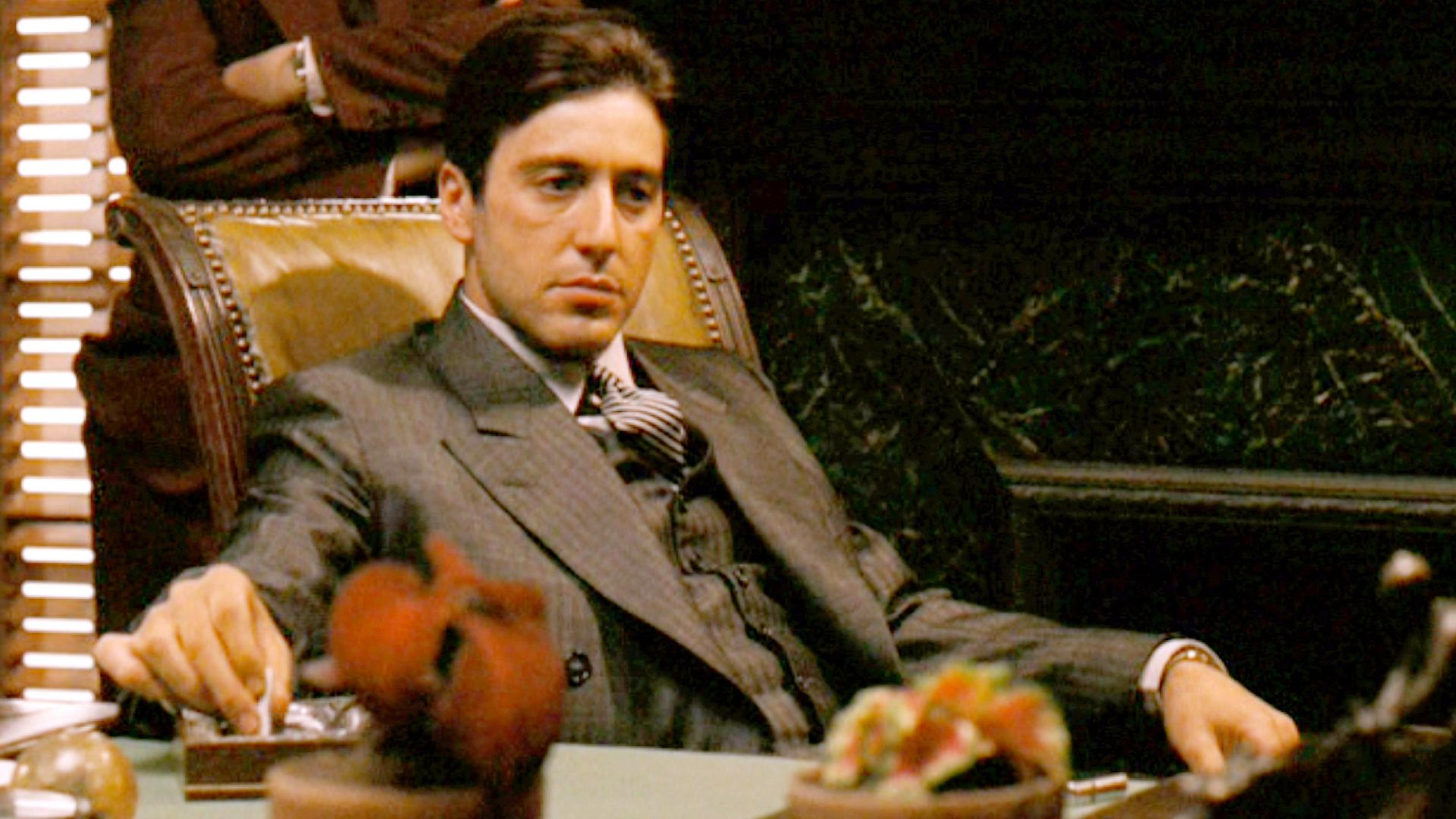
The title The Godfather has a deeper meaning than it first appears. While it clearly refers to Don Vito Corleone, played by Marlon Brando – a character directly called “Godfather” early in the film – it also highlights his role as the godfather to Johnny Fontane. This dual meaning is a recurring theme throughout the movie.
However, The Godfather is really the story of Michael, not Vito. By the end of Francis Ford Coppola’s 1972 film, Al Pacino’s Michael Corleone takes over as the new Godfather, and the following two movies continue to show him in that position. The famous, violent baptism scene also highlights Michael becoming a godfather literally, as he’s named godfather to his niece, further solidifying his connection to the title of the film.
You know, when you really think about The Godfather, the title isn’t just about Vito or Michael Corleone – it actually fits both of them. But if you watch all three movies closely, you realize there’s a third father figure woven throughout the story, and he’s just as powerful and influential as the other two. It’s something I’ve noticed and it really adds another layer to the whole saga.
The Third “Godfather” Is America Itself

Throughout The Godfather, America feels like a character itself. While Mario Puzo’s novel also suggests this, Francis Ford Coppola’s film really emphasizes America as a powerful, constant force throughout the entire story.
From the very first scene, with Bonasera declaring “I believe in America,” you get a sense of what this story is really about. It’s about the American dream, but also the struggles that come with it, especially for immigrants. And then, in The Godfather Part II, we actually see that journey firsthand, watching young Vito Corleone arrive at Ellis Island and build a life for himself in New York. It’s a powerful connection, seeing that initial hope and the challenges he faced.
Both Vito and Michael Corleone are shaped by the forces of America – its opportunities, compassion, frustrations, and the people who embody them. This influence is a constant presence in their lives, almost like a powerful, guiding force. However, for the Corleone family, America isn’t a distant god, but rather a protective and controlling godfather figure.
The title “Godfather” suggests both power and care. Both Vito and Michael Corleone act as protectors and leaders to those around them, but who looked out for Don Corleone himself? The answer is the very spirit of America.
How Francis Ford Coppola Portrays America As A “Godfather”
Throughout The Godfather films, America is often portrayed as a parent figure – but a harsh one. When Vito Corleone first arrives at Ellis Island as a child, he’s met with indifference. An official mistakenly records his name, and he’s then quarantined with smallpox. While America is ultimately offering Vito a home, the initial experience is isolating and unwelcoming.
Despite the harshness of everything happening, it feels like these difficult times are shaping Vito into the tougher person we expect him to become. In a way, the show portrays family – particularly fathers and father figures – much like The Godfather does: fundamentally caring, yet emotionally unavailable.
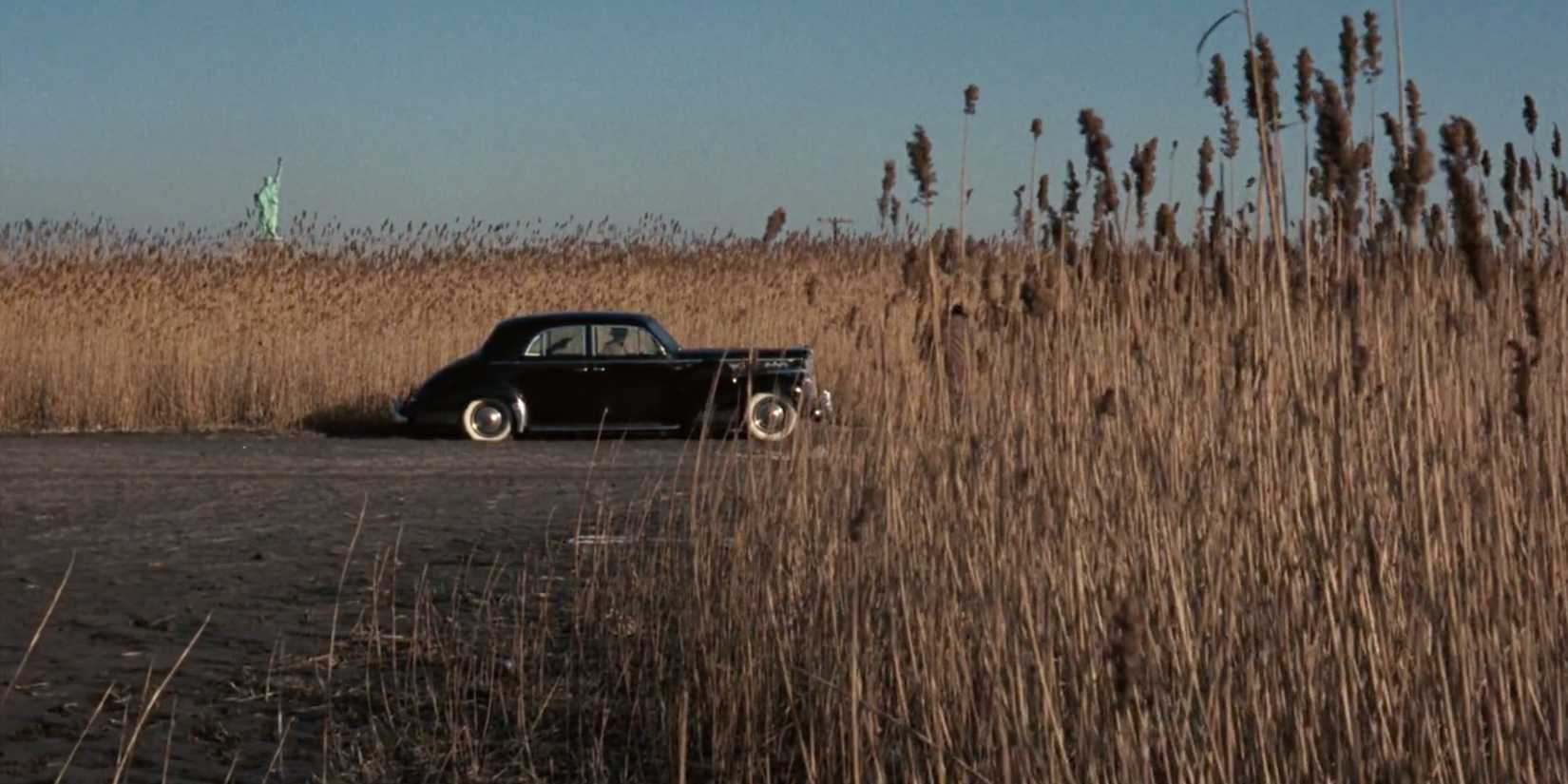
Later, Clemenza kills Paulie near the Statue of Liberty. This raises questions about what the iconic American symbol represents in this moment – is it condemning the Corleone family’s violence, or strangely allowing it, twisting the idea of freedom? The scene feels like a parent observing a misbehaving child, leaving the audience to wonder if there will be consequences or if the act will go unpunished.
In The Godfather Part II, the introduction of Senator Geary allows Coppola to explore the connection between power and politics in America. Michael, like his father before him, uses blackmail to control a powerful figure, demonstrating how the Corleone family exerts influence over those in office. This portrayal suggests that America itself operates like a powerful Godfather, offering benefits in exchange for loyalty. Both Michael and Vito Corleone take advantage of this corruption, profiting from the opportunities it creates.
In The Godfather Part II, a Senate committee tries to expose and punish Michael Corleone, suggesting the possibility of him finally facing consequences for his actions. However, Michael manages to escape accountability. Coppola makes it clear, though, that those seeking to punish the Corleones are just as guilty, if not more so, than the family itself. This dynamic mirrors a parent-child relationship, where those in authority often criticize behaviors they themselves once exhibited.
The Corleone family, featured in The Godfather, is like a rebellious child of America. America both controls and shapes Vito and Michael Corleone, influencing the men they ultimately become. While America might expect more from the Corleones, it can’t realistically criticize them given the corruption within its own systems. In a way, America is the ultimate power behind all the other powerful families – the true Godfather of Godfathers.
2025-12-17 17:00