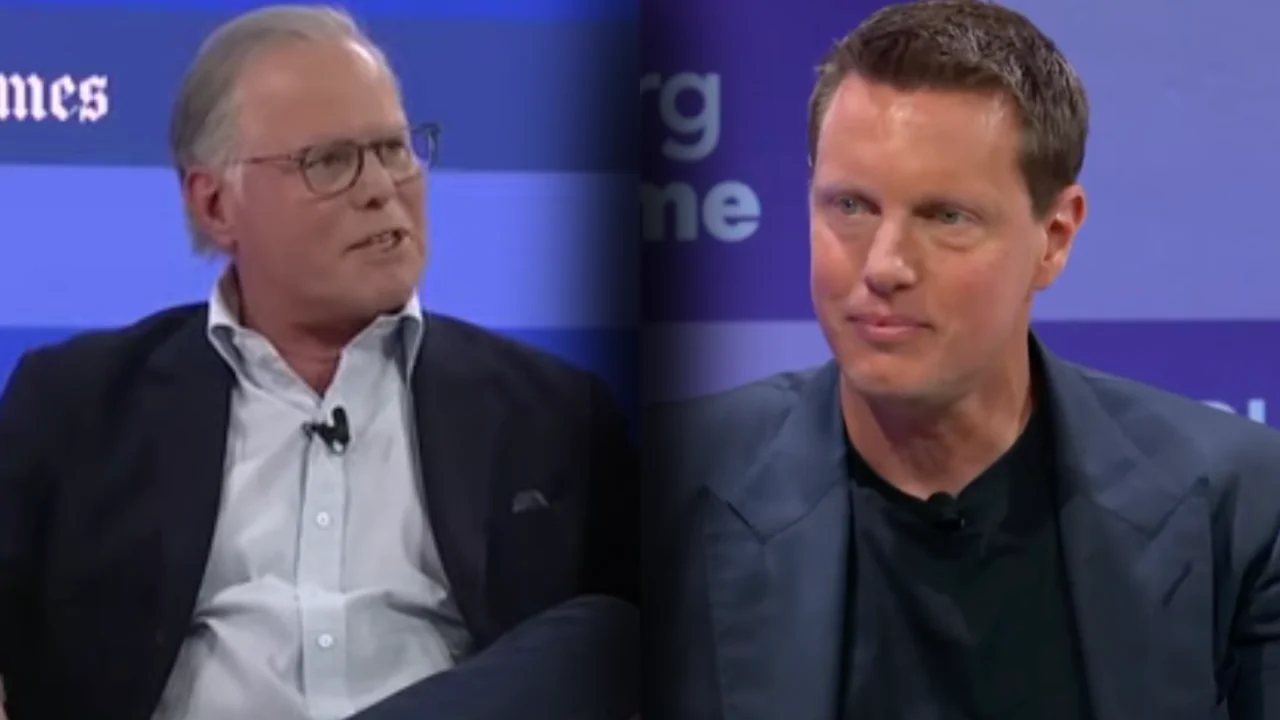
Even though Warner Bros. Discovery has strongly denied a takeover offer from Paramount Skydance—a bid of $30 per share—the fight for control of WB Paramount isn’t finished.
Warner Bros. Discovery’s leaders are strongly discouraging investors from selling their shares, but company documents prove a key point: ultimately, it’s the shareholders, not the board of directors, who make the final decision.
Warner Bros. Discovery clarified in a letter to investors and a filing with the Securities and Exchange Commission that it’s simply advising shareholders to vote against the proposed deal between Paramount and Skydance, rather than actively preventing it, as some reports have suggested.
That language matters — and it underscores why the WB Paramount fight remains alive.
This Is a Recommendation, Not a Kill Shot
Even though news reports claim the takeover attempt has been stopped, Warner Bros. Discovery can’t legally halt it on their own. They don’t have the power to end a hostile takeover bid without further action.
Paramount Skydance made a direct offer to shareholders, intentionally avoiding the need for management or board approval. This allows investors to act on their own without a formal merger agreement.
Warner Bros. Discovery has issued a response through a Schedule 14D-9 filing, which is a document intended to influence shareholders, but doesn’t require them to take any specific action.
Still, the board pulled no punches.
As a film and TV fan, I’ve been following the Warner Bros. Discovery situation closely, and honestly, their board feels the offer from PSKY just doesn’t make sense. They sent a letter to shareholders explaining that accepting it wouldn’t be worth it, and would actually create a lot of problems and expenses for the company. They clearly think it’s a bad deal for WBD and its future.
The strong wording shows how concerned leaders are about the possibility of Paramount making a bid.
Board Goes on the Offensive to Defend the Netflix Deal
Okay, so I just read through the official statement, and Warner Bros. Discovery is really emphasizing one thing: they think the deal with Netflix is a winner. They keep saying, almost like a mantra, that the terms of that partnership are just better than anything else they’d consider. It’s pretty clear they’re not willing to mess with it.
This claim is accompanied by strong criticism of how Paramount is funded. The board argues that the Ellison family hasn’t fully guaranteed the company’s financing.
As a movie lover, I’m following this Paramount/Warner Bros. Discovery situation closely, and it’s getting messy. Apparently, Paramount has been telling Warner Bros. shareholders that the Ellison family has a solid agreement to fully support the deal, but the claim is that’s just not true. They’re saying there never was a guaranteed backstop from the Ellisons, and Paramount has been misleading everyone about it.
The board also cautioned investors that Paramount’s financial pledge depends on a trust that is unclear and could be canceled, raising concerns about the deal’s stability if it falls through.
They stated that a revocable trust isn’t a strong enough guarantee from a company’s majority owner.
This wording seems intended to make shareholders uncertain and cautious – likely to protect the existing Netflix agreement, not to start new talks.
“The PSKY Offer Is Illusory,” Board Claims
The most notable part of the letter is when Warner Bros. Discovery directly calls the takeover attempt a fabrication.
“The PSKY offer is illusory,” they said.
The board believes the offer isn’t solid enough because Paramount Skydance could change or cancel it at any moment, unlike a definite merger agreement.
However, experts point out that this is a standard tactic used in takeover attempts. The deal’s structure doesn’t make it invalid; it just means Paramount is going directly to its shareholders instead of negotiating with the company’s leadership.
Shareholders Still Hold the Leverage
Even though the company board doesn’t approve, Paramount’s offer to buy shares is still available. Each individual shareholder can choose for themselves whether or not to sell their shares, no matter what the board suggests.
If Paramount takes a majority ownership position, they could change the leadership, revise current contracts, or even completely alter the deal with Netflix.
That reality explains the unusually aggressive tone of Warner Bros. Discovery’s response.
The board also cautioned shareholders that taking the deal from Paramount might result in several billion dollars in expenses related to their agreement with Netflix.
If the deal falls through, Warner Bros. Discovery shareholders could face about $1.66 per share in extra costs, totaling $4.3 billion.
Some argue that blaming shareholders for fines resulting from a deal they didn’t approve is unfair. They believe shareholders shouldn’t be held responsible for penalties arising from decisions they didn’t vote for.
Paramount’s Case: More Cash, Less Complexity
Paramount Skydance argues its offer of $30 per share provides investors with more immediate and straightforward value than Netflix’s offer, which includes both cash and stock.
While the agreement with Netflix involves potential stock market changes and the possible future separation of Discovery’s channels, Paramount is offering a straightforward, all-cash deal. This is particularly attractive to shareholders who prefer a guaranteed return right away instead of relying on predictions about the future.
Paramount has responded to concerns that its planned $9 billion in cost cuts could harm Hollywood, maintaining that merging and streamlining is simply necessary for traditional studios to stay competitive with the rise of major global streaming services.
The Real Question at the Heart of WB Paramount
At its core, the WB Paramount clash is not simply about which deal looks better on paper.
It’s about who gets to decide.

Warner Bros. Discovery’s leadership has strongly signaled what they want – and they’ve worked hard to portray Paramount’s offer as risky, lacking sufficient funding, and potentially harmful.
But by its own admission, the board can only recommend.
It’s still unclear whether shareholders will agree with the recommendation, or if they’ll object, feeling that leadership has already decided the company’s future.
Bottom Line
The dispute between Warner Bros. Discovery and Paramount hasn’t been resolved, even though Warner Bros. Discovery is trying to suggest it has.
The deal is still available. We’re actively encouraging support for it, and ultimately, it’s up to the company’s owners – the shareholders – to decide.
2025-12-17 16:59