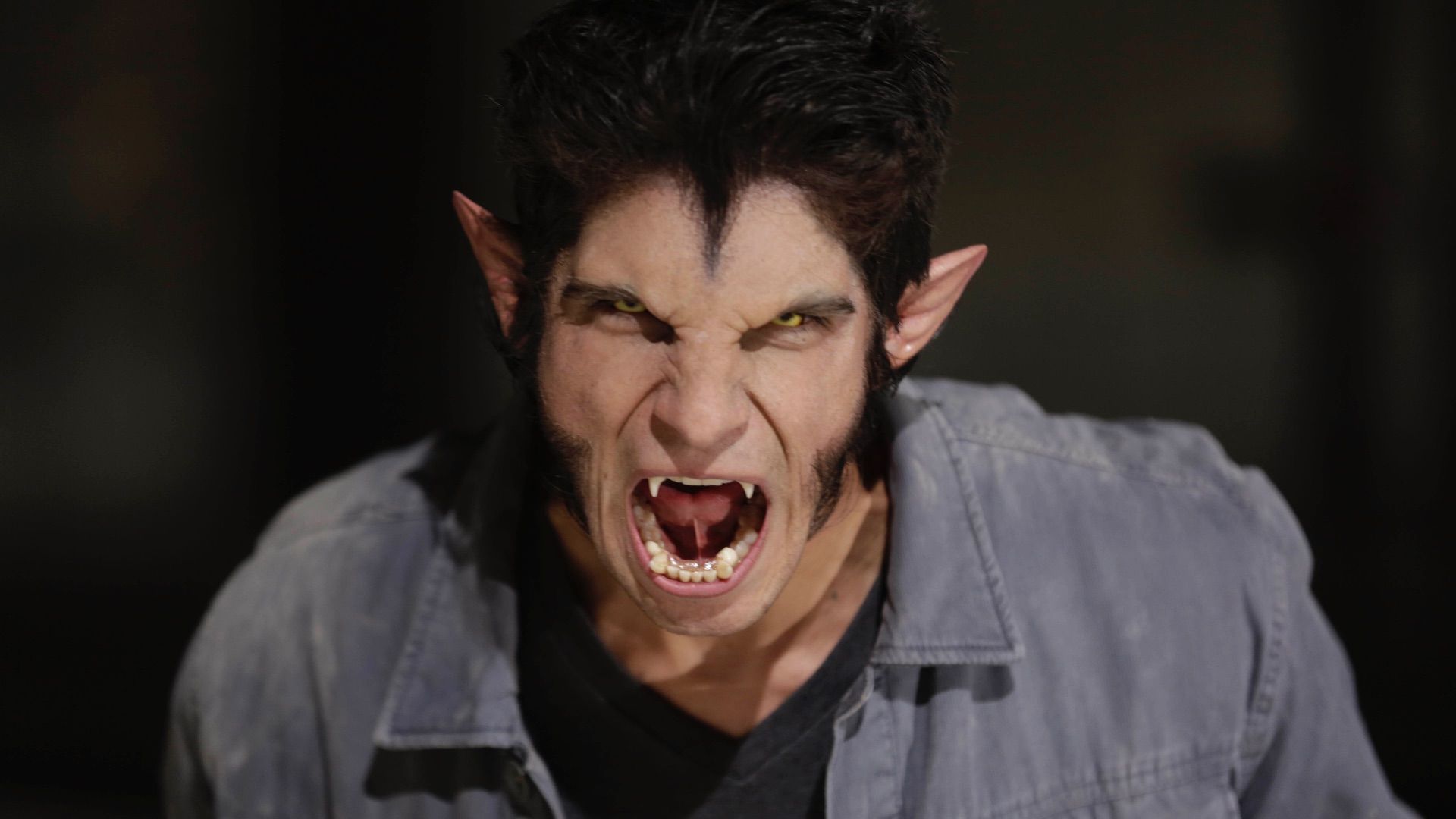
With the recent addition of Teen Wolf to Netflix, many fans are revisiting the show. While it’s still remembered fondly for its supernatural storylines and memorable characters – including the charming Scott McCall (Tyler Posey), the witty Stiles Stilinski (Dylan O’Brien), the popular Lydia Martin (Holland Roden), and the brooding Derek Hale (Tyler Hoechlin) – some aspects haven’t aged as well over the past decade. The series remains an iconic teen drama for many viewers.
The show Teen Wolf built a complex world filled with werewolves, memorable villains, and a rich history of supernatural creatures in the town of Beacon Hills. While many fans were disappointed when Teen Wolf ended after season 6, looking back, it might have been a good decision to wrap things up then, as the show’s storylines were becoming increasingly complicated.
Teen Wolf Constantly Sexualized Teenagers
After Season 1, First Loves Went From Wholesome To Raunchy
 MovieStillsDB
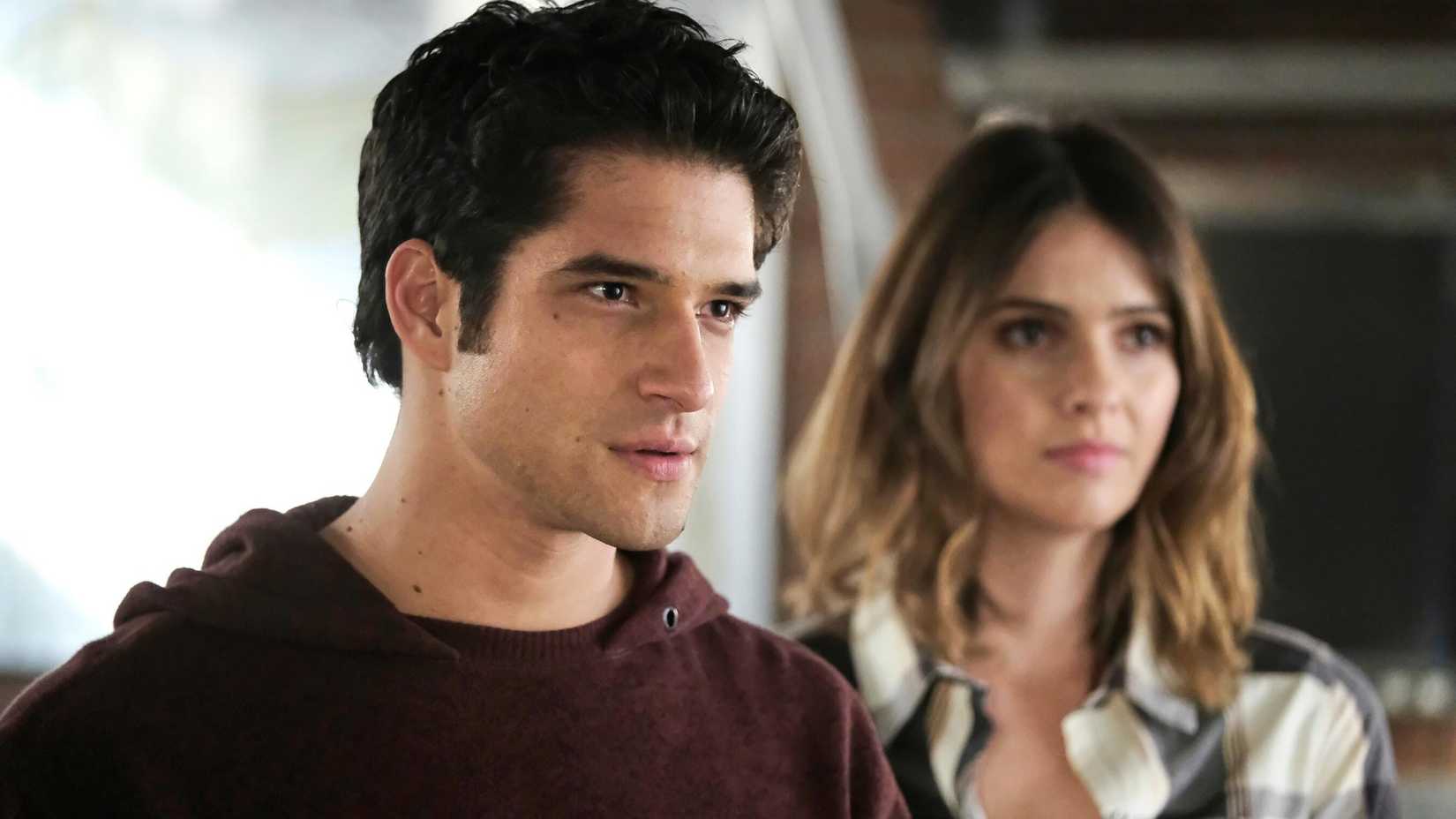
As a big fan of Teen Wolf, I’ve always found the discussion about Scott’s age a little odd. The show really centers around high school life, and most of the cast are supposed to be between 15 and 18. The first season especially nailed that feeling – Scott and Allison’s (Crystal Reed) relationship felt so sweet, innocent, and genuinely young. Unfortunately, that sense of purity didn’t last very long.
Starting with season two, Teen Wolf began to focus more on the characters’ romantic and sexual relationships. This was made clear through scenes like Melissa McCall discovering a nearly empty box of condoms in her son’s room. The show featured increasingly passionate kissing and intimate moments, sometimes making it easy to forget the characters were still teenagers.
Sudden Character Exits Disrupted The Plot
Teen Wolf Rarely Left The Door Open For Return Arcs
 MovieStillsDB
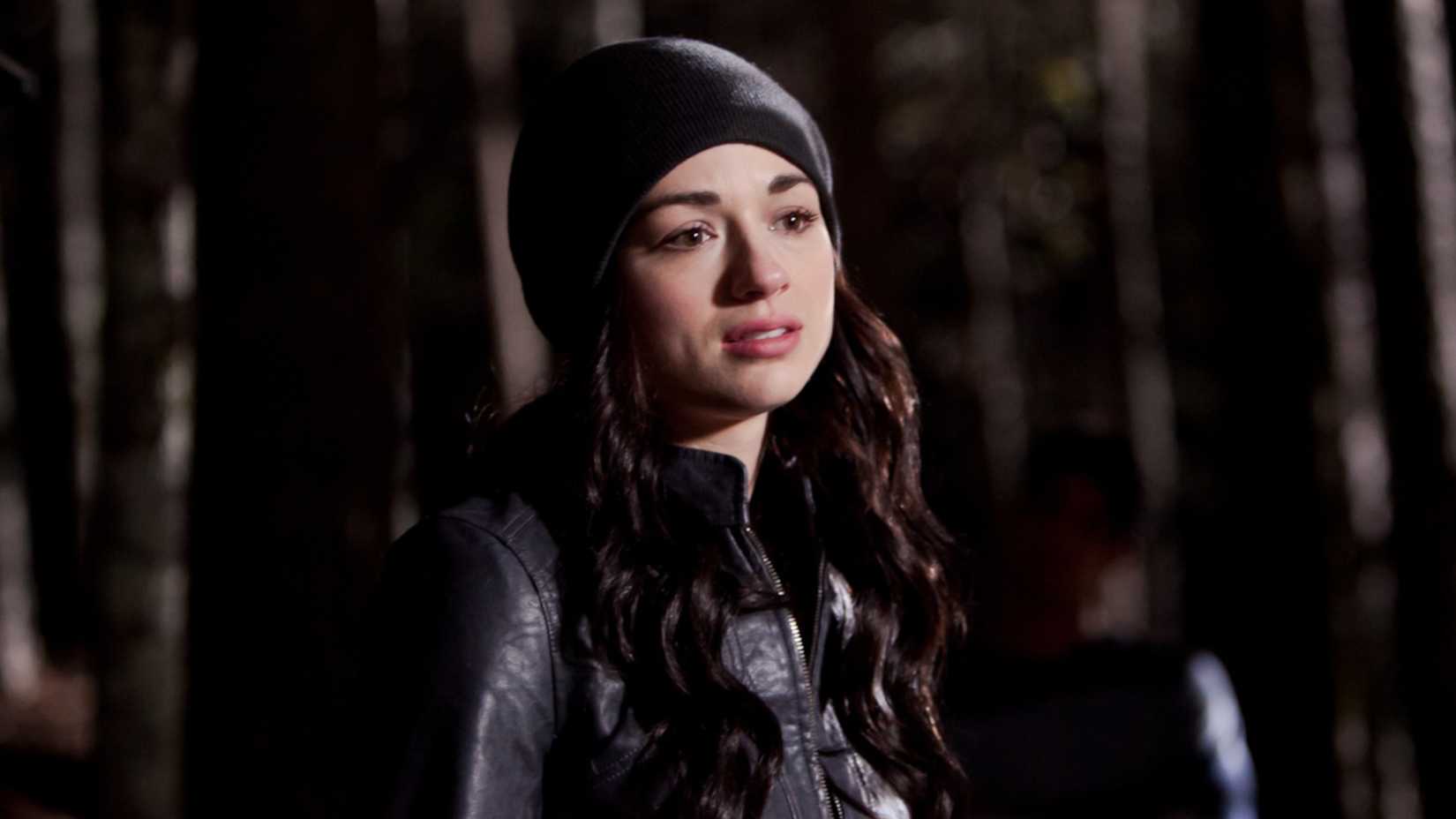
The first couple of seasons of Teen Wolf featured a consistent group of characters. However, starting with season 3, the show saw many cast members leave, which surprised and upset viewers. While popular character Jackson Whittemore (Colton Haynes) suddenly moved to London, the departure of Allison felt much more significant, as she tragically died in season 3, ending Scott’s long-term relationship.
Whether characters died, like Allison and Erica Reyes, or were simply written out of the story by sending them away, Teen Wolf struggled with saying goodbye to its characters. These departures always felt too quick, and storylines that had been building up were often left unfinished. Fans continued to wonder what could have been with each character’s unfulfilled potential.
Main Characters Aside From Scott Were Under-Appreciated
Teen Wolf Gave Its Protagonist Too Much Credit
 MovieStillsDB
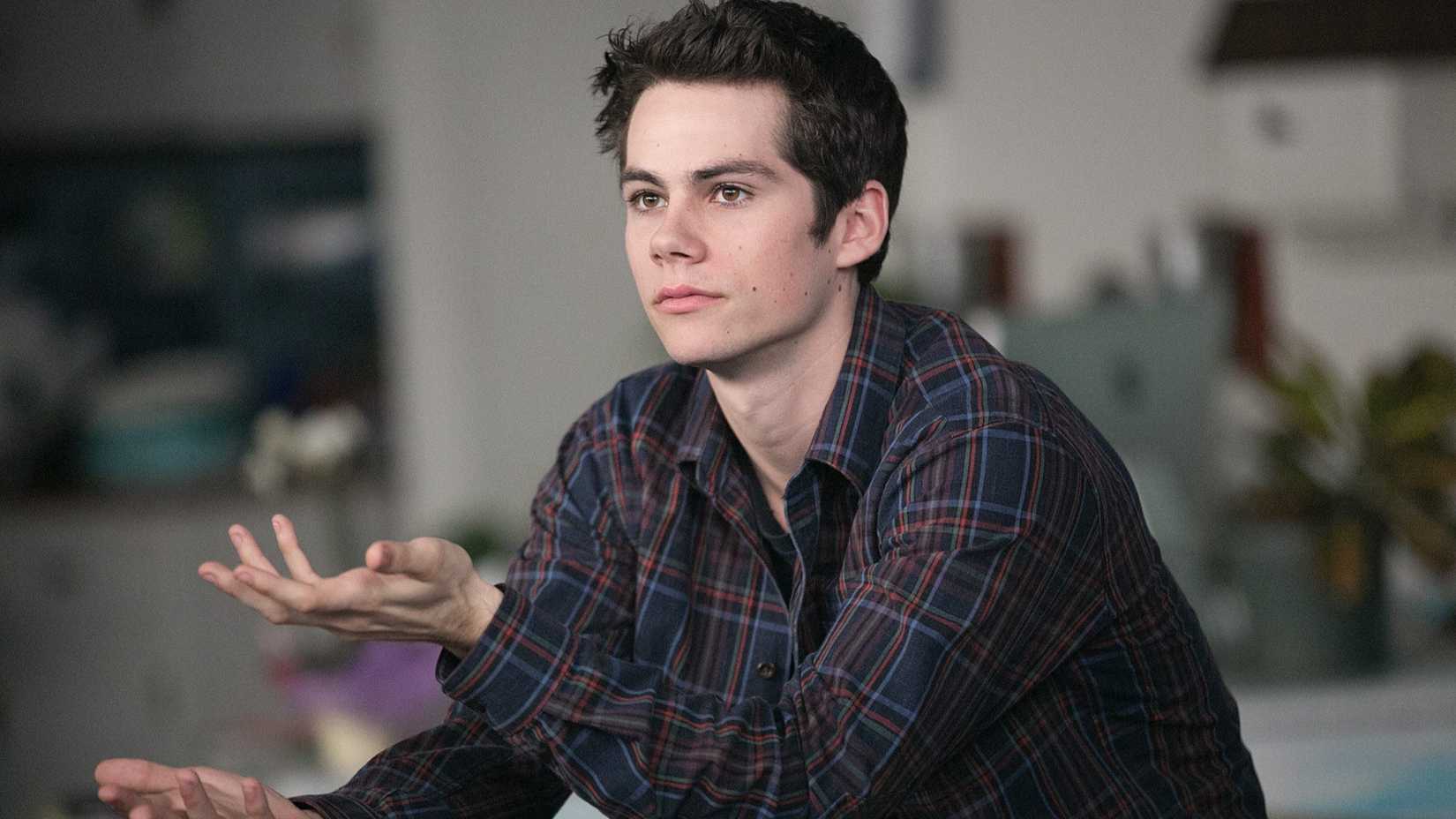
Stiles and Scott had one of the strongest friendships on Teen Wolf, but being so close to Scott, the powerful True Alpha, actually ended up diminishing Stiles’s character. While characters like Stiles and Lydia were essential in overcoming the villains each season, the show consistently focused the spotlight on Scott, often overshadowing the contributions of these other heroes.
The show repeatedly emphasized how crucial Scott was, portraying him as the only trustworthy member of the group. However, Scott wouldn’t have lasted through all six seasons without help from characters like Derek, Liam Dunbar, and Malia Tate. While Scott was the main hero, he always relied on others in his battles.
Side Pairings Often Had Problematic Age Gaps
The High School Heroes Were Frequently Put In Inappropriate Situations
 MovieStillsDB
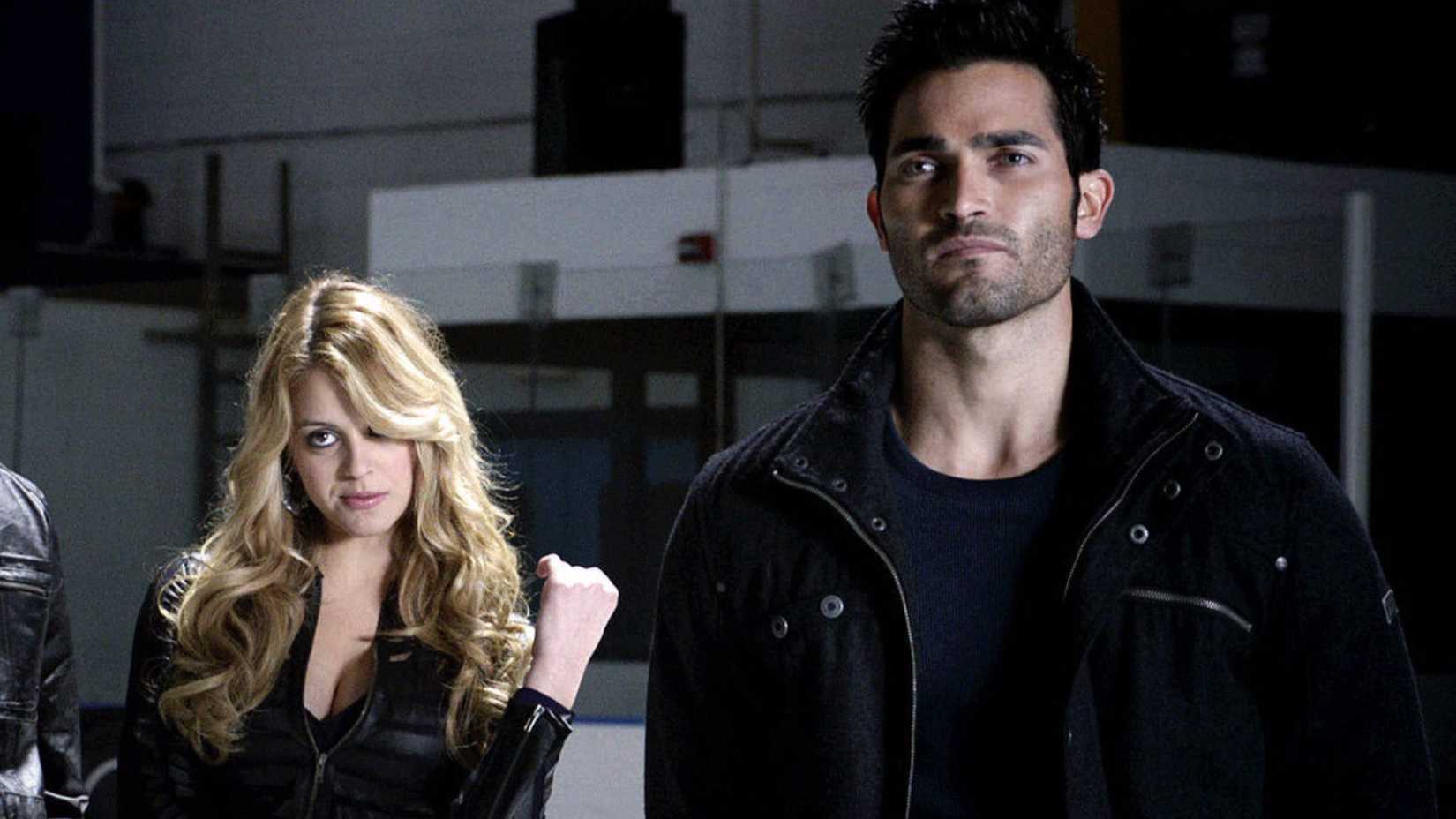
Teen Wolf frequently ignored the ages of its characters, particularly when developing new romances. The show sometimes addressed this awkwardly, such as suddenly making Lydia 18 when she met Jordan Parrish (Ryan Kelley) even though she was still in high school. Parrish, after being brought back to life, was clearly in his early twenties.
Sometimes, Teen Wolf didn’t shy away from questionable relationships. For example, Derek, a character in his twenties, kisses sixteen-year-old Erica to try and get her to become a werewolf. This scene clearly shows how forcing someone isn’t the same as them agreeing, yet these relationships between teens and adults were almost never addressed or criticized on the show.
The Show Failed To Redeem Peter Hale
The Antagonist Never Had Lasting Consequences For His Crimes
 MovieStillsDB
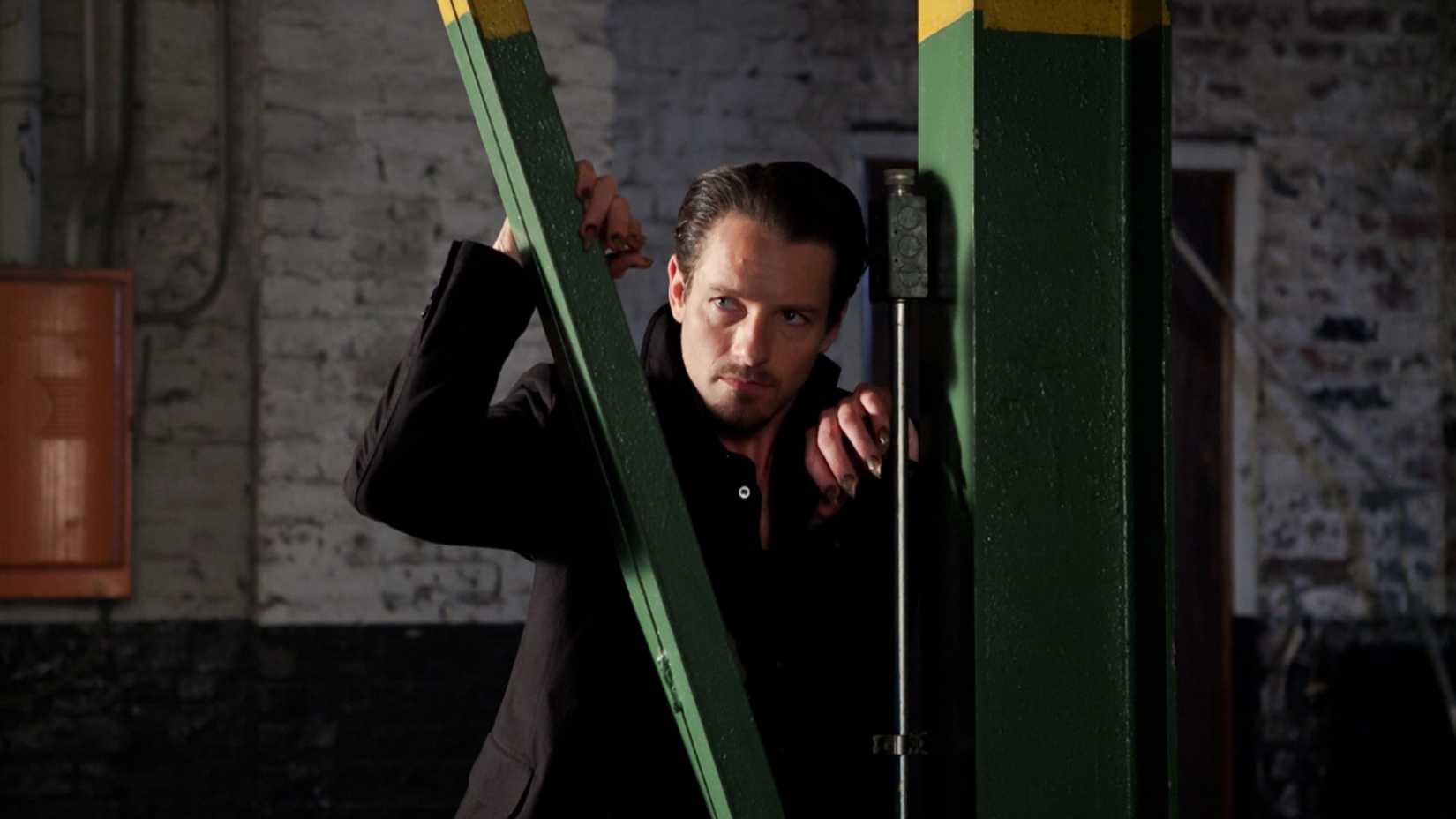
As a huge Teen Wolf fan, I always thought the Hale family was just incredible – they were this powerful, old family with so much supernatural history! Most of them were either born werewolves or became one pretty quickly. It was so tragic when a fire took out a lot of the powerful Hales, and it really set Peter (Ian Bohen) on this path of revenge. Honestly, that’s how the whole series kicked off – Peter, as an Alpha, bit Scott and turned him into a beta, and everything just exploded from there!
Peter Hale consistently used murder, manipulation, and lies to get others to do what he wanted. Despite this, the series ends with Scott suggesting Peter has become an ally and is now working with the McCall pack, seemingly abandoning his evil behavior. However, because Peter’s wrongdoing was never properly addressed, this sudden change felt forced and unconvincing.
Teen Wolf Was Too Dark (Literally)
The Lighting Made Pivotal Moments Hard To See
 MovieStillsDB
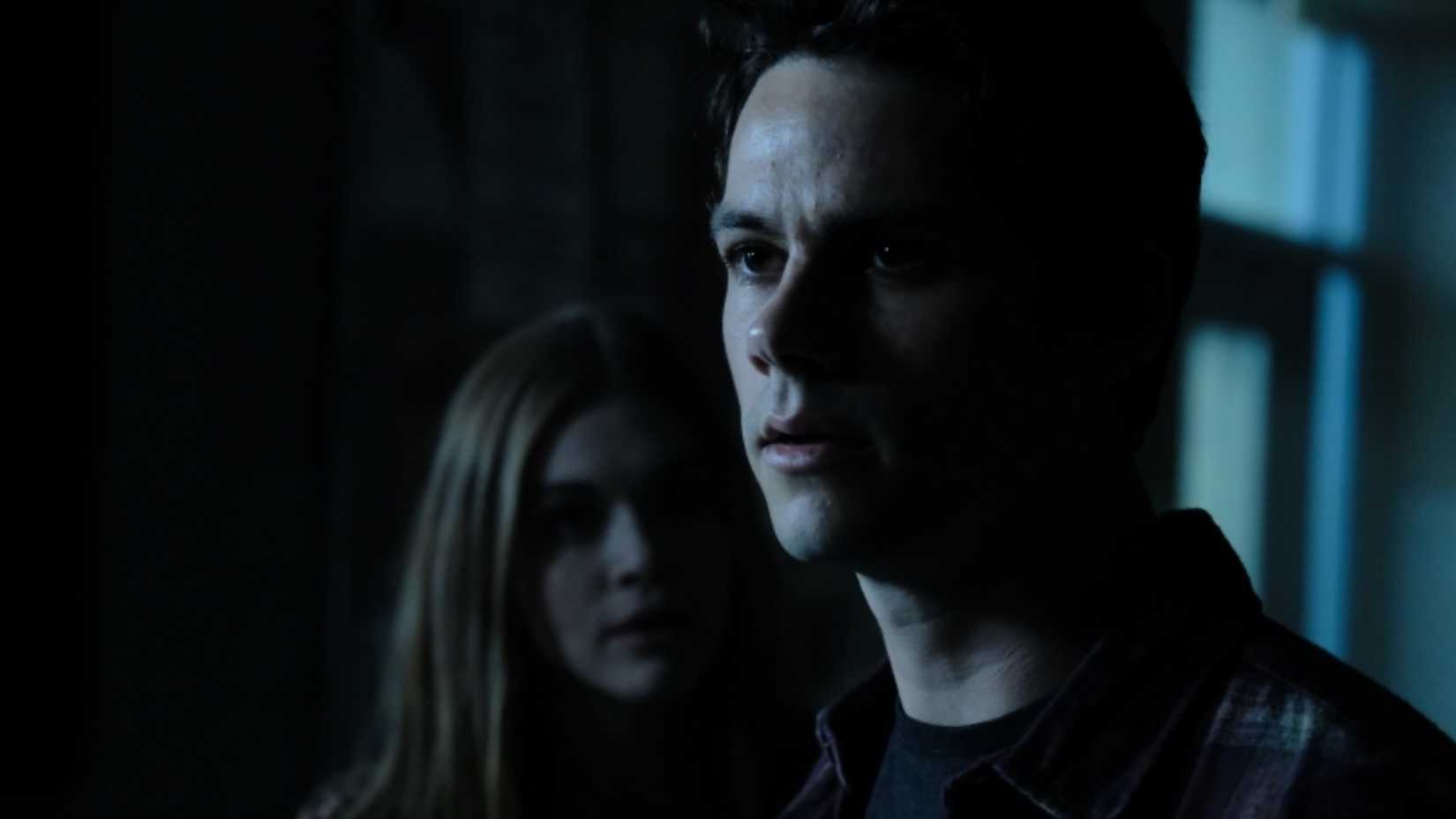
Despite all the violence, frightening imagery, and difficult family relationships, one of the most striking things about the show was its use of lighting. Throughout the original six seasons of Teen Wolf, scenes were often very dark. Whether it was a heartfelt talk or a big fight, important moments were frequently filmed with characters hidden in shadows.
Some argue the show’s dark atmosphere adds to the mystery and suspense by obscuring details. However, Teen Wolf is still a TV show, and when the lighting is so dim you can’t see the actors’ faces, it undermines their performances.
Teen Wolf’s Werewolf Design Didn’t Age Well
The 2010s Effects Are Simply Dated
 MovieStillsDB
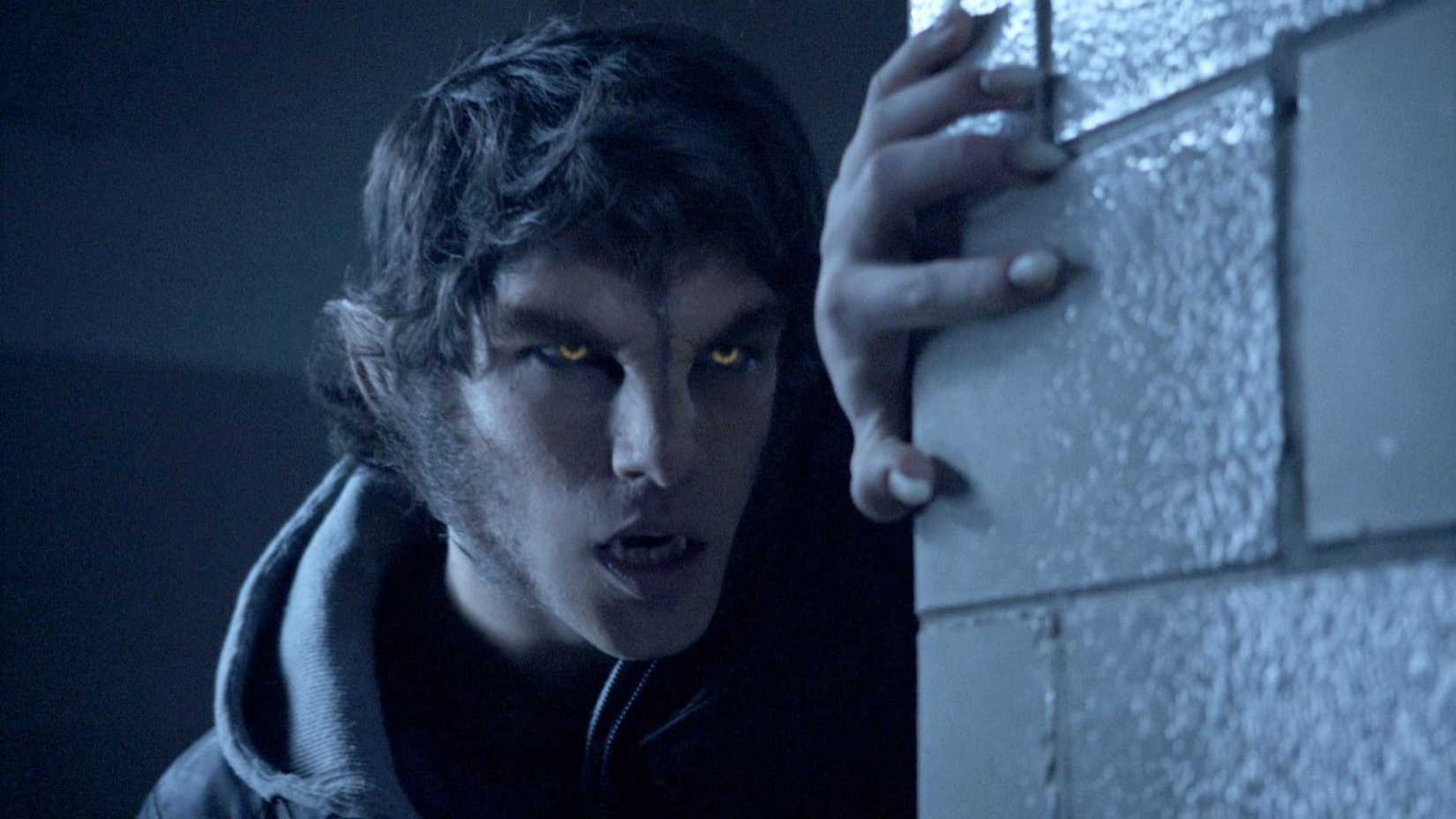
Even though the werewolves in Teen Wolf are supposed to be incredibly powerful, they don’t seem very frightening to viewers today. The show faced challenges because it was a teen drama on MTV and was made in 2011. Special effects have come a long way since then – what looked realistic in horror movies like Midsommar and The Substance now easily surpasses the effects used in Teen Wolf.
While it’s not reasonable to compare the special effects in Teen Wolf – things like obvious CGI, edited eyes, and fake fur – to the high quality of a blockbuster like Wicked, which had a much larger budget, the monsters in Teen Wolf now often look unintentionally funny to people watching it for the first time.
Lydia’s Powers Were Underdeveloped
She Could Have Had The Best Development Out Of Anyone
 MovieStillsDB
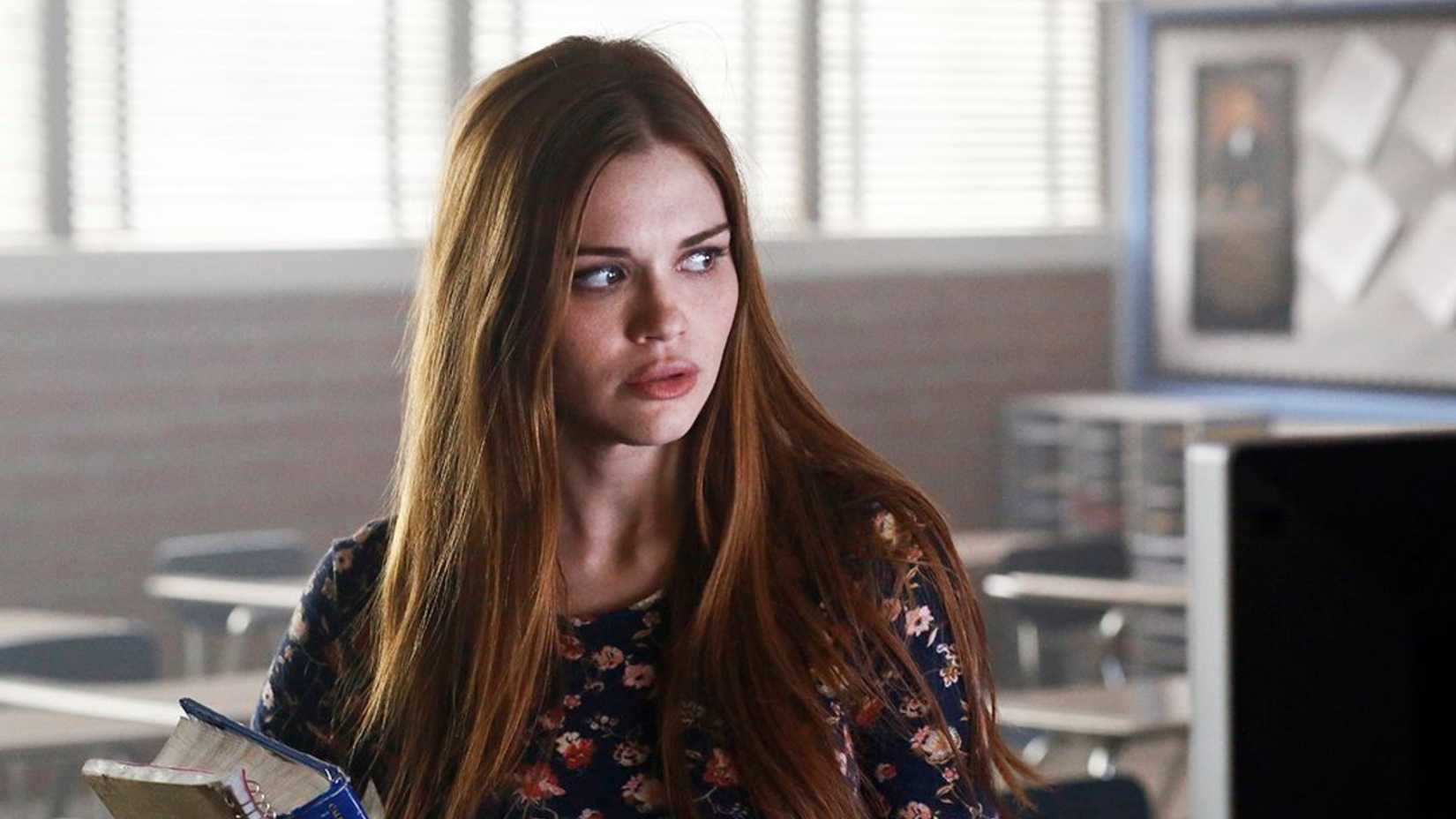
As a huge fan of Teen Wolf, I was totally on the edge of my seat at the end of season one! It looked like Lydia was either going to be killed off or become a werewolf. But season two threw a curveball! Turns out, she became something else entirely – a banshee. Basically, these creatures are known for their eerie wails that happen right before someone dies. And it’s not just about the screams – Lydia also started getting premonitions, could interpret them, and even use her voice as a weapon. It was such a cool twist!
When Peter bit her, Lydia gained hidden powers inherited from her family, but it wasn’t until the third season that she understood what they were. Unlike other supernatural characters who learned to control their abilities over time, Lydia’s powers often emerged suddenly during intense moments. This made her surprisingly powerful, but her abilities weren’t fully explained or developed.
The Show Added Too Many Supernatural Creatures
The Show Broadened Its Scope Well Beyond Werewolves
 MovieStillsDB
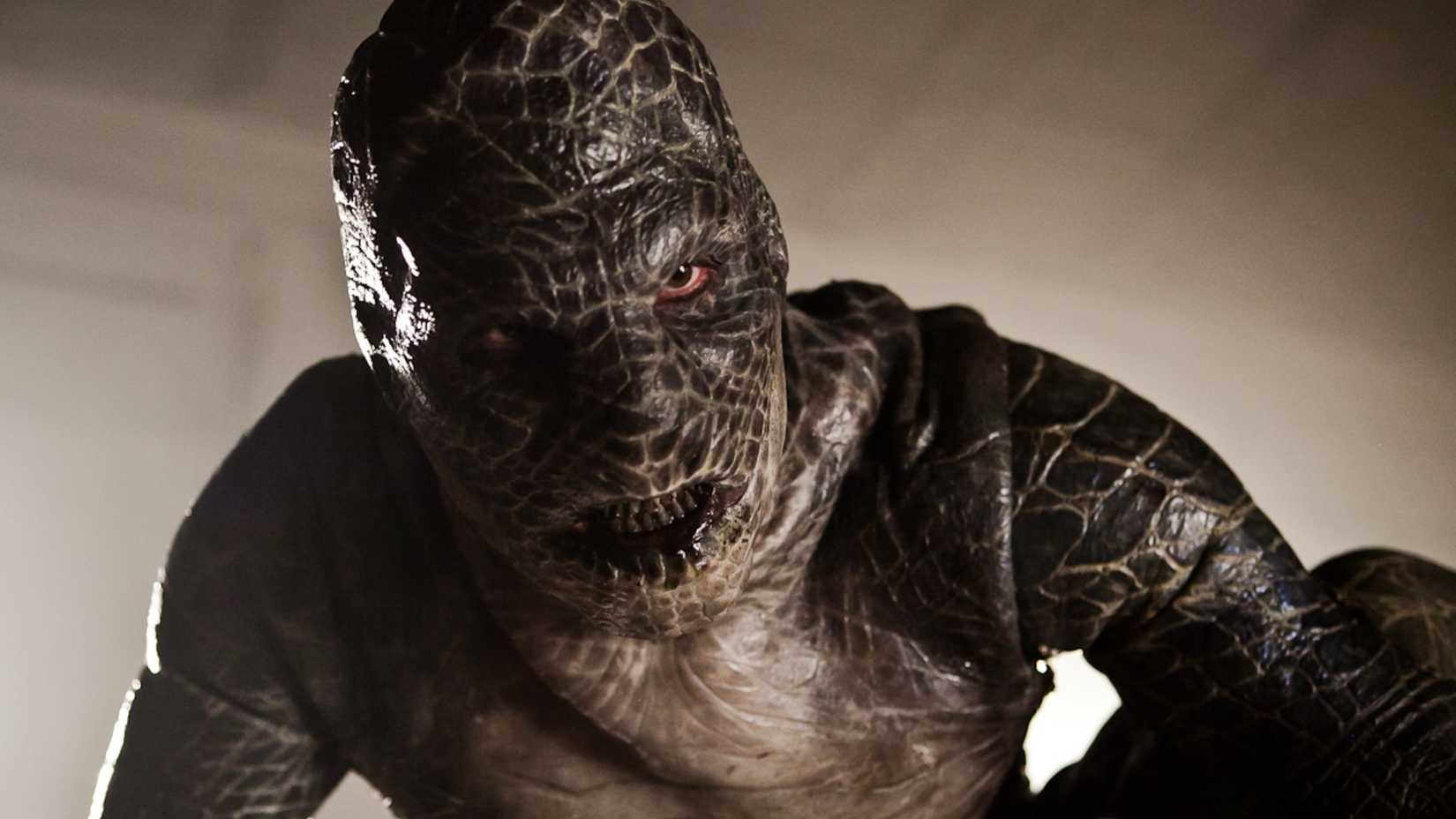
Initially, Teen Wolf was a straightforward show about werewolves. However, the town of Beacon Hills soon became home to many different supernatural beings. While some of these additions, like the Kitsune and Ghost Riders, created compelling storylines, the show gradually moved away from its werewolf roots. It ultimately felt more like a general fantasy series, which didn’t quite match the original premise suggested by its title.
The show Teen Wolf featured a wide variety of shapeshifters – eight different kinds, actually – from werewolves that transformed into jaguars and coyotes to the more unusual, reptilian Kanima. Although werewolves naturally suggest the existence of other monsters, Teen Wolf might have been stronger if it had focused on fewer creatures. Limiting the scope to just a handful would have made the story feel more deliberate and ultimately, more powerful.
Teen Wolf Typically Overlooked Its Characters’ Trauma
The Characters Were Constantly In Mortal Danger
 MovieStillsDB
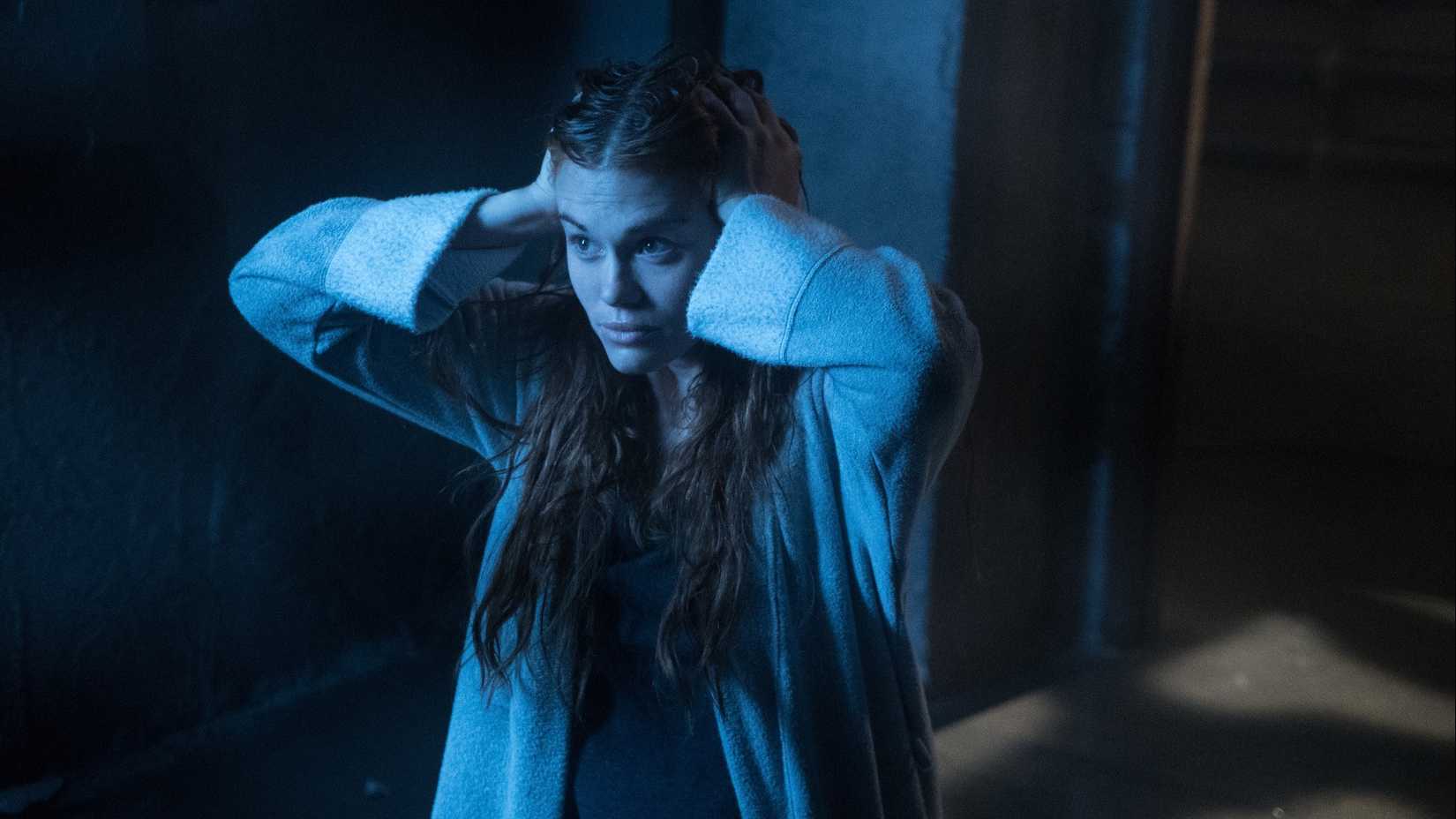
Despite its sometimes lighthearted tone, Teen Wolf features genuinely heartbreaking moments that could seriously affect real teenagers. Throughout the series, the main characters face incredibly difficult experiences, like being resurrected, controlled by evil forces, or even having to kill people they cared about. They consistently deal with unimaginable tragedy each season.
While Teen Wolf sometimes acknowledges the emotional impact of events on its characters – for example, the episode ‘Motel California’ addressed Isaac’s PTSD – the show rarely provides them with healthy ways to deal with their trauma. Instead of allowing the teens to process and recover, Teen Wolf often keeps them in a cycle of denial, which risks undermining the show’s positive qualities.
2025-12-15 20:02