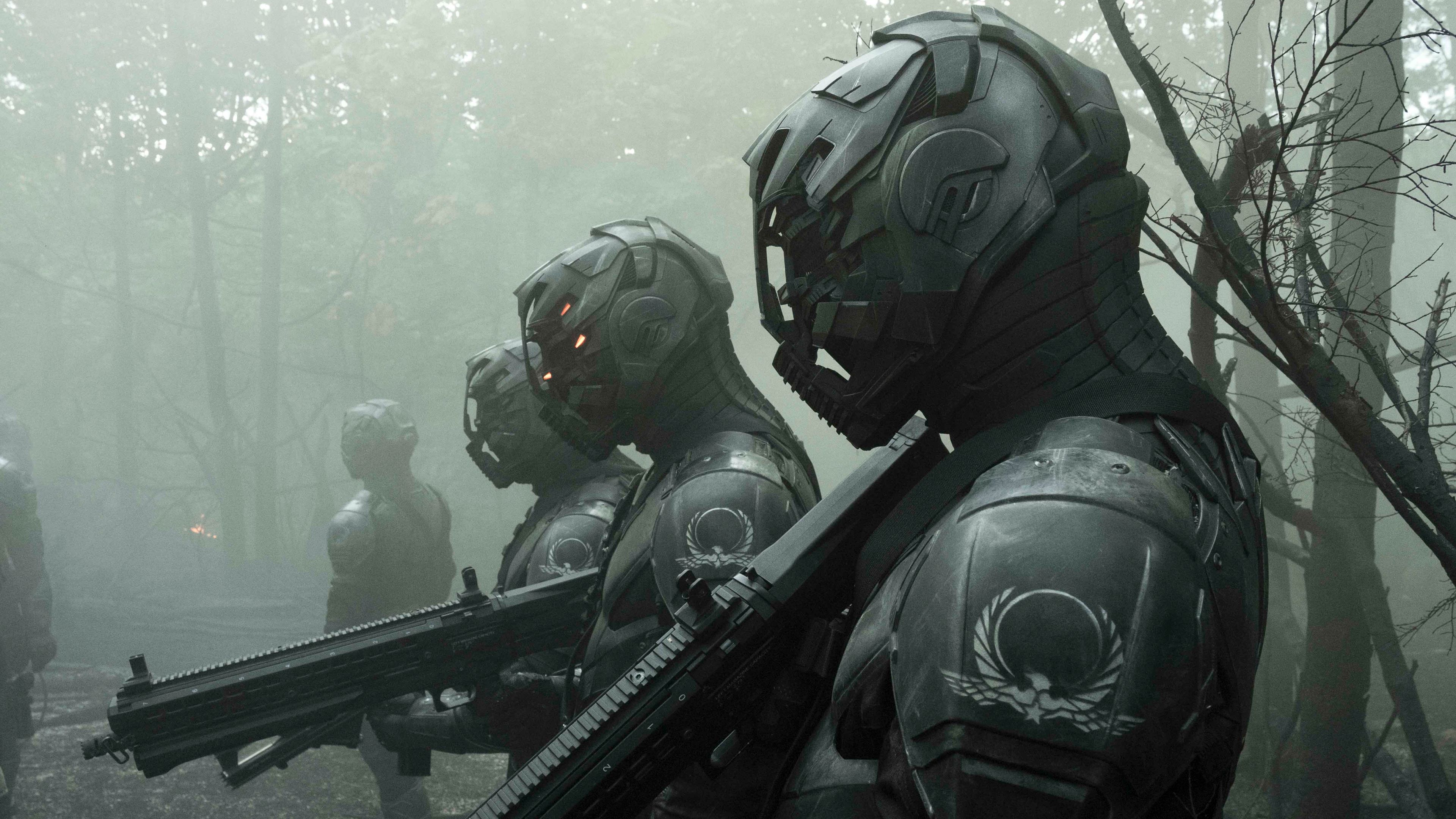
The Netflix series Altered Carbon, though it only lasted two seasons, is a standout adaptation of the cyberpunk genre. Cyberpunk’s roots are in 1960s science fiction, but the genre really took shape with William Gibson’s groundbreaking novel Neuromancer, published in 1984.
Cyberpunk really took off in popular culture with works like Frank Miller’s Ronin in comics, Ridley Scott’s Blade Runner in film, and anime movies such as Akira and Ghost in the Shell. It’s a style defined by a blend of gritty, down-and-out living with advanced technology. These stories are usually set in rundown, brightly lit cities of the future, where a lack of morals is common.
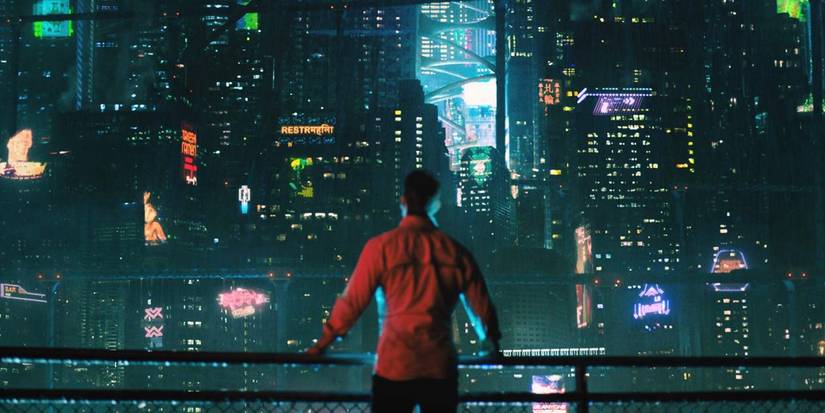
The cyberpunk look is very recognizable, with its futuristic designs, dramatic lighting, and dark city settings, making it challenging to recreate effectively in live-action films. Ridley Scott’s Blade Runner remains the best example, but films like The Matrix, Minority Report, and Escape from New York have also successfully used this style.
A fantastic cyberpunk series called Altered Carbon premiered on Netflix but didn’t get the attention it deserved. It successfully captured the gritty, neon-lit world of classic cyberpunk stories and expanded on it with a full season.
What Is Altered Carbon About?
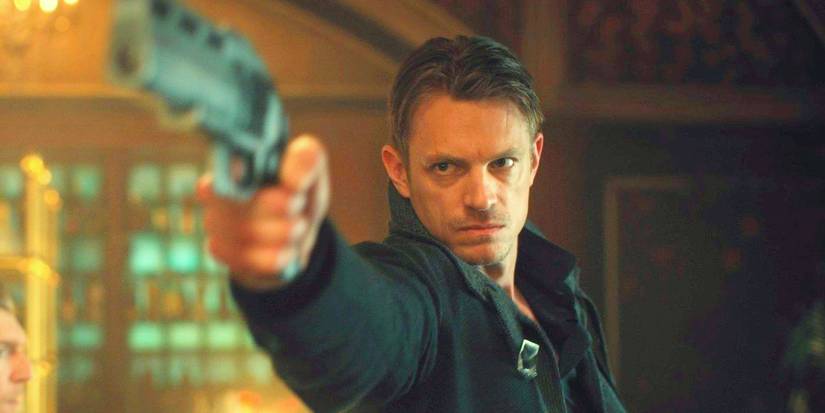
Based on Richard K. Morgan’s 2002 novel, Altered Carbon is set 360 years in the future, where people can transfer their minds into new bodies. The story follows Takeshi Kovacs, a former soldier now working as a detective, who is freed from prison to investigate a murder.
As a critic, one of the biggest risks I see when a film actor moves to television is the commitment – shows need years, and stars aren’t always keen to sign on for that long. But the team behind Altered Carbon cleverly sidestepped that issue. They used the show’s core concept – ‘sleeving,’ or transferring consciousness – as a way to essentially recast the main character each season. It’s a really inventive solution to a common problem.
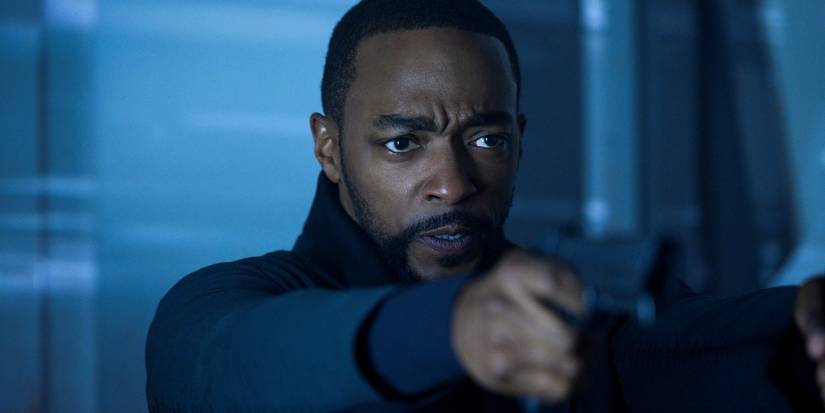
The first season of the show takes place in 2384 and stars Joel Kinnaman as Kovacs, while season two jumps ahead to the early 2410s with Anthony Mackie in the role. This shifting format offered a creative way to keep the story interesting and explore the complex character of Kovacs from different angles. Unfortunately, the show’s unique anthology style wasn’t allowed to fully develop.
The show first appeared on Netflix in early 2018 with ten episodes. Because it was so well-received, Netflix quickly ordered a second season just a few months later. In 2020, the story expanded with season 2 and a separate animated movie. Unfortunately, the series was ultimately canceled after that.
How Altered Carbon Got Cyberpunk Right
Altered Carbon is a standout example of cyberpunk done right. It perfectly captures the genre’s look – think vibrant colors, a classic noir feel, and rain-slicked cityscapes glowing with neon. While many live-action cyberpunk adaptations focus only on style, Altered Carbon delves deeper, exploring the complex ideas that make cyberpunk stories so compelling.
Cyberpunk stories typically focus on the lives of ordinary people navigating a technologically advanced world. These futures often present a stark contrast: a luxurious paradise for the wealthy and a grim, oppressive reality for everyone else. The series Altered Carbon highlights the deep class divisions common in cyberpunk—and classic detective stories—where the poor struggle to survive while the rich can essentially achieve immortality by transferring their consciousness into new bodies.
Why Altered Carbon Was Canceled
Netflix has a reputation for ending promising shows too soon, before they can gain popularity. For example, they canceled Mindhunter after just two excellent seasons, and Santa Clarita Diet right as it was starting to get good. They also went back and forth with GLOW, initially renewing it for a final season to finish the story, but then ultimately canceled it.
Netflix canceled Altered Carbon, which isn’t surprising. Sci-fi shows with lots of visual effects are costly to make, so they need to become popular quickly to justify the expense. Shows that become massive hits like Stranger Things or Game of Thrones are rare and don’t happen often.
After the cancellation of Altered Carbon was announced in August 2020, many believed the ongoing COVID-19 pandemic played a role. With so much uncertainty about when filming could resume, numerous TV shows were canceled during the lockdown to allow actors to fulfill their contracts and reduce costs.
Netflix says the decision to cancel Altered Carbon wasn’t related to COVID-19 (according to Deadline). They routinely evaluate whether the cost of making another season of a show is worth the viewership it brings in. In the case of Altered Carbon, the numbers didn’t support producing a third season.
2025-12-13 00:59