Time travel is a long-standing idea in science fiction and has been a part of this series from the very beginning. It first appeared in the first season of The Original Series with the episode “The Naked Time,” and has been featured in many episodes since then, often playing a key role in some of the most memorable stories.
Time travel stories, including those in Star Trek, can often be complicated and confusing due to paradoxes, alternate realities, and time loops. Fortunately, Star Trek has several time travel episodes that are easy to understand and enjoyable because they offer clear explanations, avoid most paradoxes, and maintain a consistent timeline.
The City on the Edge of Forever Features One Timeline
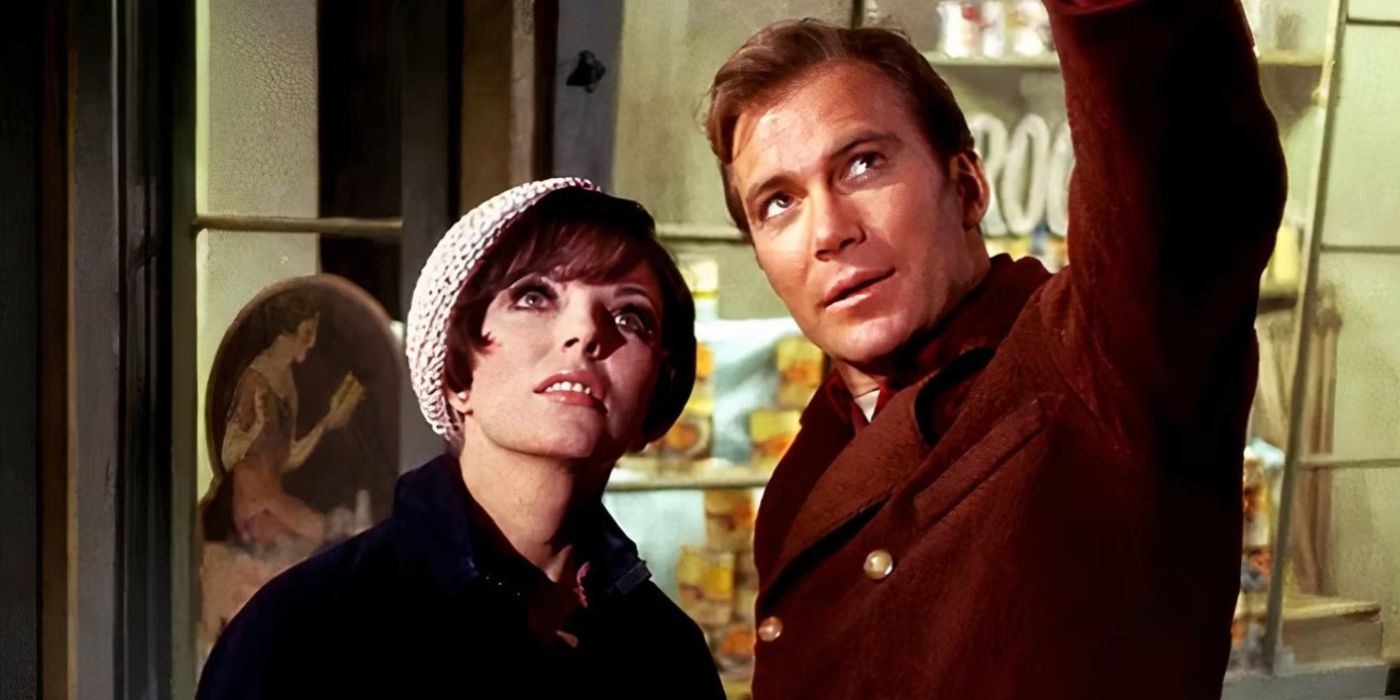
A classic Star Trek episode from the original series (Season 1, Episode 28) features the Enterprise crew stumbling upon a city with gateways to different times and realities. Their exploration goes awry when they unintentionally pass through one of these gateways, changing the course of history.
Although the team within the city remains unaffected, everything else – including the Federation – experiences changes. Because time flows as one continuous line, even small actions can create significant ripple effects.
As a big fan, what I really appreciated about this episode was how carefully it handled time travel. It stuck to a clear set of rules – basically, the timeline was solid and anything the crew did didn’t just wipe out the future or create alternate realities. It felt like they were walking a tightrope, making changes but being super careful not to unravel everything, just like Kirk and his crew always try to do. It was consistent and avoided those frustrating paradoxes you sometimes see in time travel stories.
Mirror, Mirror Includes a Consistent Parallel Universe
In the Star Trek: The Original Series episode “Mirror, Mirror” (Season 2, Episode 4), Kirk, McCoy, Scotty, and Uhura experience a transporter malfunction that sends them to a parallel universe. This alternate reality features an Enterprise where crew members advance in rank by fighting and winning dominance.
Even this version of Spock is a cool-headed and strategic thinker, but he’s logical enough to notice something is off with Kirk. The crew needs to navigate this dangerous world without changing anything in either timeline.
The episode handles time travel consistently. It establishes two separate universes that exist side-by-side, and traveling between them doesn’t alter what happened in the original universe. As a result, everything that happens in each universe makes sense within its own timeline.
Cause and Effect Presents a Clear Time Loop
In the Star Trek: The Next Generation episode “Cause and Effect” (Season 5, Episode 18), the Enterprise finds itself stuck in a repeating time loop, always ending in disaster. What’s unique is that the entire crew works together to figure out what’s happening and how to escape, rather than just one person realizing the problem.
Jonathan Frakes’ direction skillfully highlights the subtle shifts with each time loop, making the story both engaging and believable. The addition of Kelsey Grammer as a ship captain experiencing this decades-long cycle is another great element.
The story unfolds in a repeating cycle where events happen again and again until the characters make different choices. It’s straightforward to understand because time doesn’t reset – figuring out the solution simply involves understanding how the events play out.
Yesterday’s Enterprise Corrects an Altered Timeline
The Star Trek: The Next Generation episode “Yesterday’s Enterprise” (Season 3, Episode 15) is a fan favorite and features a dramatic alternate reality. In this timeline, security chief Tasha Yar is still alive, but the Federation is locked in a war with the Romulans. When the Enterprise encounters a damaged ship from the past, its presence begins to unravel the present, threatening to permanently alter the timeline.
Guinan tells Tasha that things have changed and she doesn’t quite fit into this new reality. The crew then focuses on getting the ship back to where it belongs, hoping to fix the timeline and set things right. The story remains consistent – the problem is caused by just one ship being out of place, and the crew believes they can undo the changes.
Timeless Avoids the Complication of Paradoxes
The Star Trek: Voyager episode “Timeless” (Season 5, Episode 6) marks a significant moment with a dramatic time travel story. When Voyager crashes on a frozen planet while trying to return to the Alpha Quadrant, Harry Kim and Chakotay are the only ones left alive. They then spend 15 years working to send a message back in time to stop the crash from ever happening.
Because time travel in this case only involves sending information – not physically moving people – it doesn’t create paradoxes. The idea is simple: a warning sent to the past changes what happens, but in a way that makes logical sense and doesn’t cause contradictions.
Relativity is a Logical Temporal Paradox Episode
In the Star Trek: Voyager episode “Relativity” (Season 5, Episode 23), Seven of Nine is asked by a timeship from the future to stop a bomb that could cause a paradox affecting Voyager. She journeys to key moments from Voyager’s history, including its initial construction and repairs, to protect the ship.
The story makes it possible for Seven to logically affect the past. Because the timeship carefully controls any changes, the timeline remains consistent and doesn’t create paradoxes – everything that happens fits with what already occurred.
Trials and Tribble-ations Uses a Predestination Loop
The Deep Space Nine episode “Trials and Tribble-ations” (Season 5, Episode 6) cleverly sends characters back in time to the original Star Trek’s “The Trouble with Tribbles.” The episode combines the fun of the original story with a heartwarming sense of nostalgia, and features a memorable encounter between Captain Sisko and Captain Kirk as they interact with footage from the classic series.
This episode is enjoyable and simple to understand, and it makes sense because the crew doesn’t alter the past – they actually complete it. Everything they do was already meant to happen, creating a story where events are predetermined without causing any confusing paradoxes.
2025-12-07 06:41