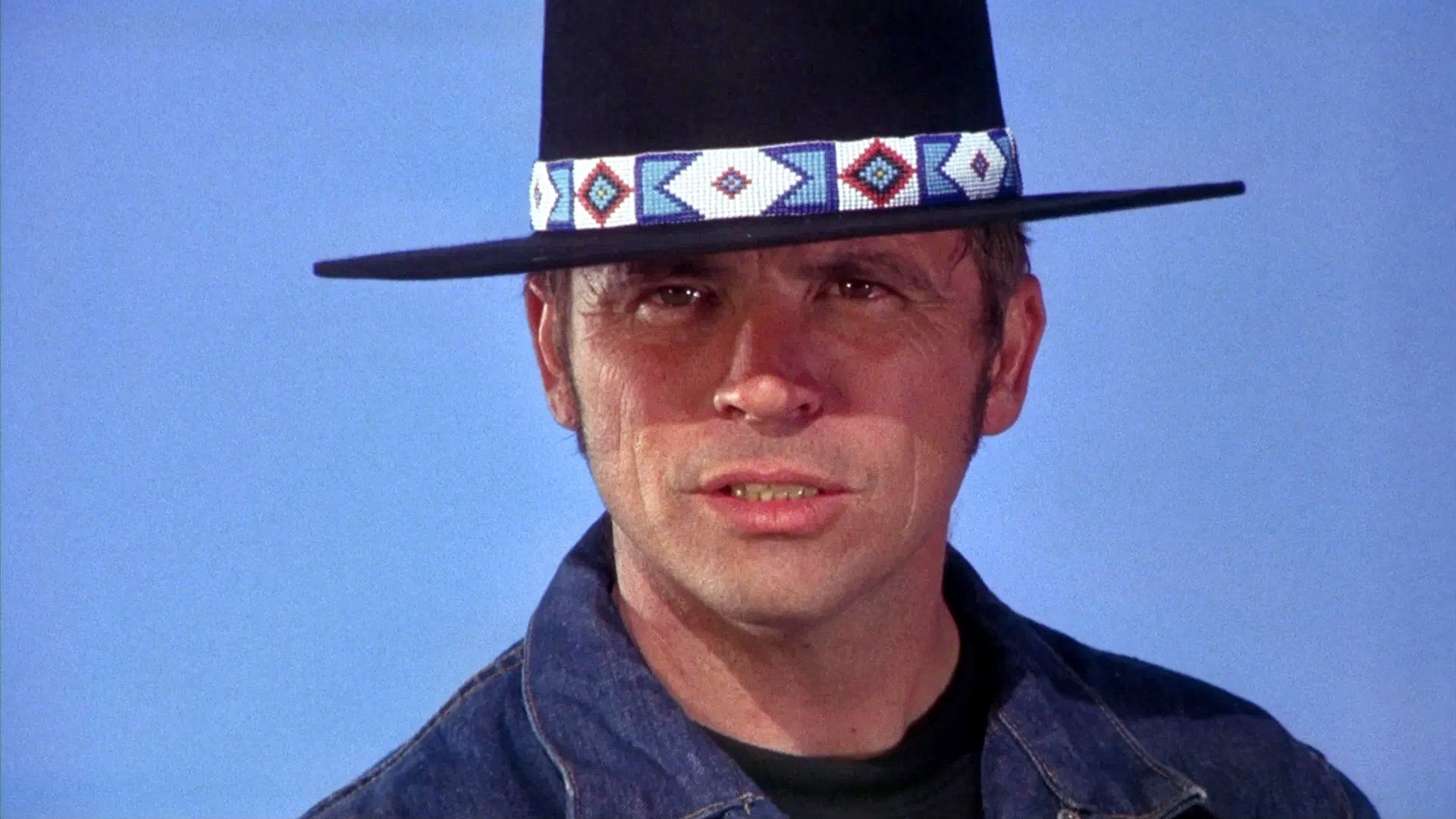
The character Billy Jack was very similar to Jack Reacher, the popular hero from modern novels, but the Billy Jack films have largely faded from memory. Jack Reacher, created by Lee Child, is a former Army officer – strong, skilled, and always on the move – who prefers solitude but constantly finds himself embroiled in trouble.
Tom Cruise has played the character in two films, and Alan Ritchson stars as him in the hit Prime Video series. The fourth season of Reacher will be based on the novel, Gone Tomorrow. Author Lee Child has said that Sherlock Holmes and the classic “lone wanderer” figure were key inspirations for the character of Reacher.
I’ve been thinking about classic 70s characters, and it struck me how impactful Billy Jack was – a really unique figure played by Tom Laughlin. He was a Vietnam vet, part Native American, and totally dedicated to standing up for the underdog. It’s easy to forget now, but Billy Jack wasn’t just a movie – he was a huge cultural moment back then, and I find it fascinating that he doesn’t often get mentioned when people talk about that era.
Billy Jack Was The Jack Reacher Of The 1970s

Billy Jack and Jack Reacher seem similar at first glance. Both are quiet, don’t like to fight unless they have to, and are skilled in combat, with experience from serving in the military. However, despite these similarities, there are also important distinctions between the two.
Jack Reacher prefers to live a life without ties, and though he’s not a funny guy, he can be witty at times. This is quite different from Billy Jack, who seems incapable of smiling despite having someone he cares about. Billy takes everything incredibly seriously. However, both men share a strong sense of right and wrong, which is what truly connects them.
Both Jacks are reserved and don’t easily show their feelings, but they feel compelled to act when they witness unfairness. That’s why it’s so enjoyable to watch them fight the villains. This creates an interesting contrast with the overall message of Billy Jack, which generally promotes peace and non-violence.
The Billy Jack Movies Were Huge During The 1970s

Billy Jack first appeared in the 1967 biker film, The Born Losers, where he fought against a dangerous motorcycle gang that was causing trouble for a town. The film was a surprise success, leading to three sequels created by Laughlin: Billy Jack (1971), The Trial of Billy Jack (1974), and Billy Jack Goes to Washington (1977).
The film Billy Jack was a surprising hit. It’s a story about a tough martial arts expert fighting against injustice, but it also includes long, unusual scenes – like kids singing songs about peace or a town council debating students from an alternative school.
The movie includes long, unscripted scenes of an improv group brainstorming ideas. It definitely reflects the culture of the hippie movement, but it’s still surprising that the lead character resonated so strongly with viewers back in 1971.
Although critics had varying opinions, Billy Jack was a huge financial success, earning $98 million in 1971 (according to The Numbers). This was especially remarkable because the film was made on a tiny $800,000 budget and was released independently after major studios like Warner Bros. lost interest.
The original Billy Jack was a surprise hit, defeating popular films like The French Connection, Diamonds are Forever, and Dirty Harry. Because of its success, a sequel, The Trial of Billy Jack, was quickly made. This lengthy, almost three-hour movie continues the story right after the first film ends.
The sequel continued to emphasize political and moral themes, even more so than the first film. Despite receiving overwhelmingly negative reviews, it was a huge commercial success, earning $89 million. This made it the third-highest-grossing film of 1974, performing better than both The Godfather: Part II and The Texas Chain Saw Massacre.
The Billy Jack Franchise Flamed Out

As a film buff, I have to say the second and third Billy Jacks movies were something else – truly one of a kind. They just threw so many different genres together in a way nobody had ever seen before. Sadly, Tom Laughlin couldn’t quite recapture that magic with Billy Jack Goes to Washington. It just didn’t have the same spark.
Given Laughlin’s outspoken criticism of corrupt politicians and the country’s problems, it wasn’t surprising his righteous hero ended up in Washington D.C. Although his earlier films had been very successful, he once again funded the movie himself, but Billy Jack Goes to Washington received very limited distribution in theaters.
Laughlin later suggested that powerful people in Washington tried to prevent the film from being seen, believing its message was too controversial. However, critics who actually saw the movie generally disliked the ending, and with only one fight scene, it didn’t quite fit into the action genre either.
In 1985, Tom Laughlin tried to revive the Billy Jack series with a new film set in New York. However, early in production on the fifth movie, Laughlin was hurt during a stunt, and the film ran out of funding, leaving it incomplete.
The Billy Jack Movies Have Aged Badly

It’s strange how little remembered the Billy Jack films are, considering how popular they once were. That’s probably because they feel very much of their time. Aside from The Born Losers, which is a surprisingly good action movie, the Billy Jack films haven’t aged well and can be difficult to watch today.
These films are full of contradictions – the hero promotes peace but frequently fights with martial arts. The movies also jump between lighthearted comedy and disturbing scenes of racial violence, and the main character, Billy Jack, is often absent for significant portions of the story.
The Billy Jack films aren’t always polished or easy to follow, but they remain strangely compelling. Tom Laughlin deeply believed in the ideas he was trying to express through these movies, and even though they can feel overly preachy and instructional, he stayed true to his artistic goals.
Despite their initial success, films like Billy Jack haven’t aged as well as classics such as Dirty Harry or The Godfather: Part II. Following Tom Laughlin’s death in 2013, there are no plans to continue the Billy Jack series, although Keanu Reeves was once considered for a remake in the early 2000s.
2025-12-03 20:23