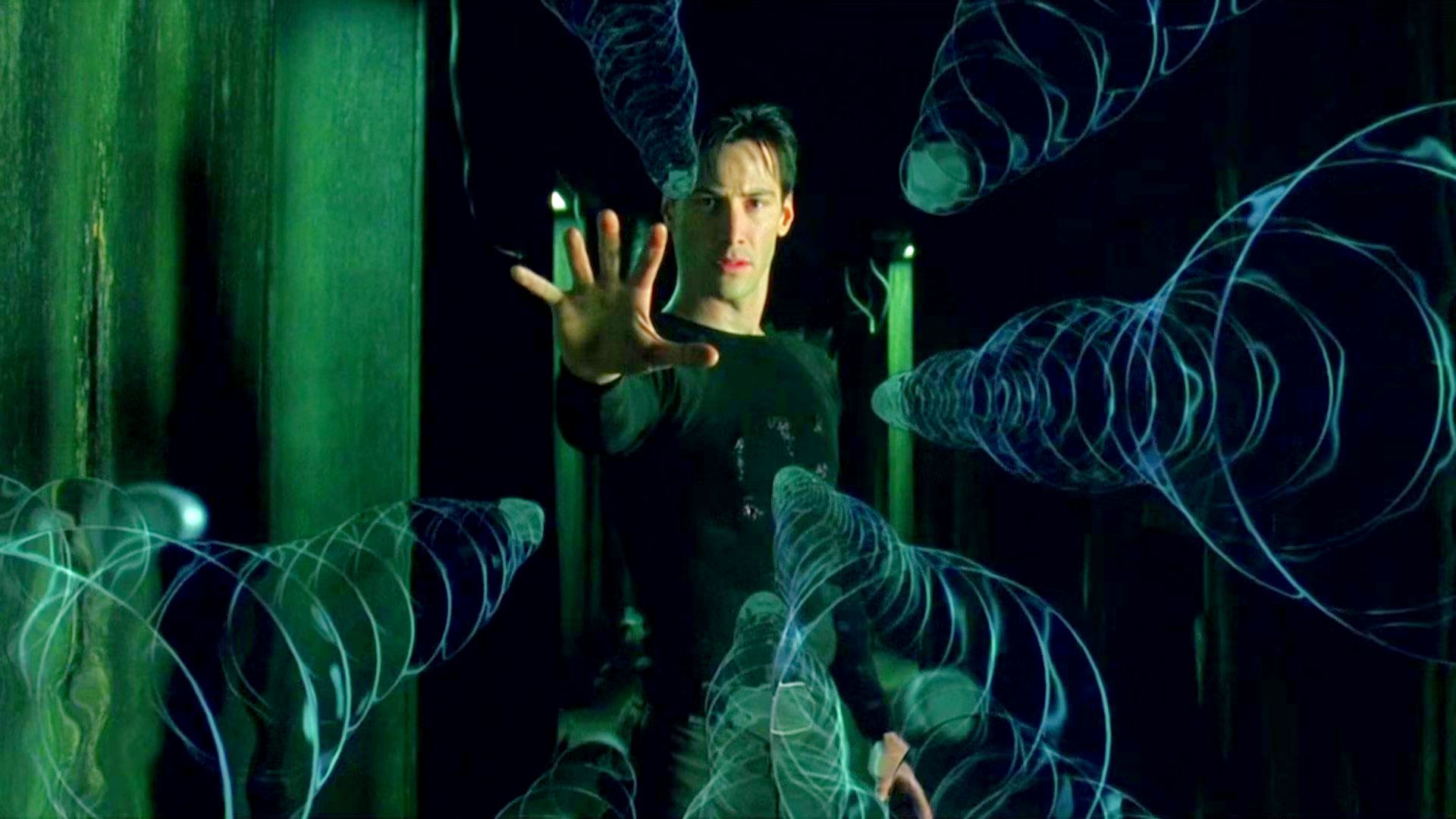
Many consider The Matrix to be the best science fiction film of the 1990s, and for good reason. The Wachowskis built an incredibly detailed and imaginative dystopian world with groundbreaking visual effects. While the sequels weren’t as successful, the original 1999 film brilliantly combines the style of cyberpunk with deep philosophical questions and exciting martial arts action.
Even in 2025, The Matrix still packs a punch. The leads – Neo, Morpheus, and Trinity – are perfectly cast, and Hugo Weaving is fantastic as the villainous Agent Smith, truly one of cinema’s best. The Wachowskis not only had a hugely ambitious idea, but they brought it to life flawlessly in every scene. With a different director, the movie could have gotten lost in confusing details and complicated backstory. Instead, thanks to the Wachowskis, it feels like a powerful statement delivered with incredible special effects.
While The Matrix quickly became a classic – and rightfully so – other 1990s sci-fi films deserve just as much recognition, and some even more. A prime example is Bruce Willis’ 12 Monkeys.
12 Monkeys Is A More Human Story Compared To The Matrix
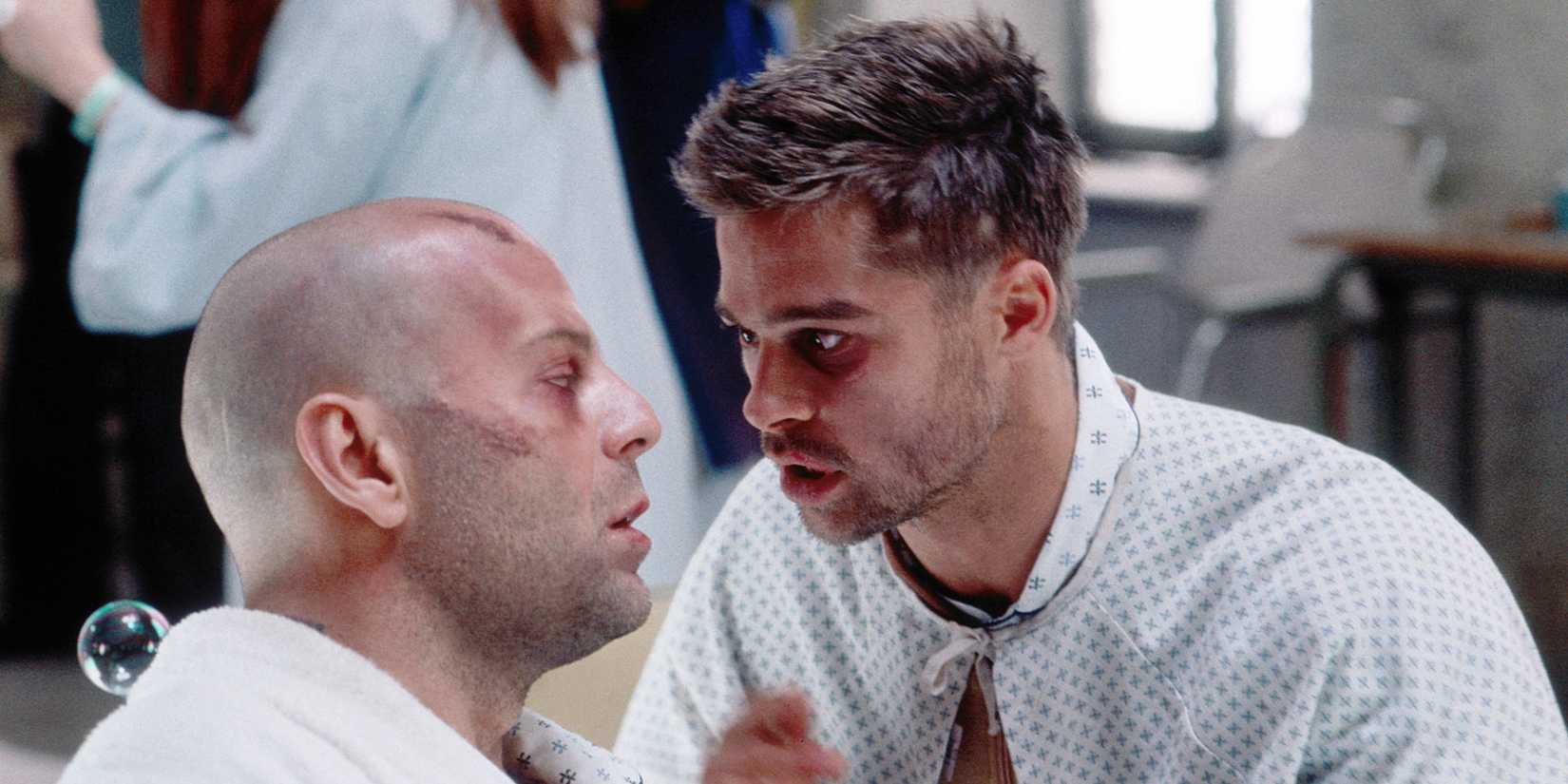
While The Matrix is a strong film, it’s hard to see it as a truly human story. It’s a battle between humans and machines, but the humans themselves feel distant and unlike us. The movie turns Keanu Reeves’ character, Neo, into a god-like figure, making it difficult for the audience to connect with him. We’re meant to admire Neo as a hero, not see ourselves in him.
Morpheus and Trinity, the other key human characters in The Matrix, both project a sense of calm distance. This actually works to their advantage. Trinity’s cool demeanor helps establish her as a groundbreaking action hero, and Morpheus seems like a wise figure who holds back information. These character traits strengthen The Matrix’s depiction of a future ruled by machines, but they also make it harder for viewers to truly connect with the heroes on a personal level.
The unique atmosphere of Zion is so distinct that when the later films attempt to depict everyday life – like a rave, for instance – it feels forced and doesn’t quite fit.
Unlike The Matrix, 12 Monkeys feels more realistic because it’s built around a specific 1990s timeline. Both films offer a chilling dystopian future, thought-provoking questions about morality, and a complicated story. However, 12 Monkeys – particularly through the character of Kathryn played by Madeleine Stowe – provides a strong connection to reality amidst the fantastical elements.
The contrast between Keanu Reeves’ Neo and Bruce Willis’ Cole is striking. Neo is essentially a superhero with a dark aesthetic, while Cole feels like an ordinary person, making him relatable. Like the initial confusion Thomas Anderson experiences in the beginning of The Matrix, Cole remains fundamentally human, unlike Neo who becomes something extraordinary.
What makes 12 Monkeys so impactful isn’t a heroic journey, but the fact that Cole doesn’t have superpowers, doesn’t want to time travel, and only does what he feels he must.
12 Monkeys Handles The Theme Of Causality Much Better Than The Matrix
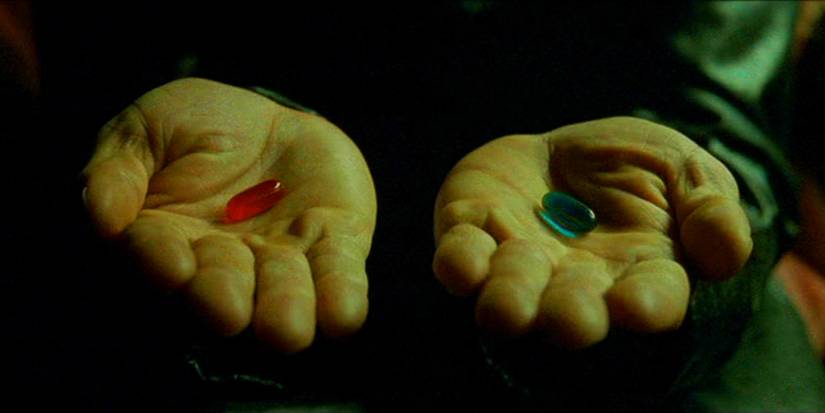
Both The Matrix and 12 Monkeys explore familiar science fiction ideas, but they’re most strikingly similar in how they deal with the concept of cause and effect.
The movie The Matrix frequently explores whether we truly have free will. Do characters like Neo actually choose their path, or are their actions predetermined? The sequels delve even deeper into this idea, revealing that even ‘The One’ is part of a repeating cycle within the Matrix, suggesting that choice itself might be an illusion.
While later movies in the series became overly complicated, even the original Matrix film doesn’t fully resolve its central question about cause and effect.
Neo’s revival at the end of The Matrix seems to prove Morpheus’s belief that Neo is the One. However, the film actually shows this moment as a confirmation that Neo doesn’t have free will—it’s an illusion of choice. What appears to be a heroic victory is actually a sobering realization that Neo isn’t in control of his own destiny.
The movie 12 Monkeys is interesting because it leaves some things open to interpretation, especially when it comes to cause and effect, and how viewers should react to the story. In the film’s ending, Cole is desperately trying to prevent the virus that destroyed the world from spreading, or if that’s not possible, to obtain it so scientists can create a cure for the future.
As Cole travels through time, he wonders if his attempts to change the past are actually responsible for the terrible future he’s trying to prevent, but the movie 12 Monkeys doesn’t give a definitive answer. His being on the plane in the last scene could either mean he helps to stop the virus by figuring out who’s really responsible, or his actions might actually cause the outbreak to happen.
Unlike The Matrix, where the hero returns, 12 Monkeys offers no easy solutions or cheerful resolution because its protagonist, Cole, dies permanently. This allows the film to explore the complexities of cause and effect in a way that feels genuinely unsettling and impactful, letting the audience truly experience the weight of the concepts being presented.
2025-11-05 01:52