Compelling villains are just as important as heroes in storytelling, and often shape the overall mood and meaning of a series. The most effective villains aren’t simply powerful; they’re driven by strong beliefs, past experiences, or a particular way of seeing the world. This creates a meaningful conflict where heroes must truly justify their own values, taking stories beyond simple good-versus-evil tropes.
Truly memorable villains aren’t just evil – they have clear, understandable reasons for their actions, well-developed personalities, and cause problems that continue to affect the story even after they’re gone. Shows like Monster illustrate how past experiences and difficult situations can mold a villain’s beliefs without justifying what they do. And often, hinting at a villain’s backstory is more effective than explaining everything outright, leaving a lasting impression long after their story concludes.
Johan Liebert Turns Childhood Trauma Into Systematic Horror
The story of Monster centers on Dr. Kenzo Tenma’s choice to save a boy who later becomes a terrifying threat to the world. The source of Johan’s evil lies in his time at Kinderheim 511, an East German institution where children were subjected to psychological manipulation designed to eliminate emotion and create ruthless leaders.
Naoki Urasawa avoids portraying Johan’s negativity as simply an inexplicable evil. Instead, he roots it in specific, documented traumas, making the story’s horror feel deeply human. Johan’s broken sense of self comes from a single, devastating memory: his mother sent his twin sister, Anna, to a terrible place, and because she had disguised him as a girl, he never knew which of them she intended to save.
Johan interpreted being abandoned as evidence that life has no intrinsic worth. The story Monster unfolds like a detective novel, with Tenma investigating Johan’s past; his childhood is the core puzzle, not just a minor detail. Through this structure, the author argues that trauma can create destructive people, but never justifies the harm they inflict.
Griffith Turns Ambition Into The Ultimate Betrayal
Griffith carefully crafts an image of a heroic leader, knowing his loyalty will be tested during the Eclipse. His ultimate betrayal is incredibly impactful because the story invests so much time in building the close bond between Griffith and Guts, making its destruction truly devastating. It’s rare for an anime villain to carry such a heavy weight of narrative meaning.
Griffith isn’t motivated by malice, but pure ambition – and a complete lack of moral restraint. Throughout Berserk, Guts struggles with a betrayal that feels less like a surprise twist and more like a deep question about responsibility and human connection. Even after becoming Femto, Griffith remains a compelling character, and his transformation amplifies the tragedy into something terrifyingly vast while still feeling intensely personal.
Meruem Grows From Tyrant Into Tragedy
The Chimera Ant arc of Hunter x Hunter initially presents Meruem as an unstoppable conqueror, but as the story unfolds, it becomes clear that fate isn’t fixed. Through his interactions with Komugi, this seemingly flawless predator begins to experience ideas like fairness and friendship. Creator Yoshihiro Togashi uses this conflict to explore what makes life meaningful.
Meruem’s final moments are so impactful because Togashi doesn’t present his change as a surprising plot twist; he fully commits to showing a complete transformation. The king who once effortlessly killed humans ultimately dies protecting the one person who never showed him fear. By removing Meruem’s cruel nature while still maintaining his immense power, the story powerfully questions what truly defines a monster versus a human being.
Pain Turns Nagato’s Suffering Into A Philosophy Of War
Throughout the series, pain highlights a central idea: lasting peace may only be possible after experiencing immense suffering. Pain’s beliefs, rooted in his traumatic past in Amegakure – including war and the loss of Yahiko – are powerfully presented, making them difficult for Naruto to simply argue against.
Nagato’s attack on Konoha wasn’t just a powerful battle; it was also a profound test of Naruto’s beliefs. Instead of only fighting Pain with strength, Naruto had to confront the reasoning behind his actions. Kishimoto skillfully portrays even in loss there is value, and by not portraying Pain as simply wrong, the conflict gains significant emotional weight and complexity.
Sosuke Aizen Manipulates Everyone, Including The Audience
For much of Bleach, the real enemy is cleverly disguised as an unassuming captain. It isn’t until Sosuke Aizen’s shocking betrayal that everything we thought we knew about the story changes. Tite Kubo expertly uses deception not just on the characters, but also on the audience, building entire storylines around misleading clues. This makes what initially seems like a simple rescue plot into something far larger – a complex conspiracy with widespread implications.
Aizen stands out from typical shonen villains because he wins through careful planning and knowledge, not just raw power. While his battles with Ichigo are memorable, the biggest impact comes from discovering that Aizen was manipulating events from the very beginning – a masterful storytelling accomplishment that fans still admire in Bleach.
Askeladd Weaponizes Charisma Against Every Enemy
In Vinland Saga, Askeladd is presented as a brilliant and resourceful mercenary leader, smarter than all his rivals—even Thorfinn’s father, Thors. He’s charismatic, but hides a cold, calculating nature born from his Welsh background and years of manipulating events from the shadows. This contrast between his personality and his violent actions makes his behavior understandable, even if brutal.
Askeladd’s relationship with Thorfinn explores how trauma can be passed down through generations. He cleverly uses Thorfinn’s anger to serve his own goals, all while acting like a flawed father figure. The story ultimately reveals Askeladd’s actions weren’t about betrayal, but a strange form of protection. This surprising twist in Vinland Saga sets the stage for Thorfinn to abandon violence completely.
Light Yagami Turns Justice Into Self-Worship
Light Yagami begins as a bright student but becomes a killer who believes he’s a god. The show makes it clear that the Death Note doesn’t change who Light is, but simply allows his real personality to emerge. His confrontations with L aren’t a battle of good versus evil, but rather a clash of different ideas about what justice truly means.
The tragic downfall of Light Yagami happens because the story carefully shows how he slowly makes choices that destroy his own morality. Each time he rationalizes a killing as being for the greater good, he loses a little more of his humanity. The ending of Death Note reveals that Light ultimately deluded himself into believing he was still just, even though he’d long abandoned any real claim to justice.
Dio Brando Makes Villainy Look Effortlessly Fun
Dio Brando is a truly over-the-top villain who relentlessly torments one heroic family for generations. Rather than relying on typical villainous monologues, he shows his intense desire for power through exaggerated dialogue and flamboyant gestures. This creative choice by Hirohiko Araki elevates Dio beyond a simple bad guy, turning him into a memorable and iconic figure in popular culture.
The conflict between Dio and Jonathan Joestar, and later Jotaro Kujo, is central to the emotional impact of JoJo’s Bizarre Adventure across its many generations of heroes. Dio’s memorable combination of dramatic flair and true evil has made him one of anime’s most famous and frequently copied villains.
King Bradley Hides A Homunculus Behind Military Order
For most of Fullmetal Alchemist: Brotherhood, King Bradley appears as the admired leader of Amestris. The reveal that he’s actually the Homunculus Wrath is a shocking twist that destroys the audience’s trust in the government. While Bradley is a formidable fighter with incredible skill and perception, his greatest strength lies in the decades he spent secretly working his way into a position of power within the nation’s highest ranks.
As a huge fan of Fullmetal Alchemist: Brotherhood, I’ve always been fascinated by King Bradley. He seems like the perfect family man and dedicated leader, but his secret loyalty to Father adds such a complex layer to his character! It really makes the Elric brothers question just how widespread the corruption is in Amestris. And honestly, the show brilliantly uses Bradley’s eventual betrayal to show that the whole system is broken, not just one bad apple. It’s a really powerful message!
Ryomen Sukuna Makes Power Itself The Horror
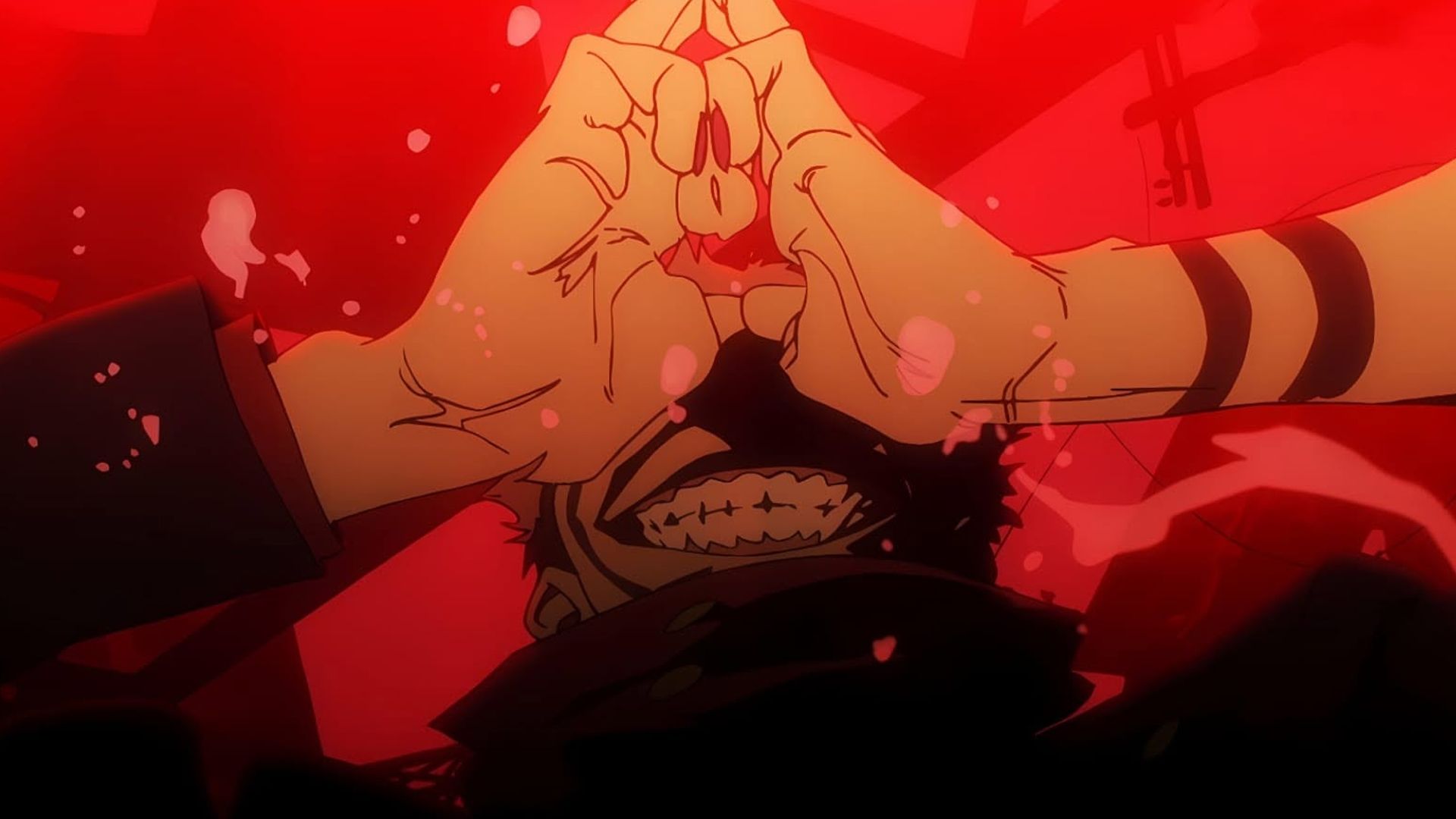
In Jujutsu Kaisen, Ryomen Sukuna is presented as a danger far exceeding any human sorcerer, instantly changing how powerful everyone else seems in comparison. Because he ruled as the King of Curses for centuries, the story can delve into how absolute power affects someone’s connections with those less powerful.
The fact that Sukuna possesses Yuji Itadori creates a unique kind of horror, as the main character is forced to live with the very being all sorcerers dread. Unlike typical villains motivated by revenge or beliefs, Sukuna simply despises both curses and humans. Through Sukuna, Jujutsu Kaisen examines the dangers of unchecked power.
2026-07-25 03:44