Often, people form negative opinions about anime after only seeing a few shows – maybe a very long series with lots of unnecessary episodes, or one focused heavily on fan service. This leads them to believe all anime is like that, filled with drawn-out plots and overused ideas. However, many anime series are actually well-written, beautifully animated, and deal with mature themes. These shows don’t require a huge time commitment to be rewarding, and some are even popular with audiences who don’t usually watch anime.
Unlike many anime series, 91 Days focuses on gangster drama set during Prohibition, Terror in Resonance feels like a fast-paced European thriller about teenage bombers, and Erased begins with a heartbreaking event that leads to a mystery about the failures of adults. You don’t need to have seen any anime before to enjoy these shows, and each one quickly gets to the heart of its story without a lengthy setup.
Pluto Rebuilds a Classic Robot Story Into a Grief-Soaked Detective Thriller
The search for the person responsible for a series of murders involving both robots and humans gives the series Pluto a detective-story structure, prioritizing investigation over the usual flashy action seen in mecha anime. Studio M2 dedicated years to animating the eight episodes, and Naoki Urasawa’s story portrays each advanced robot as a traumatized war veteran, not just a fighting machine.
Instead of being the main character, Atom – known as Astro Boy to international audiences – takes on a supporting role in this series, immediately showing how much Pluto departs from simple nostalgia. Director Toshio Kawaguchi crafts it like a Cold War suspense story, offering viewers who aren’t fans of typical anime action a thought-provoking tale exploring themes of war responsibility and artificial intelligence, presented as an animated literary work.
91 Days Turns Prohibition-Era Revenge Into a Story Without a Single Hero
The anime 91 Days feels like a classic gangster film set during Prohibition, thanks to Angelo Lagusa’s undercover work within the Vanetti crime family. The studio, Shuka, fully embraces the style of old mob movies – think tommy guns and speakeasies – instead of relying on typical anime visuals. Writer Taku Kishimoto, known for Erased, avoids simple good versus evil storylines, making sure every character has a complex and flawed personality.
The complex friendship between Angelo and Nero Vanetti—the son of the man who killed his family—is the emotional core of the entire series and makes you wonder what’s truly gained through revenge. 91 Days tells a complete story in just one season, delivering a powerful crime saga that feels more like a classic mafia film than a typical anime.
Vivy Fluorite Eye’s Song Makes an AI Singer Carry a Century of Consequences
Diva, an AI designed to bring joy through music, teams up with Matsumoto, an AI who travels through time, to stop a hundred-year war between humans and robots. Instead of focusing on action-packed mecha battles, the anime Vivy: Fluorite Eye’s Song tells a science fiction story. The show’s thirteen episodes, created by WIT Studio, move the plot forward at a quick, well-managed pace thanks to Shinpei Ezaki’s direction.
Unlike many shows, Vivy: Fluorite Eye’s Song doesn’t allow for easy do-overs. Vivy’s journey requires her to change the past carefully, knowing her own existence is on the line, which makes each episode genuinely meaningful. The series tells a complete story in just one season, and its conclusion feels as powerful and moving as a full-length movie rather than a standard TV episode.
Terror in Resonance Treats Two Teenage Bombers as Victims Worth Understanding
The anime series Terror in Resonance begins with Nine and Twelve stealing a nuclear device and threatening Tokyo. Over the course of the eleven episodes, the show explores the reasons behind these two exceptionally intelligent teenagers’ descent into domestic terrorism. Unlike many of director Shinichiro Watanabe’s previous works, which featured a lot of jazz, this series has a post-rock soundtrack inspired by Icelandic music, creating a colder and more realistic atmosphere.
While Detective Shibazaki drives the plot forward with his investigation, the emotional core of Terror in Resonance lies with Lisa Mishima – a classmate who is drawn into the schemes of Nine and Twelve. Through her involvement, the boys are forced to examine their true motivations. The series maintains a strong pace across its eleven episodes, avoiding unnecessary filler.
Erased Uses Time Travel to Investigate a Real Failure of Adults
In the anime Erased, Satoru Fujinuma travels back in time eighteen years after his mother is killed. The story by Kei Sanbe focuses on solving a childhood murder, prioritizing mystery over action. A-1 Pictures and director Tomohiko Ito carefully create an authentic 1988 atmosphere, avoiding common visual cues that might feel generic.
The connection between Satoru and his classmate Kayo Hinazuki is the heart of the story. What makes Erased stand out is how carefully it examines the adults in their lives – they’re not just there to fill space. The twelve-episode series offers a satisfying mystery, but ultimately focuses on the impact of neglect on people’s lives rather than relying on supernatural elements.
Spy x Family Uses Comedy to Smuggle In Genuine Emotional Stakes
Tatsuya Endo’s Spy x Family starts with Loid Forger pretending to have a family, which creates a humorous foundation for the story. But thanks to Anya’s mind-reading abilities and Yor being a secret assassin, things quickly become much more complicated – it’s like a funny workplace comedy mixed with genuine heartwarming moments and real danger. The animation by CloverWorks and WIT Studio is smooth and full of emotion, avoiding overly flashy anime tropes.
In Spy x Family, each character has a hidden identity they keep from the others, which creates immediate comedic tension without needing extensive explanations. The show is easy to enjoy because its humor feels familiar – it’s similar to Western spy comedies and doesn’t rely on inside jokes or a deep knowledge of the genre.
Fullmetal Alchemist: Brotherhood Argues That Consequences Matter More Than Power
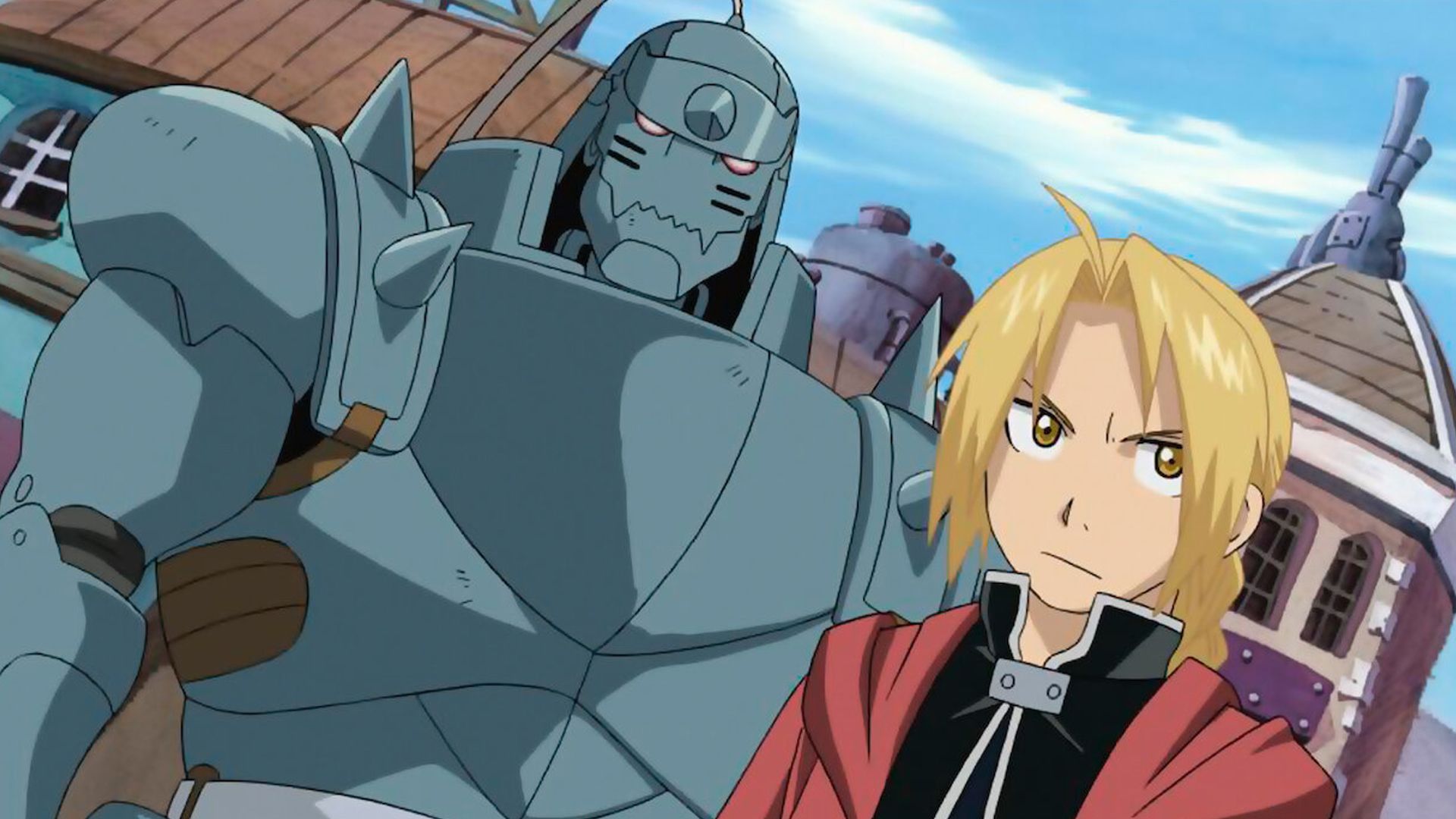
Before the story of Fullmetal Alchemist: Brotherhood even begins, Edward and Alphonse Elric suffer a terrible tragedy: they lose their mother, Edward loses his body, and Alphonse loses years of his childhood in a failed alchemy attempt. Throughout the show’s sixty-four episodes, Bones’ adaptation of Hiromu Arakawa’s manga explores the lasting impact of this loss on both brothers. The series skillfully balances complex philosophical themes with fast-paced action, seamlessly blending military intrigue and unsettling body horror.
The concept of ‘equivalent exchange’ is the driving force and heartbreaking core of Fullmetal Alchemist: Brotherhood, giving the series a depth and moral weight rarely seen in anime for young adults. Director Yasuhiro Irie also neatly resolves storylines that were left unfinished in previous versions, creating a satisfying conclusion that doesn’t require any prior knowledge of the franchise.
Odd Taxi Hides a Noir Mystery Inside a Cast of Talking Animals
In the anime Odd Taxi, late-night conversations in a taxi weave together a mysterious disappearance, a gambling problem, and a scandal involving a pop idol. Instead of a simple story about a taxi driver, writer Kazuya Konomoto crafts a narrative reminiscent of a Coen Brothers film. The show features unique character designs with animal heads on human bodies, but this stylistic choice feels integral to the story, not just a superficial detail.
With just 13 episodes, Odd Taxi neatly wrapped up all its mysteries by the end of the season – a satisfying conclusion rather than a story that would continue for many seasons. The show’s realistic art style and natural conversations give it the feel of an independent crime drama, setting it apart from typical anime known for their flashy visuals.
Great Pretender Plays Out Like an Ocean’s Eleven Sequel
In Great Pretender, Makoto Edamura joins a team of con artists led by Laurent Thierry, and they travel the world – from Los Angeles to London, Singapore, and Shanghai – pulling off elaborate heists. Each scheme is full of twists and turns, much like a series of heist movies building towards an even bigger goal. The show’s director, Hiro Kaburaki, and animation studio WIT Studio have created a visually striking style that resembles a graphic novel more than traditional anime, giving each city a unique and colorful look.
Great Pretender tells its story through four separate, self-contained con-artist plots. Each arc feels like its own unique heist, with different targets, reasons for the scams, and surprising twists. The show creates an interesting mentor-student relationship between Edamura, a small-time thief, and Laurent, a master of international cons, which feels fresh and works well even for viewers unfamiliar with anime tropes or Japanese language.
Cyberpunk Edgerunners Quickly Becomes a Tragedy About Burnout
The story of David Martinez in Cyberpunk: Edgerunners follows his dramatic journey from a poor kid in Night City to a heavily augmented mercenary, unfolding like a classic crime story with a clear beginning and end. Unlike some shows that drag on, Edgerunners, created by Studio Trigger and director Hiroyuki Imaishi, was intentionally designed as a concise ten-episode series, ensuring each episode contributes to David’s ultimate fate.
The emotional heart of Cyberpunk: Edgerunners lies in Lucy’s story, and the show doesn’t require any previous knowledge of the Cyberpunk universe before reaching its powerful and direct conclusion. It feels more like a fast-paced crime thriller than a typical, extended anime series, making it a complete and satisfying experience for new viewers who want a self-contained story they can finish in one viewing.
2026-07-20 21:41