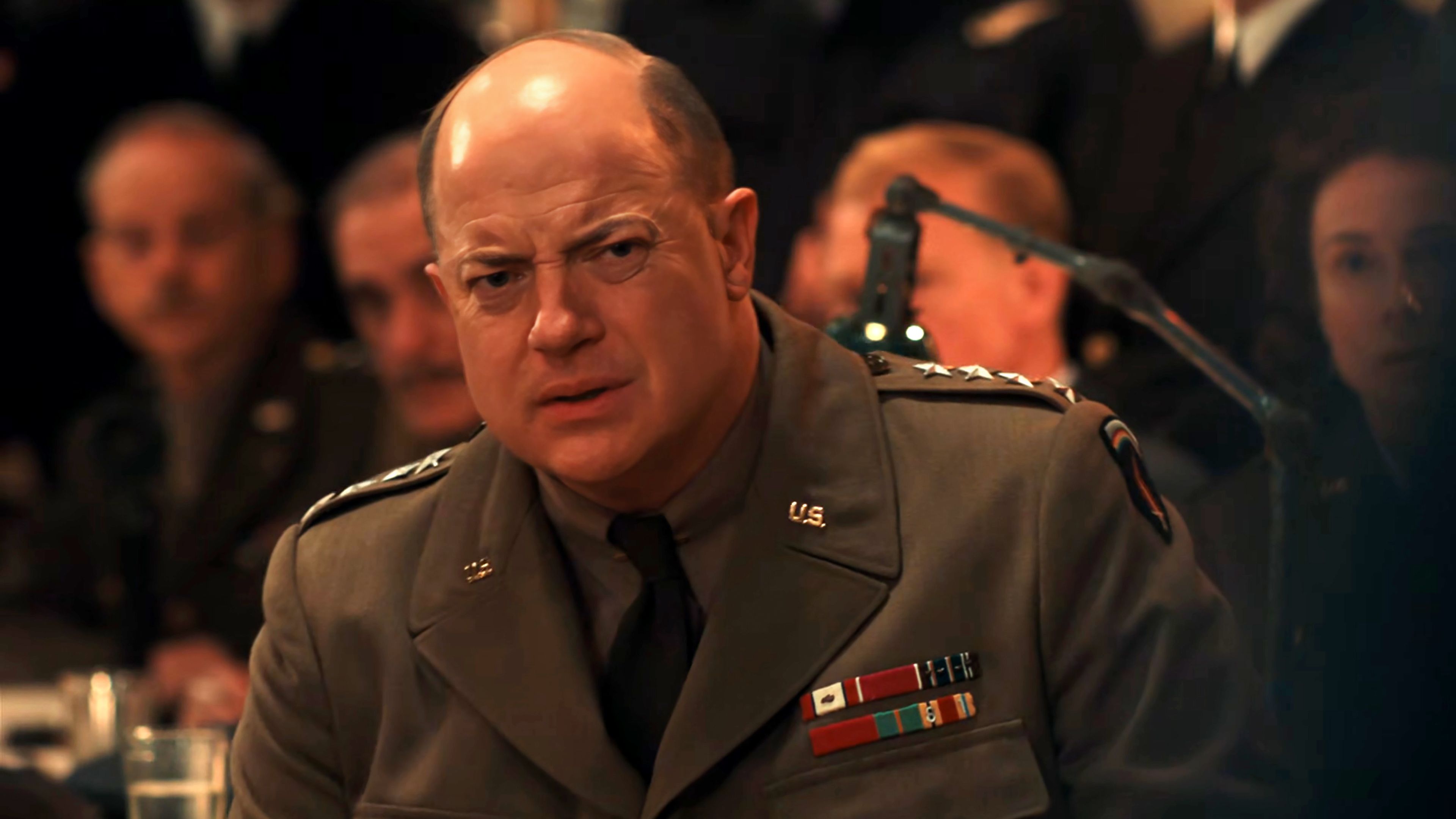
Brendan Fraser is helping bring to life an untold chapter in World War II history with Pressure.
The new war drama, based on David Haig’s play, stars Fraser as General Dwight D. Eisenhower during World War II. The film focuses on the critical 72 hours leading up to D-Day, as Eisenhower and his team finalize plans for the invasion of Normandy. They bring in Scottish meteorologist Group Captain James Stagg to predict the weather, hoping for conditions that will allow the mission to succeed, creating a high-stakes race against time.
The film stars Brendan Fraser alongside a talented cast including Andrew Scott (known from Ripley), Kerry Condon (F1), Chris Messina (Based on a True Story), Damian Lewis (Fackham Hall), Henry Ashton (A Knight of the Seven Kingdoms), and Con O’Neill (The Batman). Directed by Anthony Maras (Hotel Mumbai), Pressure is receiving excellent reviews, with an 85% approval rating on Rotten Tomatoes.
Before the movie came out, Ash Crossan from ScreenRant spoke with Brendan Fraser, Andrew Scott, Kerry Condon, and Anthony Maras about Pressure. When asked what they found most surprising about the film’s basis in a true story, Fraser explained that weather forecasting in the 1940s was very basic – it often simply involved “looking out the window to see what was going on,” as meteorology was a relatively new science at the time.
Brendan Fraser explained the movie is based on a real conflict between modern forecasting – using data, science, and readings – and older methods like farmer’s almanacs. The story centers around the D-Day invasion, planned for June 5th, 1944. Just before the invasion, a meteorologist warns leaders about an approaching storm, predicting disaster if they proceed with the massive amphibious assault involving 300,000 soldiers. The film explores how those in charge would react to such a warning, given the scale and importance of the operation.
The Academy Award winner expressed immense curiosity and was amazed when imagining the private conversations during the planning of D-Day, especially considering the incredibly high stakes. He also noted that the invasion has been portrayed so realistically in films—comparing the battle to a brutal, chaotic fight—that many viewers might think they already know the whole story. Fraser then pointed out that seemingly minor details to modern audiences would have been significant to those who actually lived through it.
Brendan Fraser points out that getting angry at things like the weather doesn’t change anything – it’s just empty frustration. He explains that we’re all just guests on this planet, and making a big decision, like the one depicted in the film, is a significant undertaking. That’s where the film’s tension and emotional weight come from.
Maras jokingly confessed he was relying on “a cheat answer” when asked about the most surprising aspect of the true story behind Pressure. He was amazed to learn how a weather forecast could have such a huge impact on the 20th century – something he “never could have imagined.” As he researched both the play and the actual events, the director became completely engrossed in this small piece of history and how it affected so many people. He finished by pointing out that you’d never suspect the evening weather report could ultimately shape the future of the free world.
Scott agreed with Maras and Fraser that the extent to which weather impacted the D-Day landings was the most surprising part of the story. However, he pointed out that a successful military operation of that scale wouldn’t possibly ignore the forecast. Experts like Stagg were therefore essential to planning the invasion, and Scott found it particularly interesting to consider how someone like that would interact with experienced military leaders.
What struck me most about this man was his ability to stand firm and listen to the evidence, even though he hadn’t been to war himself. He wasn’t afraid to challenge powerful people, which I found incredibly inspiring. I always pictured him as a strong figure, more interested in the content of a message than how it was delivered. I wanted to portray someone who wasn’t overly concerned with being popular or well-liked.
The Pressure Team Wanted To Shed Proper Light On Little-Known Historical Figures
I’m a huge fan, and I was so excited to meet you! Everyone gets really enthusiastic when they find out I’m interviewing you. I’m curious – what do you think about the term ‘Brenaissance,’ and how does it feel to have so much love and support from people?
It’s really humbling and I hope I’ve deserved this recognition. I tried to show my gratitude through my portrayal of Ike Eisenhower, a figure not many people know well. I wanted to show him as a genuinely caring leader who prioritized the well-being of his soldiers, treating them like his own sons. These young men, barely out of their teens, understood the low odds of survival, but they kept going. I kept wondering why, beyond duty and orders. I think it was because they deeply respected Eisenhower, and that respect went both ways – it became a powerful asset. I really grew to admire him. While he was a man of his time, he also achieved so much, founding NASA and NATO, and advancing civil rights, among other things. For all of that, I’m a definite admirer.
So, someone from ScreenRant asked me about the cast, and specifically, about Brendan Fraser. Honestly, I’m a huge fan of his too – the ‘Brenaissance’ is real! They were curious what made me think of him for the role of Dwight Eisenhower. It’s a great question, and I was happy to talk about what Brendan brought to the part.
Many people remember Eisenhower as a president, but I was fascinated by his time as a general. He was a man battling immense physical strain – smoking heavily, drinking a lot of coffee – while projecting an image of strength and confidence. I wanted to explore the internal conflict he faced, the constant self-doubt and fear of making catastrophic errors. Brendan Fraser brilliantly captured that vulnerability, showing a side of Eisenhower audiences haven’t seen before. It wasn’t about imitation; it was about revealing the psychological toll of command, the weight of responsibility for countless lives. Kerry Condon played a vital role in portraying that, as her character shared a close, trusting relationship with Eisenhower, allowing him to be authentic and speak openly. The real woman behind the character was incredibly resilient; a war widow who faced unimaginable horrors, even storing bodies in a cinema during the blitz. She was intelligent, fearless, and refused to be silenced, especially when surrounded by men. Her story, rooted in historical fact, created a compelling dynamic that we really wanted to bring to life.
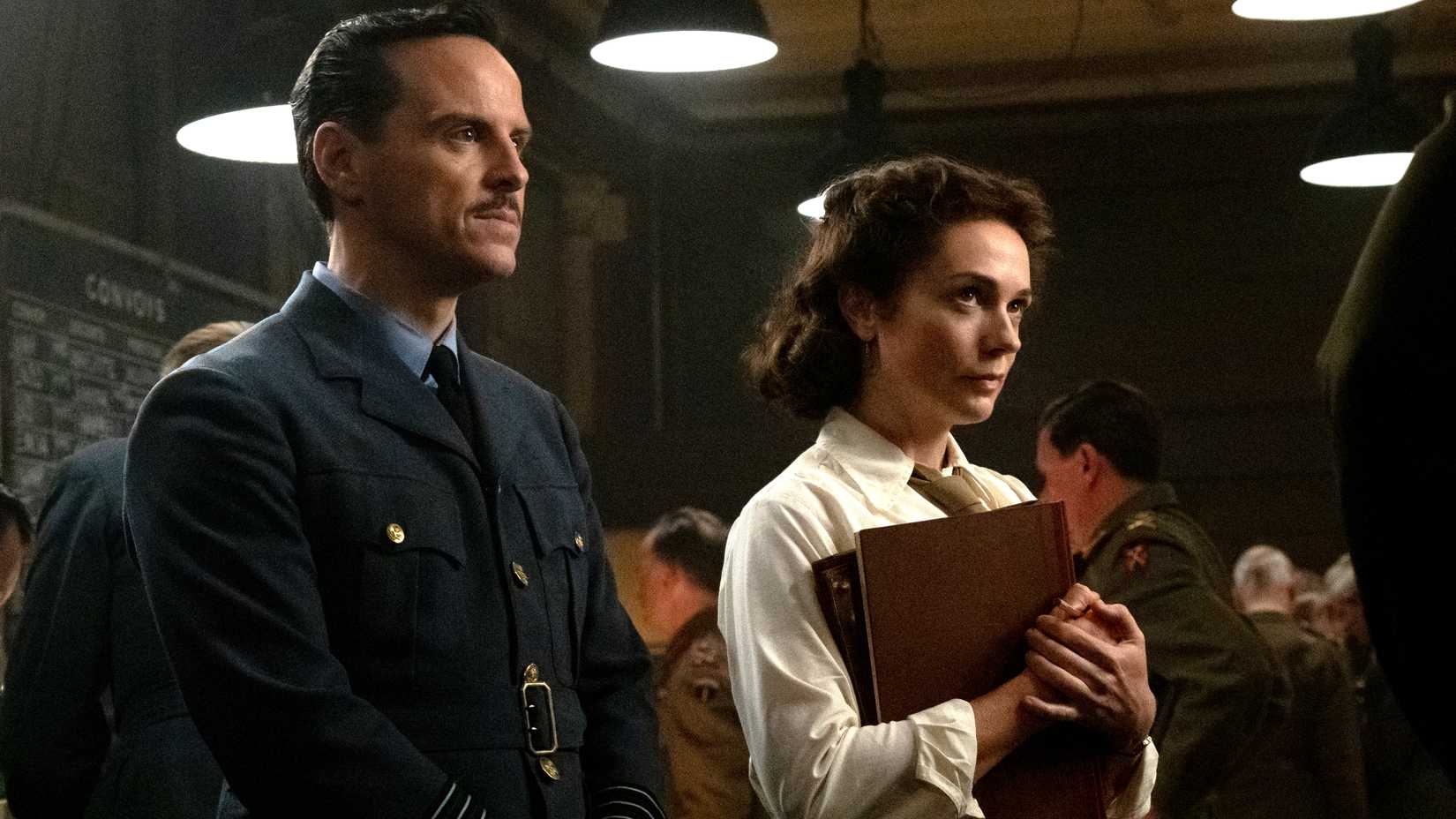
I love watching historical movies and then looking up the real events afterward – it’s always surprising to learn what actually happened. When tackling this project, the biggest challenge was figuring out how to make the story of weather itself compelling and interesting for the audience.
What really drew me to this story was the challenge it presented. My previous film, Hotel Mumbai, was a straightforward thriller with a clear, visible threat – people being chased with guns. Pressure is different. The danger is this massive weather system building far out at sea, heading towards a country where our characters aren’t even currently stationed. So, the question became, how do you create drama and make the audience feel the immense pressure these people were under? I focused on building relatable characters who genuinely care – Ike for his men, Stagg for the truth, and everyone else wanting to do what’s right and succeed. But they all have different ideas about how to achieve that, and strong beliefs about what should be done. Watching these brilliant, opinionated people clash over the three days leading up to D-Day was incredibly compelling. They’re all struggling, uncertain, and trying to perform at their best. That’s what the film explores.
The ScreenRant interviewer asked what inspired the impression, noting that it was of someone difficult to imitate well.
I’m drawn to people – and directors, especially – who are strong and take charge. I prefer those who prioritize doing what’s right over simply being liked. It’s easy to be charming, but when the pressure is on, that doesn’t matter as much. What you really need is someone you can rely on and trust completely.
ScreenRant: Were you a weather nerd before or have you become one now?
I’ve really gotten into learning about weather, and I’ve realized how different forecasting is in America compared to Ireland or England. We have much more unpredictable weather there, so the methods are completely different. Historically, forecasting was a very hands-on process – people would call information in, write everything down, and manually update it. Now, we have all that information on our phones. These forecasters were truly exceptional experts, dedicated to getting it right, and deserve a lot of credit. Eisenhower relied heavily on their advice when deciding on the date for D-Day, and Brendan does a fantastic job portraying that reliance.
ScreenRant: In the theme of Pressure, what is the most pressure you’ve ever felt in a role?
It’s funny, people might assume playing real-life characters is more stressful because you have to accurately portray them. But I actually find fictional roles just as challenging. The pressure of live performance is unique – you’re aware of the audience waiting, you can hear them even while getting ready. On a movie set, that immediacy isn’t there. Plus, by the time you see a finished film, it’s done – you’ve already worked through any mistakes. The pressure is all front-loaded when you’re on stage. I think that encourages you to be brave and take risks, and that’s what audiences really connect with.
2026-05-30 04:44