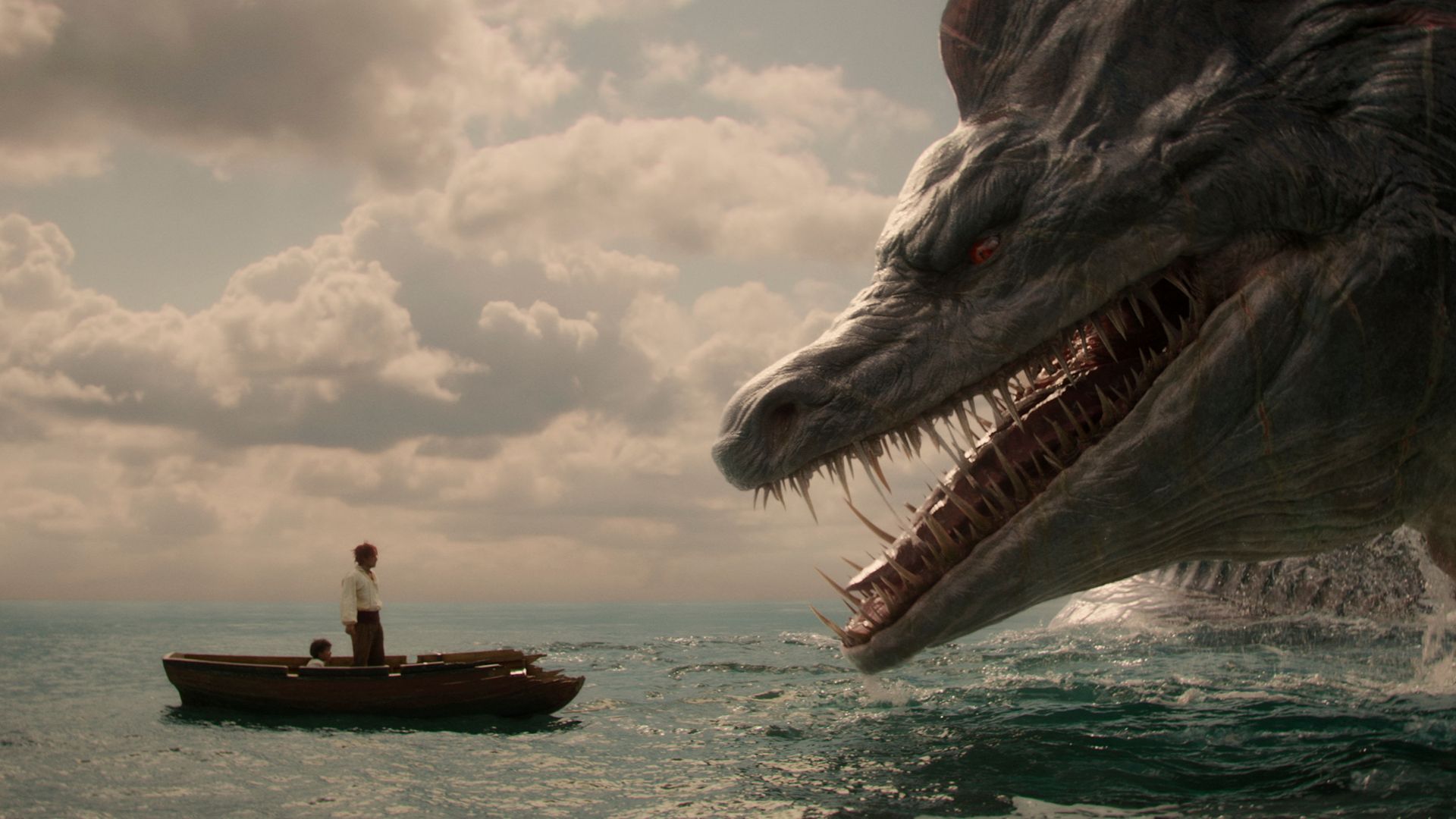
A recent hit TV show on Netflix showcases a brilliantly designed magic system, a key ingredient for any compelling fantasy story. These systems can vary greatly, but are often categorized as either “soft” or “hard.” Soft magic systems are loose and mysterious, where magic simply happens without clear rules. Hard magic systems, on the other hand, operate with defined rules, much like the laws of science. Both approaches can work wonderfully, and many excellent fantasy stories utilize either one.
Magic in stories can be anything an author imagines, but over time, certain elements have proven more popular with readers. Fantasy author Brandon Sanderson has shared his thoughts on what makes a magic system work well, outlining three key principles. These principles are a helpful way to look at and understand the magic in different fantasy books and movies.
| Brandon Sanderson’s 3 Laws For Creating Fantasy Magic Systems | |
|---|---|
| Sanderson’s First Law | “An author’s ability to solve conflict with magic is directly proportional to how well the reader understands said magic.” |
| Sanderson’s Second Law | “Limitations > Powers” |
| Sanderson’s Third Law | “Expand what you already have before you add something new.” |
Brandon Sanderson’s rules for magic systems would allow for a wide variety of powers in fantasy worlds, and a great example of this can be seen in Netflix’s One Piece. The original manga by Eiichiro Oda expertly uses these rules in a straightforward and elegant way. The live-action adaptation on Netflix has successfully maintained this system, making One Piece stand out as having one of the most well-developed magic systems currently available in fantasy television.
How One Piece’s Anime Roots Give Its Magic System An Edge

The magic system in One Piece is surprisingly straightforward. It centers around Devil Fruits, which give anyone who eats them a lasting superpower. Each power is distinct and clearly defined, which allows the story to avoid becoming overly complicated – something Brandon Sanderson, a famous fantasy author, often warns against. The series constantly finds creative new ways for Luffy’s rubber abilities to handle different challenges, but it always stays true to the basic nature of his power.
In One Piece, anyone who gains powers from a Devil Fruit shares a common weakness: they can’t swim. Being submerged in water is seriously dangerous for them. This limitation, similar to a concept called Sanderson’s second law, is especially ironic given that the story takes place at sea. This consistent weakness for all Devil Fruit users prevents any single character from becoming too powerful, creating a more balanced dynamic.
This leads us to Sanderson’s last rule for building a compelling magic system: grow what you have before introducing anything new. A great example of this is One Piece. Its magic system feels limitless because it constantly expands on existing ideas. The core concept of Devil Fruits means that characters’ powers and how they fight are always reacting to their opponent’s abilities. Luffy’s power itself doesn’t change, but each new enemy forces him to find creative ways to use it.
Generally, One Piece handles Brandon Sanderson’s rules for worldbuilding exceptionally well—even better than the magic systems in the author’s own works. This is largely because the core ideas in One Piece are surprisingly straightforward. As an animated series, One Piece could be quite over-the-top and still feel powerful. Now that Netflix has created a live-action version, the show isn’t restricted by the usual challenges of bringing fantasy to life. This gives the new One Piece series a unique advantage.
Can Netflix’s One Piece Keep It Up?

The success of Netflix’s One Piece hinges on its willingness to capture the wild, energetic spirit of the original anime – something most live-action adaptations struggle with. Often, the unique style and flexibility of anime don’t translate well to a live-action format. Netflix, however, managed to find the right approach with One Piece, carefully balancing the need for realism with the over-the-top, fun nature of the story’s fantastical elements and magic system.
Netflix’s live-action adaptation of One Piece has been a huge success, with two seasons already released. The second season actually received even better reviews than the first on Rotten Tomatoes, which is a promising sign for the show’s future. It’s impressive considering the series doesn’t rely on a traditional magic system to drive its story.
2026-05-25 06:09