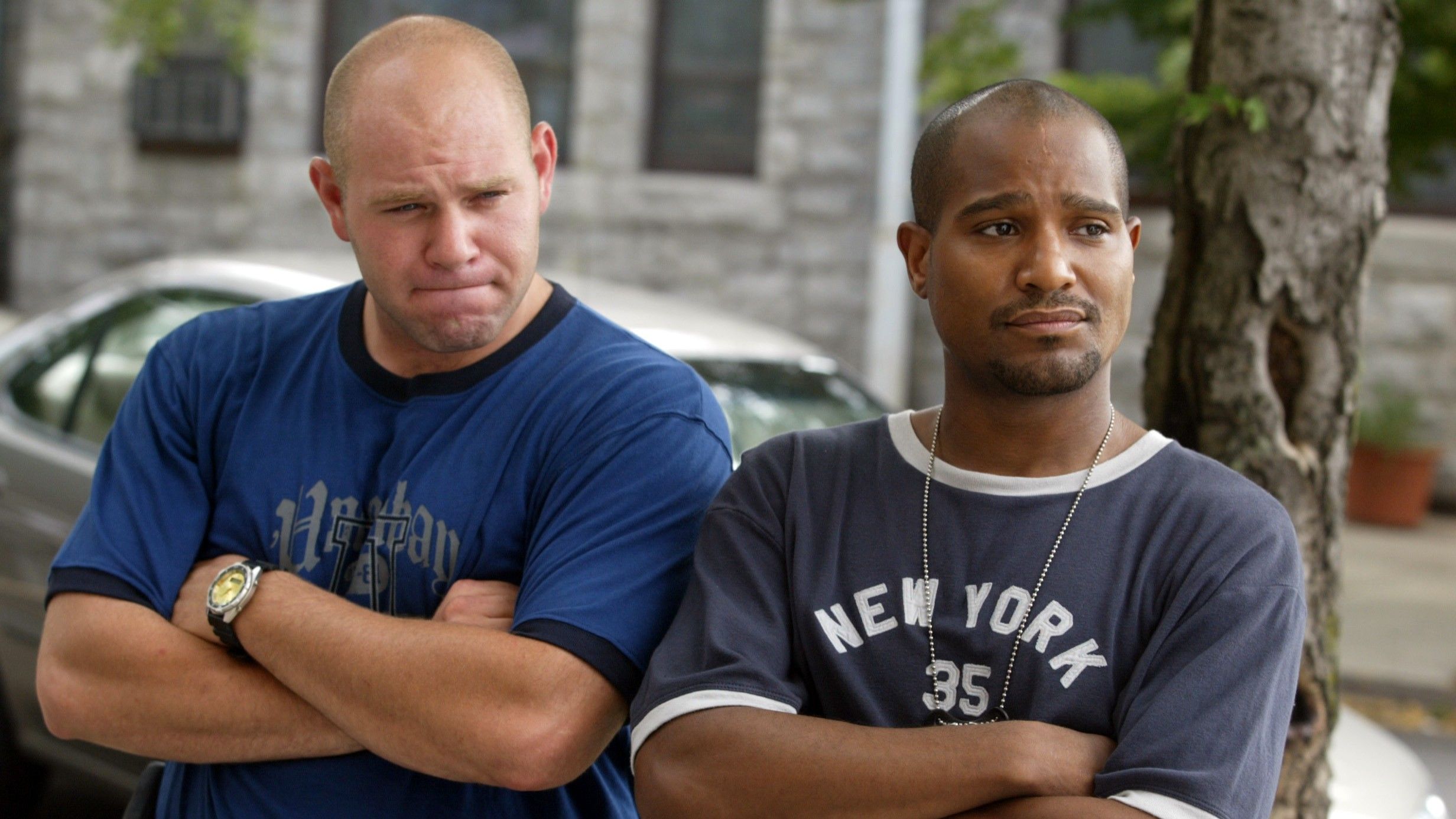
Many people consider The Wire to be like a novel brought to life on television, but it’s often overlooked just how much the HBO series drew from existing books. In fact, the creators relied heavily on a wide range of nonfiction and fictional works to shape the show into what it became.
David Simon, the creator of The Wire, began his career as a journalist at The Baltimore Sun in the late 1980s. His experiences there inspired his books Homicide: A Year on the Killing Streets (1991) and The Corner: A Year in the Life of an Inner-City Neighborhood (1997). Fans of The Wire will recognize characters, locations, storylines, and even entire scenes from the show within these books.
Beyond David Simon’s work as a nonfiction writer, the crime novels of Dennis Lehane, George Pelecanos, and Richard Price heavily influenced The Wire throughout its five seasons. Simon also hired these fiction writers to work on the show, intentionally blending the boundaries between reality and storytelling.
One of the most impressive things about The Wire is how skillfully it balances complex themes. However, many viewers don’t fully appreciate just how well it does this. Knowing the story behind the show’s creation actually enhances our understanding of what a unique and outstanding accomplishment it truly is.
The Details That Make “The Wire” Trace Back To David Simon’s Nonfiction Debut “Homicide”
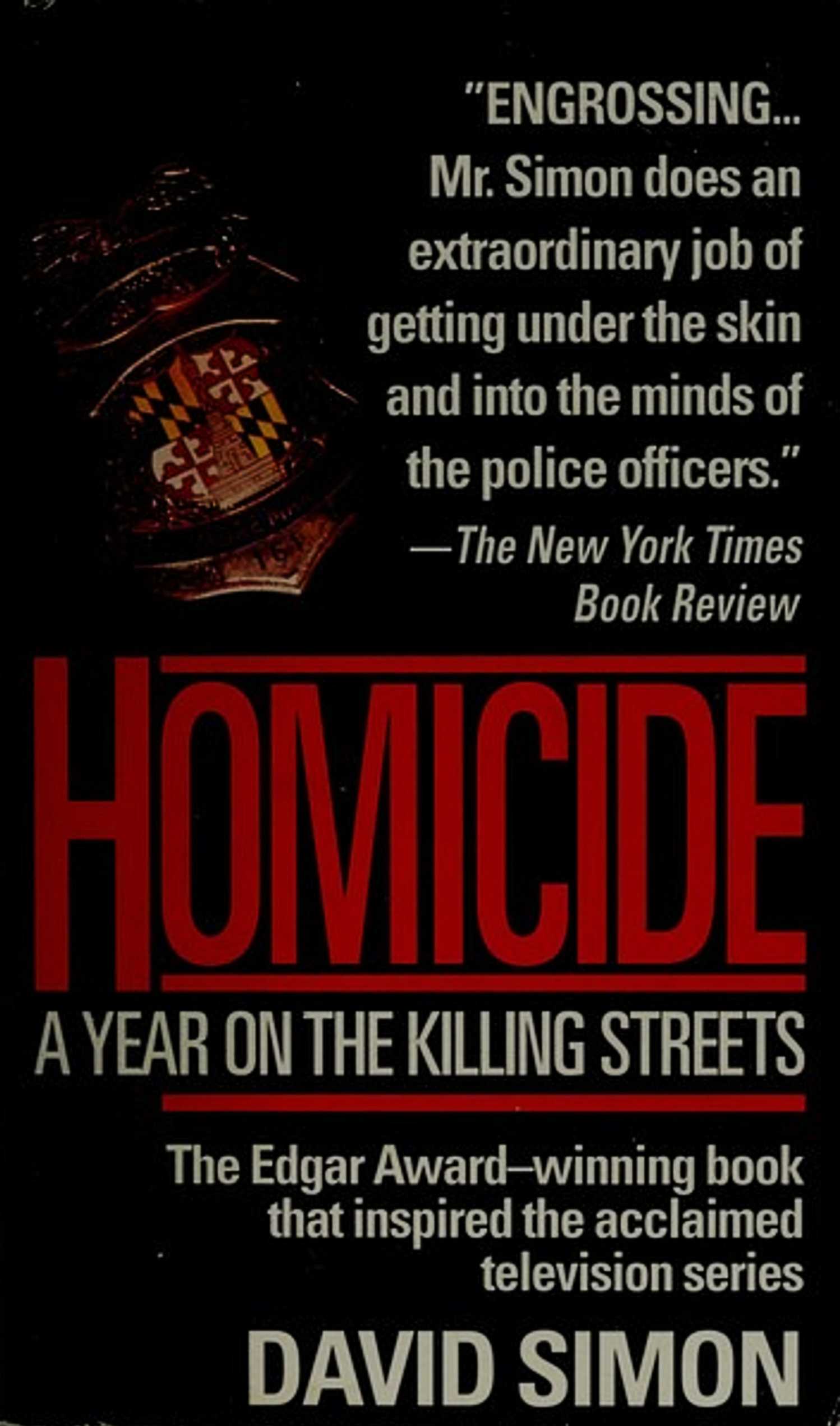
Homicide: A Year On The Killing Streets; Published In 1991
So, the story that really grabbed me was about this young guy, David Simon. He basically walked into The Baltimore Sun straight out of college in ’82 and landed on the crime beat. He had this incredible nose for a story, really getting into the world of the homicide detectives he was covering – a total natural at crime reporting. And let me tell you, he wasn’t just dedicated to the work, he was passionate! By the late ’80s, after a pretty rough fight with the union at the Sun, he decided he was going to try and write his way out of journalism with a novel.
So, David Simon, the guy behind shows like The Wire, actually started with books. His first one wasn’t fiction, though. He took a year off from being a reporter at the Sun and basically lived with the Baltimore police homicide unit. What came out of that was Homicide: A Year on the Killing Streets – a really gritty, realistic look at their work. It wasn’t a big departure from his reporting, just a deeper dive. People loved it when it came out in ’91, and not long after, in about a year and a half, NBC turned it into a fantastic TV show called Homicide: Life on the Street.
Many people point out the connection between the shows Homicide and The Wire, but David Simon’s involvement with Homicide is often misrepresented. Homicide wasn’t really his show. He didn’t become a full-time writer until Season 4, after he’d left The Baltimore Sun, only contributing significantly to one episode earlier in Season 2. While learning the ropes of standard TV production was helpful, Simon always preferred to have more creative control.
“The Wire” Wouldn’t Have Been Possible Without “The Corner”
With The Corner, The Bigger Picture Of David Simon’s Opus Took Shape
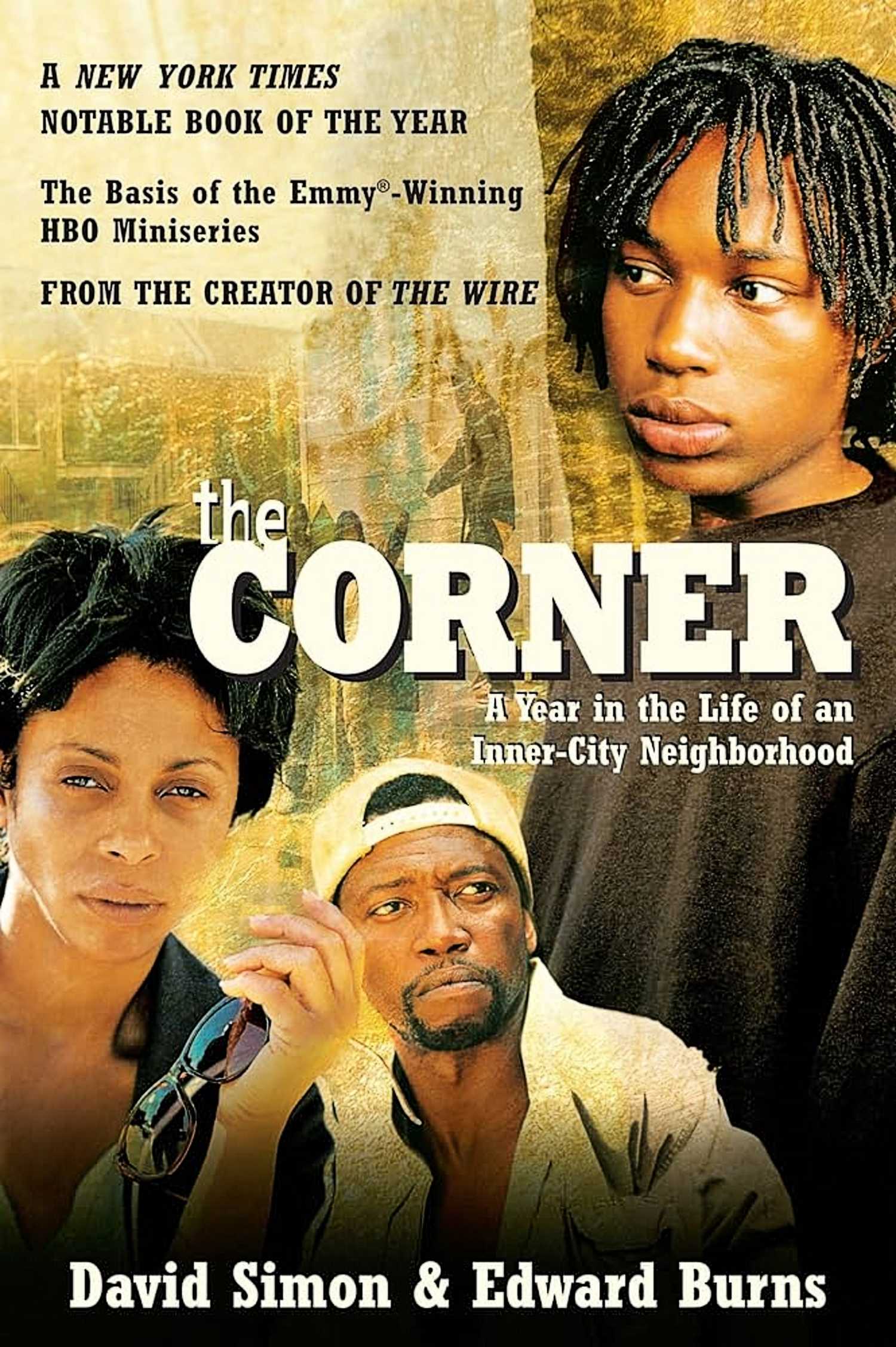
Detective Ed Burns worked closely with David Simon during Simon’s time with the Baltimore Homicide Department in the late 1980s, though he wasn’t a major focus in the book Homicide: A Year on the Killing Streets. However, Burns and Simon later collaborated to write The Corner: A Year in the Life of an Inner-City Neighborhood, which offered a fresh and equally important look at life in Baltimore’s neighborhoods compared to Homicide.
Looking back, it’s interesting how differently Homicide and The Corner fared with networks. Homicide was a relatively easy fit for traditional television, but The Corner? That was a tougher sell. Luckily, TV was changing right then. The Corner came out in September 1997, and just two months before that, we saw the debut of Oz on HBO. That show was created by Tom Fontana, who, interestingly, had written for all seven seasons of Homicide: Life on the Street. It felt like the groundwork for something new was being laid, and Oz really paved the way.
HBO was eager to support a showrunner’s creative vision, and David Simon had a relationship with them. They bought the rights to his book, The Corner, which he adapted into a successful miniseries in 2000. When HBO asked Simon about his next project, he proposed The Wire – a crime drama drawing on his and Ed Burns’ years of experience with the drug trade and police force in Baltimore.
David Simon Put Together A Powerhouse Squad Of Crime Writers To Make “The Wire” Happen
The Wire, A Collaborative Work Of Journalistic Fiction
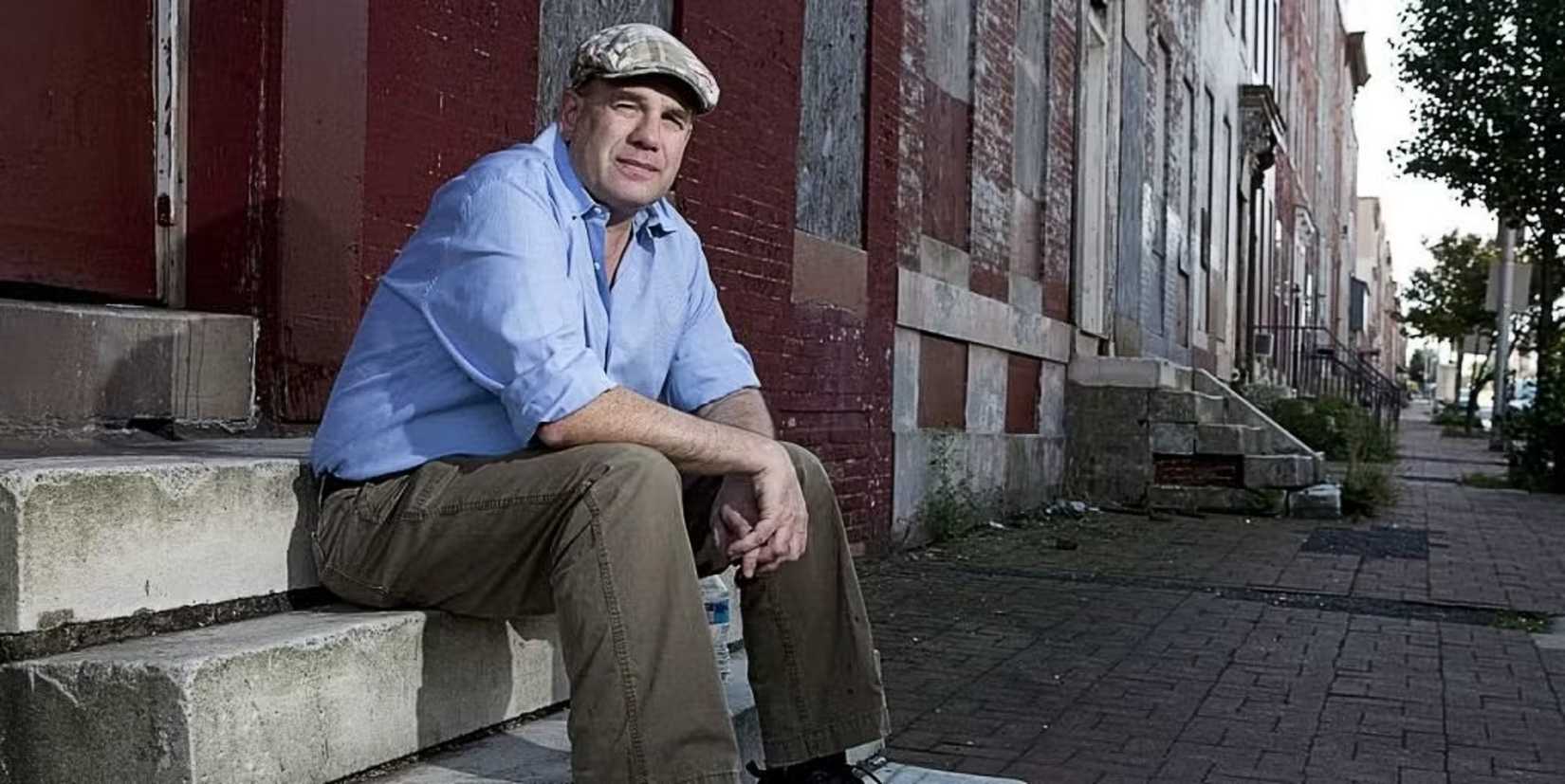
David Simon aimed to combine the best aspects of different storytelling forms: the artistic freedom of novels, the investigative detail of journalism, and the broad audience of television. He achieved this uniquely with The Wire. He crafted a TV show that felt like a novel written by an experienced journalist. While similar approaches exist in books, The Wire brought this level of detailed, realistic storytelling to television in a way that hadn’t been done before.
The first season of The Wire is largely based on David Simon’s reporting on the Baltimore Police Department’s takedown of drug kingpin Little Melvin Williams in the mid-1980s. The detective who led that operation, Ed Burns, directly inspired the Barksdale organization and its investigation as depicted in the show. This is just the most well-known example; most memorable moments, scenes, and even lines of dialogue in The Wire can be traced back to real-life events or literary sources.
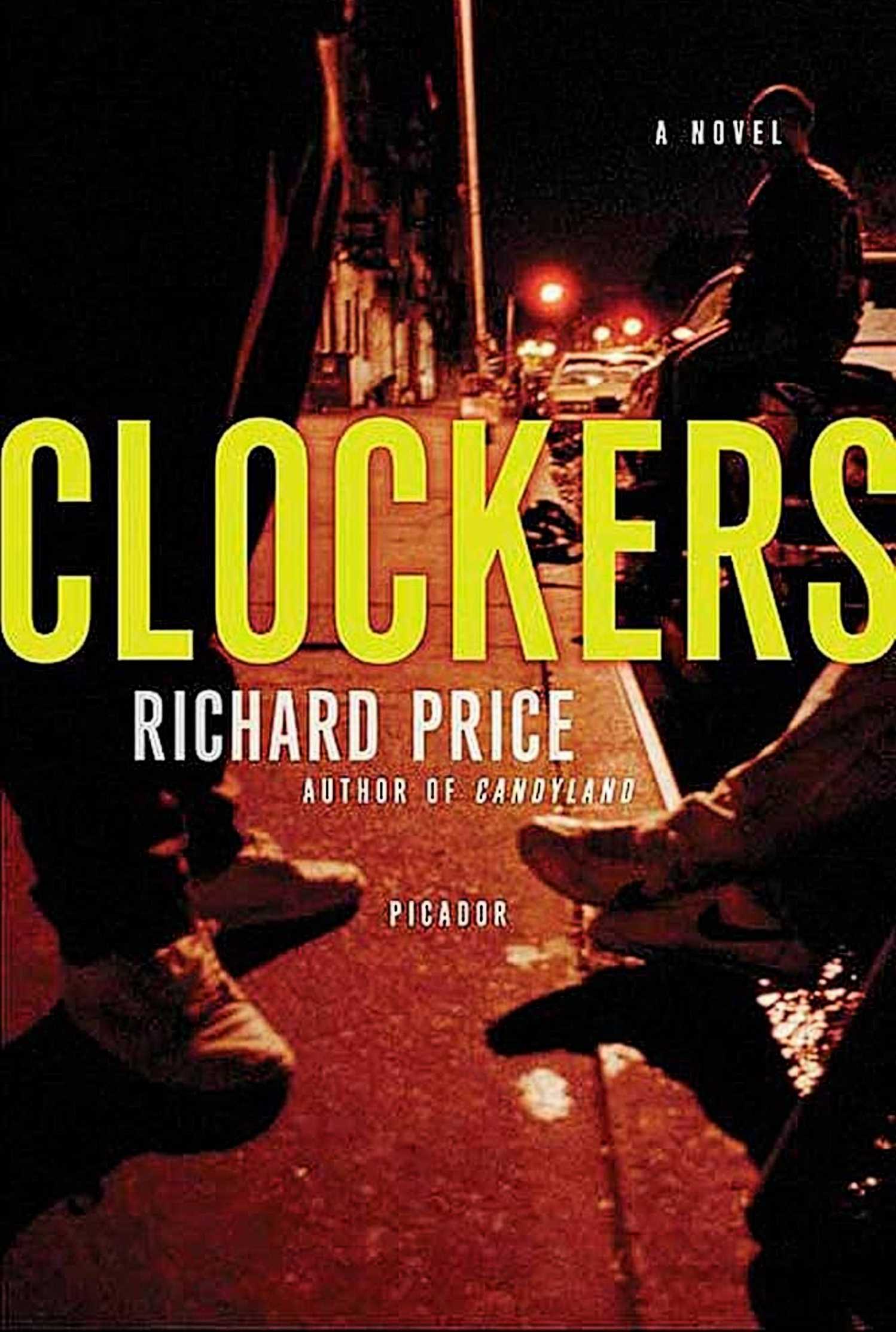
There are clear examples of this influence. Richard Price’s novel, Clockers, is often considered the literary predecessor to The Wire. Price actually wrote for The Wire from seasons three to five, and he adapted scenes from his book for the show. For instance, the encounter between Herc and Carver with Bodie and Poot at the movie theater comes directly from Clockers. Similarly, the scene where Kima reads a street-inspired version of “Goodnight Moon” to her son also originated in the novel.
As a huge fan, one of the things I always appreciated about The Wire was how real it felt. That’s because David Simon wasn’t just making things up! He really knew his stuff as a journalist, and he brought that same detailed reporting to the show, but in a fictional way. What really blew me away was that he brought in amazing crime novelists like Dennis Lehane and George Pelecanos to help him – they brought so much authenticity and a really literary feel to the whole thing. It wasn’t the first time someone had turned reporting into a story, but doing it on TV with that kind of team? That was special.
Reading “Homicide,” “The Corner” And More Is An Extension Of Watching “The Wire”
The Literary “Extended Universe” Of The Masterpiece Series
In the first episode of The Wire, you can briefly see Detective Bunk Moreland reading a novel by Laura Lippman. Lippman is a crime writer and former reporter for the Baltimore Sun who was married to the show’s creator, David Simon, from 2006 to 2024. Although she wasn’t directly involved in making the show, her work subtly influenced it. Like the novels of other writers who inspired The Wire – such as Dennis Lehane’s Clockers, George Pelecanos’s Homicide and The Corner, and the TV shows adapted from those books – Lippman’s writing exists within the world created by The Wire.
Reading ‘Homicide’ feels instantly familiar. You recognize details everywhere – from the victims’ names listed on the whiteboard, to common phrases like a boss saying, “I’m all ears,” and characters like Jay Landsman (who was portrayed by both a real-life officer and an actor in the show). Even small things, like using the photocopier to gauge someone’s honesty, ring true. These details add up, creating a strong sense of authenticity.
The Wire wasn’t a direct copy of any single source. Instead, it brilliantly combined and reinterpreted elements from many places. The show drew details from real-life events, borrowed scenes from books, and wove authentic experiences into its characters’ stories, picking and choosing what best served the narrative. These details weren’t random; they almost always had a basis in reality. This makes The Wire more than just a typical TV adaptation—it’s one of the most innovative and resourceful adaptations ever made.
2026-05-24 03:21