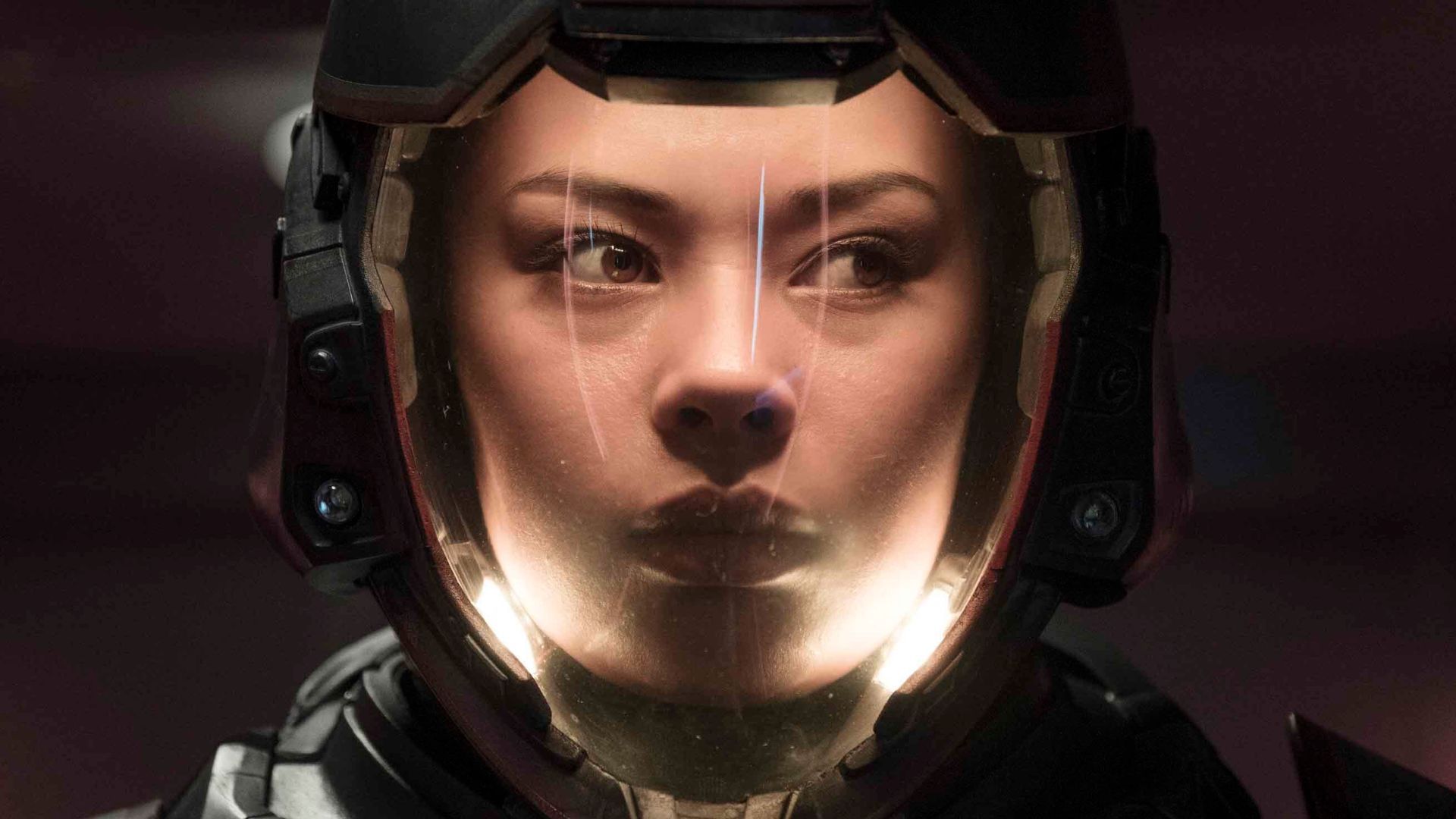
Bringing complex, scientifically accurate science fiction – often called ‘hard sci-fi’ – to television is notoriously difficult. Because it appeals to a smaller audience, shows in this genre frequently face cancellation before they can reach a satisfying conclusion. Many excellent sci-fi TV series have been cut short, but a dedicated fanbase can sometimes help a show survive even when facing cancellation.
As a sci-fi fan, I always point to The Expanse as a perfect example of how passionate viewers can actually save a show. Seriously, it proved that hard sci-fi could work on TV without being Star Trek, and that’s opened doors for a lot of the great series we’re enjoying now. But it’s also cool to remember that some of the best sci-fi ever made is classic stuff. Even if the tech seems a little dated now, a really good story is timeless, you know?
The Expanse

I was so relieved when The Expanse didn’t end after just three seasons! Fans really rallied to save it, and it went on to become, in my opinion, one of the best hard sci-fi shows ever. Over its six seasons, the show dives into space exploration, complex politics, and a terrifying new threat from alien tech. It’s a visually stunning and character-focused show, but what really makes The Expanse stand out from other space-based sci-fi is how dedicated it is to being realistic.
While many science fiction shows bend the rules of science, The Expanse stands out for its realism. It’s a favorite among astrophysicists because it’s based on actual physics and biology, offering a believable look at life in space. The show even gets the details right – like how G-force affects the human body – and this accuracy adds to some of its most exciting moments.
Babylon 5
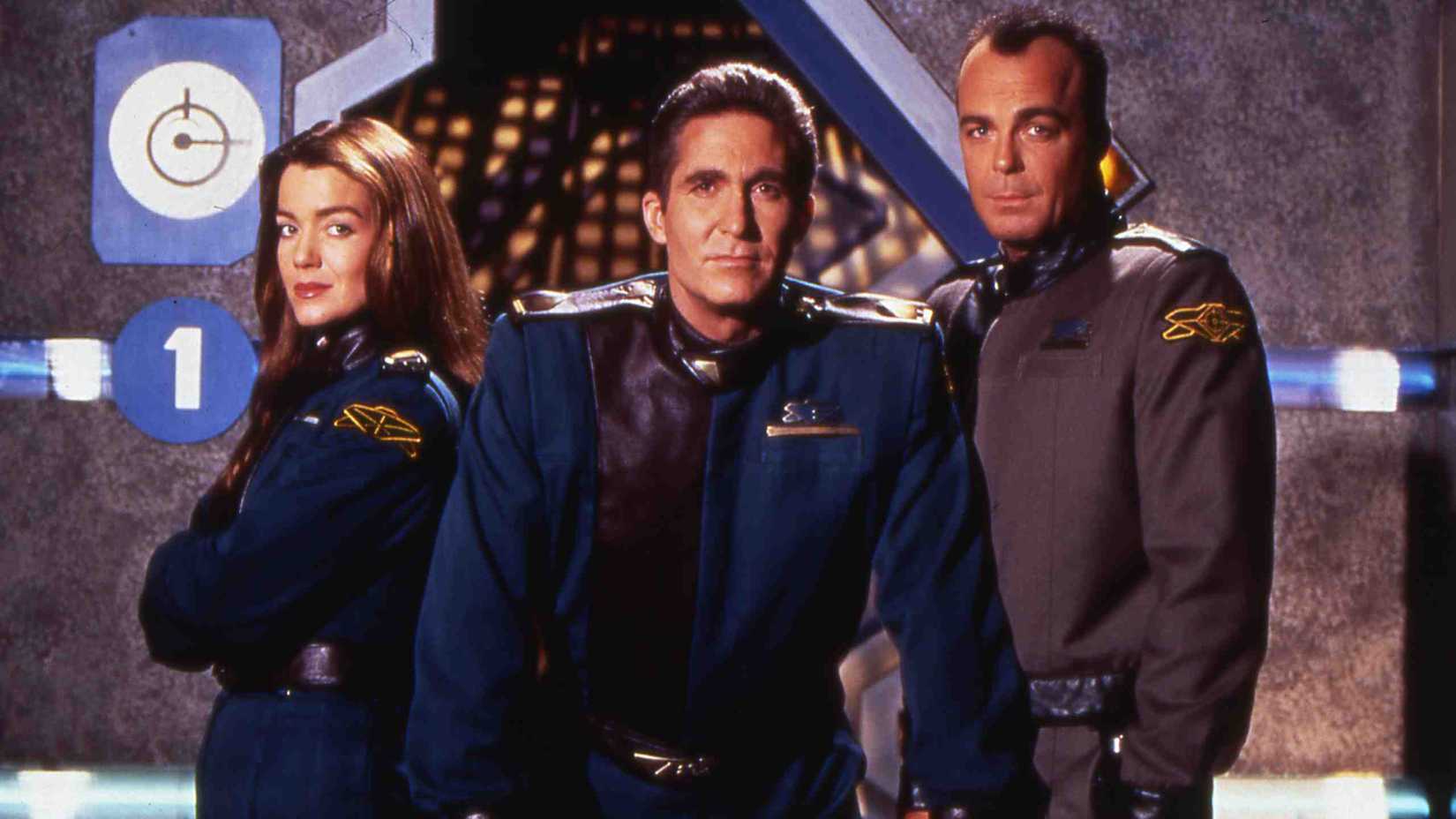
The show Babylon 5 faced a major challenge that almost led to its cancellation. Creator J. Michael Straczynski had carefully planned every season, but when the network was sold, the team feared the show would be cut short. He quickly revised the story to fit four seasons instead of five. Luckily, TNT picked up the show, and the fifth season was used to finish any remaining storylines.
With impressive writing and clever storytelling, Babylon 5 stands out as one of the greatest sci-fi TV shows ever made. The series is a grand space adventure centered around the crew and visitors of the massive Babylon 5 space station, exploring both universe-altering events and personal struggles. What made the show special was its commitment to realism and logic, creating a believable and enduring world despite featuring extraordinary alien races.
Dark
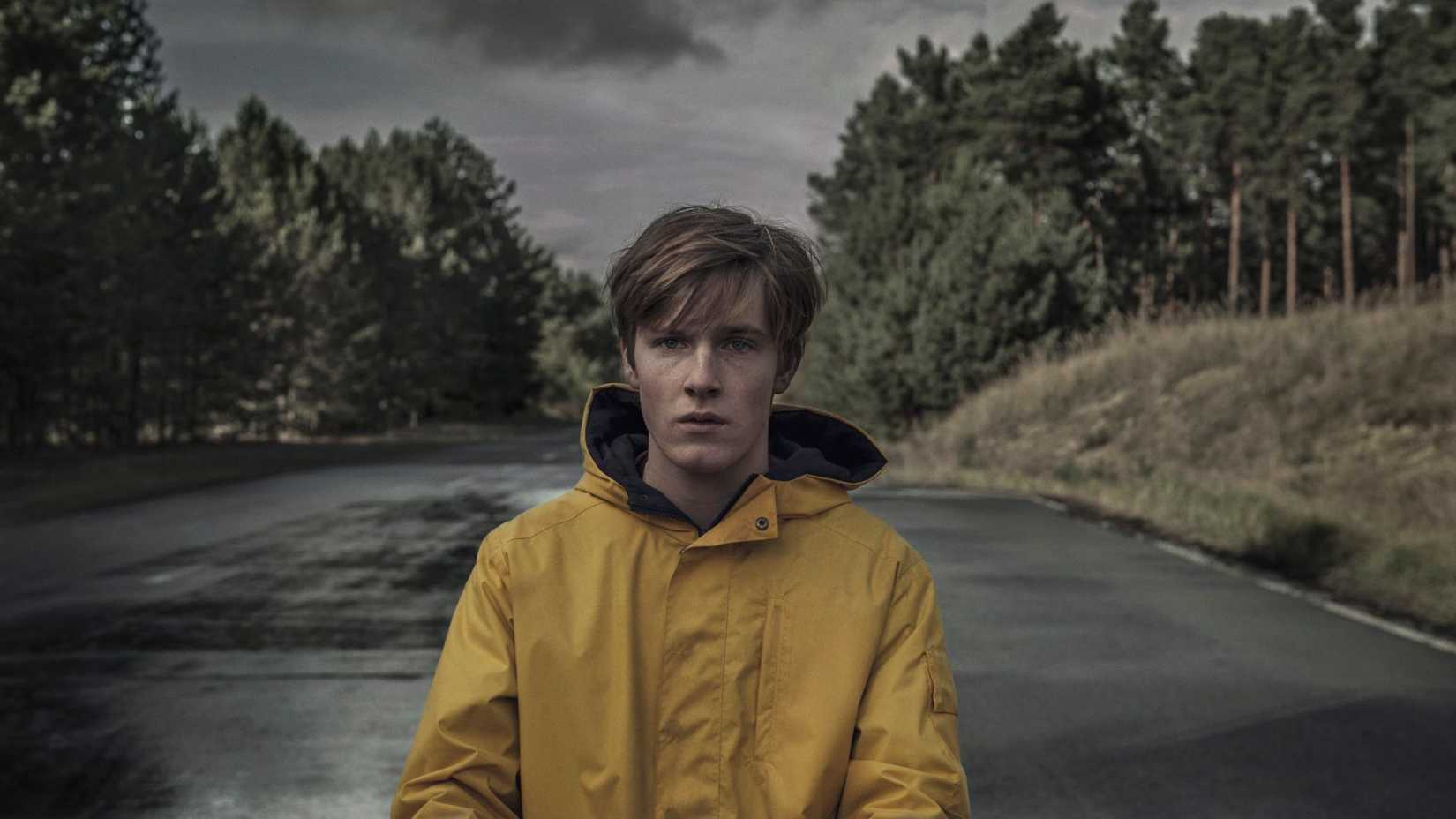
Hard science fiction typically focuses on realistic science and physics, even in futuristic settings. While spaceships are common, time travel is less so, as it’s still considered scientifically improbable. The series Dark uniquely blends these ideas by using real science and theoretical physics – including wormholes and solar patterns – to create a believable explanation for its time travel story.
I’ve noticed a lot of sci-fi shows use time travel, but it often feels less like hard science and more like, well, magic. But Dark is different. It’s incredibly complex, with a tangled timeline, but everything actually makes sense. They bend the rules of time travel all over the place – people meet their younger and older selves – but it’s surprisingly solid. It all fits together so perfectly, like a huge, intricate puzzle. That’s probably why it’s gotten such amazing reviews – nearly 95% positive on Rotten Tomatoes, which I totally get!
Battlestar Galactica
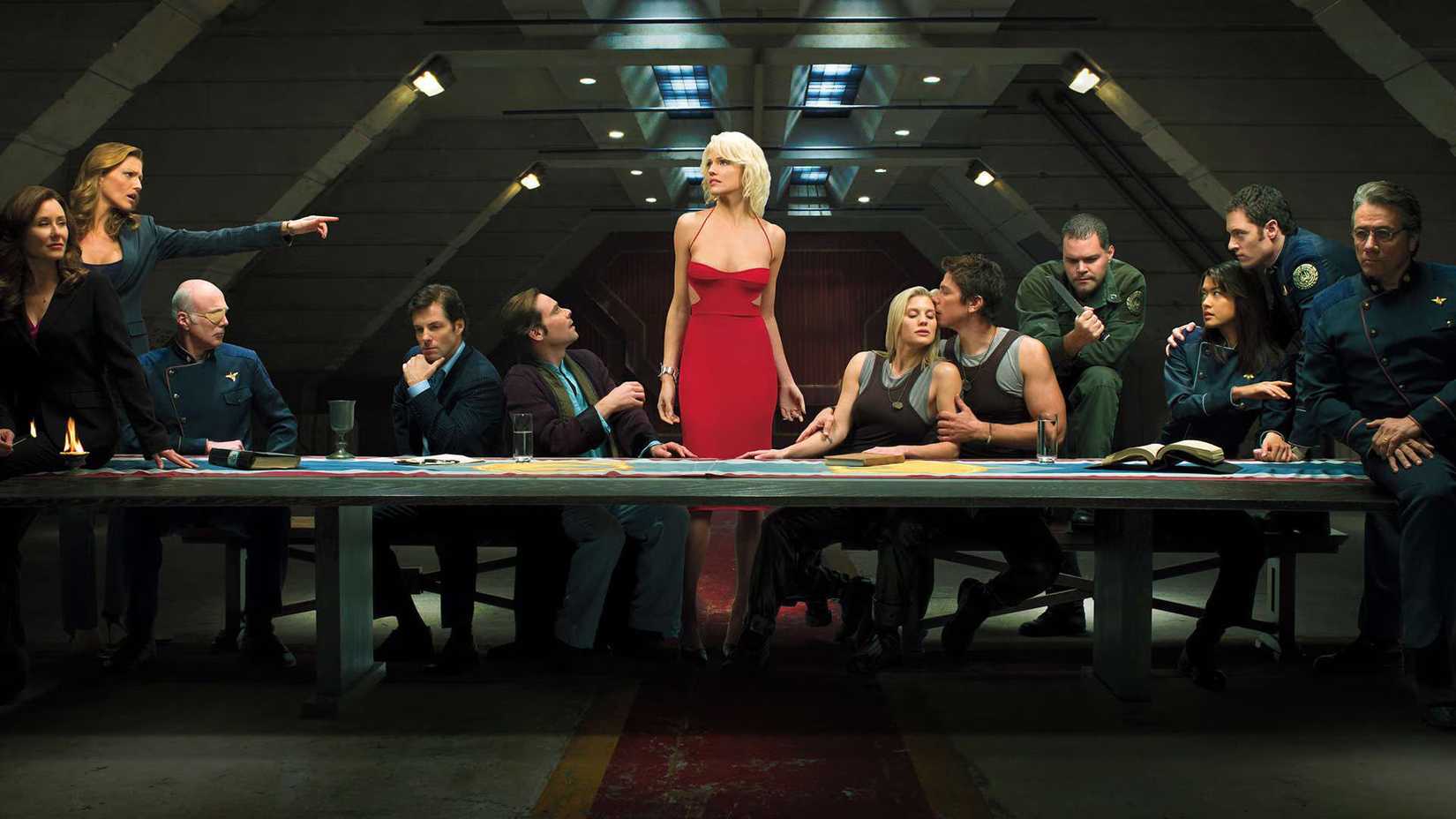
Battlestar Galactica stands out for its realistic portrayal of physics, creating some of the most exciting action sequences in science fiction television. Iconic moments, such as The Adama Maneuver, aren’t just about bravery – they’re about skillful, yet believable, piloting that heightens the tension. Unlike many shows, Battlestar Galactica accurately depicts the silence of space, adding to the unsettling atmosphere.
Although some viewers see the show as a character study exploring themes of society, human nature, and the impact of war, that’s only part of what makes it compelling. Battlestar Galactica feels incredibly realistic, with everyday problems like broken equipment, hacking threats, and technological shortcomings often fueling the main storylines.
Fringe
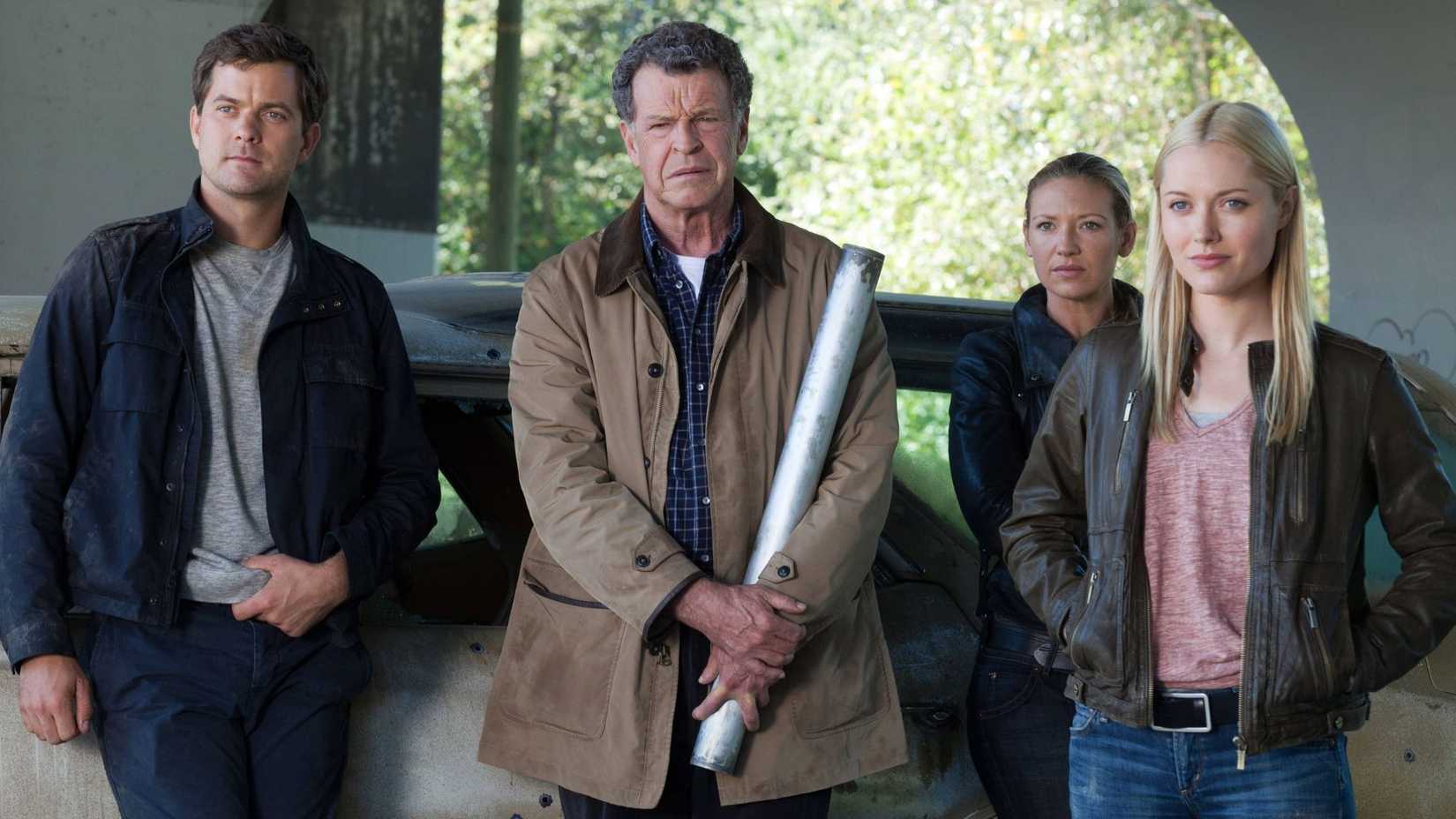
When it first began, the show Fringe was often compared to The X-Files because of its similar format – each episode featured a self-contained case. However, Fringe soon became something much more complex, filled with surprising plot twists and deeply moving emotional moments. John Noble, who played Lord Denethor in The Lord of the Rings, delivers an unforgettable performance as Walter Bishop, making him a standout character in science fiction history.
What made Fringe stand out from other science fiction shows was its relatable characters and realistic settings. But it wasn’t just about that – the show also explored complex scientific ideas, making it a favorite among hard sci-fi fans. Its intricate backstory was so well-developed that the show could evolve and change without feeling disjointed, ultimately cementing its place as a truly memorable and enduring sci-fi classic.
Orphan Black
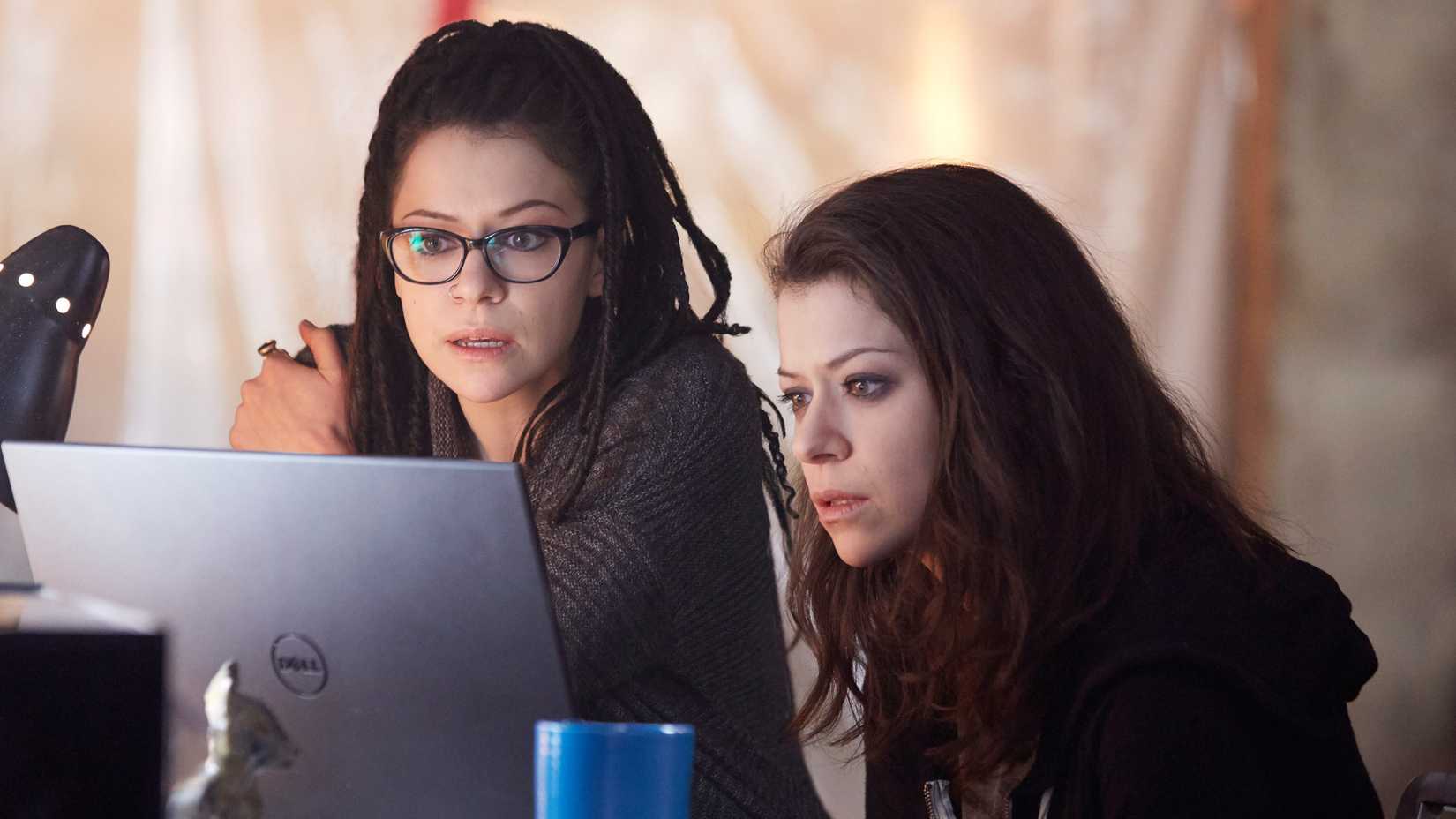
Hard science fiction can seem daunting to newcomers because of its complicated plots and realistic science, which many shows in the genre rely on heavily. However, Orphan Black is a great starting point for those new to sci-fi. It’s easy to understand, focuses on compelling characters, offers a unique story, and still includes the scientific detail that defines hard sci-fi. The show begins when Sarah discovers someone who looks exactly like her and takes her place. What happens next is a truly outstanding performance within the sci-fi world.
In the sci-fi series Orphan Black, Tatiana Maslany delivers an amazing performance playing 17 different clones. Some clones appear briefly, while others are central characters who even impersonate each other. Maslany’s skill was a major reason the show became a beloved cult hit. What sets it apart is its strong storytelling and a truly satisfying ending, making all five seasons consistently excellent.
Devs

Alex Garland’s sci-fi miniseries, Devs, is a quick watch at only eight hours long. The show follows Lily Chan, a software engineer played by Sonoya Mizuno, as she investigates her boyfriend’s death and discovers a surprising truth. While many sci-fi stories about time travel involve characters moving through different points in time—similar to the character Number Five in The Umbrella Academy—Devs takes a different approach. It’s more akin to the premise of the Tom Cruise film Minority Report.
The show Devs takes a unique approach to time travel, letting characters see the past and future without focusing on changing events. Instead of being about altering history, the series explores what it means to be human and how often we feel helpless when we see patterns repeating themselves. The ending is both unsettling and hopeful, suggesting that striving for a better future is still worthwhile.
Travelers

It’s common for TV shows to lose quality over many seasons, even the really good sci-fi ones. But Travelers managed to tell a complete and engaging story in just three seasons. Like The Matrix, it uses a clever concept for time travel: characters from a ruined future send their minds back in time to try and save the world.
| The three seasons of Travelers | ||||
|---|---|---|---|---|
| Season | Year | Episodes | Rotten Tomatoes critics’ rating | Rotten Tomatoes audience rating |
| 1 | 2016 | 12 | 100% | 95% |
| 2 | 2017 | 12 | 100% | 97% |
| 3 | 2018 | 10 | – | 99% |
Travelers was a highly ambitious science fiction TV series, but unfortunately, it was cancelled after three seasons right when it was about to take a new direction. Despite this, the show has a satisfying conclusion, making it a hidden gem in the sci-fi genre with a lot of unrealized potential. It was remarkably forward-thinking, exploring themes of dystopia that are now widely popular, and critics consistently loved it – every season earned a perfect 100% score on Rotten Tomatoes.
Star Trek: The Next Generation
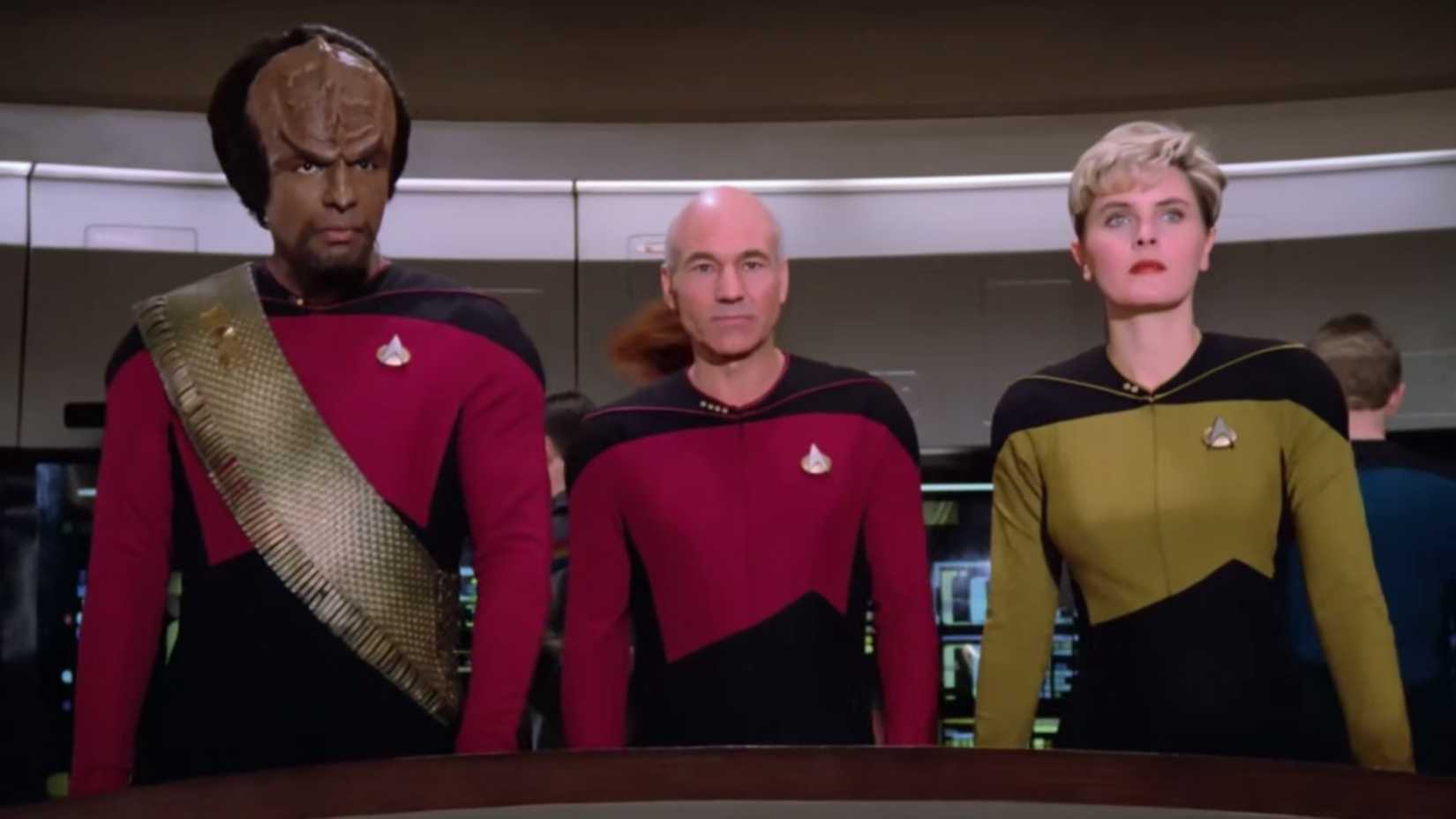
Patrick Stewart became a science fiction star thanks to Star Trek: The Next Generation, which also delivered some of the most memorable episodes in the entire Star Trek series. Fans still argue about whether the original series or The Next Generation is better, but while the original is a classic, The Next Generation updated the show for modern audiences and broadened the Star Trek universe.
Among science fiction TV shows that have held up well over time, Star Trek: The Next Generation is incredibly easy to watch from beginning to end. The show consistently focused on real scientific principles, basing its futuristic technology on ideas that scientists recognize today, but it never let technical details get in the way of a good story. This approach created a show focused on its characters and ultimately expanded the possibilities for the entire Star Trek universe.
2026-05-20 02:31