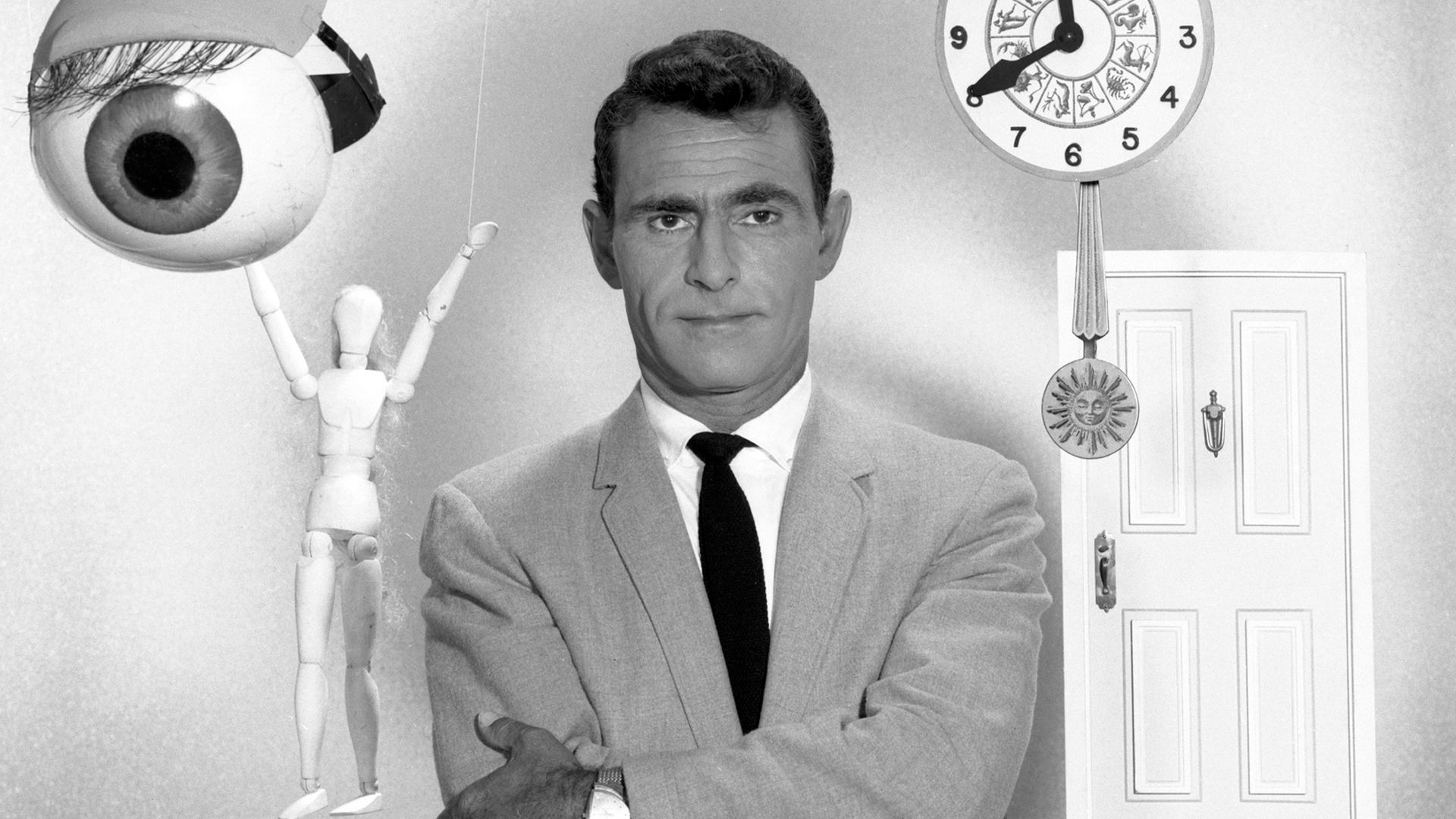
First shown in 1959, the show remained popular for decades thanks to repeated broadcasts, gaining new viewers along the way. However, not every episode was shown after its first airing – some were taken off the air or delayed on home video for various reasons. The most famous example is the episode “The Encounter,” which wasn’t broadcast again for more than 50 years.
The episode “The Encounter” was removed from broadcast because of its deeply flawed and offensive portrayal of race. This might come as a surprise to dedicated viewers of The Twilight Zone, the celebrated horror series known for its forward-thinking views and tackling of difficult topics. However, despite good intentions, this episode was a significant error in judgment.
George Takei Played the Leading Role in The Encounter
“The Encounter” tells the story of Fenton, a World War II veteran who discovers a Japanese katana in his attic. He actually took the sword from a Japanese soldier he killed, even after the soldier had surrendered. The katana has an inscription promising vengeance, and throughout the story, the sword mysteriously keeps reappearing in Fenton’s life, no matter how hard he tries to get rid of it.
Fenton’s thoughts are broken when Arthur Takamori, a young Japanese-American, applies for a gardening job. As they talk, a tense atmosphere develops, revealing the prejudices each man holds. Fenton begins to express hostility towards Asians, while Arthur shares a painful family secret: his father’s betrayal of the United States during the attack on Pearl Harbor.
The sword seems to amplify their feelings, quickly leading to a violent fight. During the struggle, Fenton is fatally stabbed by the blade. Afterwards, Takamori seizes the sword, shouts “Banzai!”, and jumps from the attic window, ending his own life.
George Takei, famous for his work on , appeared in an episode that many found deeply upsetting given his personal history. During World War II, Takei and his family were unjustly imprisoned in a Japanese internment camp – an experience he later shared in a graphic novel. The episode sparked controversy because it depicted a character whose actions resembled the historical mistreatment of Japanese Americans, specifically by showing a father signaling Japanese planes before the attack on Pearl Harbor.
Because the US government claimed it was necessary to mistreat Japanese-American citizens due to fears of spying or collaboration with the enemy, the meaning of a particular Twilight Zone episode became much deeper than just a fantastical story. It resonated with real-world injustices.
The Twilight Zone’s Controversial Episode The Encounter Was Banned
The biggest issues with this Twilight Zone episode stem from its damaging stereotypes. The Japanese characters are presented using tired, simplistic tropes that emphasize their difference from Americans. While Fenton’s clear prejudice is problematic, the core issue is the episode’s fabrication of history. There’s no evidence to support the idea of Japanese-American betrayal at Pearl Harbor, and inventing such a story was used to justify the unjust imprisonment of thousands of American citizens. This creates a flawed sense of balance – the episode tries to appear fair by contrasting Fenton’s existing biases with invented wrongdoing.
The episode “The Encounter” aimed to challenge prejudice, but it struggled with a lack of diversity among its creators. Like many shows then – and even now – it was made by a team that didn’t fully reflect the story’s themes. Director Robert Butler and writer Martin Goldsmith, both white men, were likely well-meaning, but they simply didn’t have the lived experience needed to tell this story authentically.
Takamori was one of Takei’s first roles, and it reunited him with his future Star Trek co-star, David Butler. Since then, Takei has often spoken about his experiences in the Japanese American internment camps, aiming to shed light on a difficult part of U.S. history. He’s shared these memories both in his autobiography and in the musical Allegiance.
The 1964 Twilight Zone episode, “The Encounter,” caused significant controversy and upset the Japanese-American community when it first aired. This was particularly sensitive timing, as the U.S. was becoming increasingly involved in another conflict in Asia. The episode was removed from television for many years, though it later appeared on home video releases.
The ban appeared to lift on January 3, 2016, when Syfy resumed airing the rest of the series. Although the episode still contains troubling elements, having it available lets viewers watch and talk about it with a complete understanding of its original context.
The Twilight Zone Is No Stranger to Controversy
While controversial content often faces cancellation now, that hasn’t always been the norm. The classic 1959 series The Twilight Zone includes some episodes that would be seen as very troubling or questionable today. These episodes weren’t completely removed from broadcast, but they became controversial and are still discussed for it.
When “The Chaser” first came out, it was seen as a fairly mild romantic comedy. However, modern audiences recognize the story’s problematic treatment of women. The main character, Roger Shackleforth, deceives Leila with a love potion and then attempts to murder her just because she becomes affectionate and wants to be close to him.
As a film and TV enthusiast, I’ve always been fascinated by “The Big Tall Wish.” What really struck me was its groundbreaking casting – the show featured a predominantly Black cast, which was a huge deal at the time. Rod Serling deliberately chose these actors to make a statement about his beliefs and, even more importantly, to highlight how crucial true equality is for everyone. It was pretty bold, honestly, and caused some controversy because television back then was overwhelmingly white.
The after viewers learned that three actors had been killed while filming, including two children. Even the 1985 revival of the series wasn’t immune to controversy, with “The Toys of Caliban” depicting mental disabilities using problematic language.
The Twilight Zone was groundbreaking for its time and is still highly regarded today. It significantly influenced television and film as we know it, though it wasn’t perfect and sometimes reflected the cultural norms of its era.
2026-05-19 06:38