Superhero films are hugely popular in Hollywood today, but even the most successful series have made some strange choices that confused viewers. While some casting decisions in the Marvel Cinematic Universe have been brilliant, and some DC stories have been adapted really well, there are also times when studios just didn’t seem to understand what fans loved about these characters.
Franchises often stumble when creators either try too much to change well-known comic book characters or rush big stories before they feel natural. Both approaches can ruin a series, underutilize great villains, and ultimately disappoint fans.
It’s particularly disappointing when these movies fail, because so many of them started with a lot going for them. Talented actors, good stories to work with, and big budgets usually lead to success. But in some cases, these superhero films are now better known for odd decisions made during production than for what they did well.
These films stumbled by misinterpreting iconic villains, trying to cram too much story into one movie, or removing the interesting qualities of comic book bad guys. These mistakes serve as warnings for other filmmakers. Even now, people still wonder how these movies could have been better if studios had simply stayed truer to the original comic books.
Sony’s Spider-Man Universe Undermining Its Villains
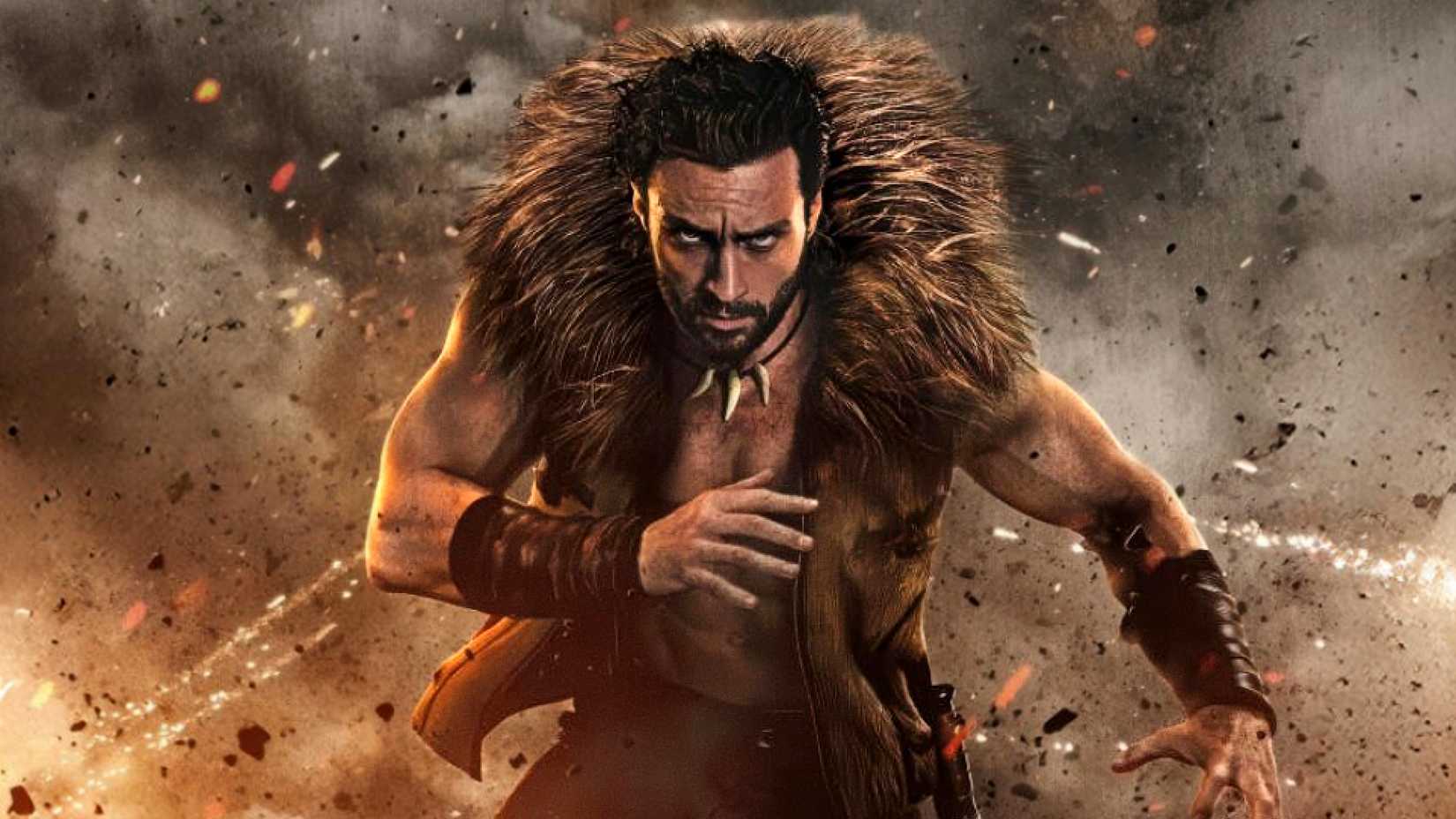
A puzzling trend in recent superhero movies has been Sony’s choice to transform many classic Spider-Man villains into sympathetic, almost heroic figures. Instead of keeping them as the memorable antagonists they were known for, characters like Morbius, Kraven the Hunter, and Venom have been reimagined as tragic heroes we’re expected to support.
Venom had a basis as a complex, morally gray character in the comics, but the broader universe of related stories quickly fell into a pattern. Instead of truly threatening villains with unique goals, most characters became heroes who were forced to fight opponents very similar to themselves.
The main problem wasn’t just the villains; Sony built a Spider-Man world but didn’t fully utilize Spider-Man himself. Villains are most effective when they have a strong hero to oppose, and without that, these characters lost much of what made them interesting.
Jesse Eisenberg’s Lex Luthor In Batman V Superman: Dawn Of Justice
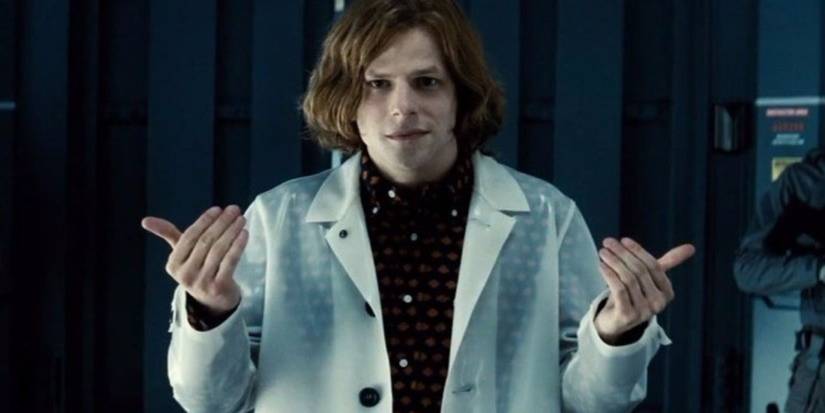
The choice of Jesse Eisenberg as Lex Luthor in Batman v Superman: Dawn of Justice seemed promising at first. A younger, tech-savvy version of Superman’s enemy felt relevant, particularly given the personalities of some real-life tech leaders at the time. However, the film focused too much on strange habits and nervous energy, ultimately making the character feel very different from the classic Lex Luthor.
Jesse Eisenberg’s portrayal of Lex Luthor wasn’t the cool, collected genius fans anticipated. He came across as frantic, immature, and strangely overexcited. Traditionally, Lex Luthor is frightening because he’s in control, able to outsmart everyone around him and orchestrate events with cold accuracy.
This iteration felt chaotic and silly, throwing around random jokes and acting more like an annoying online personality than a brilliant villain. This created a jarring contrast with the more serious portrayals of Superman by Henry Cavill and Batman by Ben Affleck.
Burying The Phoenix Saga In X-Men: The Last Stand
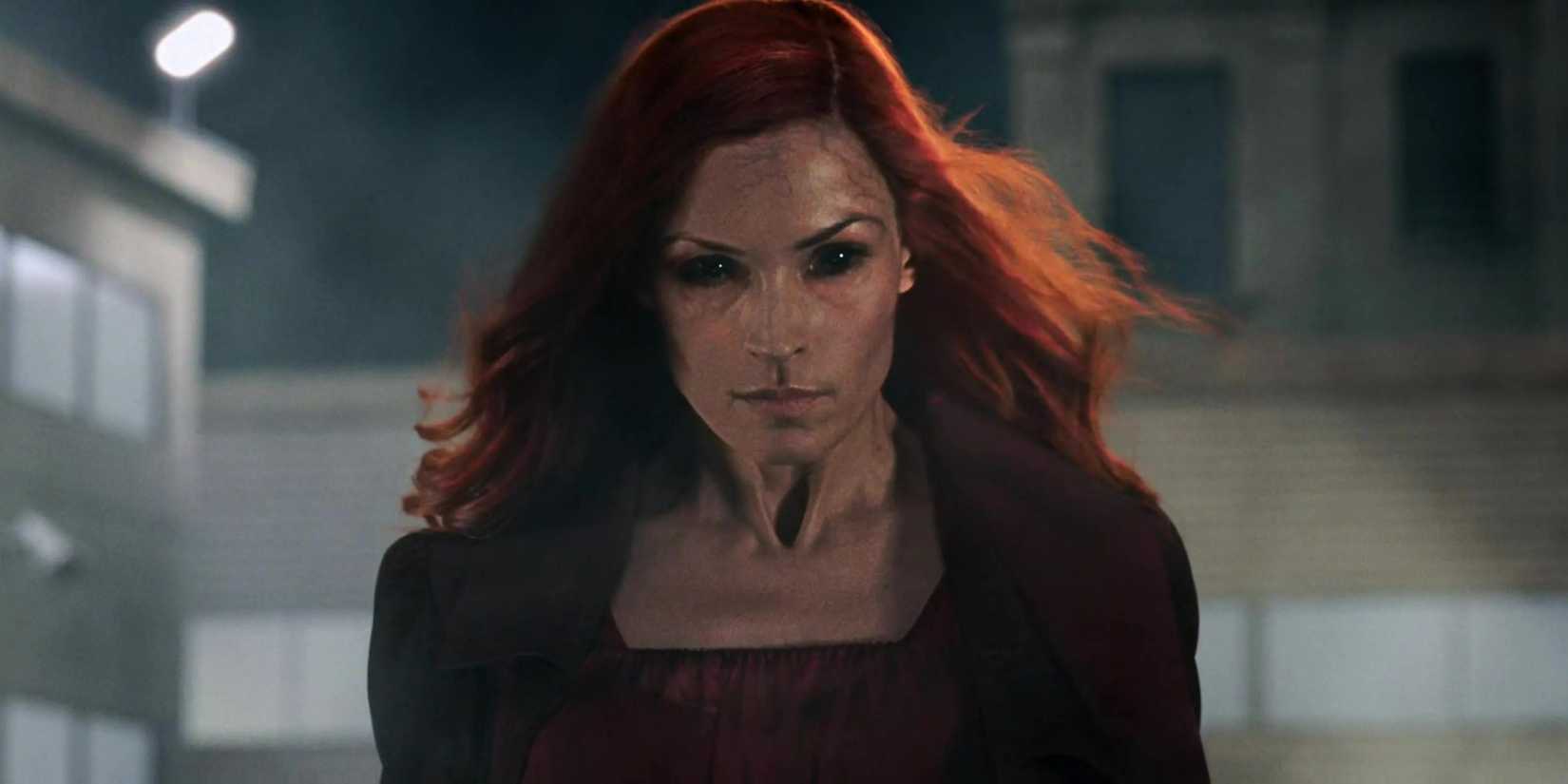
The “Dark Phoenix Saga” is a beloved and highly-regarded story in the history of the X-Men. Because of this, many fans were disappointed with how it was portrayed in the movie X-Men: The Last Stand. Instead of giving Jean Grey’s powerful transformation the attention and emotional weight it deserved, the film got bogged down in a separate plot about a mutant cure.
Because of this, a famously powerful and sad storyline from Marvel comics felt hurried and didn’t quite live up to its potential. The Last Stand tried to cover too much at once – the arguments over a potential cure, Magneto’s conflict with humans, Wolverine’s own problems, and Jean Grey’s transformation into the Phoenix – and it suffered as a result.
The story felt rushed, leaving little space to fully develop Jean’s struggles or the immense power of the Phoenix Force. Important character deaths and heartfelt scenes happened too quickly to have a lasting impact. The plot needed more room to unfold, but it was crammed with too many different storylines.
Jared Leto’s Joker In Suicide Squad
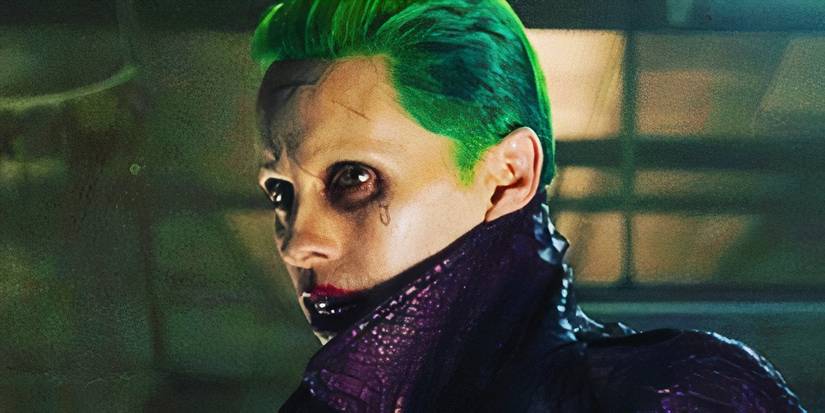
Jared Leto’s portrayal of the Joker in Suicide Squad is remembered as one of the most talked-about – and controversial – performances in superhero movie history. It wasn’t just the film itself that caused a stir; reports of Leto’s intense method acting drew so much attention that it arguably took focus away from the movie’s main plot and other characters. Originally, the Joker was intended to be a smaller role.
People weren’t really discussing the characters like Deadshot, Harley Quinn, or the team itself. Instead, the focus was on strange stories from the making of the movie and excitement about the new version of the Joker. Even more concerning, the film just didn’t feel right – it felt tonally off and didn’t quite fit.
Joaquin Phoenix’s Joker feels less like a compelling villain and more like a cartoonish gangster imitation, overloaded with unnecessary tattoos and awkward lines. Despite all the effort put into the character, it doesn’t really add up, and the movie ends up feeling uneven and creatively flawed.
Emo Peter Parker In Spider-Man 3
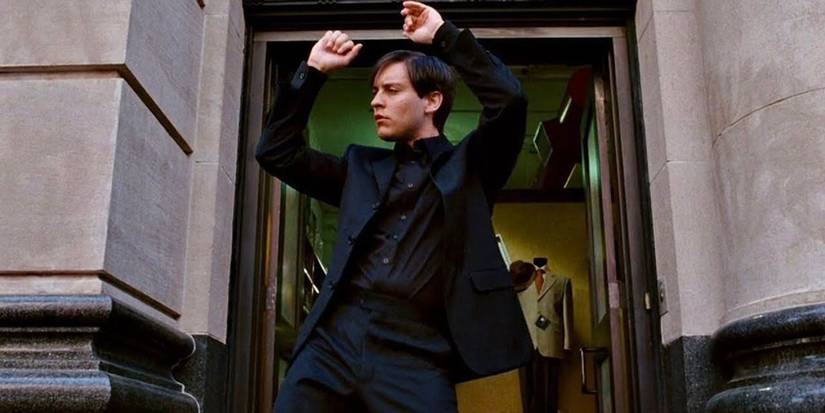
The awkward, emo phase of Peter Parker in Spider-Man 3 is famously ridiculed. The movie tried to show a darker side to Peter after he connects with the symbiote, but it came across as so strange that it ruined any serious impact the scene was meant to have.
Rather than turning scary or evil, Peter unexpectedly bursts into a spontaneous dance session in the streets. He playfully pretends to shoot finger guns at people and awkwardly styles his hair, looking like he stepped straight out of a music video from the mid-2000s.
Tobey Maguire gives a committed performance, but his portrayal of Peter’s arrogance and clumsiness comes across as silly instead of intimidating. Typically, stories about heroes merging with symbiotes are disturbing because they expose a hero’s hidden, darker side. In this film, however, Peter’s “villainous” period felt more like a running joke that distracted from the rest of the plot.
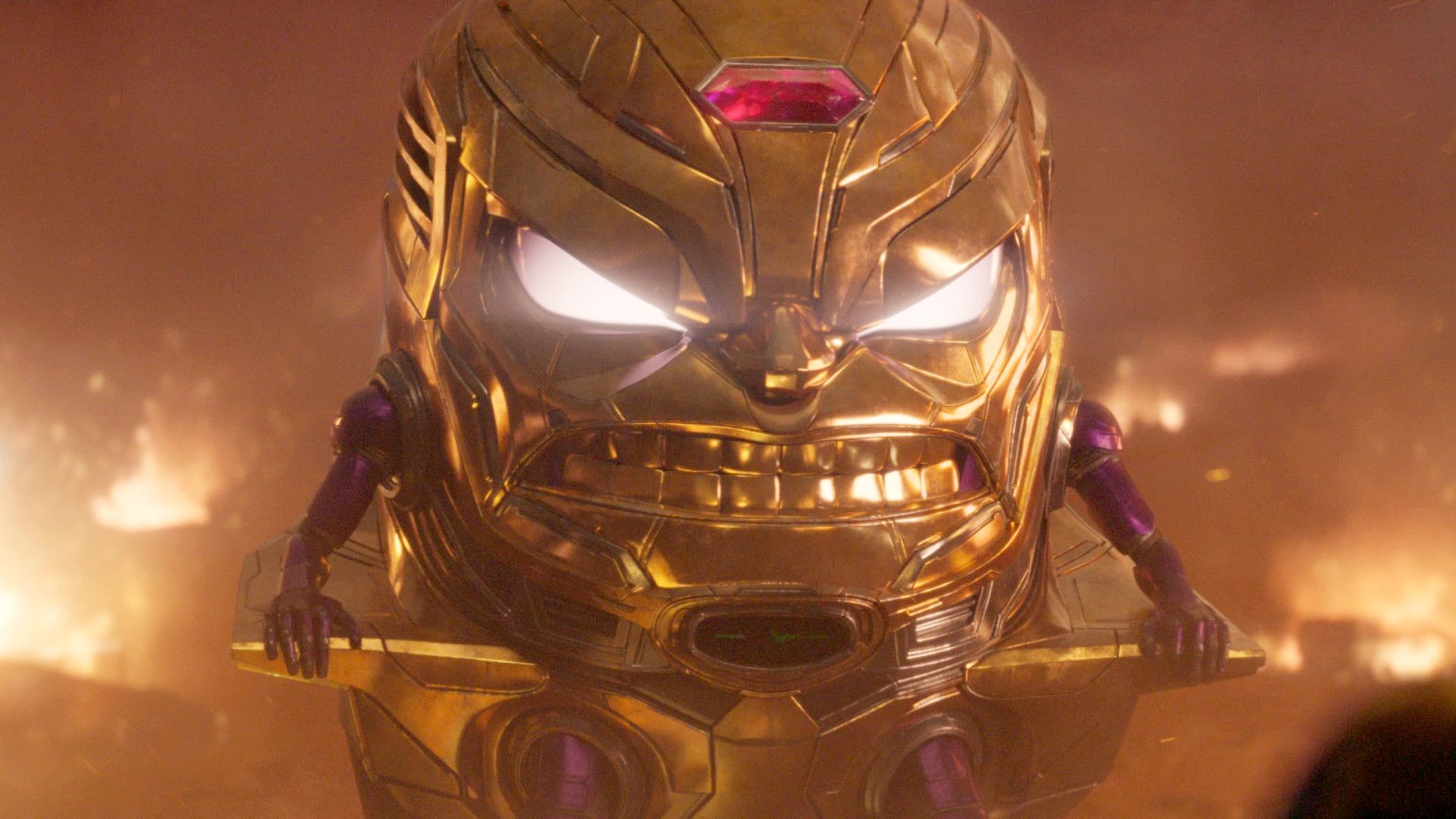
The Lacklustre MODOK In Ant-Man And The Wasp: Quantumania
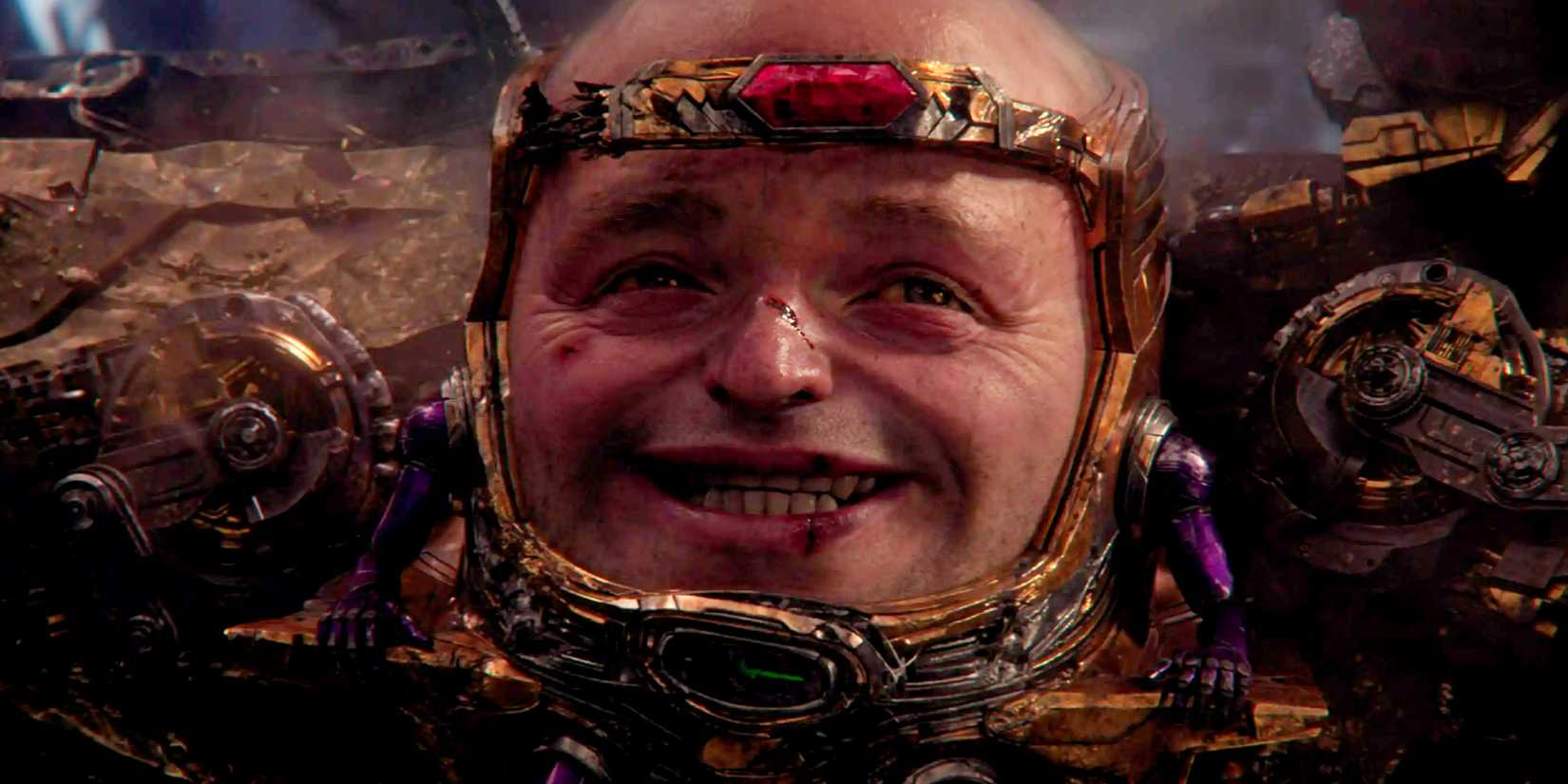
MODOK is a famously strange and frightening Marvel villain, so fans were thrilled when he finally showed up in a live-action movie. Sadly, Ant-Man and the Wasp: Quantumania quickly squandered the character, turning him into a clumsy joke that lacked any real threat or emotional depth.
In Quantumania, MODOK felt like a joke and didn’t really add much to the plot. Revealing him as Darren Cross could have been a powerful moment if the movie had explored the sadness or disturbing physical changes of his transformation. However, the film kept making fun of his large head and appearance instead, which diminished the character.
Even when MODOK finally seemed to turn good, it felt hurried and lacked impact. While MODOK’s unusual appearance is true to the comics, successful Marvel movies usually ground even outlandish ideas in real emotional weight. This film introduced a visually striking villain, but ultimately used him as a throwaway joke.
Galactus As A Cloud In Fantastic Four: Rise Of The Silver Surfer
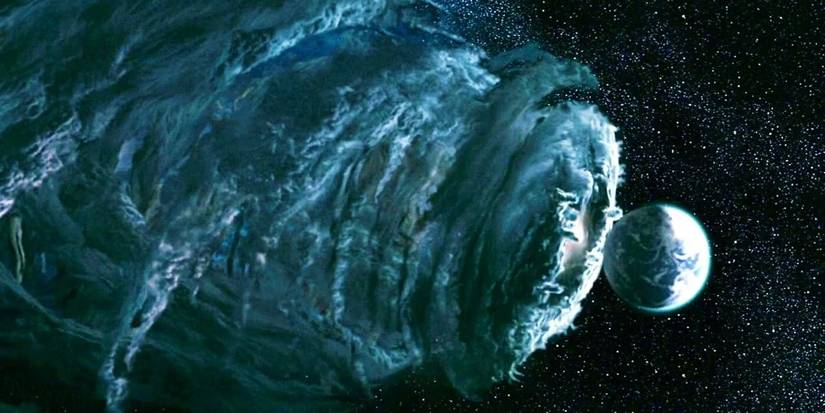
Changing Galactus into a giant space cloud in Fantastic Four: Rise of the Silver Surfer is widely considered a poor choice in comic book movie history. While it was understandable to worry about how a faithful adaptation of Galactus would look on screen, a large, purple-armored cosmic being might have seemed ridiculous to audiences in the mid-2000s.
Changing one of Marvel’s most iconic villains into a vague, shapeless cloud removed everything that made the character compelling. Galactus is effective because he’s powerful, smart, and feels like a god. He’s more than just a random cosmic event; he’s a distinct and formidable being.
The movie Rise of the Silver Surfer doesn’t give the Silver Surfer enough to do, essentially making him a large, atmospheric element in the background. This was disappointing for viewers who anticipated a more significant and visually impressive appearance after all the hype surrounding the character.
Catwoman Is Not Selina Kyle
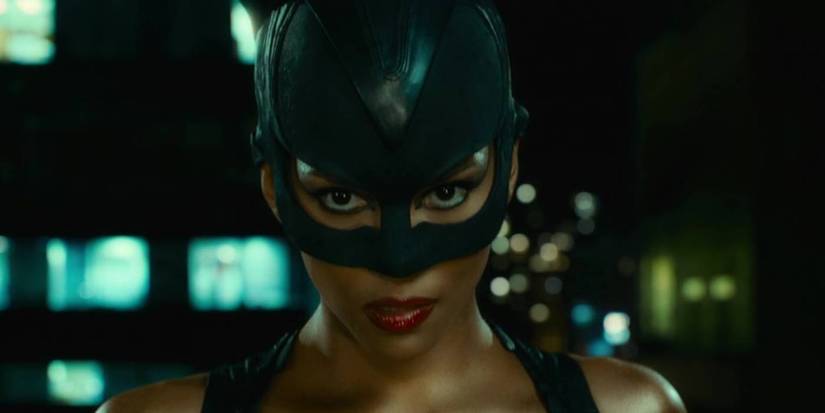
The movie Catwoman surprisingly chose to invent a new character instead of faithfully portraying Selina Kyle. Halle Berry plays Patience Phillips, a completely different person from the well-known Catwoman, which significantly departs from the character’s long history in comics.
Although some comic book movies successfully reimagine characters, this adaptation changed so much that viewers questioned why it was even titled Catwoman. The character Selina Kyle is popular because of her complex sense of right and wrong, her connection to Batman, and her reputation as Gotham’s best thief.
The movie largely abandoned the established comic book elements, replacing them with magical abilities and a strange backstory. This significant departure from the source material caused Catwoman to lose the essential qualities that made the character interesting in the first place.
The CGI Green Lantern Costume
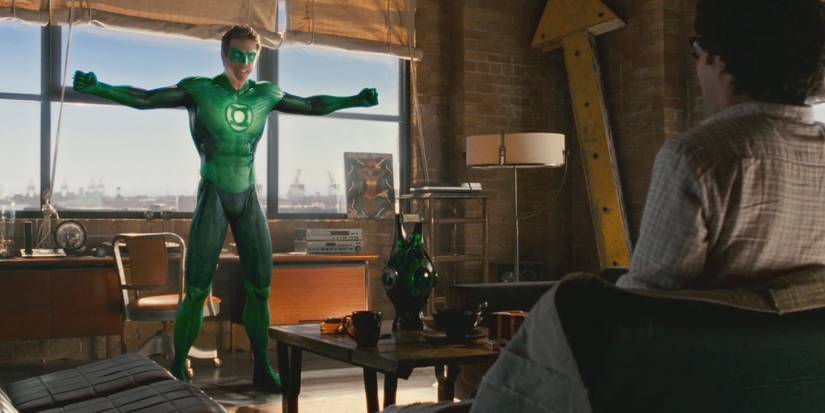
One of the biggest problems with the movie Green Lantern was the choice to create Ryan Reynolds’ costume entirely with computer-generated imagery. While other superhero films were moving towards more realistic and practical costumes, Green Lantern did the opposite, covering its star in digital effects that often didn’t look very good.
Rather than making Hal Jordan more powerful, the suit frequently felt forced and incomplete. It’s odd, because the costume’s initial design wasn’t bad. A Green Lantern outfit faithful to the comics could have been really effective using a combination of real-life props and digital effects.
Creating the superhero suit almost entirely with computer-generated imagery resulted in an unnatural appearance that distracted viewers. A good superhero costume should enhance believability, but this digital suit constantly reminded the audience they were watching a movie with visual effects.
Muting Deadpool In X-Men Origins: Wolverine
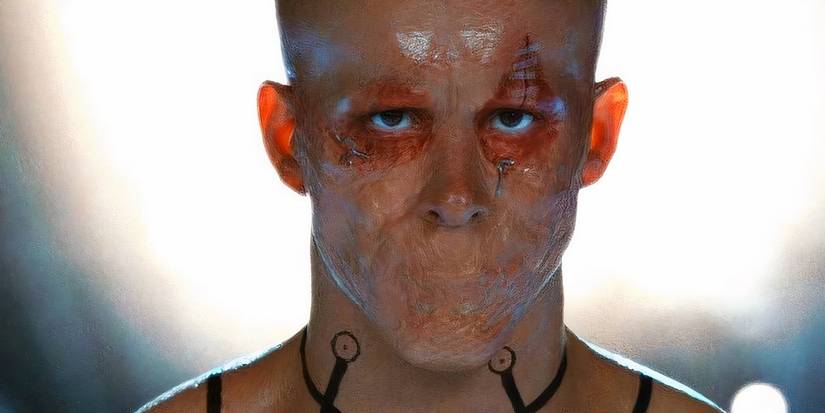
Few choices in superhero films have frustrated comic book fans as much as silencing Deadpool in X-Men Origins: Wolverine. Deadpool is famous for being the “Merc with a Mouth,” meaning he’s constantly talking, makes jokes that acknowledge he’s in a movie, and is generally unpredictable. That’s why fans were so upset when the film literally sewed his mouth shut.
The film stands out as a prime example of a studio failing to understand the source material. It’s particularly odd because Ryan Reynolds was ideal for the role of Wade Wilson. The beginning of the movie showed promising glimpses of the witty, sarcastic character fans expected, but that version was unfortunately dropped by the end.
The changes completely removed what made the character interesting and fun. Surprisingly, the strong negative reaction actually played a part in creating the much more faithful Deadpool we see today.
Read More
- Циан акции прогноз. Цена акций CNRU
- Inception Meets Lost In HBO’s 4-Part Sci-Fi Game Of Thrones Replacement
- Hogwarts Legacy: Twilight Labyrinth Is The DLC We Always Wanted
- James Gunn on What Makes DCU Unique & Different From Marvel
- Доллар обгонит аргентинское песо? Эксперты раскрыли неожиданный сценарий
- Stephen King’s Hit 10-Part HBO Crime Thriller Series Returns As Worldwide Streaming Success
- Фунт обгонит канадский доллар? Эксперты раскрыли неожиданный сценарий
- Star Trek: Starfleet Academy Review – The Kids Are Just Okay in Gaia Violo’s School-Set Comedy-Drama
- Доллар обгонит южноафриканский рэнд? Эксперты раскрыли неожиданный сценарий
- Disney’s Highest-Rated Star Wars Series Is The Antithesis Of The Prequel Trilogy
2026-05-10 15:48